U.S. Maritime Administration and Port of Corpus Christi Sign Second Agreement to Assess Small Modular Reactor Maritime Applications
en.Wedoany.com Reported - The U.S. Department of Transportation's Maritime Administration (MARAD) and the Port of Corpus Christi in Texas have signed a Memorandum of Cooperation to evaluate the feasibility of advanced energy technologies, including small modular reactors (SMRs), in maritime applications, covering potential areas such as enhancing port infrastructure resilience, power supply, and vessel propulsion.
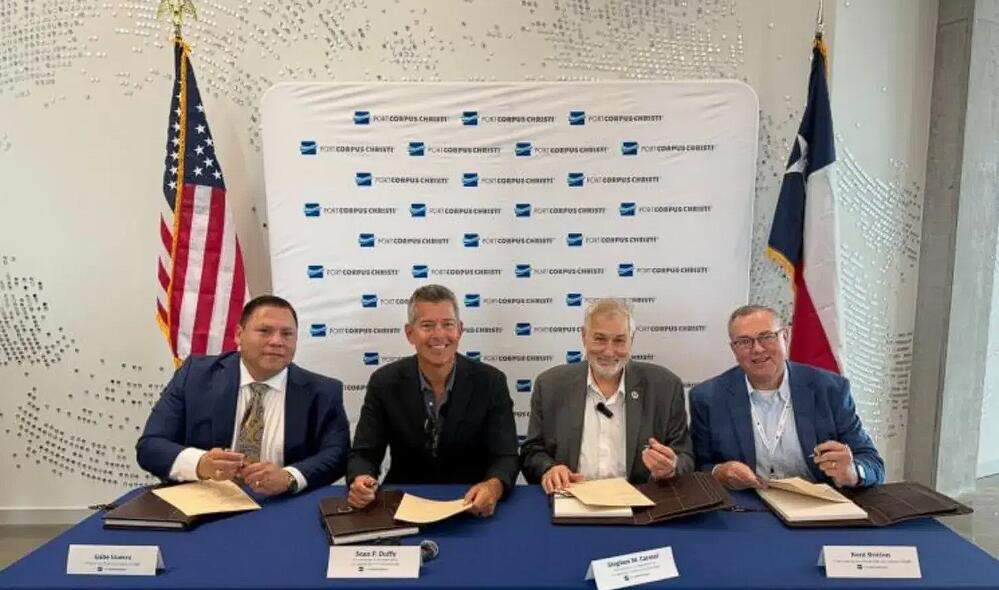
Under the agreement, both parties will collaborate to advance the development of maritime energy systems and study the possibility of integrating small modular reactors into port infrastructure. Application scenarios under consideration include resilient port microgrids, shore power systems, infrastructure supporting emerging vessel propulsion technologies, and workforce development.
This memorandum is the second agreement signed between the Trump administration and a major U.S. port regarding the maritime application of nuclear technology. In June, the U.S. government signed an agreement with the Port of Long Beach to establish the nation's first nuclear-powered vessel test zone. Both arrangements fall under a broader initiative launched in May that aims to explore the use of small modular reactors to reduce costs for the U.S. shipping industry and strengthen the nation's supply chain resilience.
U.S. Secretary of Transportation Sean P. Duffy stated that small modular reactors have the potential to reshape the U.S. maritime industry, lower transportation costs, and strengthen supply chains. He expressed delight in the Port of Corpus Christi establishing this partnership with the Trump administration to ensure the United States maintains its leadership in innovation, noting that maritime supremacy begins with rebuilding the U.S. fleet using this cutting-edge technology.
Established in 1926, the Port of Corpus Christi has grown into the largest energy export gateway in the United States and the third-largest crude oil export port in the world. Located at the heart of energy and industrial infrastructure along the Gulf Coast, the port is potentially positioned to serve as a significant testing ground for emerging nuclear and maritime energy technologies.
U.S. Congressman Michael Cloud believes that small modular reactors could ultimately support port operations and the broader industrial complex while providing new approaches to maritime propulsion.
Related Products

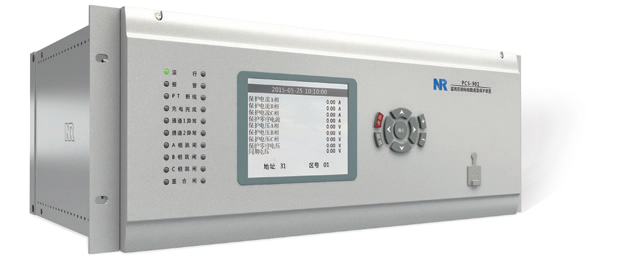
PCS-901 Series Ultra (Extra) High-voltage Transmission Line Complete Protection Device
Nanjing NR Electric Co., Ltd.
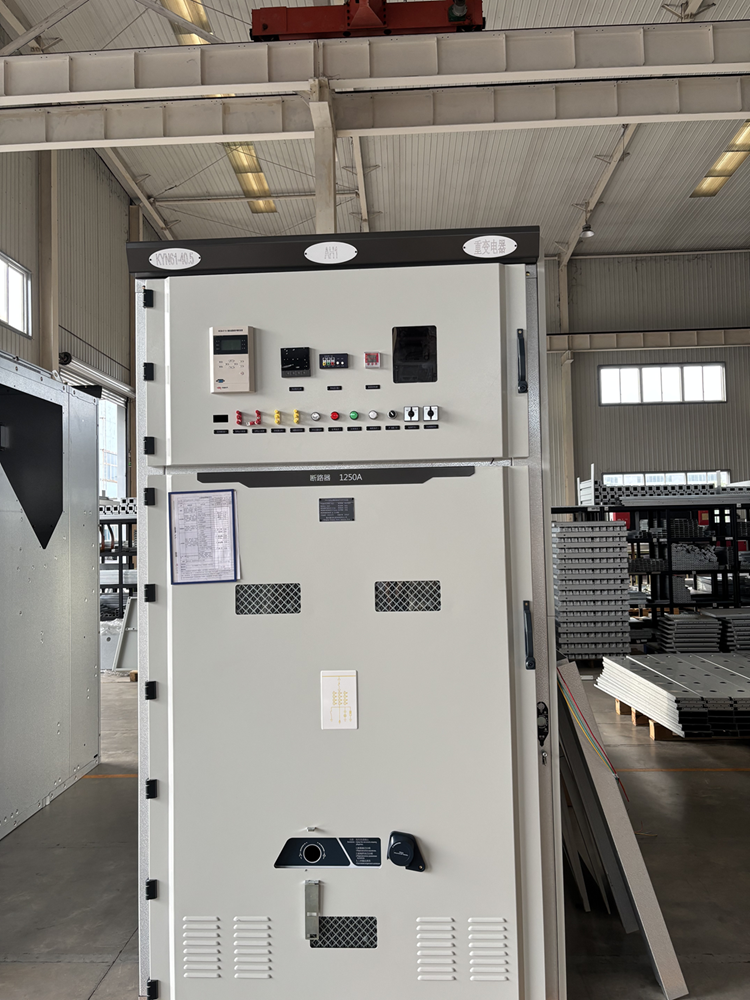
KYN61-40.5 Indoor AC Metal-clad Removable Switchgear
Chongqing Transformer Co., Ltd.
Floating Boat Water Quality Automatic Monitoring System
Hebei Sailhero Environmental Protection High-tech Co., Ltd.

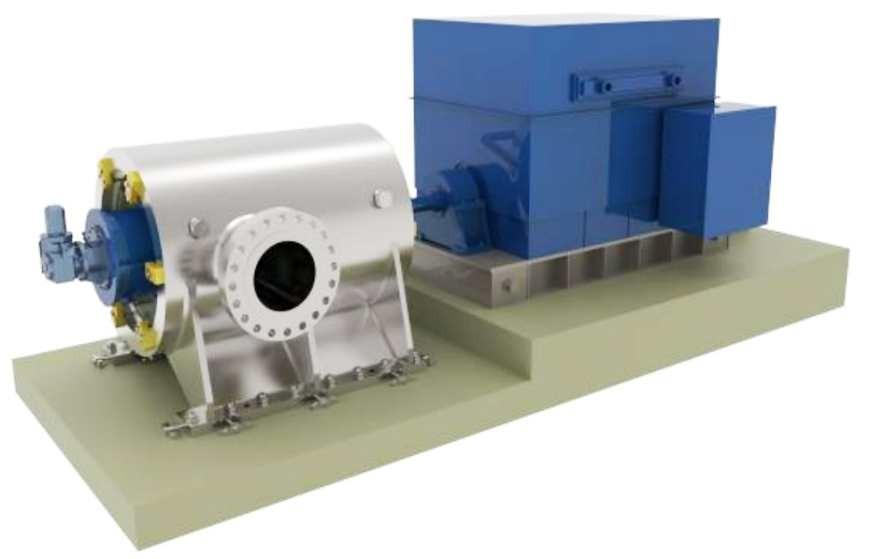
Hydraulic Turbine Genset
Dongfang Electric Corporation Dongfang Electric Machinery Co., Ltd.