IRENA: Four West African Countries Including Burkina Faso Need 2.25 GWh of Battery Storage to Achieve Universal Electricity Access by 2030
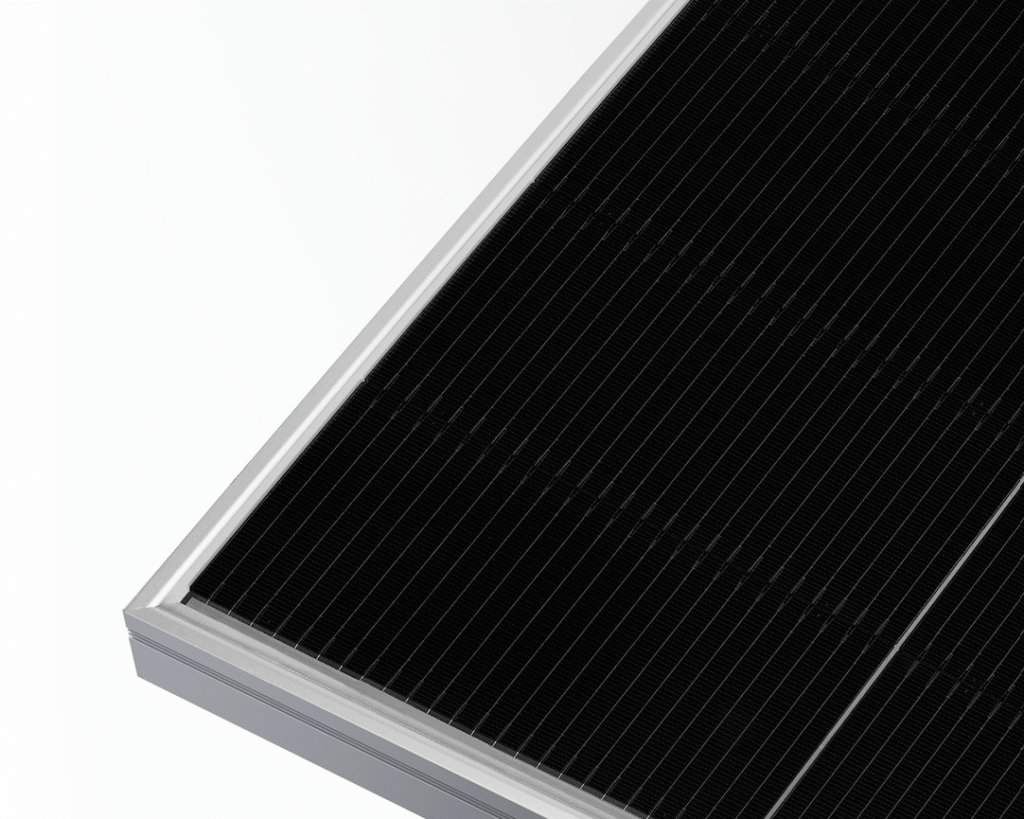
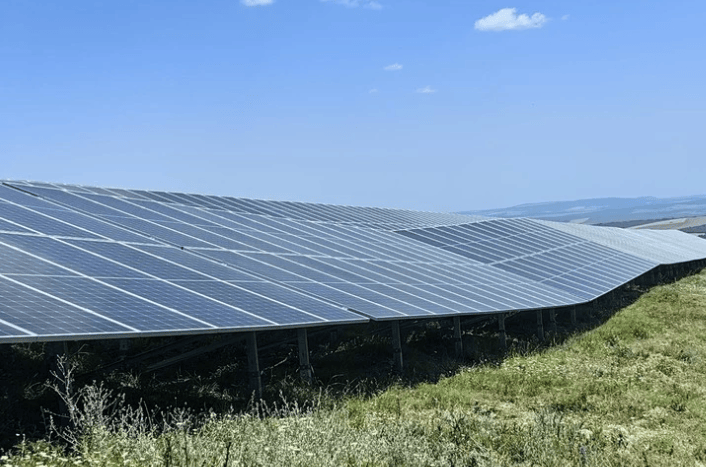
en.Wedoany.com Reported - The International Renewable Energy Agency (IRENA), in a new report, has stated that solar photovoltaic mini-grids will play a key role in achieving universal electricity access in Burkina Faso, Mali, Nigeria, and Senegal. The agency assessed solar-plus-storage mini-grid power supply solutions for these four countries and provided quantifiable market insights.
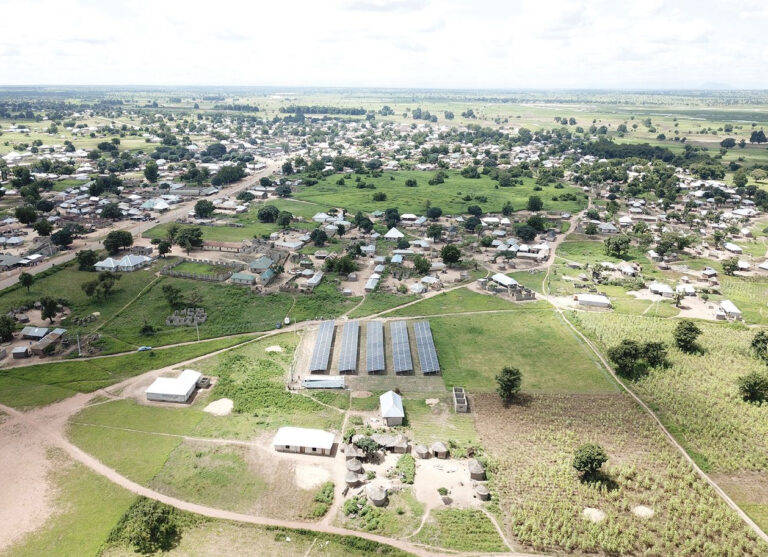
The report, titled "Unlocking battery storage potential for sustainable mini-grid electrification in West Africa," states that among all sites suitable for mini-grid development, solar energy can serve over 98% of them, hydropower less than 2%, and wind power less than 0.1%.
IRENA estimates that solar PV mini-grids in these four countries correspond to a near-term market of 568 MW, with a minimum addressable market of approximately 42,700 settlements, involving around 21 million people. By country, Nigeria holds the largest market share with nearly 400 MW of PV capacity, followed by Burkina Faso at 91.7 MW, Mali at 56.3 MW, and Senegal at 20.3 MW. For reference, as of last year, the total installed solar PV mini-grid capacity across Africa stood at 149 MW.
The assessment constructed multiple electricity supply scenarios based on variables such as demand scenarios (categorized into levels 1 to 5 in the report), grid expansion rates, and mini-grid cost assumptions. The results show that under low-demand scenarios, standalone solar systems cover the largest population, serving between 70 million and 122 million people; from demand level 3 onward, mini-grids become the dominant supply mode, with standalone PV systems reserved only for the most remote and sparsely populated settlements.
In scenarios where grid expansion is constrained due to difficulties faced by electric utilities, the role of mini-grids is particularly prominent. IRENA estimates that under such scenarios, mini-grids have the potential to provide electricity access to between 60 million and 110 million people; additional analysis shows that approximately 397,270 settlements in these four countries could be powered by battery-equipped mini-grids.
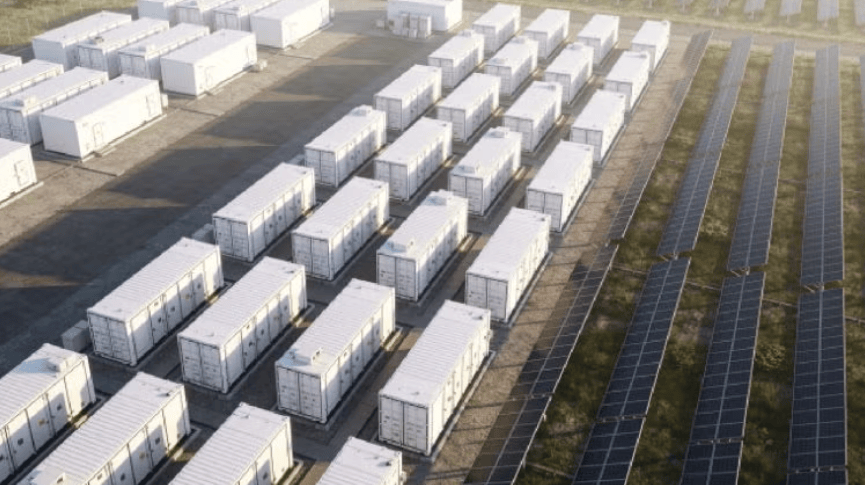
To achieve universal electricity access at demand level 2 by 2030, IRENA estimates that the four countries will collectively require approximately 2.25 GWh of battery storage, comprising 1.59 GWh in Nigeria, 367 MWh in Burkina Faso, 220 MWh in Mali, and 75 MWh in Senegal. Based on typical lithium iron phosphate technology available on the market (2.76 kWh/51.2 V), this total scale is equivalent to 815,217 battery units.
The report also introduces a "storage value" metric, defined as the difference in total discounted lifecycle costs between a solar PV-diesel hybrid mini-grid with battery storage and an equivalent system without battery storage (where flexibility comes entirely from diesel generators). Taking a typical community of approximately 500 residents as an example, the discounted lifecycle value provided by storage is approximately USD 20,000.
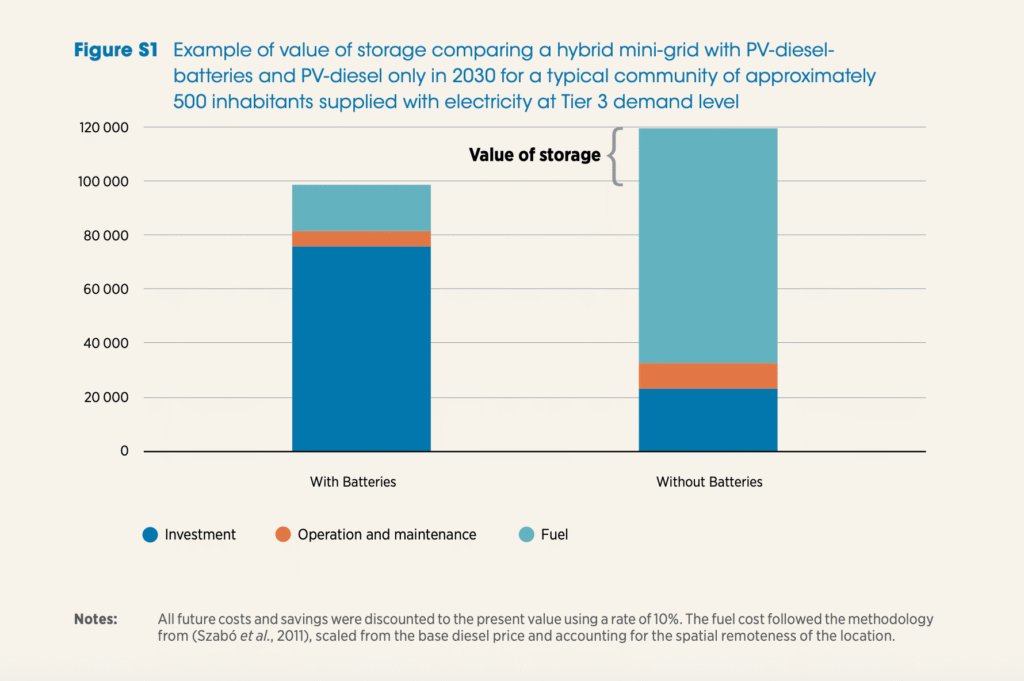
The report explains that battery-equipped systems require higher upfront investment, but the savings in diesel consumption are sufficient to offset this cost, thereby providing empirical evidence that integrating batteries can save costs.
IRENA also notes that achieving universal electricity access requires a pace of construction far exceeding the growth rates seen in recent years. Based on these findings, the report recommends integrating off-grid solutions into national electrification strategies, strengthening geospatial electrification planning, and mobilizing financing, business models, and risk mitigation mechanisms. The report also recommends that the four countries create an enabling environment for battery-equipped solar mini-grids, including developing technical skills, expanding certification programs, establishing safety standards, and promoting open metering systems as the market matures; additionally, they should develop local content policies based on their own resource conditions and gradually organize local production.
IRENA stated that the report is released during a period of multiple concurrent challenges: diesel price volatility, continued fossil fuel dependence, and the electricity access crisis constituting both a development emergency and a climate emergency. The report further notes that such challenges are more severe in landlocked countries, where transporting fuel overland from coastal ports adds additional costs per kWh of diesel-generated electricity and creates supply risks. In this context, battery storage can play a strategic role in strengthening energy security, reducing system costs, and accelerating the transition away from diesel dependence.
Related Products
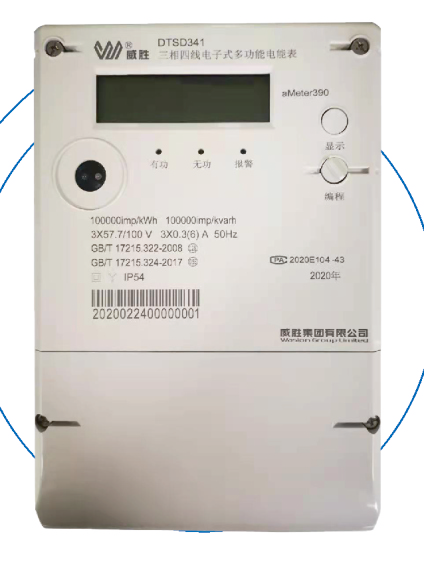

Overseas IEC Gateway Energy Meter - DTSD341/DSSD331-aMeter390
Wasion Group Limited Co., Ltd.
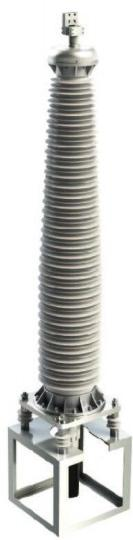
220kV Composite Outdoor Cable Terminal
Shenyang Guolian Cable Accessories Manufacture Co., Ltd.
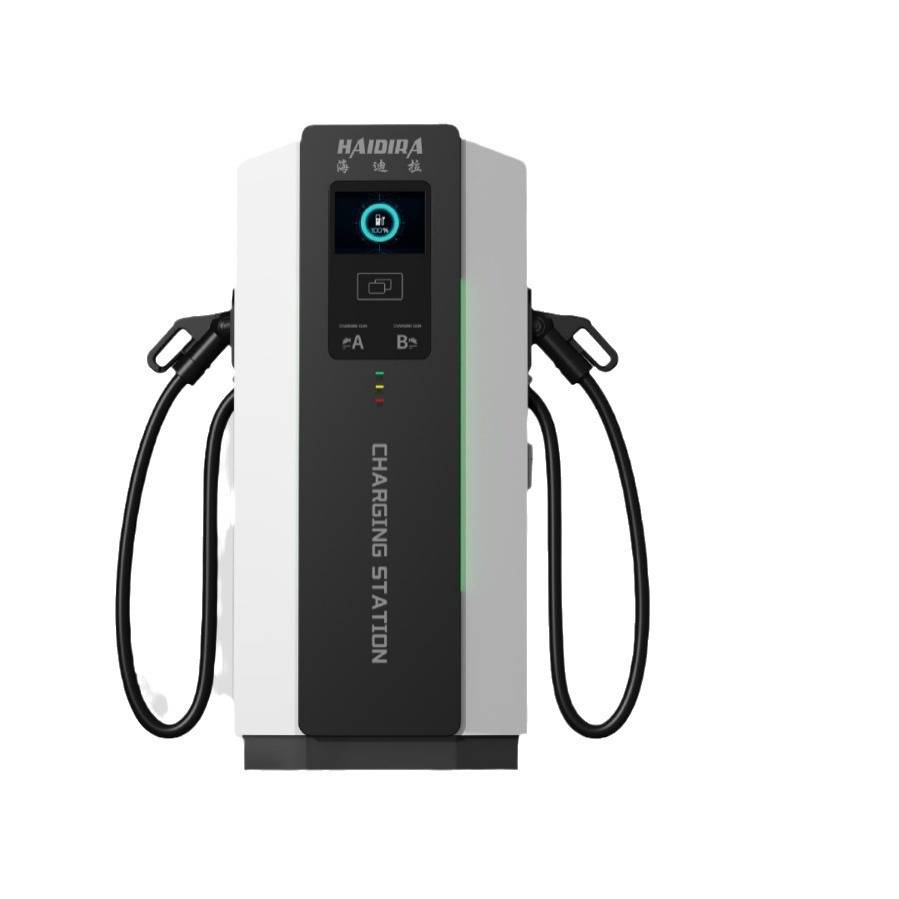
Manufacturer Direct Sales Tesla New Energy Electric Vehicle Universal DC 180kW Dual-gun Charging Pile Commercial Fast Charger
Anhui Haidira Electric Technology Co., Ltd.
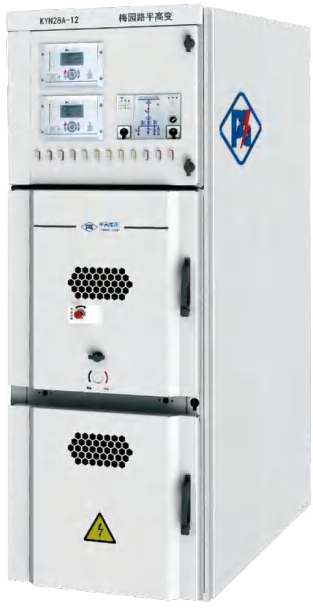
KYN28A-12 Metal Armored Removable Switchgear
Tianjin Ping Gao Intelligent Electric Co., Ltd.