Goldman Sachs: Oil Prices at Risk of Rising to $120 if Middle East Shipping Attacks Escalate
en.Wedoany.com Reported - On September 7, Daan Struyven, co-head of Global Commodities Research at Goldman Sachs, stated that if attacks on shipping vessels in the Middle East expand and intensify further, international oil prices could rise to as high as $120 per barrel. This price represents Goldman Sachs' upside scenario for a worsening supply disruption, rather than its baseline oil price forecast. Conversely, if crude oil exports from the Middle East return to normal, Goldman Sachs projects another scenario at approximately $80 per barrel.
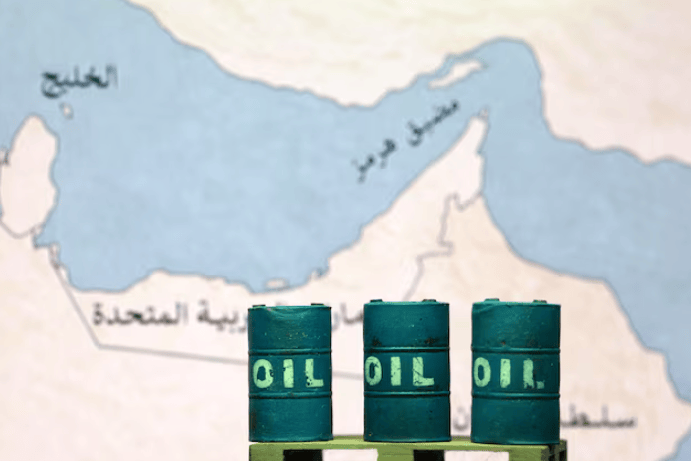
Goldman Sachs' assessment primarily targets the risk of further disruption to Middle East crude oil transportation. Recently, the conflict between the United States and Iran over the Strait of Hormuz has escalated again, with both sides launching strikes on related vessels. Kpler data shows that over the past 10 days through September 6, only about 10 commodity carriers passed through the Strait of Hormuz on average per day, the lowest level since May; only 2 vessels passed on September 5, and 6 on September 6. During the same period, the passage of large crude oil tankers was also significantly constrained.
On September 7, Brent crude oil prices briefly rose to around $98 per barrel, while West Texas Intermediate crude oil prices climbed to approximately $93 per barrel, with both hovering near six-week highs. Goldman Sachs believes that if the scope of maritime transport disruptions continues to expand, the crude oil supply shock could push prices even higher; however, if regional exports gradually recover, oil prices have room to fall back toward $80 per barrel.
Goldman Sachs also believes that the impact of this round of Middle East supply disruptions on natural gas and refined products could be more pronounced than on crude oil, and therefore recommends hedging geopolitical risks through global natural gas and diesel products. Struyven noted that China could play a buffering role by adjusting crude oil imports in a high-oil-price environment, but natural gas and refined product markets lack demand adjustment mechanisms of a comparable magnitude.
The core premise of this $120 per barrel scenario is not merely regional tensions, but rather the continued expansion of attacks on commercial shipping resulting in more severe crude oil transport disruptions. Under the current scenario, Goldman Sachs' oil price range effectively forms a two-sided risk band of approximately $80–120 per barrel: one end corresponding to the normalization of regional exports, and the other corresponding to further deterioration of shipping disruptions.
Related Products




YE3 Series Low Voltage High Power Three-Phase Asynchronous Motor
Shandong Lijiu Electrical Machinery Co., Ltd.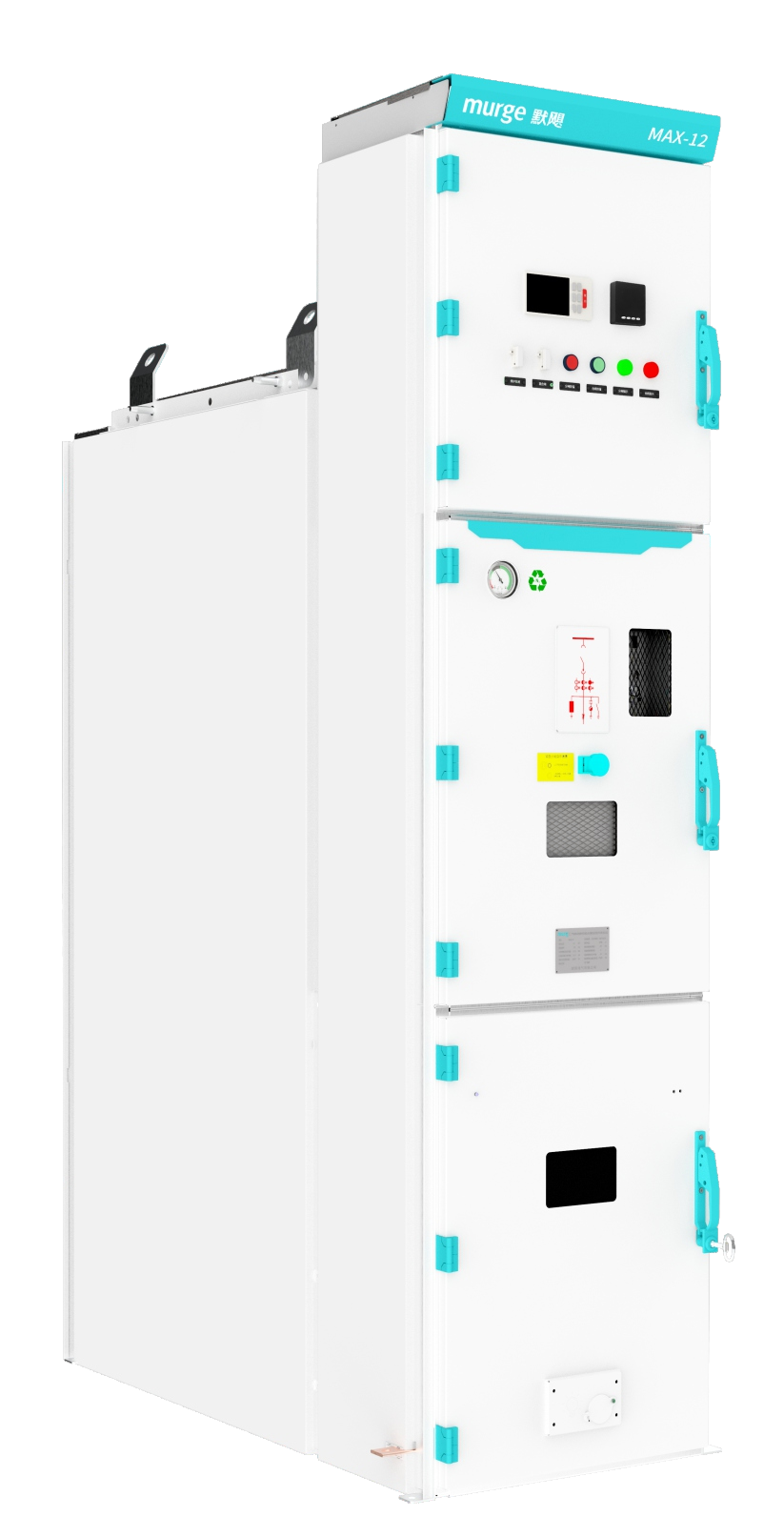
MAX-12 series Environmental Protection/SF6 gas insulated switchgear (C-GIS)
Murge Electric Co.,Ltd.


1000kV Jin Southeast-Nanyang-Jingmen UHV AC Transmission and Transformation Pilot Demonstration Project
Anhui Hongyuan Steel Tower Co., Ltd.