Europe's LIGHTWIND Completes First Round of Testing for Drivetrains of Wind Turbines Above 15MW
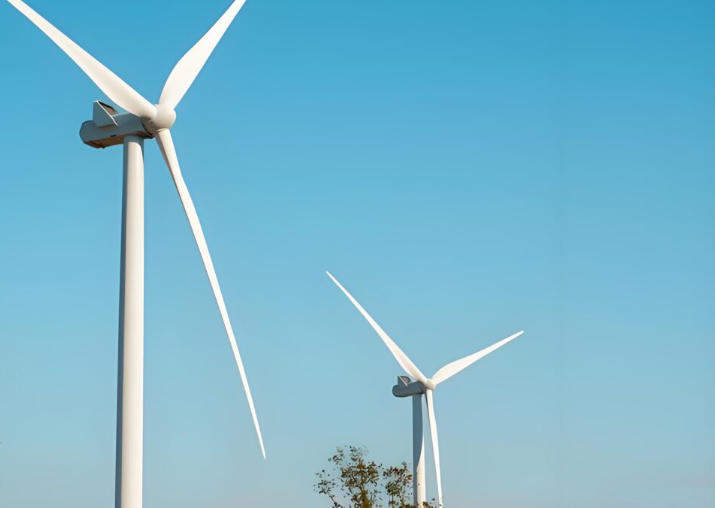
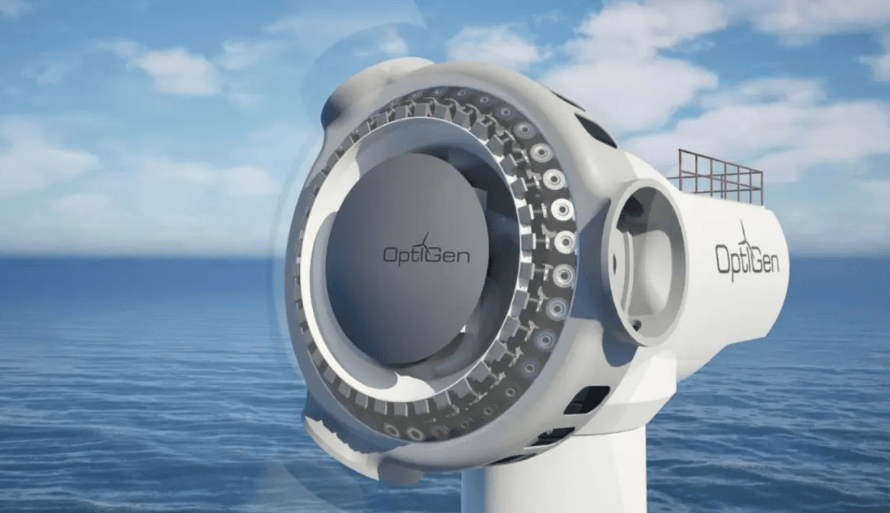
en.Wedoany.com Reported - On September 14, the European LIGHTWIND project announced the completion of the first round of testing for a new modular wind power drivetrain. The system is being developed for offshore wind turbines above 15MW and adopts the OptiGen modular drivetrain architecture, replacing the traditional large main bearing with a wheel-rail support system arranged close to the generator air gap. The goal is to reduce the weight of the drivetrain system for large-capacity wind turbines and simplify offshore maintenance.
The LIGHTWIND project involves eight European institutions and companies, including TNO of the Netherlands, Fraunhofer IWES of Germany, DIS/CREADIS of Denmark, HCMR of Greece, MarinRes of Norway, as well as Euro-Funding, X1 Wind, and OptiGen of Spain. The project focuses on addressing the continuously rising issues of nacelle structural dimensions, component weight, loads, and maintenance costs as offshore wind turbines develop toward larger sizes above 15MW.
The first round of testing was based on the design of the IEA Wind 15MW reference wind turbine. The project team first identified the key components in the drivetrain most significantly affected by fatigue loads, and analyzed the loads, contact conditions, and material compatibility of the wheel-rail system under different operating conditions. The team then built a dedicated test rig and used accelerated loading to simulate equivalent operating conditions to verify the durability of the wheel-rail structure.
The Fraunhofer IWES test facility in Hamburg also used the Beat 1.1 six-degree-of-freedom test platform developed by IDOM to test the mechanical response of the drivetrain under complex dynamic loads. The project team stated that the first-round results were generally positive, and adjustments to the structure and components are currently being made based on the test data, after which the second phase of verification will begin.
LIGHTWIND's modular design is also optimized to address the maintenance challenges of large offshore wind turbines. When key components of traditional large drivetrains fail, large lifting equipment is often required, and even the entire nacelle may need to be disassembled. The OptiGen solution plans to use independently replaceable modular components so that some maintenance work can be carried out directly inside the wind turbine, reducing the need to disassemble the entire drivetrain system and send it back to the factory for repair. The project website also states that the technology is especially aimed at floating offshore wind scenarios, because lighter nacelles and drivetrains can reduce the structural and material burden on floating foundations.
The first round of testing and subsequent optimization will advance the technology to TRL 4, meaning concept validation completed in a relevant environment. The project will subsequently design a 22MW-class OptiGen drivetrain and evaluate the technical feasibility of further scaling the architecture to 30MW wind turbines.
Related Products

Oil-immersed Amorphous Alloy Core Distribution Transformer
Pinggao Group Smart Electric Co., Ltd.
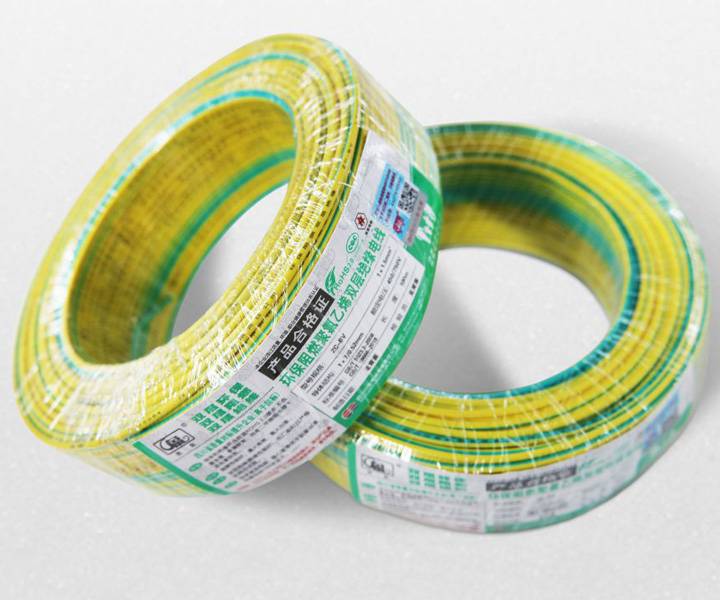
Environmentally Friendly Flame-retardant PVC Double-layer Insulated Wire
Sichuan Chndo Cable Co., Ltd.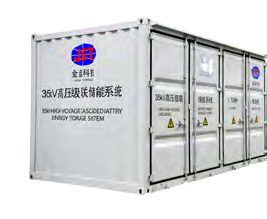
6kV-35kV Medium and High Voltage Direct-Connected Energy Storage System
Hainan Jinpan Smart Technology Co., Ltd.
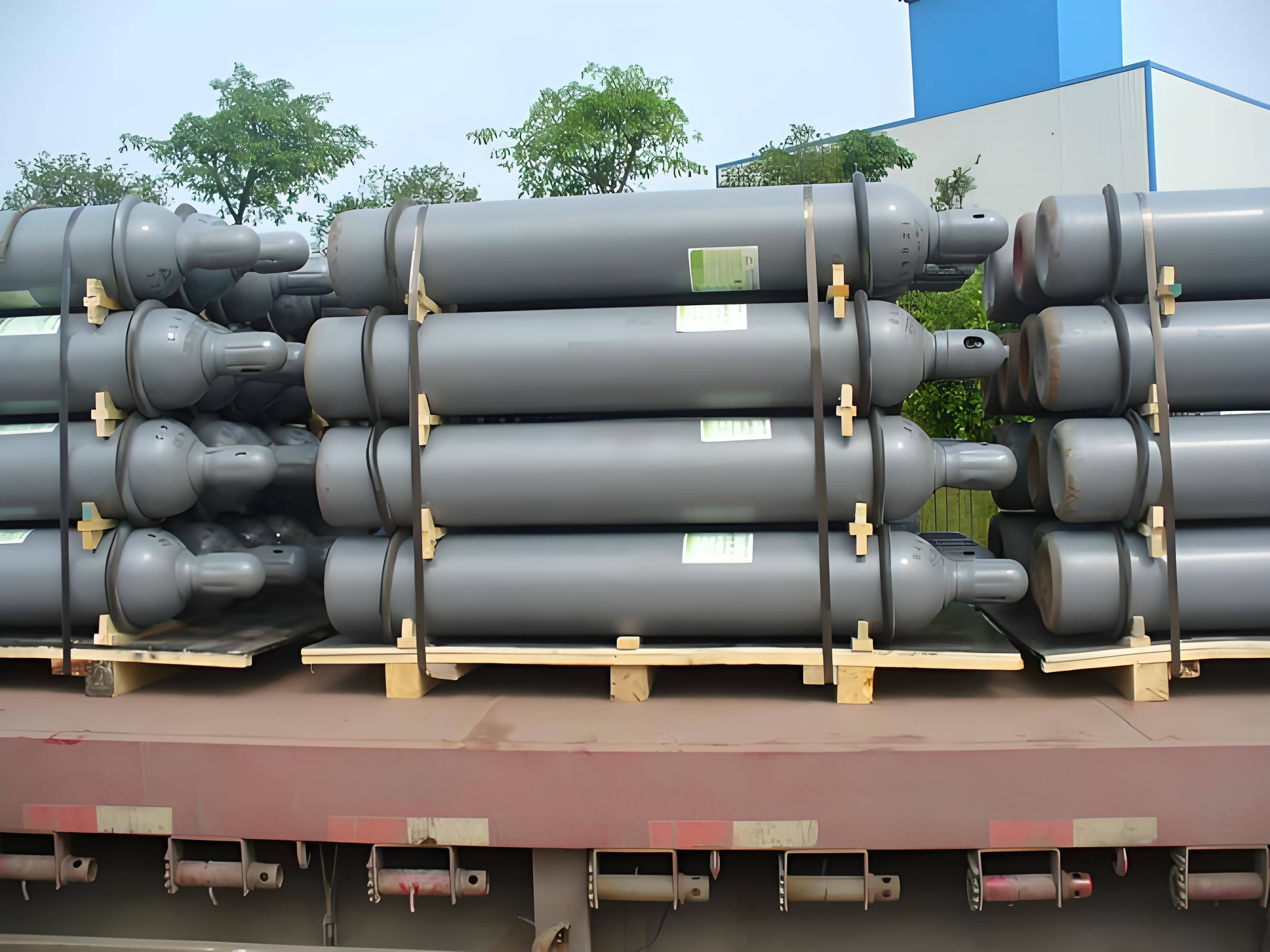
Global Sulfur Hexafluoride Gas Supply and Cylinder Export
Foshan Yuexin Industrial Gas Co., Ltd.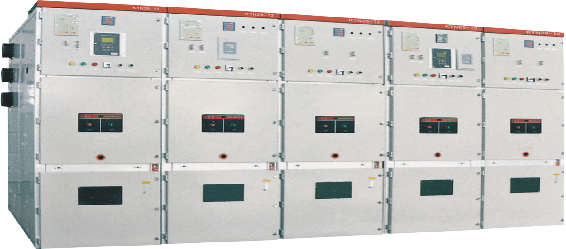
KYN28-12/24 Indoor High-Voltage Metal-Clad Removable Switchgear
Shenzhen Zhaoyang Hui Technology Co., Ltd.