SpaceX Starship's 14th test flight scheduled for September 22, aiming for first orbital insertion
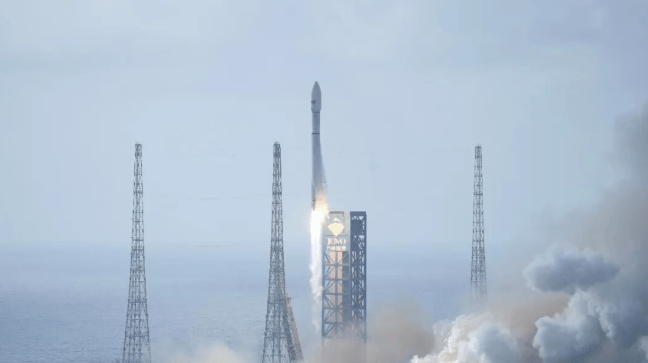
en.Wedoany.com Reported - On September 15, SpaceX announced the plan for Starship's 14th flight test, targeting a launch no earlier than September 22 from Launch Pad 2 at Starbase in Texas, USA, subject to final regulatory approval. This mission will attempt for the first time to send the Starship upper stage into a stable Earth orbit, with a planned flight altitude of approximately 275 kilometers, about 6 orbits around the Earth, and a mission duration of nearly 10 hours. The launch window opens at 7:15 a.m. local time on September 22 and lasts 75 minutes.
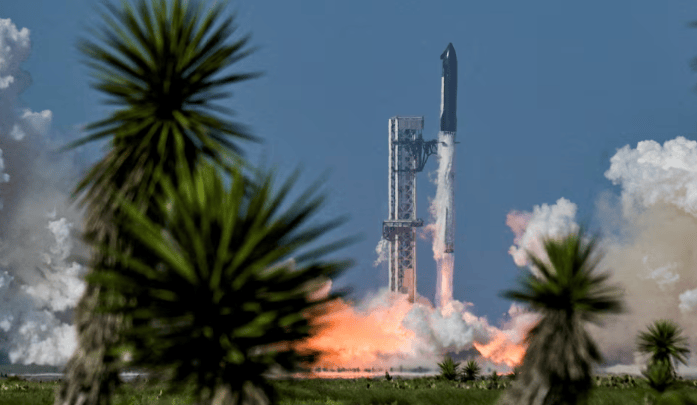
This Flight 14 uses Starship V3, consisting of Booster 21 and Ship 41. According to the mission plan, after liftoff the Super Heavy booster will complete stage separation, a return burn, and a landing burn test, and is planned to perform a controlled splashdown at sea, with no tower catch scheduled. The Starship upper stage will, after completing orbital insertion, continue with payload deployment, in-orbit engine operations, and finally the deorbit procedure.
This mission plans to carry 26 Starlink V3 satellites into orbit. After Starship completes orbital insertion, it will deploy the satellites and then remain in orbit for approximately 6 orbits. SpaceX also plans to use one Raptor engine to perform a deorbit burn at the end of the mission, after which Starship will re-enter the atmosphere and finally perform a controlled splashdown in the Pacific Ocean west of Chile. The mission team will only proceed with the first official orbital insertion after confirming that the critical hardware required for the subsequent deorbit burn has sufficient redundancy.
The 26 Starlink V3 satellites are part of SpaceX's next-generation broadband satellite constellation. Mission materials indicate that each V3 satellite is planned to add approximately 1 Tbps of constellation capacity, corresponding to approximately 26 Tbps of added capacity for this batch. After release, the satellites will deploy their antennas and solar arrays, establish connections with ground stations and the existing Starlink constellation via radio frequency and inter-satellite laser links, and then use their own propulsion systems to raise their orbits. Another 3 satellites are equipped with imaging devices to photograph and inspect Starship's heat shield system, providing data for evaluating the thermal protection status for subsequent Starship returns to the launch site.
Flight 14 represents a different mission tier compared with previous Starship tests. SpaceX completed Flight 12 in May 2026, which was the first flight of Starship V3 and the new version of Super Heavy; that mission still used a suborbital trajectory, and Starship performed a controlled splashdown in the Indian Ocean after releasing simulated payloads. Flight 13, conducted on July 24, continued with the suborbital approach and deployed Starlink V3 satellites for the first time. Flight 14 advances the test objectives to orbital insertion, official satellite orbital deployment, and deorbit burn.
SpaceX previously disclosed that Starship V3 is designed for a fully reusable configuration, with a target payload capacity to low Earth orbit of approximately 100 tons. In the company's 2026 public offering documents, "beginning to deliver payloads to orbit using Starship in the second half of 2026" has been included in its plans, and the first orbital mission that Flight 14 intends to carry out corresponds to this phase milestone.
This flight remains subject to regulatory licensing by the U.S. Federal Aviation Administration. The FAA administers vehicle operator licenses for Starship/Super Heavy commercial launch and reentry activities, with reviews covering matters including public safety, payloads, insurance, national security, and environmental impact. The September 22 date announced by SpaceX is currently still an "earliest launch date," and the final execution time depends on regulatory approval and pre-launch test status.