Spain's IMDEA Materials 3D prints low-loss metallic glass
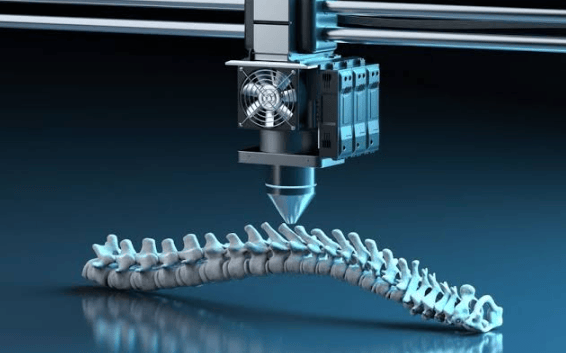
en.Wedoany.com Reported - On September 17, Spain's IMDEA Materials Institute announced the latest research results of the European AM2SoftMag project. The project team successfully fabricated fully amorphous iron-based metallic glass material using the laser powder bed fusion (LPBF) process, achieving a forming density of over 92% and reducing magnetic coercivity to 44 A/m, with the target application being soft magnetic components such as high-efficiency motor rotors and stators. The related research results have been published in Acta Materialia.
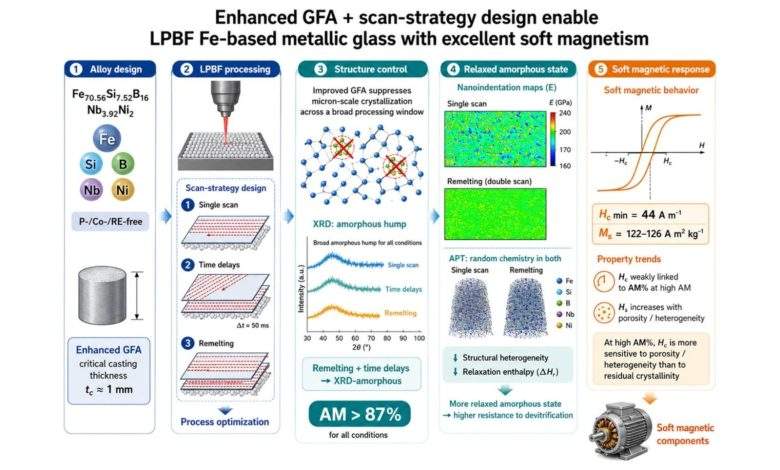
The new material was designed by a research team at Saarland University in Germany, with main components including iron, silicon, boron, niobium, and nickel, and containing no cobalt or rare earth elements. The key feature of the material is its improved resistance to devitrification, allowing it to form a critical thickness of up to approximately 1 millimeter without crystallization, about 10 times that of existing commercial materials of the same type.
IMDEA Materials' sustainable metallurgy team was responsible for optimizing the LPBF manufacturing parameters. The researchers adopted a dual-laser scanning strategy and set controlled time intervals between consecutive scans to reduce the risk of crystallization caused by repeated heating and cooling during the additive manufacturing process. The final fabricated samples maintained a fully amorphous structure while achieving a material density of over 92%.
The research team also verified the material structure through X-ray diffraction, electron microscopy, and atom probe tomography. Test results showed that the chemical elements were randomly distributed within the material without forming an obvious crystalline structure, providing a structural basis for maintaining soft magnetic properties. The coercivity of 44 A/m achieved in this study is one of the lower measured levels for this type of 3D-printed iron-based metallic glass.
When iron-based metallic glass is used in motors, it mainly targets eddy current losses and hysteresis losses in core materials. During conventional LPBF processing, repeated thermal cycling from multiple laser layers can easily cause the metallic glass to crystallize, weakening its soft magnetic properties. This study, by simultaneously adjusting the alloy formulation and the printing process, enables soft magnetic components with complex shapes to maintain an amorphous structure after additive manufacturing.
The AM2SoftMag project is funded by the European Innovation Council through the HORIZON-EIC-2021-PATHFINDEROPEN-01 program, with project number 101046870. Participating institutions include Saarland University, IMDEA Materials, the Italian National Institute of Metrological Research, and Technische Universität Berlin. The next phase of the project will focus on reducing internal defects in 3D-printed parts, expanding manufacturing dimensions and process scale, and producing prototypes of high-efficiency motor rotors and stators from the new material for performance validation.
Related Products
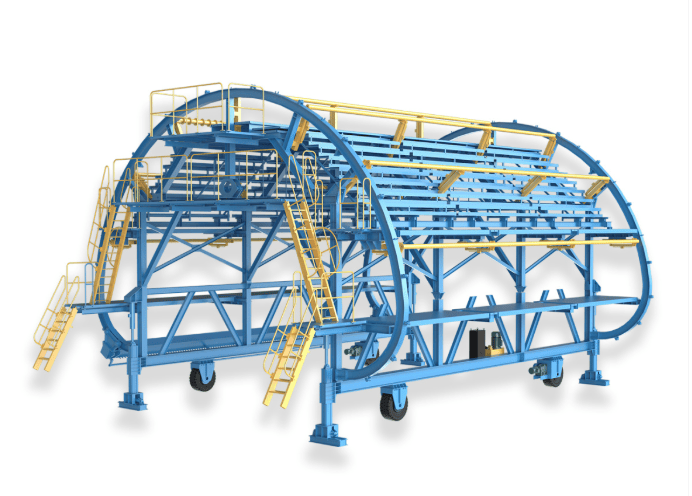

QLZNGJ Intelligent Steel Reinforcement Trolley
Luoyang China Railway Qiangli Machinery Co., Ltd.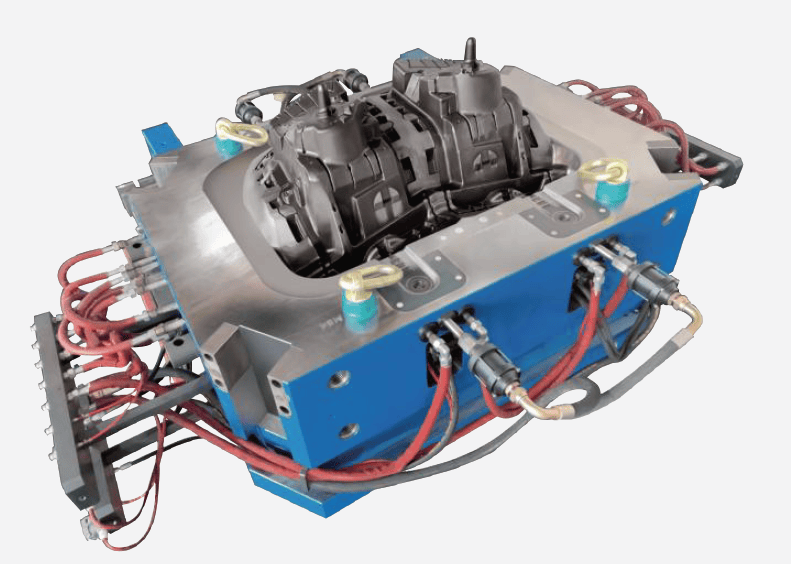
Aluminum-Magnesium Alloy High-Pressure Die-Casting Molds
NINGBO HELI TECHNOLOGY CO., LTD.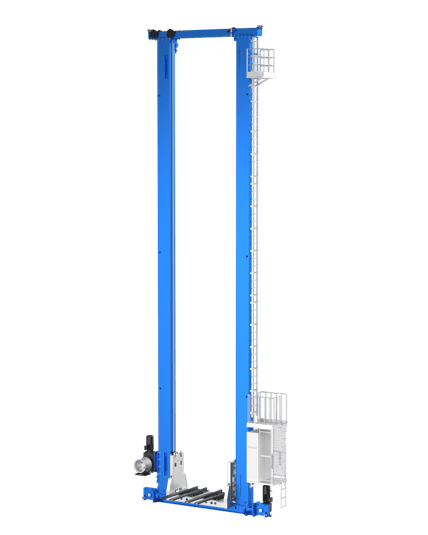
Pallet Solutions Product Line: HD3000 Double-Column Stacker Crane
Zhongding Intelligent (Wuxi) Technology Co., Ltd.

Industrial and Commercial Point-Type Gas Detector
Jinan Benan Technology Development Co., Ltd.
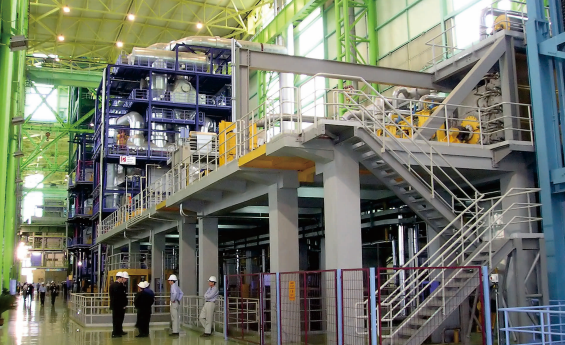
Strip Coating and Plating Production Line Equipment
MCC-SFRE HEAVY INDUSTRY EQUIPMENT CO., LTD.
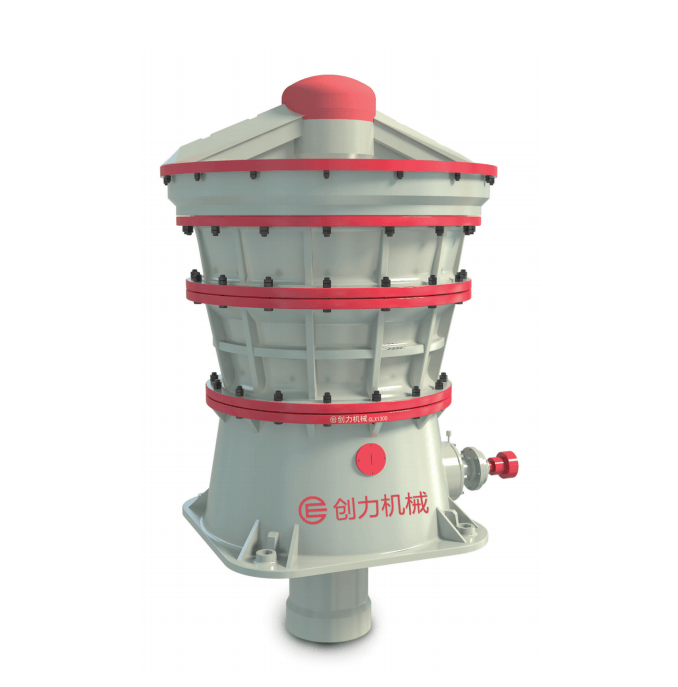
CLX Series Intelligent Hydraulic Gyratory Crusher
Guangdong CHUANGLI intelligent machinery Equipment Co., LTD