Gazelle Completes Typhoon Condition Testing for 18MW-Class Floating Wind Platform
en.Wedoany.com Reported - On September 21, Gazelle Wind Power announced the completion of the design and testing of a new-generation floating offshore wind platform of 18MW and above. The solution is being advanced in cooperation with a large Asian utility company, with the target project located in a typhoon-prone sea area. The platform has completed simulations of normal operation and extreme survival conditions, with test conditions including a 50-year extreme wind speed of 59.8 m/s at a hub height of 155 meters, and a 50-year significant wave height of 14.2 meters.
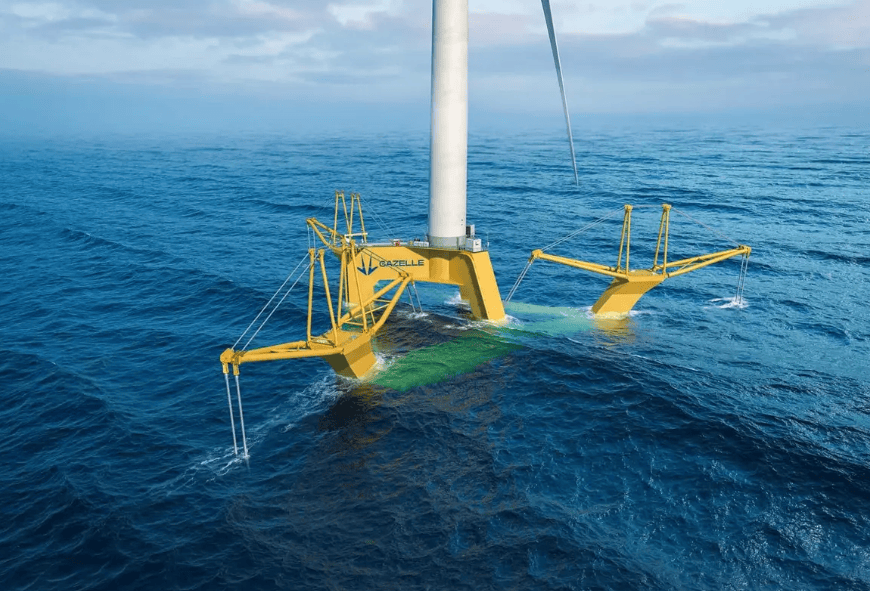
The new platform adopts a passive righting system composed of central ballast, three articulated mooring frames (AMF), and near-vertical mooring lines, achieving platform attitude control under wind, wave, and current loads without relying on an active ballast system. The latest configuration further introduces a tripod support structure and redesigns the AMF and hull geometry to improve hydrodynamic performance, mooring flexibility, and load distribution while reducing structural weight.
Simulation results show that under the above extreme sea conditions, the platform's roll and pitch angles remain within 5 degrees, and tower-top acceleration and tower-base loads remain within the project design standards. Gazelle has completed one round of basin model tests with the client and used physical test data to compare and calibrate the numerical model. The relevant results will proceed to the subsequent engineering design stage.
Gazelle has simultaneously completed a preliminary cost estimate for the platform. Compared with the standard semi-submersible platform benchmark adopted in this study, the new design is estimated to reduce capital expenditure by approximately 44% and levelized cost of electricity by approximately 52%. The change in cost composition mainly comes from reduced material usage in the structure and mooring system, a smaller platform footprint, modular steel structure manufacturing, and utilization of existing port infrastructure. The platform also supports towing back to port for maintenance, reducing dependence on specialized offshore construction vessels.
Gazelle has previously completed multiple rounds of floating platform validation. In 2021, its platform technology obtained a DNV feasibility statement; in 2022, basin model tests of the 10MW version were completed in Spain; and in 2023, the third-generation platform design was launched. The company is currently also advancing the 2MW Nau Azul floating wind demonstration project in the Aguçadoura sea area of Portugal, which has obtained a 10-year sea area use permit.
Related Products

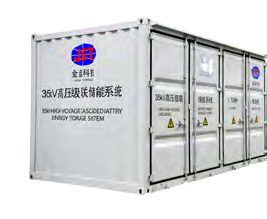
6kV-35kV Medium and High Voltage Direct-Connected Energy Storage System
Hainan Jinpan Smart Technology Co., Ltd.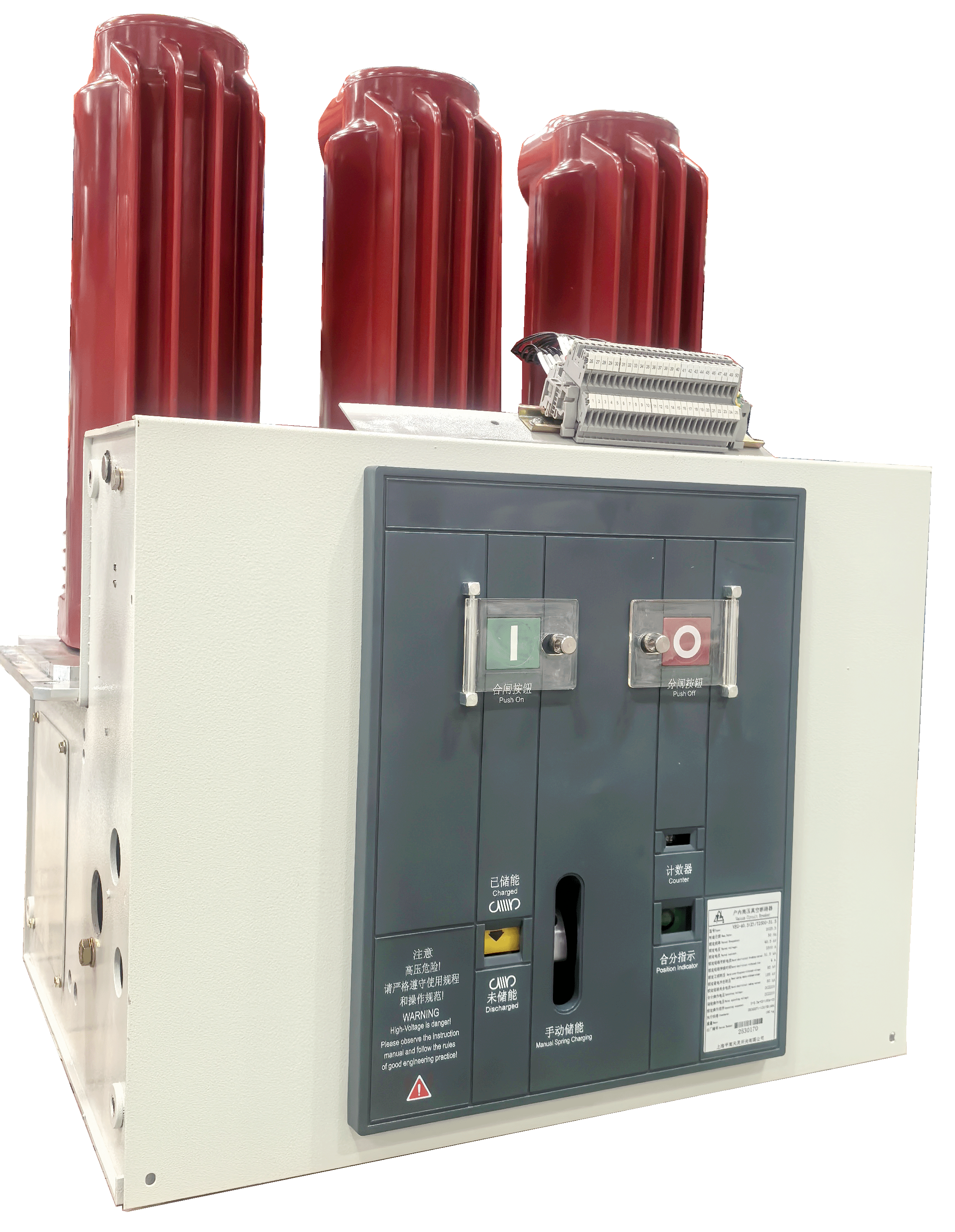
VEG-12/24/40.5 Series Vacuum Circuit Breaker
SHANGHAI PINGGAO TIANLING SWITCHGEAR CO., LTD.
Quick-Change Single-Seat Control Valve / Quick-Change High-Pressure Single-Seat Control Valve
Beijing Consen Automation Technology Co., Ltd.
YE3 Series Low Voltage High Power Three-Phase Asynchronous Motor
Shandong Lijiu Electrical Machinery Co., Ltd.
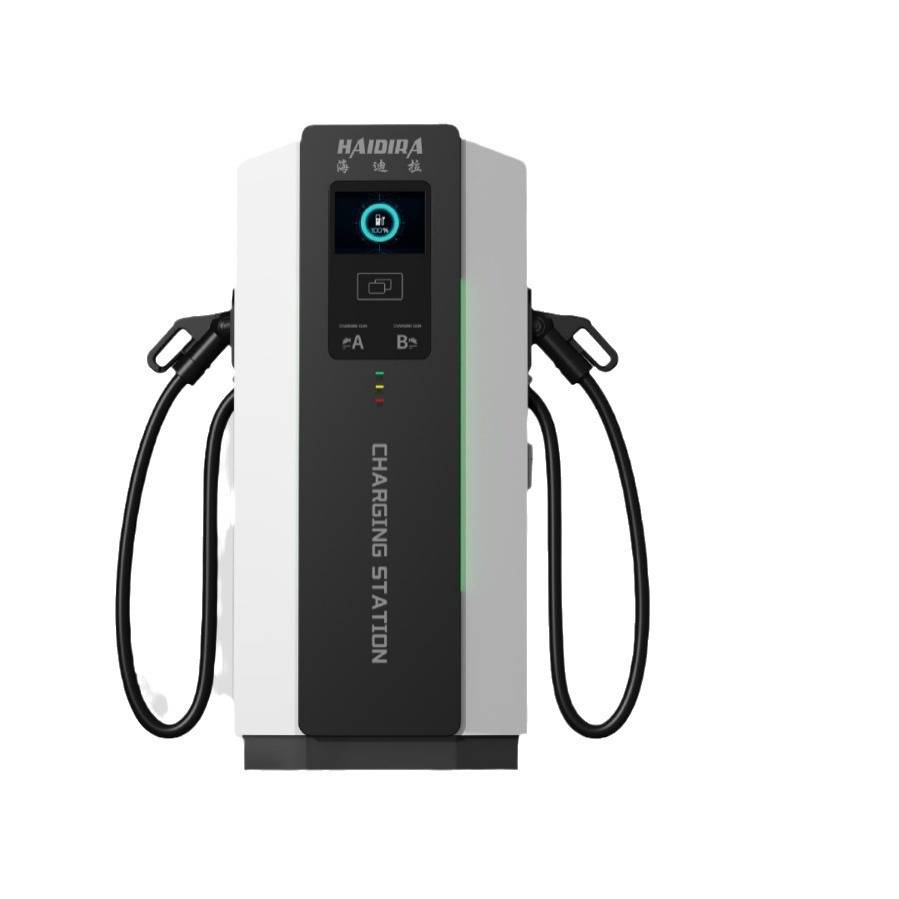
Manufacturer Direct Sales Tesla New Energy Electric Vehicle Universal DC 180kW Dual-gun Charging Pile Commercial Fast Charger
Anhui Haidira Electric Technology Co., Ltd.