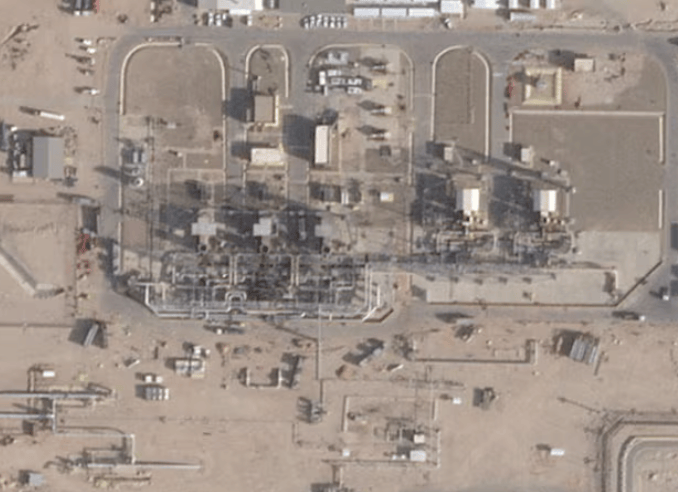
The Hormuz Crisis Is Reshaping the Global Tanker Shipping System
en.Wedoany.com Reported - Over the past few decades, global seaborne crude oil transport developed a highly mature operating logic: Middle Eastern crude was loaded onto VLCCs in the Persian Gulf, passed through the Strait of Hormuz, and sailed directly to China, India, Japan, South Korea, or Europe, with a single vessel completing one full transoceanic voyage. The Strait of Hormuz has long carried the world's most concentrated energy shipping traffic. According to the U.S. Energy Information Administration, approximately 20 million barrels per day of oil and petroleum products passed through the strait in 2024, equivalent to about 20% of global petroleum liquids consumption; in the first half of 2025, about 89% of the crude oil and condensate passing through the strait flowed to Asia, with China, India, Japan, and South Korea together accounting for 74%.
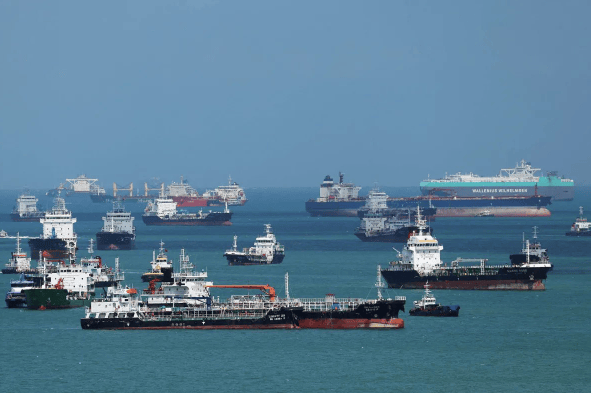
Entering 2026, this logistics system that had operated for decades came under sustained disruption. Since late February, large commercial vessel traffic through the Strait of Hormuz has fallen sharply. On September 21, ship-tracking data recorded only 2 commodity transport vessels passing through the strait, compared with a pre-escalation daily average of about 125 large commercial vessels. Some vessels sailed with AIS devices turned off, so public tracking data cannot cover all actual transits, but vessel density in the strait has clearly fallen well below normal levels.
A Barrel of Middle Eastern Crude Now Requires Two Tankers to Transport
To continue delivering Persian Gulf crude to international markets, a new transport structure expanded rapidly: crude is first loaded in the Persian Gulf onto tankers undertaking the high-risk leg, transits the Strait of Hormuz to the Gulf of Oman; then ship-to-ship (STS) transfer is conducted off the coast of Oman, and the cargo is loaded onto another VLCC for the long-haul voyage to Asia or Europe.
This model splits what was originally one complete route into three segments: "strait shuttle + offshore transfer + ocean transport." Where a single VLCC could previously sail directly from ports such as Ras Tanura to Asia, the same batch of crude now requires at least two vessels, plus additional vessel berthing, hose connection, oil transfer, vessel positioning, and waiting windows. In September, STS crude transfer volumes in the Gulf of Oman were estimated at about 2.5 million barrels per day, up from 1.4 million barrels per day in August; the transfer scale in August had at one point reached even higher levels.
The number of vessels has not increased in tandem, yet transporting the same volume of crude requires more vessels and more vessel-days. This has created a rare situation in the global tanker market: the actual volume of seaborne crude has declined, yet tankers have become tighter.
Vortexa statistics show that during the Hormuz crisis, global VLCC crude export loadings averaged about 16.3 million barrels per day, a year-on-year decrease of 6.1 million barrels per day, or 27%; over the same period, Suezmax loadings were essentially flat, while Aframax and smaller tanker loadings actually increased by about 1.5 million barrels per day. The decline in VLCC transport volumes did not release enough vessels, precisely because Gulf of Oman STS, strait shuttle runs, and other diversion arrangements absorbed a large amount of effective capacity.
The Tanker Market Begins Repricing by "Risk Segment"
Changes in transport structure are directly reflected in the charter market.
In early September, VLCC equivalent daily earnings on the Middle East Gulf-to-China route reached about $760,000, a historic high; VLCC daily earnings on the Oman-to-China route reached about $358,000. By late September, quotes for some Gulf-to-Asia voyages rose further to extremely high levels, and the market at one point saw extremely tight VLCC spot supply.
U.S. crude shipments to Asia were also affected. A VLCC carrying about 2 million barrels of crude from Houston, United States, to Asia currently costs about $52 million per voyage, equivalent to about $26 per barrel. Freight has shifted from an ancillary cost in crude oil trade to a key variable determining whether a cargo can be concluded.
This change is spreading to routes far from the Middle East. Aframax single-voyage freight from Venezuela to the U.S. Gulf Coast has risen from about $1.35 million earlier this year to $3.5 million. Shipping bottlenecks are transmitting the risk of the Strait of Hormuz through global vessel deployment to the Atlantic, the Caribbean, West Africa, and the Americas crude oil trade.
VLCCs Are Insufficient, and Aframax and Suezmax Begin Carrying Cargoes They Were Not Originally Meant For
Under normal conditions, a transcontinental crude shipment of about 2 million barrels is naturally suited to a VLCC. The larger the vessel, the lower the per-barrel transport cost.
Now some refineries have begun to change this economic model. Asian buyers are loading some U.S. crude onto Aframax vessels of about 700,000-barrel class instead of waiting for large VLCCs; some Atlantic crude cargoes that could originally have been completed by one VLCC are split into two Suezmax shipments of about 1 million-barrel class.
The result is that the same volume of crude occupies more vessels.
Tightness in the VLCC market continues to transmit to Suezmax and Aframax. In early September, the global Suezmax freight rate index had reached about 2.7 times the level of a year earlier, Aframax about 2 times, while the VLCC index reached about 7.1 times. The originally relatively clear division of labor among vessel types is beginning to be rearranged by transport security, vessel availability, and spot freight rates.
Asian Refineries Begin Recalculating "How Far They Are From the Oil Source"
Hormuz crude has long been highly dependent on the Asian market. The distance advantage from the Middle East to Northeast Asia and South Asia has enabled Saudi Arabia, the UAE, Iraq, Kuwait, and Qatar to form a massive Asian energy supply chain.
After freight rates rose, refinery procurement models added a variable whose weight is rising rapidly—ton-miles.
Japanese refineries have already begun purchasing closer Alaskan crude, even though these crudes are not the ideal conventional feedstock for all refineries; U.S. crude shipments to Asia have declined, and some Angolan crude also faces a more difficult Asian sales environment due to higher long-distance transport costs.
Refineries will not compare only FOB crude prices. Delivered costs are now simultaneously affected by vessel type, voyage distance, strait risk, STS costs, and vessel waiting time. A barrel of crude that is cheaper in price but requires an additional 5,000–10,000 nautical miles of transport may ultimately have a higher delivered cost than nearby supply.
Global crude oil trade has thus begun to re-reflect the value of geographical distance.
Europe's Problem Is the Opposite of Asia's: Nearby Crude Has Become More Expensive
Asia needs to bear long-distance transport costs, while European refineries face intensified competition for nearby crude.
In mid-September, Brent futures were once around $110 per barrel, while European physical Dated Brent rose above $130 per barrel. European refineries concentrated on competing for North Sea, West African, Mediterranean, and other supplies that do not need to pass through Hormuz, turning nearby crude's logistical advantage into a price premium.
During the period when some Saudi Red Sea exports were affected, this tightness was further amplified. On September 22, Saudi Arabia restarted the East-West Pipeline, transporting crude from eastern production areas to the Red Sea port of Yanbu. The pipeline normally has a capacity of about 7 million barrels per day and is currently resuming operation, with full restoration expected to take several more weeks.
Competition for Middle Eastern crude has extended to "which port it leaves from." Ras Tanura corresponds to the Hormuz route, Yanbu to the Red Sea route, and the Gulf of Oman to the STS transfer node. A trade structure that was previously determined mainly by crude grade, price, and contracts is now simultaneously constrained by export port and transport route.
The Value of Tanker Assets Is Shifting From Deadweight Tonnage to "Available Vessel Positions"
The global large tanker fleet is essentially fixed in the short term. New VLCCs typically take years from order to delivery and cannot resolve a sudden capacity gap within a few months.
Therefore, what is truly scarce is no longer just a vessel, but a vessel appearing in the right sea area at the right time.
If a VLCC is used for Hormuz shuttle runs and Gulf of Oman STS, it cannot undertake West Africa–China or U.S. Gulf–Asia voyages; if a vessel diverts, waits for escort, or queues at an STS anchorage, its nominal capacity still exists, but the effective capacity actually available to the market has declined.
This "loss of capacity efficiency" explains why global crude export volumes have declined while tanker prices have been able to rise sharply at the same time.
Oman Is Transforming From a Shipping Lane Node Into a Global Crude Transfer Node
The Gulf of Oman was previously mainly a navigation area before and after entering the Strait of Hormuz, and is now taking on an increasingly obvious energy transshipment function.
Increased STS activity requires anchorages, pilotage, tugs, supply vessels, anti-pollution equipment, hoses, maritime services, ship agency, and oil quality management capabilities. Large numbers of VLCCs completing large crude cargo transfers at sea also place higher demands on maritime safety and environmental protection.
A new set of offshore logistics infrastructure is thus forming: Persian Gulf loading ports handle production and loading, strait shuttle vessels handle high-risk transport, waters near Oman handle cargo exchange, and ocean-going VLCCs complete international transport.
This system can sustain part of exports, but at the cost of more vessels, longer time, and higher costs.
Beyond Hormuz, Global Energy Transport Begins Rebuilding a "Second Export Corridor"
Adjustments in the maritime system have already become connected with onshore energy infrastructure.
Saudi Arabia's East-West Pipeline can transport crude from eastern oil fields to Yanbu on the Red Sea; Iraq is using the Kirkuk–Ceyhan pipeline and some road transport to divert pressure from southern exports; the importance of other onshore pipelines and alternative export ports in the region has also risen accordingly.
For oil-producing countries, future energy export systems may require more designs with "two export directions": one facing the Persian Gulf, and one able to bypass Hormuz. The importance of pipelines, storage tanks, Red Sea ports, Gulf of Oman ports, and large crude transfer facilities has risen simultaneously.
Such investment cycles are far longer than changes in the charter market. Oil pipelines, VLCC terminals, large storage tanks, and port expansions all require years of construction, so the transport disruptions of 2026 may continue to affect subsequent port, shipping, and energy infrastructure capital expenditure.
The Global Tanker Market Is Forming a New Transport Cost Structure
The Strait of Hormuz still currently carries a large volume of energy transport, but "oil flows reappearing in the strait" does not mean the traditional shipping system has recovered. Crude throughput rebounded somewhat in September, while the actual number of large commercial vessels transiting remained at an extremely low level, with large volumes of cargo completed through shuttle runs, STS, and special transport arrangements.
The changes that have formed so far have penetrated into the operational level of the tanker industry: a vessel's complete voyage is split into two legs; insufficient VLCC supply begins to squeeze Suezmax and Aframax; refineries shift from seeking the lowest crude price globally to simultaneously calculating voyage distance and vessel positions; the Gulf of Oman becomes a major offshore transfer node; onshore pipelines once again serve as secure energy export corridors; and effective tanker capacity replaces nominal fleet size as an important indicator determining freight rates.
If navigation conditions in Hormuz stabilize in the future, some extreme freight rates and STS demand may recede. But 2026 has already left the global energy supply chain with a very concrete asset allocation question: crude production capacity can be concentrated, but export capacity increasingly requires redundancy. For tankers, ports, pipelines, storage and transport facilities, and refinery procurement systems, this crisis is pushing "transport security" from an operational issue into a long-term capital allocation system.
Related Products

GW4-40.5/72.5/126/145/170/252/363/420 Series Double-column Horizontal Rotary High-voltage AC Disconnect Switch
SHANDONG TAIKAI DISCONNECTORS CO., LTD.

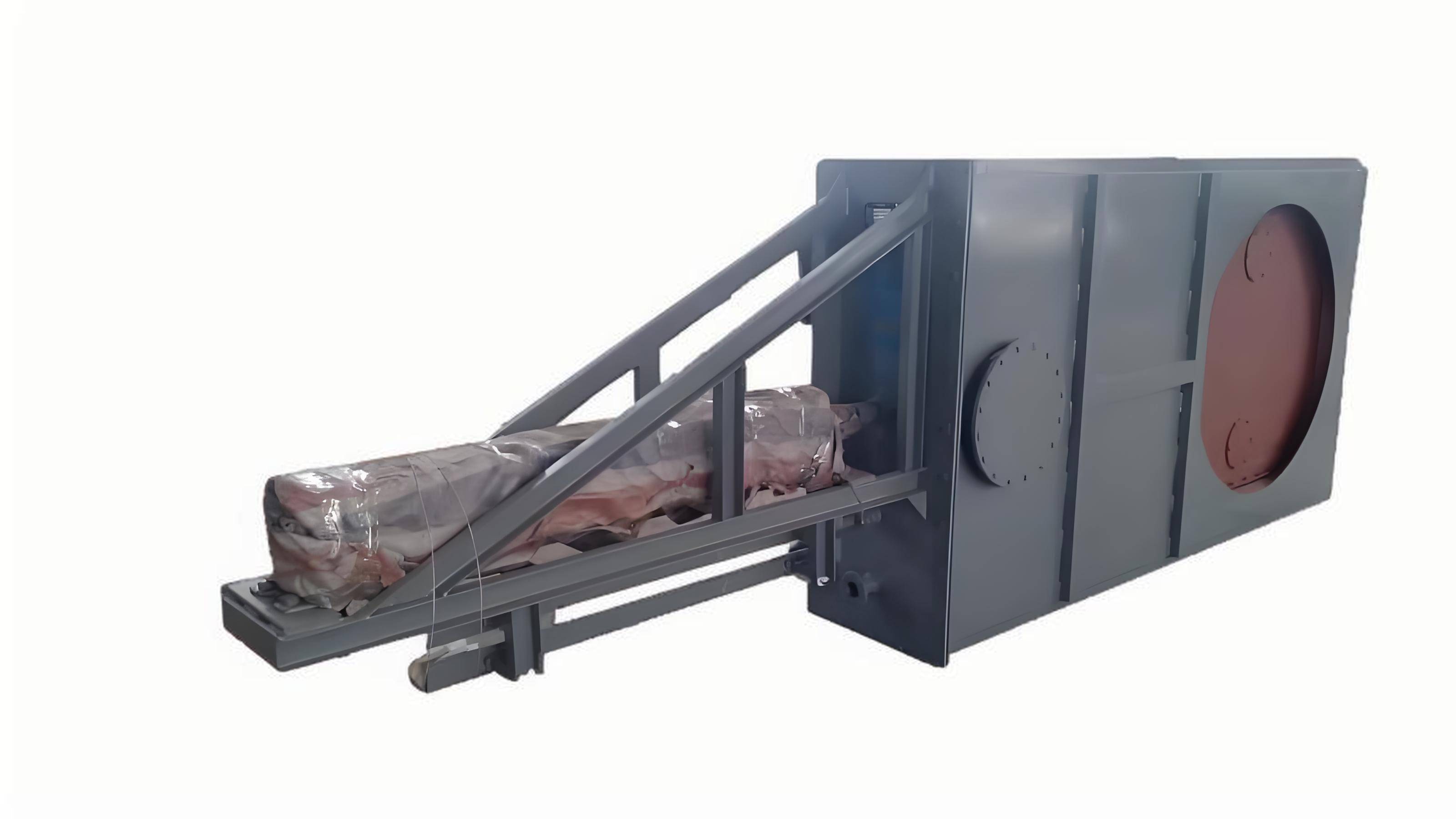
Double-slide Triple-sealed Hot Air Isolation Door
Xi'an Yingchuan Electric Power Equipment Co., Ltd.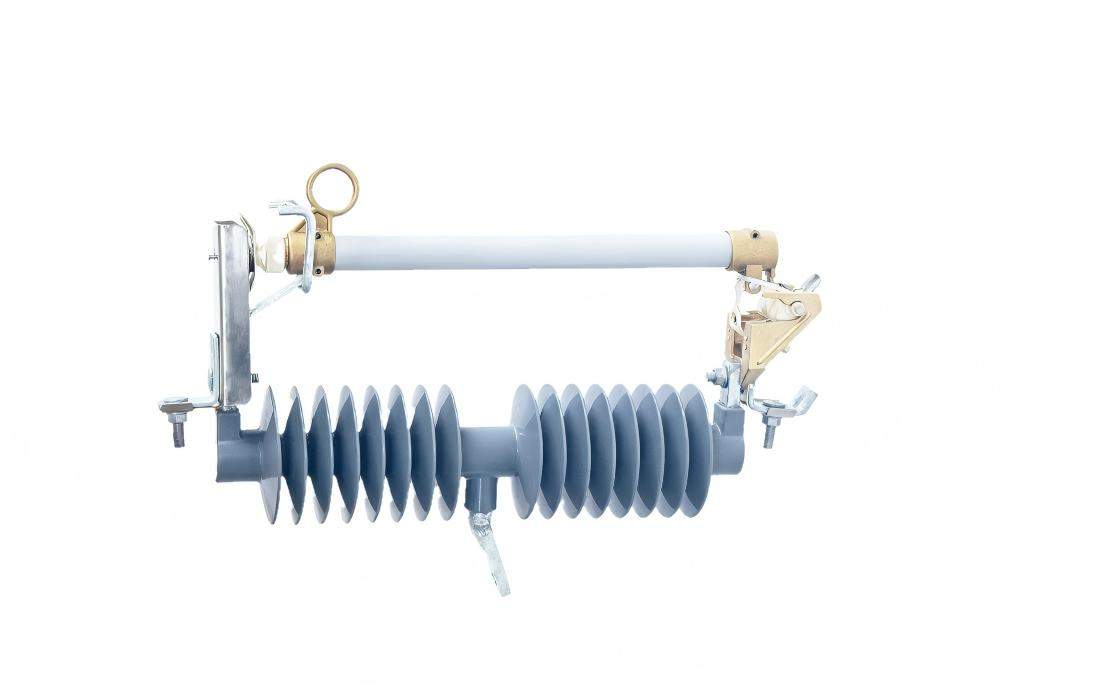

Prefabricated Houses and Electrical Energy Boxes
Chengdu Ruilong Machinery Manufacturing Co., Ltd.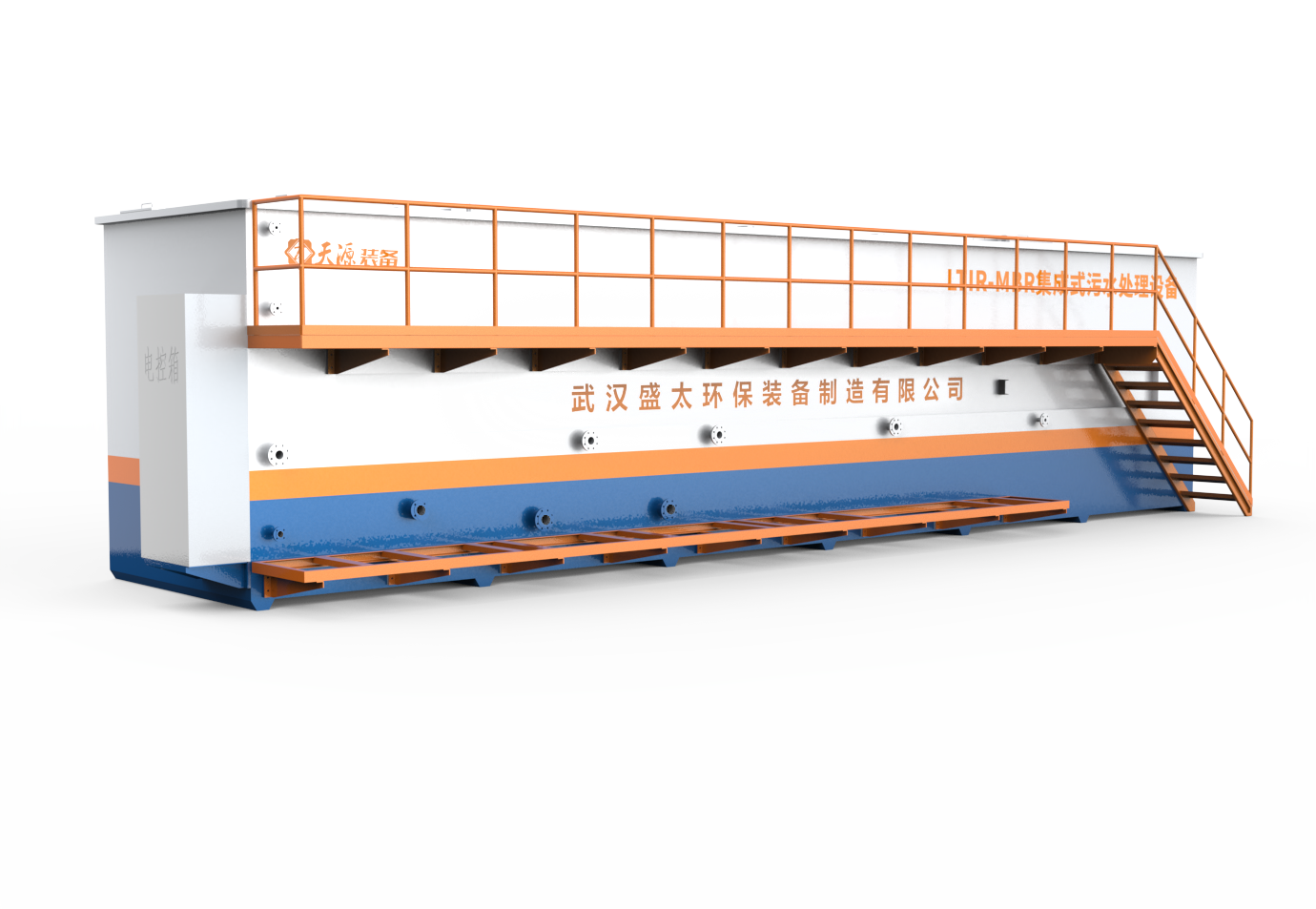
Quick-Change Single-Seat Control Valve / Quick-Change High-Pressure Single-Seat Control Valve
Beijing Consen Automation Technology Co., Ltd.