South China Regional Office Conducts Special Nuclear Safety Inspection on Extreme Weather Response at Fangchenggang Nuclear Power Plant
en.Wedoany.com Reported - Since 2026, extreme weather events have occurred frequently in the coastal area where Fangchenggang City, Guangxi Zhuang Autonomous Region, is located. During the passage of Typhoon Maysak in July, the maximum gust measured on site at the Fangchenggang Nuclear Power Plant reached Force 9, with cumulative rainfall during the event reaching as high as 424.2 mm; in August, affected by the peripheral circulation of Typhoon Zitan, the area once again experienced sustained heavy wind and rain, with localized cumulative rainfall exceeding 300 mm. In response to the severe climate situation characterized by the compounding and overlapping of strong typhoons and short-duration heavy rainfall, the South China Regional Office of Nuclear and Radiation Safety Inspection of the Ministry of Ecology and Environment (hereinafter referred to as the South China Regional Office) recently took the initiative to station personnel at the Fangchenggang Nuclear Power Plant and organized a routine on-site nuclear safety inspection for preventing the impacts of severe weather, urging the operating unit to comprehensively review and reinforce its defense-in-depth system.
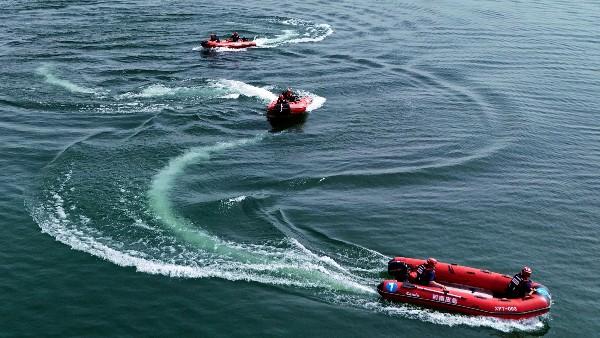
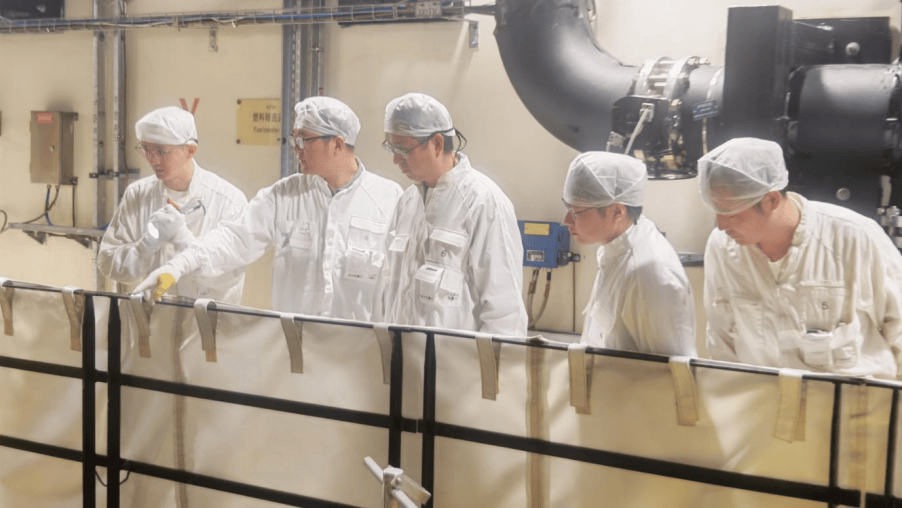
To ensure that the inspection combined technical depth with industry-wide reference value, the South China Regional Office specially invited authoritative experts in the fields of meteorology and hydrology and seconded experienced engineering professionals from other domestic nuclear power bases to jointly form a combined inspection team, conducting a comprehensive "diagnostic review" of the Fangchenggang Nuclear Power Plant's emergency plans for typhoon and flood prevention and its engineered physical defense barriers. The inspection team adopted multiple methods, including panel discussions, in-depth interviews with personnel at their posts, penetrative spot checks of overhaul and routine maintenance procedure documents, and on-site verification of key flood-control and wind-prevention locations in the plant area, carrying out an exhaustive investigation of the formulation and closed-loop implementation of management procedures, the availability and periodic maintenance of emergency facilities and equipment such as flood control and drainage systems, and the specific measures implemented to respond to extreme severe weather, striving to identify underlying technical weaknesses with precision while also probing deeply into the management mechanism deficiencies behind them.
During the inspection, the South China Regional Office firmly adhered to a problem-oriented approach and, closely integrating the assessment opinions of the expert group, comprehensively reviewed and thoroughly analyzed the weak links exposed by the Fangchenggang Nuclear Power Plant in responding to multiple rounds of super typhoon and rainstorm impacts. The South China Regional Office urged the operating unit to systematically sort out and consolidate its practical experience in flood control and typhoon prevention, strictly benchmark against the design basis for extreme external disasters, and continuously improve preventive reinforcement and modification of physical barriers such as the perimeter flood interception ditches, pump house drainage outlets, and waterproof rolling shutters at plant building openings, effectively promoting dynamic upgrading of disaster prevention and mitigation capabilities. The South China Regional Office explicitly required at the feedback meeting that the operating unit must always keep the string of nuclear safety taut, strengthen extreme-case thinking and bottom-line risk awareness, and continuously improve all emergency response and engineering prevention measures with an attitude of treading on thin ice.
In follow-up work, the South China Regional Office will continue to closely monitor the implementation of on-site rectification, further consolidate and reinforce the operating unit's comprehensive primary responsibility for nuclear safety, strengthen full-cycle closed-loop risk control, and continuously enhance the intrinsic safety of nuclear facilities in a climate-variable environment through rigorous, meticulous, and solid regulation, providing a firm guarantee for the long-term safe and stable operation of multiple units at the Guangxi Fangchenggang Nuclear Power Plant.
Related Products

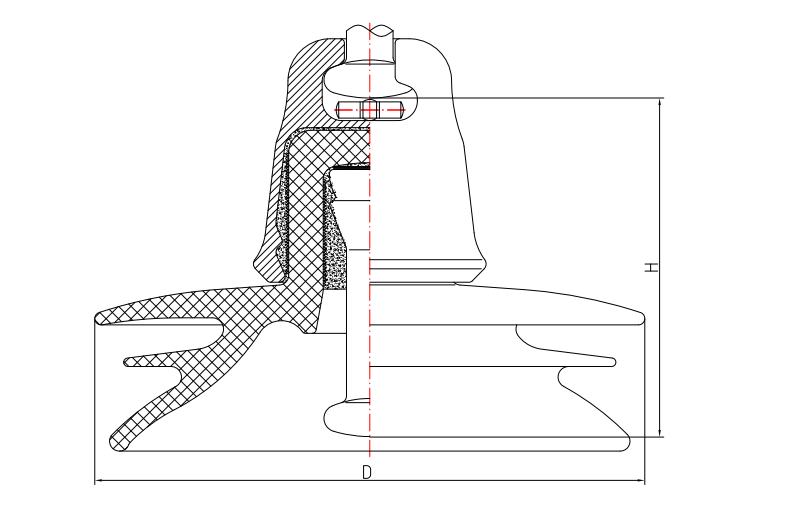
Post-type AC Pollution-resistant Disc Suspension Porcelain Insulator (Triple Umbrella Type)
Shandong High Voltage Insulator Co., Ltd.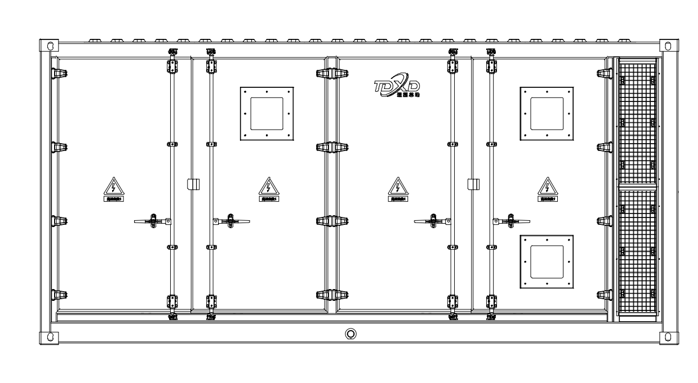
5012kWh DC Energy Storage System TD-EES-5012kWh
Suzhou Tongding Xindong Energy Storage Technology Co., Ltd.

Electromagnetic Fluid Seawater Floating Oil Separation and Recover Equipment
Huate Magnet Group Co., Ltd.