UK's First Light Fusion and National Laboratories Collaborate on Laser Ignition Technology
en.Wedoany.com Reported - On November 12, UK Oxford-based fusion company First Light Fusion and the Central Laser Facility (CLF) under the UK Science and Technology Facilities Council launched a joint research and development effort focused on developing fast ignition technology within the FLARE inertial confinement fusion scheme. The two parties will use high-power short-pulse lasers and high-energy electron transport modeling techniques to study how to effectively deliver laser-generated energy to high-density deuterium-tritium fuel and to determine the laser parameters required for subsequent fusion ignition experiments. The collaboration has entered the technical research phase.
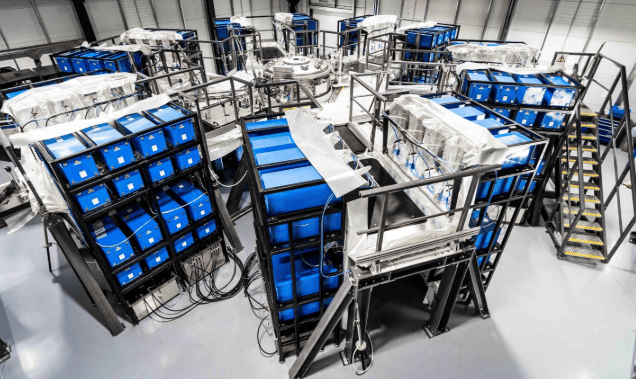
The collaboration focuses on studying the energy coupling process between short-pulse intense lasers and high-density fusion fuel. The Central Laser Facility research team will build physical models of laser-generated high-energy electrons, analyze the generation, propagation, and energy deposition efficiency of electrons within compressed fuel, and evaluate fuel heating effectiveness under different laser conditions.
The research scope also includes engineered target structures and magnetic field guiding technology. The two parties will use numerical modeling to analyze the impact of different target structures on high-energy electron transport, study methods for using magnetic fields to guide electrons to predetermined ignition regions, and compare the effects of related schemes on laser energy requirements and fuel heating efficiency.
The FLARE scheme adopts a two-stage technical approach that separates fuel compression from fast ignition. First Light Fusion has previously completed validation of its multi-layer target compression architecture at the M3 pulsed power experimental facility, using pulsed power drive in combination with target structures to create high-density fuel compression conditions. This joint R&D effort now shifts to the second stage of fast heating and ignition physics research, focusing on defining the technical interface between compressed fuel and the laser heating system.
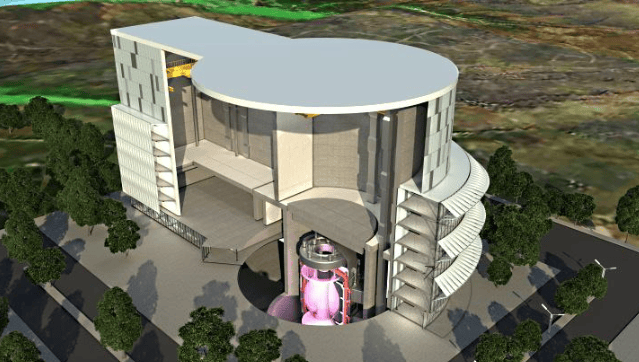
FLARE uses a cylindrical fuel target geometry that provides a direct channel for lasers and high-energy electrons to enter the compressed fuel region. The two parties will combine this structure to evaluate laser coupling efficiency, ignition energy requirements, and overall system design constraints, while simultaneously considering the engineering cost, drive efficiency, and scalability of future fusion devices.
The collaborative research is being carried out with participation from the Central Laser Facility located at the Rutherford Appleton Laboratory in Harwell, UK. The facility will provide capabilities in high-power lasers, laser-plasma physics, target design, and high-energy electron transport research. The two parties plan to use modeling over the next year to determine the laser technical specifications required for fast ignition, providing a basis for the design of subsequent FLARE integrated experiments and potential high-gain validation devices.
Related Products
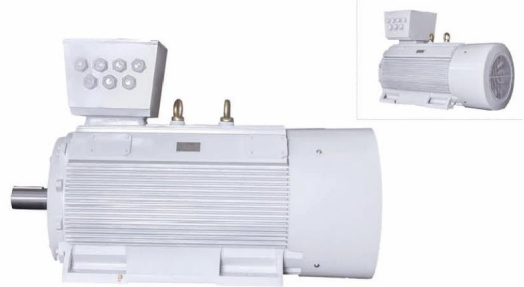

YE3 Series Low Voltage High Power Three-Phase Asynchronous Motor
Shandong Lijiu Electrical Machinery Co., Ltd.
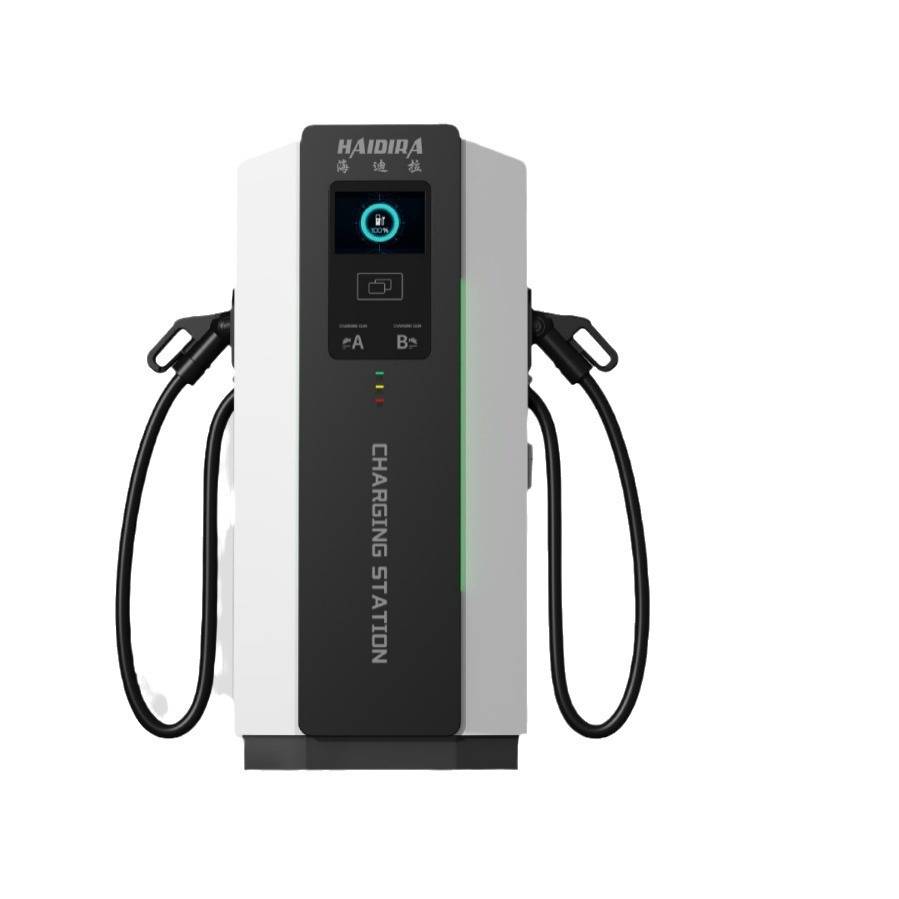
Manufacturer Direct Sales Tesla New Energy Electric Vehicle Universal DC 180kW Dual-gun Charging Pile Commercial Fast Charger
Anhui Haidira Electric Technology Co., Ltd.
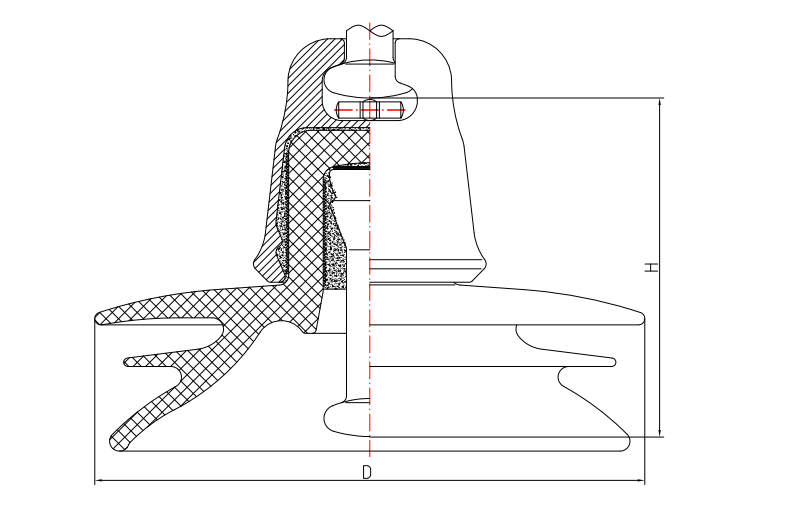
Post-type AC Pollution-resistant Disc Suspension Porcelain Insulator (Triple Umbrella Type)
Shandong High Voltage Insulator Co., Ltd.

Prefabricated Houses and Electrical Energy Boxes
Chengdu Ruilong Machinery Manufacturing Co., Ltd.
Modular Multifunctional Water Supply and Drainage Vehicle (18T)
Changsha Dewater Machinery Technology Co., Ltd.
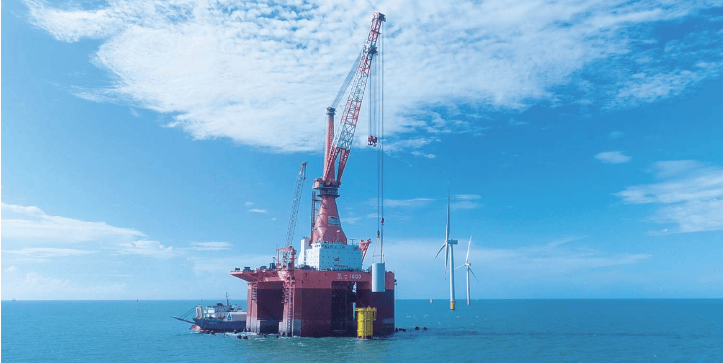
"Shunyi 1600" Deep-submerging Bottom-sitting Multi-functional Wind Power Engineering Vessel
Zhengli Offshore Engineering Co., Ltd.
PCS-901 Series Ultra (Extra) High-voltage Transmission Line Complete Protection Device
Nanjing NR Electric Co., Ltd.