ATI Robotics of the United States Uses Cloud Simulation Technology to Validate Robot Drive Systems
en.Wedoany.com Reported - On November 24, the U.S. robotics company ATI Robotics announced that it has adopted the cloud-based engineering AI platform of the German engineering simulation software company SimScale to carry out simulation validation of the structural and mechanical performance of its Sherpa series autonomous mobile robots (AMRs). This application focuses on vehicle structural design and drive system components, and the engineering team used virtual simulation to analyze the load, speed, and reliability performance of the equipment under continuous factory operating conditions.
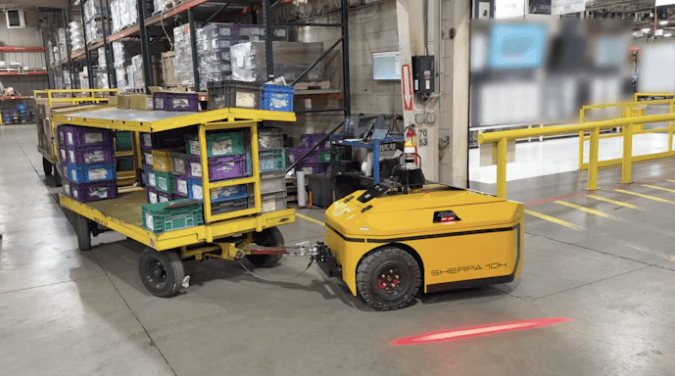
According to information published by SimScale, the ATI Robotics engineering team used its cloud simulation platform to conduct structural analysis and dynamic analysis, virtually evaluating the design solutions of the robot platform and drive system before the product was actually put into the production environment. The simulation process was carried out around continuous operating conditions, helping engineers identify potential problems in structural and mechanical design and adjust the design based on the analysis results.
This cooperation also involves cross-regional engineering collaboration. ATI Robotics has engineering teams in the United States and India, and both sides share design and analysis work through a unified cloud simulation environment without the need to deploy traditional high-performance simulation computing infrastructure separately in each location. Engineers can conduct model analysis, view calculation results, and collaboratively address design issues on the same platform.
The Sherpa series robots targeted by this simulation validation are mainly used for internal factory material handling and logistics automation. ATI Robotics, formerly known as Ati Motors, was founded in 2017 and is headquartered in the United States, with its R&D operations originating in India. Its products serve production logistics scenarios for automotive, electronics, and industrial manufacturing enterprises.
Taking its Sherpa XT Lite tow-type autonomous mobile robot as an example, company product information shows that this model has a maximum towing capacity of 1,500 kg, a total machine weight of approximately 330 kg, uses 3D LiDAR and cameras for environmental perception, has a maximum operating speed of 1.2 meters per second at full load, and a battery endurance of approximately 8 hours. The equipment can tow existing factory material carts and transport trailers without the need for large-scale renovation of plant infrastructure.
Structural simulation can be used to analyze the stress and deformation of the frame, load-bearing structures, and mechanical connection components under different load conditions; dynamic analysis can study the response of the drive system and moving parts during acceleration, operation, and load changes. For factory logistics robots that need to operate continuously for long periods, this type of analysis can provide a basis for performance evaluation during the design stage and reduce the workload of relying entirely on repeated testing with physical prototypes.
The SimScale platform adopts a cloud computing architecture, combining engineering AI agents with physical simulation models and supporting engineering calculations such as finite element analysis, fluid dynamics, electromagnetic, and thermal simulation. The company disclosed that its platform has more than 900,000 users.
Related Products
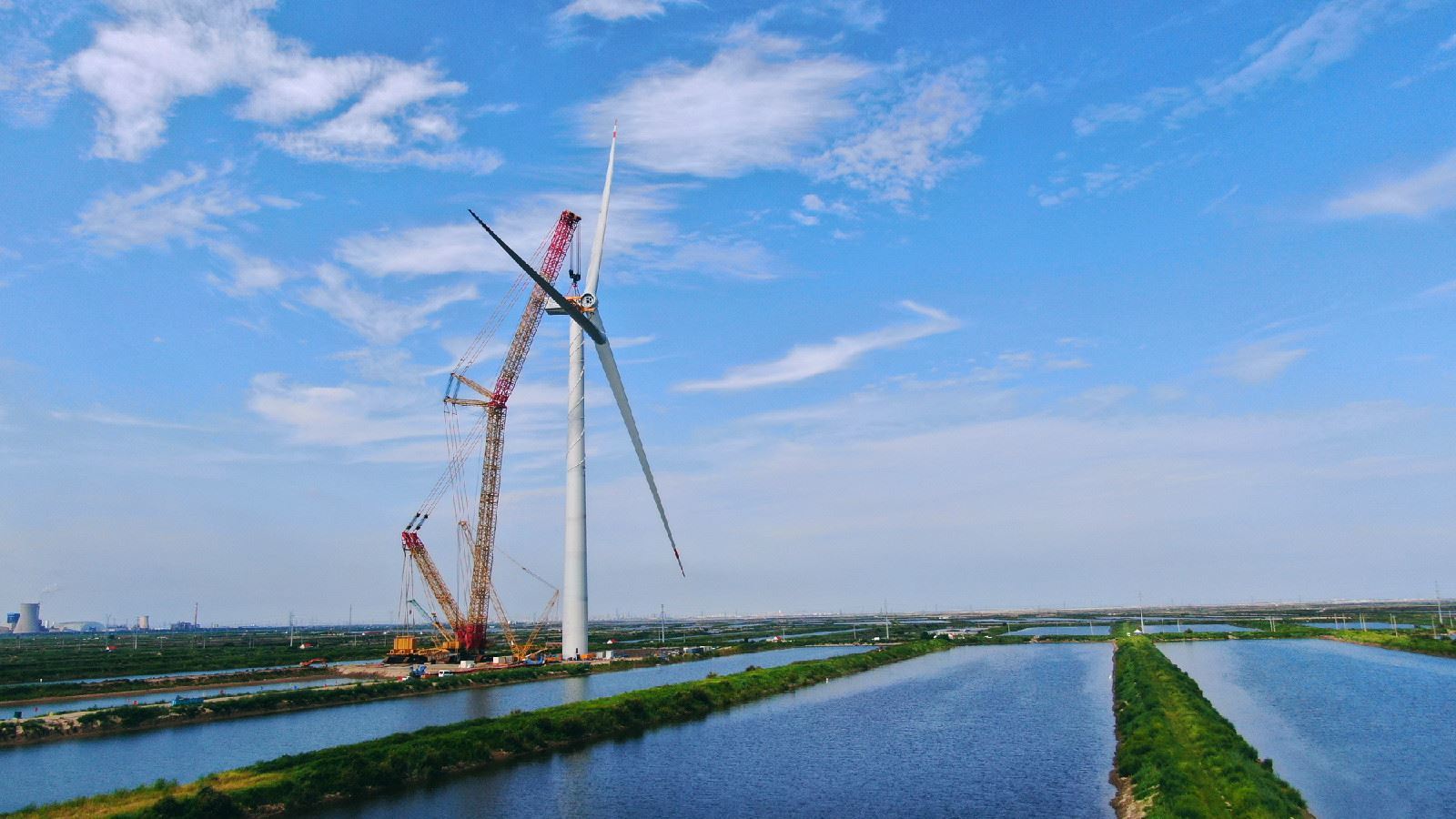

Dongying Offshore Wind Power 26MW Single-Unit Offshore Wind Turbine Installation Project
SINOPEC HEAVY LIFTING & TRANSPORTATION CO., LTD.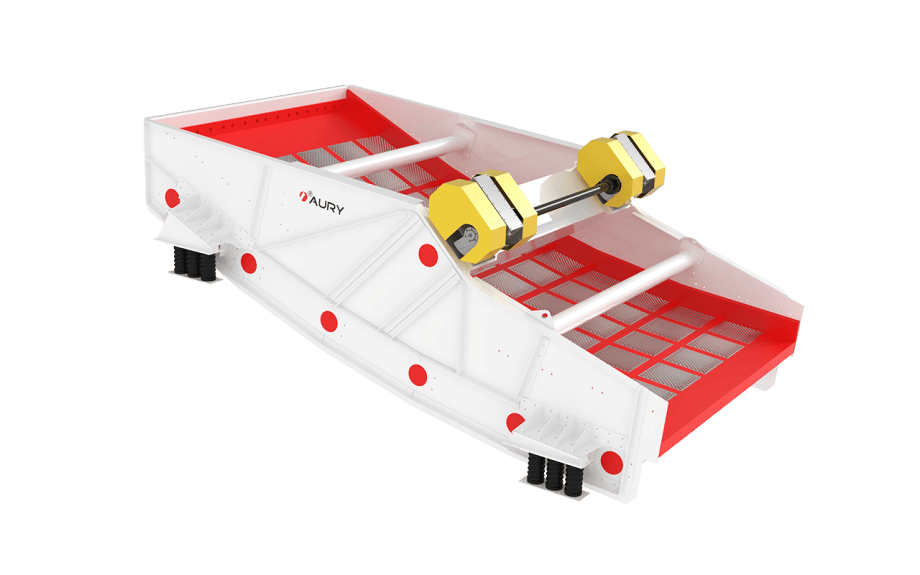
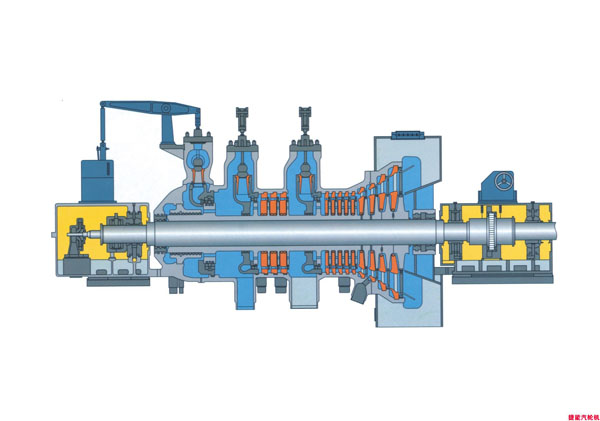
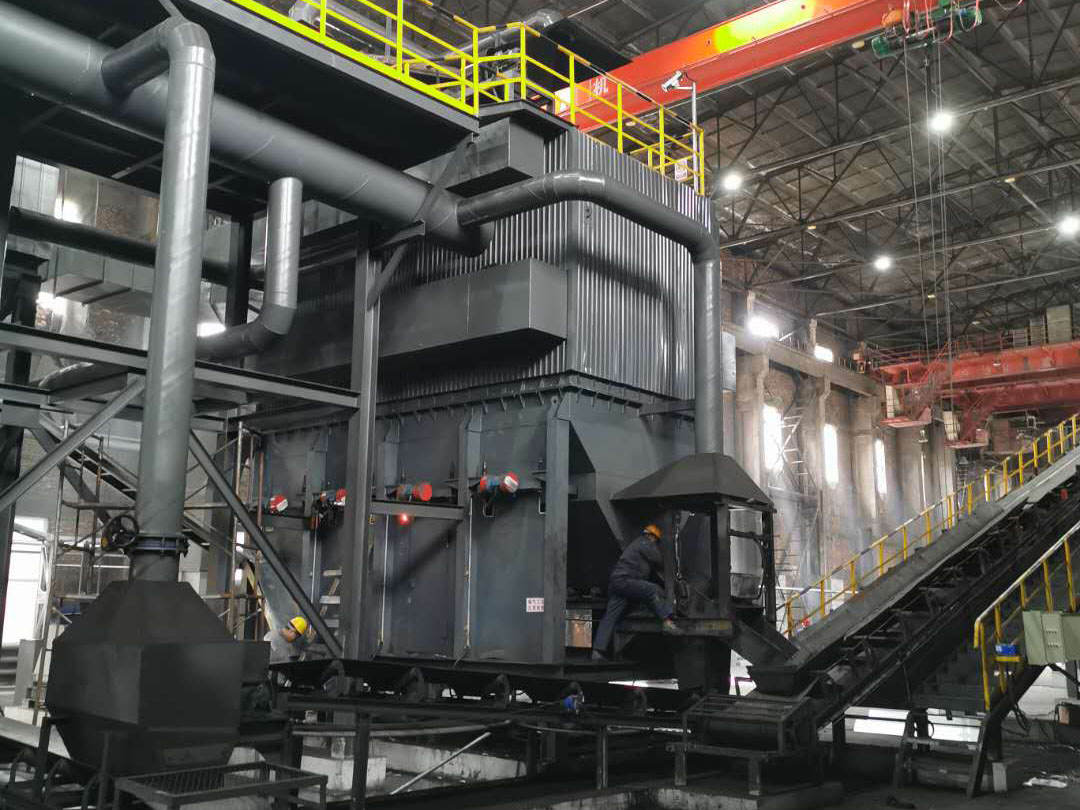
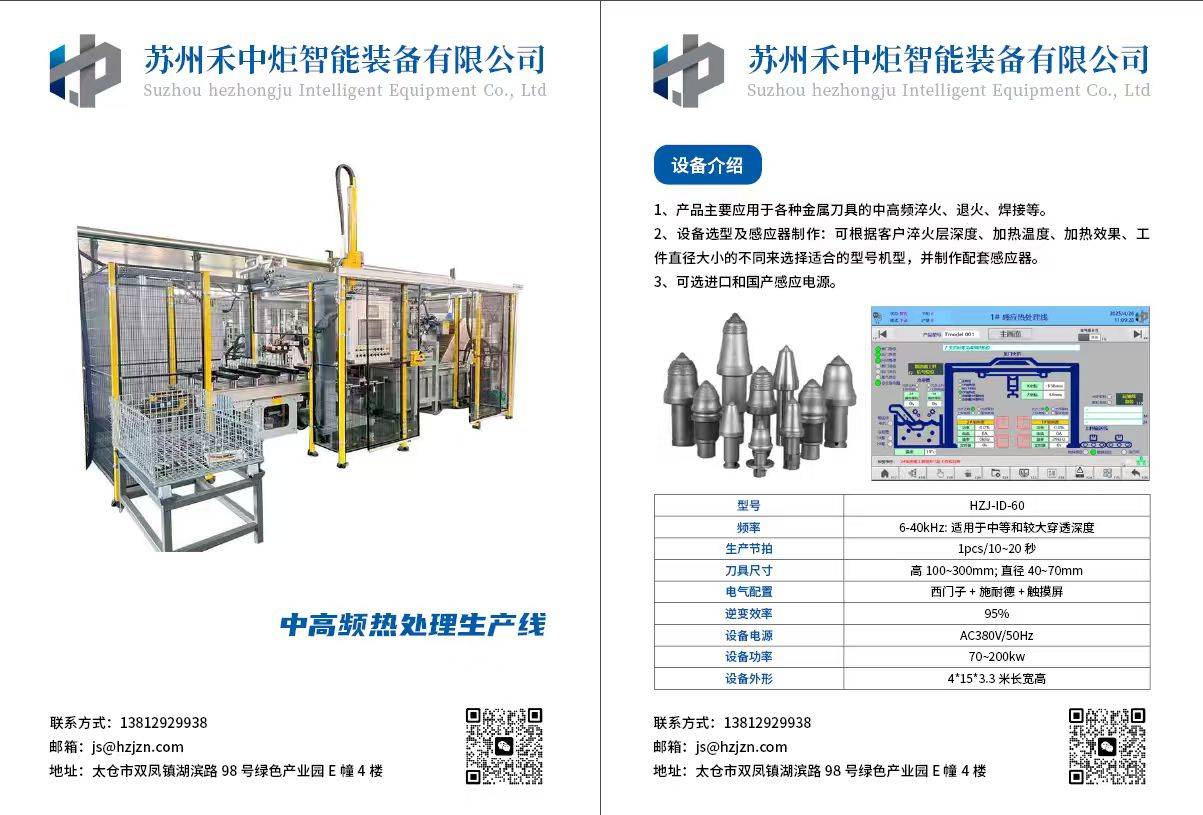
Excavator Bucket Teeth Heat Treatment Production Line
Suzhou Hezhongju Intelligent Equipment Co., Ltd.

Pneumatic high-pressure wear-resistant ball valve
Zhejiang Deca Control Valve Meter Co., Ltd.
Strip Coating and Plating Production Line Equipment
MCC-SFRE HEAVY INDUSTRY EQUIPMENT CO., LTD.