China's First Metal Powder Fuel Afterburning Turbojet Engine Prototype Completes Ignition Test
en.Wedoany.com Reported - On November 24, the team led by Sun Haijun from the School of Power and Energy (School of Aero-Engine) at Nanchang Hangkong University announced that it had independently developed the first prototype of a metal powder fuel afterburning turbojet engine and successfully conducted a ground ignition test. The prototype uses metal powder instead of conventional aviation kerosene as afterburning fuel, with independent design and system integration carried out around key aspects such as powder fuel ejection and conveyance, flow rate regulation, and combustor flame stabilization. The team was the first in the world to complete a ground ignition test of such an engine prototype.
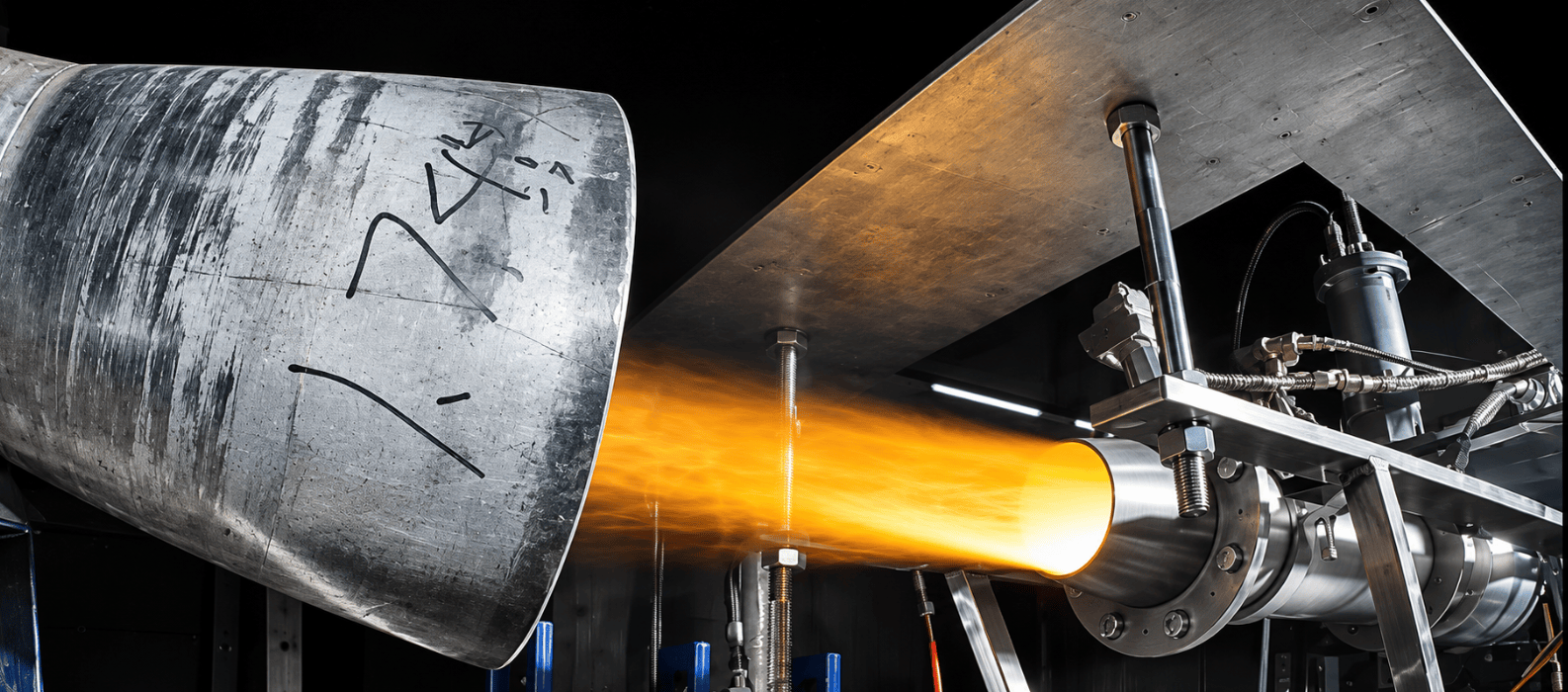
The focus of this development was to integrate the metal powder fuel supply, conveyance control, and afterburning combustion systems into a turbojet engine, forming a power equipment prototype capable of full-engine testing. Unlike conventional liquid fuel supply systems, metal powder requires ejection conveyance and flow rate adjustment to ensure stable fuel supply when entering the combustor. The conveyance state of powder particles, supply continuity, and combustion organization are interrelated, imposing new requirements on fuel system design and overall engine operation.
Addressing the above technical challenges, the team focused on overcoming key technologies including powder fuel ejection conveyance, fuel flow rate regulation, and aerodynamic cavity flame stabilization. Among these, the powder ejection conveyance system is responsible for stably delivering metal fuel into the afterburner chamber, the flow rate regulation stage is used to match fuel supply requirements under different operating conditions, and the aerodynamic cavity flame stabilization structure is used to improve flow conditions in the combustion zone and maintain the stable environment required for ignition and sustained combustion.
During the full-engine development process, the team spent 4 years completing scheme demonstration, engine prototype design, key component testing, and full-engine assembly verification, progressively establishing the technical chain from fuel conveyance components and combustor structure to the complete engine power system. This ground ignition test verified the collaborative working capability of the metal powder fuel supply system and the afterburning combustion system. Test results showed that the prototype operated stably and that all performance parameters met the expected design specifications.
The technical challenges of this project lie not only in the high calorific value characteristics of the metal powder fuel itself, but also in how to transform functions such as powder conveyance, precise supply, and combustion stability control into integrable and testable engine components and systems. Through a combination of key component testing and full-engine ground tests, the team completed engineering verification from technical scheme to prototype, establishing a test foundation for subsequent structural optimization, component performance improvement, and full-engine parameter adjustment.
The project is supported by the Jiangxi Provincial Key Research and Development Program and is carried out relying on the Engineering Research Center of the Ministry of Education for General Aviation Turbine Power Technology, the Jiangxi Provincial Key Laboratory of Green General Aviation Power, and the discipline of Aerospace Science and Technology. The micro and small turbine engine aerodynamic and thermodynamic test bench built by the relevant research platforms provided conditions for engine component performance testing and full-engine ground tests.