EU Backs €4M Wave Energy Research With Carnegie as Tech Partner
Wedoany.com Report-Sept. 6, Australian wave energy developer Carnegie Clean Energy has been selected as the key technology partner for the COIN (Control-Oriented Innovations for future wave energy farms) project, funded under the Horizon Europe Program with a total budget of €4 million. The four-year initiative is coordinated by Technische Universitaet Braunschweig in Germany and includes nine organizations from across Europe. Partners involved are Carnegie Technologies Spain, IFP Energies Nouvelles, Mondragon Goi Eskola Politeknikoa, WavEC Offshore Renewables, Aalborg Universitet, Politecnico di Torino, Quoceant, and Hewlett-Packard Galway.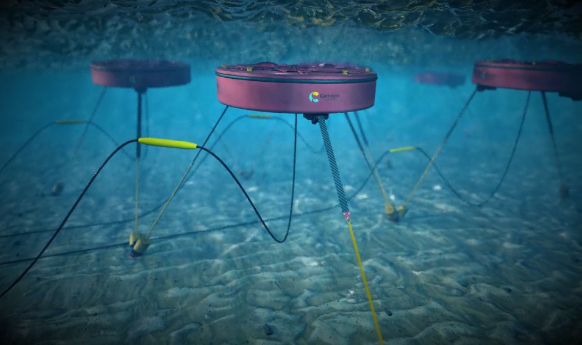
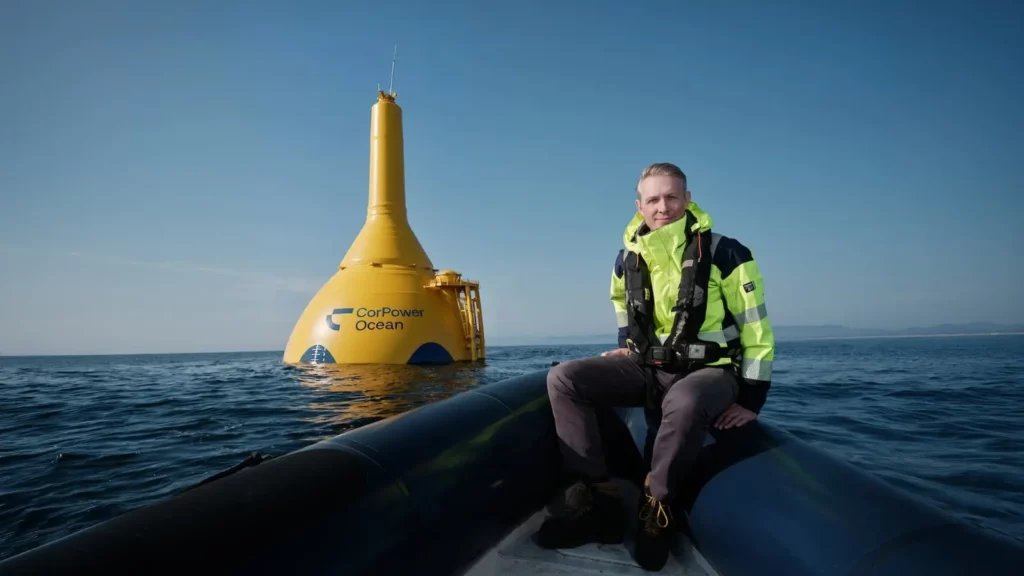
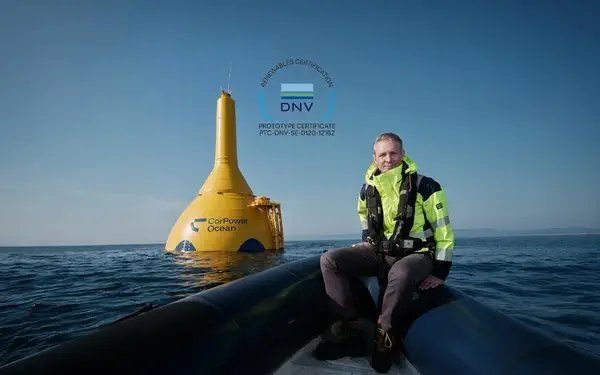
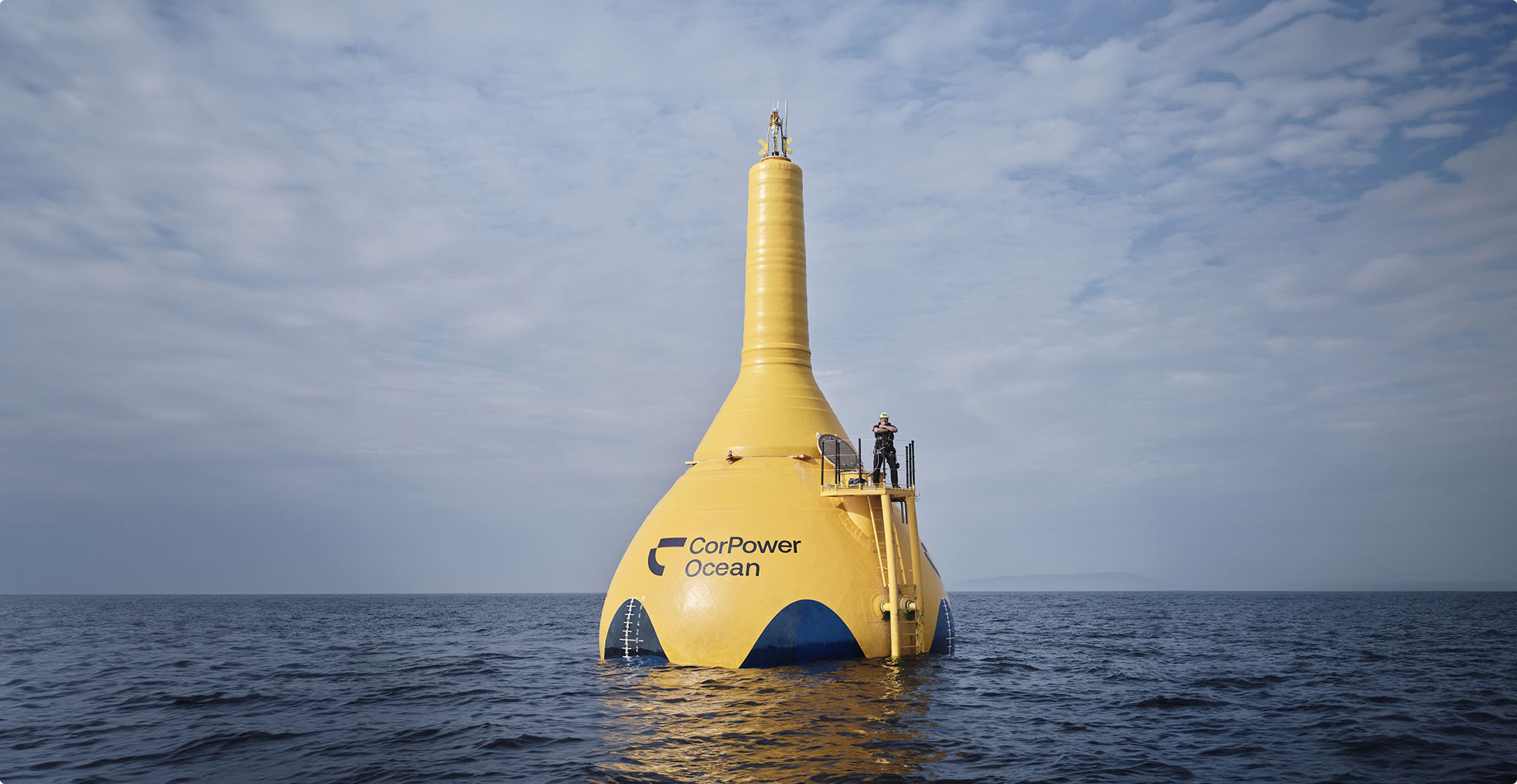
Carnegie’s CETO wave energy converter will serve as the reference technology for the project’s testing and validation phase. The company will receive €383,000 for its contribution without any cash outlay. CETO, a fully submerged point absorber device, uses a buoy positioned a few meters below the ocean surface. The buoy moves with wave motion, driving a power take-off system that converts the kinetic energy into electricity.
The COIN project aims to advance new technologies to enhance the reliability and durability of wave energy farms. Planned developments include a next-generation connector system, an artificial intelligence-based wave prediction tool, and a digital-twin health monitoring and control framework. Collectively, these innovations are expected to contribute to a targeted 30% reduction in the levelised cost of energy (LCOE) for wave energy.
Carnegie noted that participation in COIN will expand its cooperation with Quoceant and Hewlett-Packard Enterprise, both of which were part of the earlier ACHIEVE program. Under COIN, Quoceant will scale up CETO mooring connectors, while Hewlett-Packard Enterprise will continue developing advanced control systems to support commercial deployments of the technology.
Carnegie CEO Jonathan Fievez commented: “The innovations being developed in this project, particularly in areas like real-time wave prediction and digital twin technology, are exactly the kind of solutions that will help further reduce the cost of wave energy which accelerates scale-up. Having these developments directly applied to CETO ensures that we are at the forefront of wave energy technology innovations. These advancements will enable us to more effectively manage the dynamic and powerful forces of the ocean, which is essential for improving upon the robustness and commercial viability of a technology like CETO.”
Earlier this year, Carnegie disclosed plans for a 6 MW commercial-scale CETO deployment, strengthening its pathway toward commercialization. In July, the company signed a memorandum of understanding (MOU) with the Biscay Marine Energy Platform (BiMEP) to begin developing a 6 MW wave energy array in Spain’s Basque Country.
Through the COIN project and parallel initiatives, Carnegie continues to advance its CETO technology while building international collaborations. The company’s involvement in Horizon Europe reflects its commitment to scaling up wave energy systems and reducing costs, positioning wave energy as a competitive and reliable renewable source in the global energy mix.
Related Products
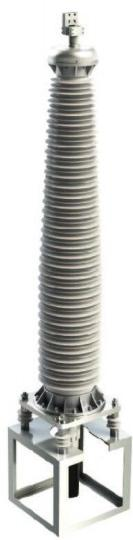

220kV Composite Outdoor Cable Terminal
Shenyang Guolian Cable Accessories Manufacture Co., Ltd.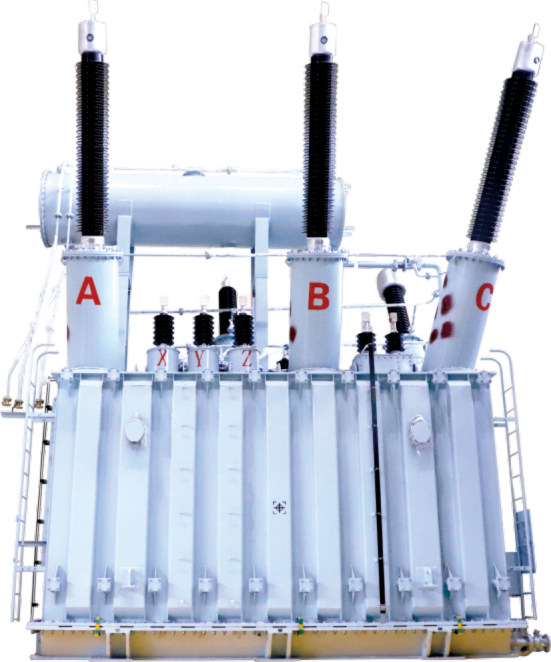

40.5kV-1100kV Gas Insulated Metal-Enclosed Switchgear (GIS)
Henan Pinggao Electric Co., Ltd.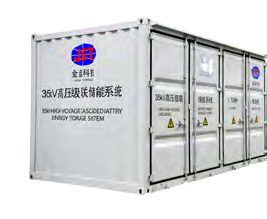
6kV-35kV Medium and High Voltage Direct-Connected Energy Storage System
Hainan Jinpan Smart Technology Co., Ltd.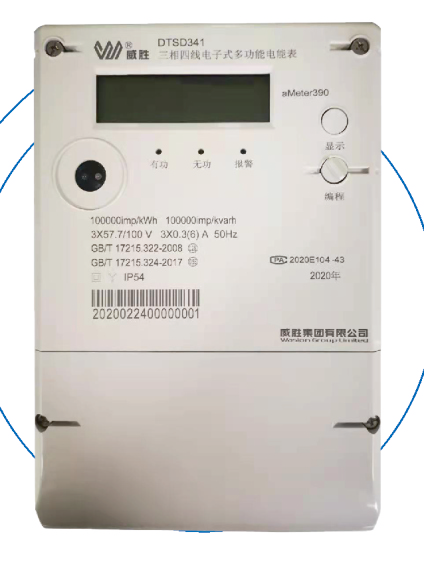
Overseas IEC Gateway Energy Meter - DTSD341/DSSD331-aMeter390
Wasion Group Limited Co., Ltd.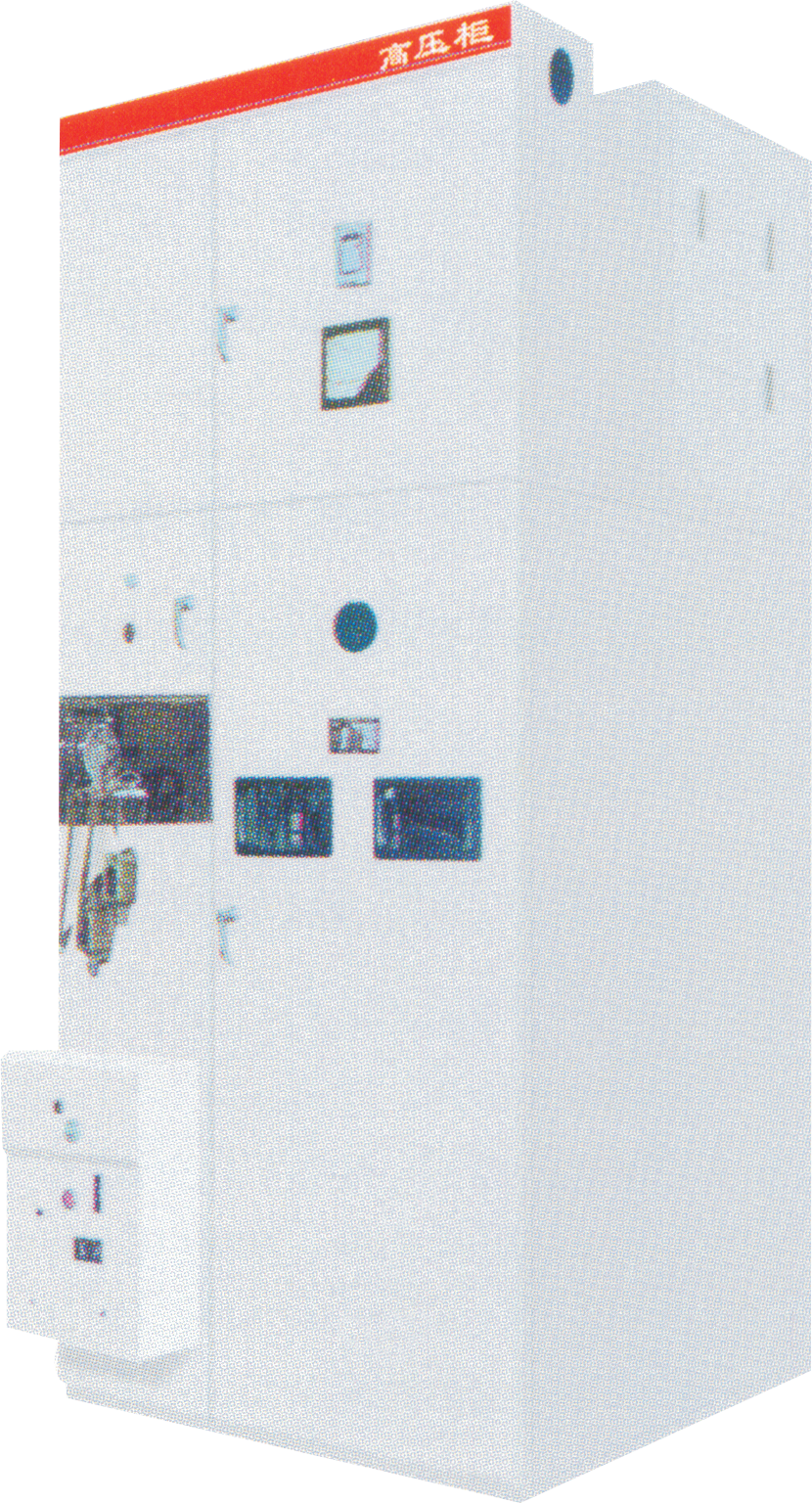
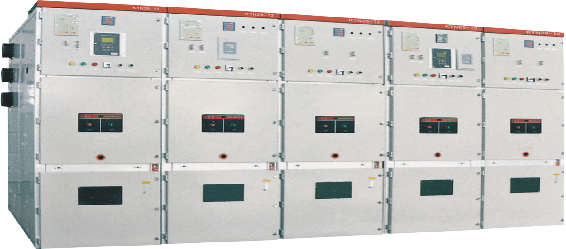
KYN28-12/24 Indoor High-Voltage Metal-Clad Removable Switchgear
Shenzhen Zhaoyang Hui Technology Co., Ltd.
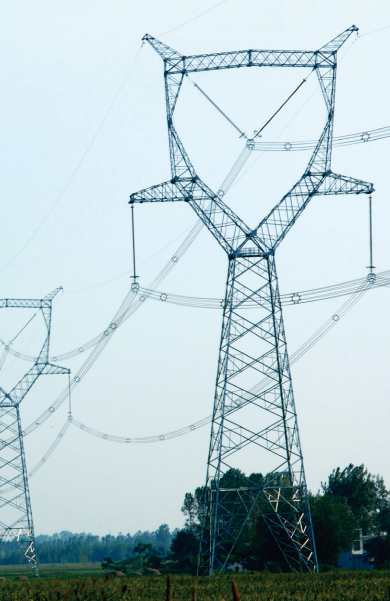
1000kV Jin Southeast-Nanyang-Jingmen UHV AC Transmission and Transformation Pilot Demonstration Project
Anhui Hongyuan Steel Tower Co., Ltd.