US and Japan Strike Rare Earths Deal
Wedoany.com Report-Oct. 29, The United States and Japan have signed a framework agreement to strengthen cooperation on the supply of rare earths and other critical minerals, seeking to enhance resource security and ensure stable access to materials essential for modern industries. The agreement was signed in Tokyo by U.S. President Donald Trump and Japanese Prime Minister Sanae Takaichi during Trump’s week-long visit to Asia. It outlines joint efforts in extraction, recycling, stockpiling, and investment across the mineral supply chain, which supports key sectors such as defense, automotive, electronics, and energy. The framework sets policy directions but does not include direct financial commitments.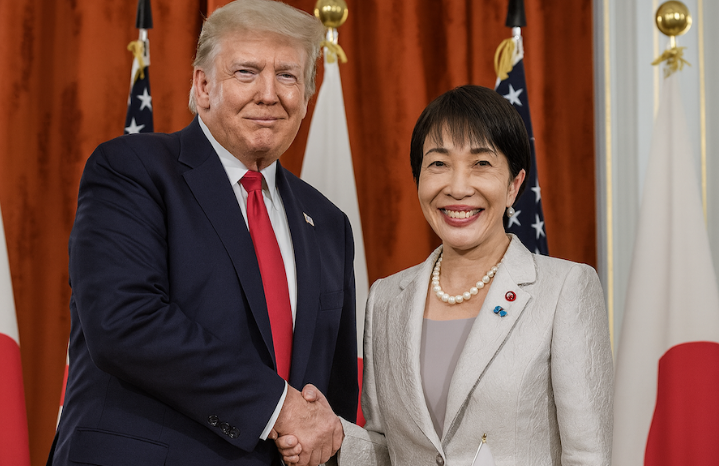
US President Donald Trump and Japanese Prime Minister Sanae Takaichi.
Both governments also released a list of joint projects in energy, artificial intelligence, and critical minerals. Japanese companies are expected to invest up to $400 billion in the United States under these initiatives. The White House described the agreement as the foundation of a “new golden age of the ever-growing U.S.–Japan alliance.” Similar to recent partnerships the U.S. has signed with Australia and Malaysia, the deal with Japan commits both sides to mobilize public and private capital to expand domestic mining, processing, and technology development capacities.
Under the framework, both countries agreed to identify key projects and address gaps in the production and supply of rare earths and derivative products, including permanent magnets, catalysts, batteries, and optical materials. It also emphasizes ensuring responsible resource management and maintaining stable pricing structures. BMO commodities analysts noted that the framework implicitly supports price floors, aligning with the U.S. Department of War’s recent deal with MP Materials, which set a $110 per kilogram floor for neodymium-praseodymium (NdPr).
Prime Minister Takaichi, Japan’s first female leader, assumed office after the assassination of former Prime Minister Shinzo Abe in 2022. Abe was the first foreign leader to meet Trump after his 2016 election victory, and the two maintained close personal and diplomatic ties. The renewed cooperation reflects both governments’ shared interest in supply chain resilience and technological innovation.
Trump is scheduled to meet Chinese President Xi Jinping in South Korea on Thursday, with rare earths expected to be one of the key topics of discussion. Reports suggest that U.S. and Chinese negotiators have been preparing for talks on a potential trade arrangement addressing mineral supply and related trade issues.
China remains the largest global producer of rare earths and has implemented new export controls this year. In April, it introduced supply restrictions in response to U.S. tariffs and expanded those measures in October, requiring export licences for goods containing trace amounts of certain rare earth elements. The U.S.–Japan framework represents a coordinated effort by both nations to diversify sourcing and enhance long-term resource security through collaborative investment, technological cooperation, and policy alignment.
Related Products

Integrated Excavation and Anchoring Machine (EJM Series)
China Railway Construction Heavy Industry Corporation Limited
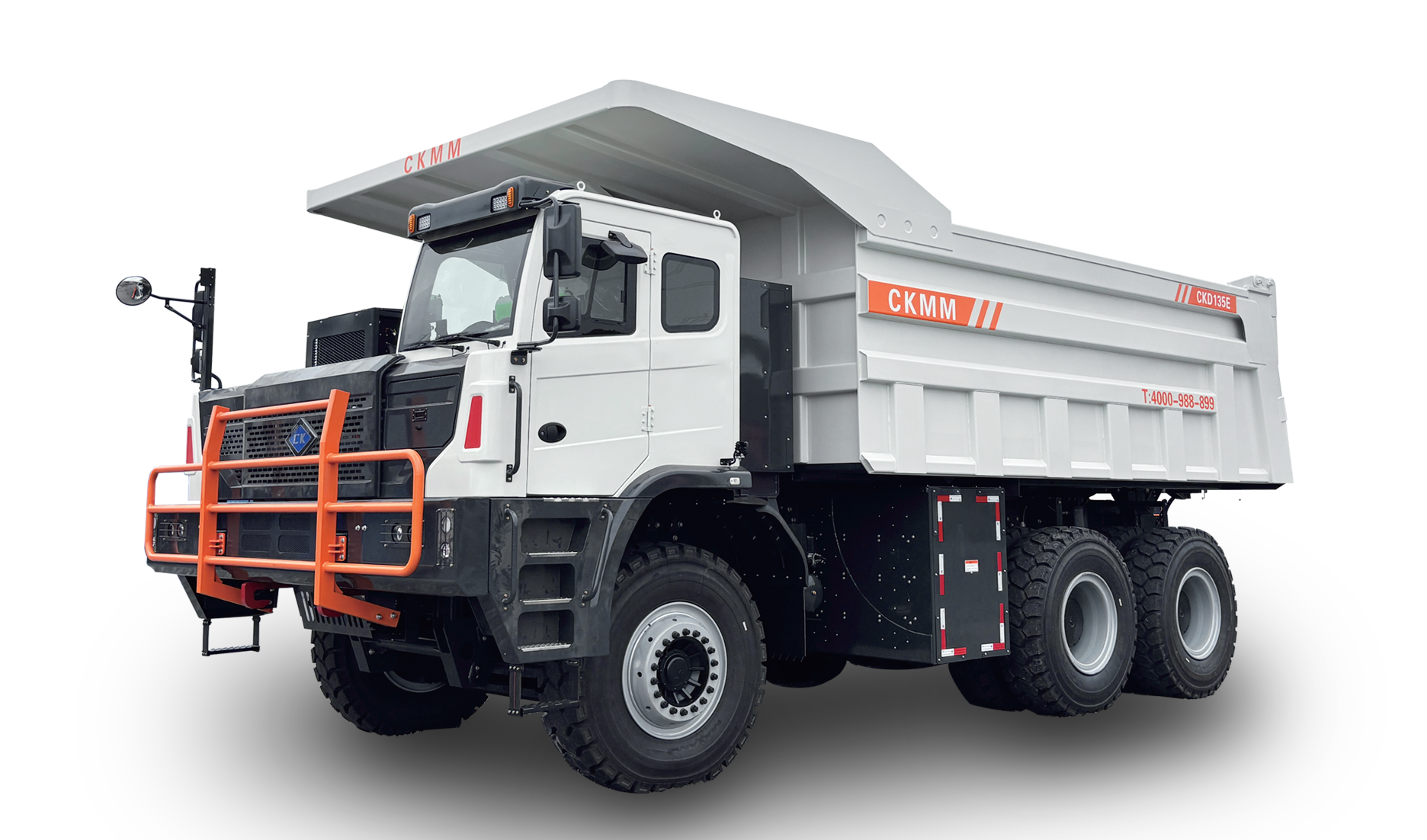
CKD135E Pure Electric Wide-body Dump Truck
Jiangsu Changkuang Engineering Machinery Co. Ltd.
Quick-Change Single-Seat Control Valve / Quick-Change High-Pressure Single-Seat Control Valve
Beijing Consen Automation Technology Co., Ltd.