Kazakhstan Discusses Exporting Uranium to Finnish Nuclear Plants
Wedoany.com Report-Oct. 29, Kazakhstan is in talks with Finland about potential uranium supplies for Finnish nuclear power plants, the head of Kazakhstan’s nuclear energy agency, Almasadam Satkaliyev, said on Tuesday. He made the remarks in Astana during the visit of Finnish President Alexander Stubb. Satkaliyev did not specify the quantities under discussion or provide a timeline for possible deliveries.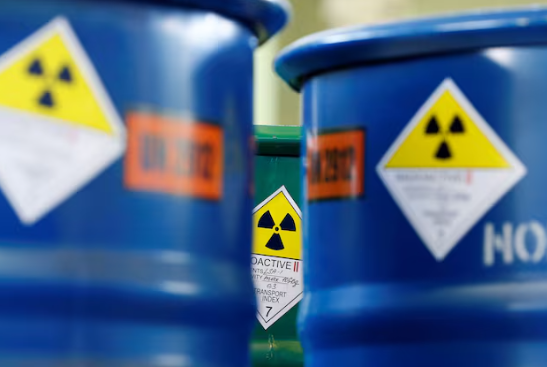
Barrels with uranium oxide are stored at the Ulba Metallurgical Plant in the northeastern industrial city of Oskemen (Ust-Kamenogorsk), Kazakhstan May 26, 2017.
Finnish utility company Fortum confirmed to Reuters that Kazakhstan was “a potential supplier.” The company stated it is diversifying nuclear fuel procurement for its Loviisa power plant “across the supply chain from raw uranium to conversion and enrichment services to full manufacturing.” However, Fortum declined to say whether it was directly involved in the discussions held in Astana.
Kazakhstan is the world’s largest uranium producer, mining 23,270 metric tons in 2024. The country aims to increase production to between 25,000 and 26,500 tons in 2025. Although Kazakhstan does not operate its own nuclear power plants, it holds about 15% of global uranium reserves, ranking second after Australia.
Finland currently operates five nuclear reactors across two power plants. In 2024, nuclear energy accounted for 39% of Finland’s electricity generation, followed by wind power at 25%. The country has been adjusting its nuclear fuel supply strategy as it phases out previous procurement sources.
In 2023, Fortum began sourcing nuclear fuel from U.S.-based Westinghouse Electric, gradually reducing its dependence on TVEL, a subsidiary of Russian state-owned Rosatom, which had long supplied fuel to the Loviisa nuclear plant. The company emphasized that expanding procurement partnerships would ensure stable and diversified access to nuclear materials.
Details on transportation routes for potential Kazakh uranium shipments to Finland were not disclosed. Given Kazakhstan’s landlocked geography, any delivery is expected to transit through Russia. Despite the European Union’s wide-ranging sanctions imposed on Russia since 2022, freight trains are still permitted to cross Finland’s 1,340 km (833 mile) border with Russia, though passenger services have ceased.
The discussions between Kazakhstan and Finland come amid broader shifts in Europe’s energy landscape. Finland, which joined NATO in 2023, continues to diversify its energy and resource supply networks. Meanwhile, Russia’s second-largest oil producer, Lukoil, announced plans on Monday to sell its international assets.
Kazakhstan has continued to pursue a balanced foreign policy, maintaining strong economic and political ties with Russia—its key neighbor and major trading partner—while also expressing support for the territorial integrity of Ukraine. The proposed uranium cooperation with Finland reflects Kazakhstan’s strategy to expand energy partnerships and strengthen its position in the global nuclear materials market.
Related Products
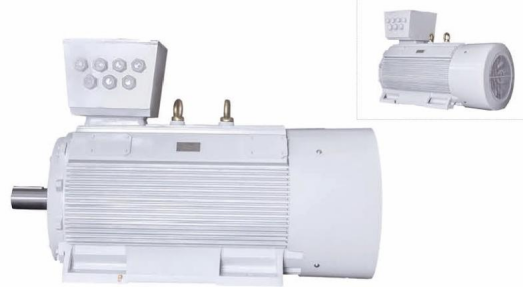

YE3 Series Low Voltage High Power Three-Phase Asynchronous Motor
Shandong Lijiu Electrical Machinery Co., Ltd.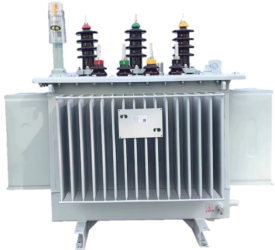
Oil-immersed Amorphous Alloy Core Distribution Transformer
Pinggao Group Smart Electric Co., Ltd.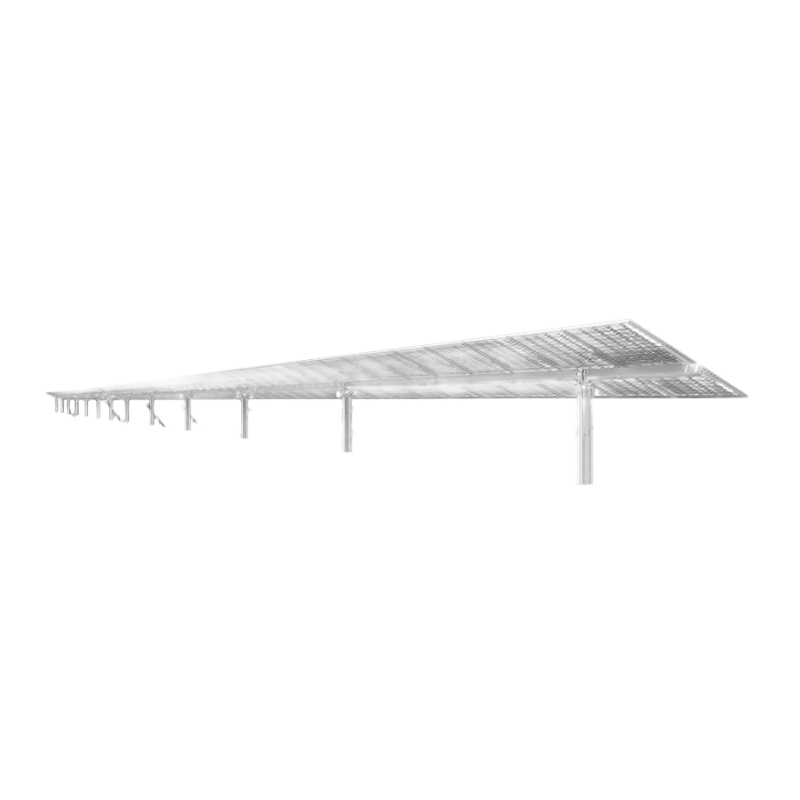
TAI Slew-drive Single-axis Independent 1P Tracking Bracket System
ANTAI TECHNOLOGY CO., LTD.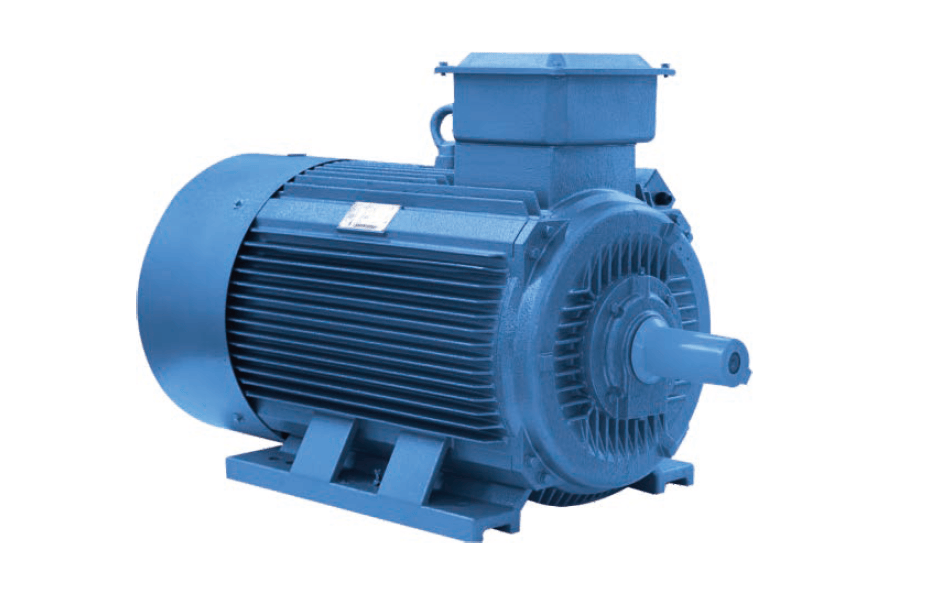
TYC Series High-Efficiency Permanent Magnet Synchronous Motor
Xiangdian Smart Energy Technology Co., Ltd.
Off-Grid Fuel Cell Supercharging Station (180kW Configuration)
Shanghai REFIRE Group Limited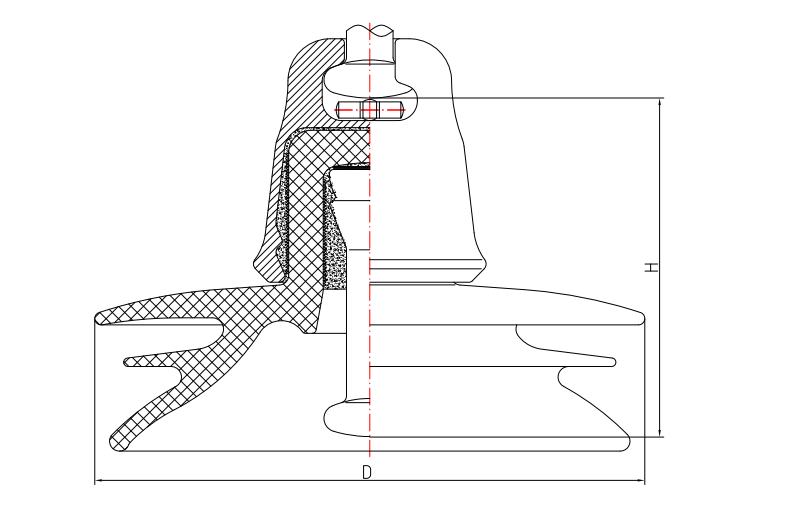
Post-type AC Pollution-resistant Disc Suspension Porcelain Insulator (Triple Umbrella Type)
Shandong High Voltage Insulator Co., Ltd.
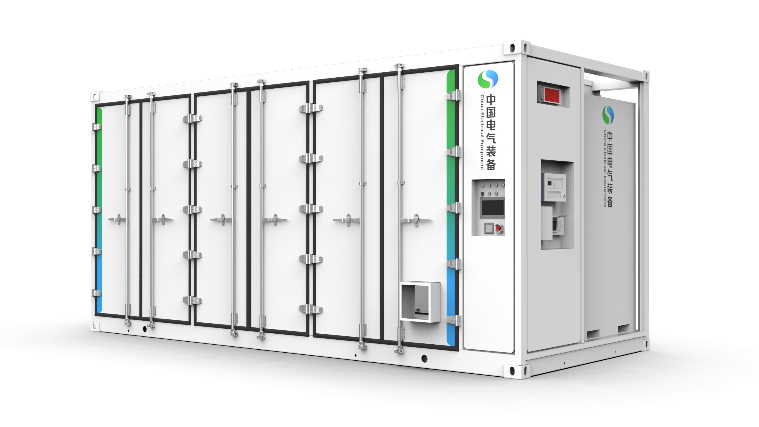
MESS8201-2507/5015-BN Prefabricated Liquid-cooled Energy Storage Battery Container
Xuchang Xuji Electric Science Energy Storage Technology Co., Ltd.
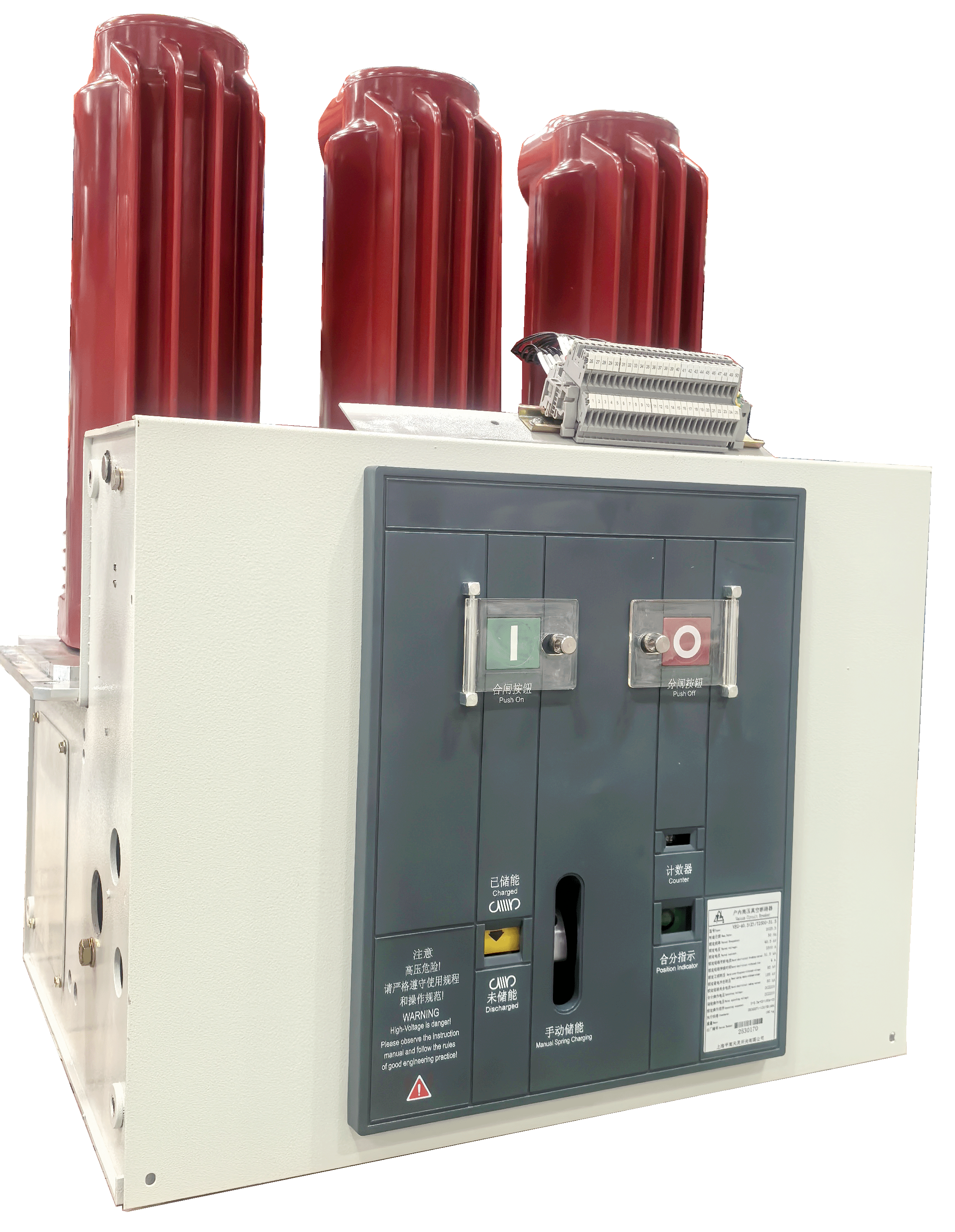
VEG-12/24/40.5 Series Vacuum Circuit Breaker
SHANGHAI PINGGAO TIANLING SWITCHGEAR CO., LTD.