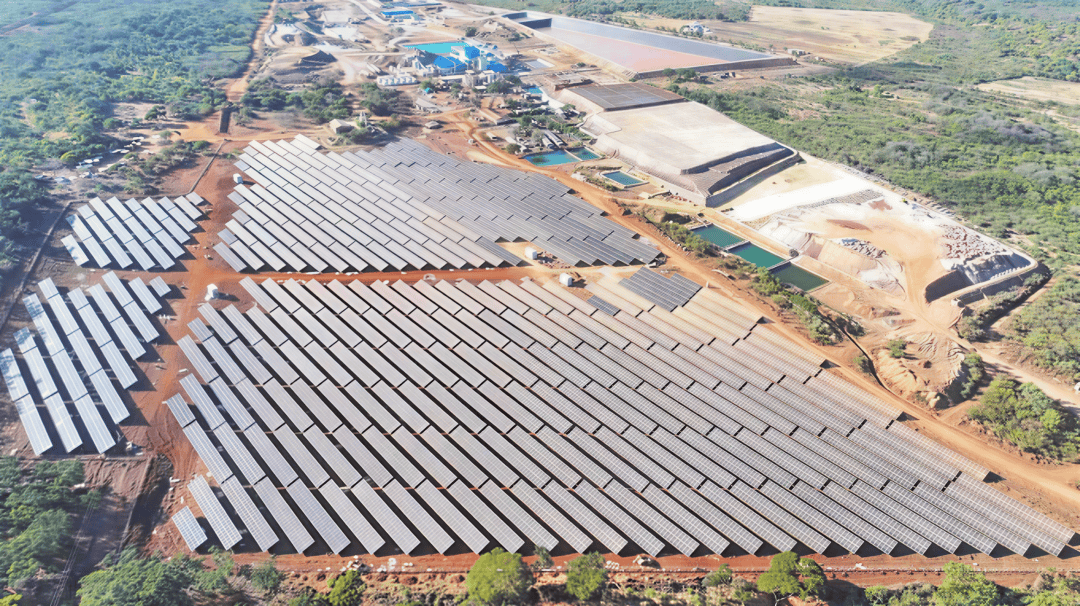
Wedoany.com Report on Mar 13th, The year 2026 marks the beginning of China's "15th Five-Year Plan" and is a crucial year for accelerating the construction of a new energy system and solidly advancing the "dual carbon" goals. At the Two Sessions, the highest-level deliberative forum, geothermal energy—a stable, clean, and abundant domestic renewable energy source—is gaining unprecedented attention from delegates and committee members. Led by multiple academicians, proposals are calling for the inclusion of geothermal development and utilization in the national "15th Five-Year Plan" outline, injecting "geothermal power" into the construction of a strong energy nation.
Academician Li Gensheng: Include Geothermal in the "15th Five-Year Plan" to Promote High-Quality Development of Geothermal Energy
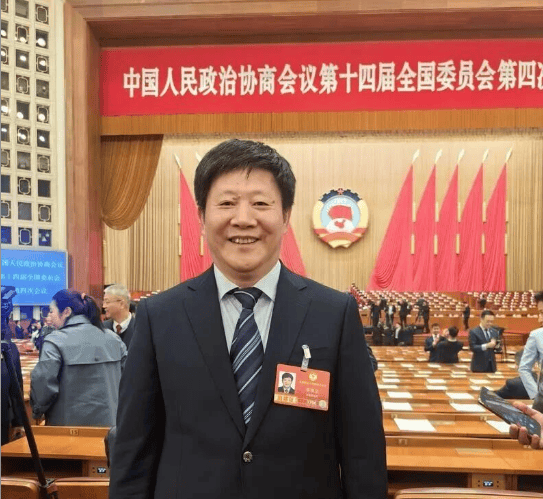
Li Gensheng:
Member of the National Committee of the Chinese People's Political Consultative Conference (CPPCC), Academician of the Chinese Academy of Engineering, and Director of the National Key Laboratory of Petroleum Resources and Engineering at China University of Petroleum (Beijing).
Long engaged in research on oil and gas drilling engineering and geothermal resource development, he is a leading scientist in China's energy sector.
"Geothermal energy, as a clean and stable domestic renewable energy source, is an important support for ensuring energy security, optimizing the energy structure, and reducing carbon emissions. It is of great significance for cultivating new quality productive forces and building a strong energy nation."
Academician Li Gensheng pointed out that China's total geothermal resource reserves amount to 857.25 trillion tons of standard coal. However, constrained by factors such as an unclear strategic positioning, prominent core technology bottlenecks, and policy and regulatory frameworks needing improvement, the annual utilization of geothermal resources is only 40.19 million tons of standard coal. The resource potential remains underexploited, urgently requiring national-level coordinated planning and policy support.
Academician Li Gensheng proposed three core recommendations:
Include geothermal development and utilization in the national "15th Five-Year Plan" outline, issue a national-level special geothermal plan, coordinate and plan regional energy system construction projects, clarify target tasks, and establish geothermal development guarantee mechanisms in key regions.
Strengthen policy support and guarantees, deepen the reform of the mining rights system, highlight the energy attributes of geothermal resources, optimize water extraction permit management, improve tax and fee incentive mechanisms, and reduce or levy resource taxes for geothermal projects at lower rates.
Carry out scientific and technological research across the entire industrial chain, establish national-level deep geothermal engineering centers and test bases, promote the demonstration and implementation of geothermal power generation as a foundational and bottom-line power source application path in the new power system, and empower the construction of a new energy system through the "geothermal+" model.
Academician Wu Qiang: Focus on Shallow Geothermal Energy to Explore New Paths for Rural Revitalization and Heating for Farmers and Herders
Wu Qiang:
Member of the National Committee of the CPPCC, Academician of the Chinese Academy of Engineering, and President of the Inner Mongolia Research Institute at China University of Mining and Technology (Beijing).
Long dedicated to the green and low-carbon transformation of energy and the efficient utilization of fossil fuels, with a focus on shallow geothermal energy applications.
"Shallow geothermal energy refers to the energy within 200 meters below the ground surface, where the water temperature is below 25 degrees Celsius. By utilizing shallow geothermal energy, we can use one system to simultaneously provide heating, cooling, and domestic hot water supply for buildings—a triple supply."
Academician Wu Qiang systematically compiled his research findings from the past year in urban and rural areas of Chongqing, Shandong, Beijing-Tianjin-Hebei region, and plans to implement the concept of shallow geothermal energy development in rural and pastoral areas of Inner Mongolia this year. This practical concept will also be brought to the Two Sessions as an important proposal. He pointed out that Inner Mongolia's vast territory suits the characteristics of shallow geothermal energy—"distributed development, no need for large-scale grid connection." By drilling one or two wells and combining them with mature heat pump technology, shallow geothermal energy within 200 meters underground can be used for heating or cooling. This not only meets the production and living needs of farmers and herders but also enables the development of specialty agriculture.
Committee Member Xu Pengfei: Accelerate the Commercial Application of "Sky-Light Geothermal" Technology
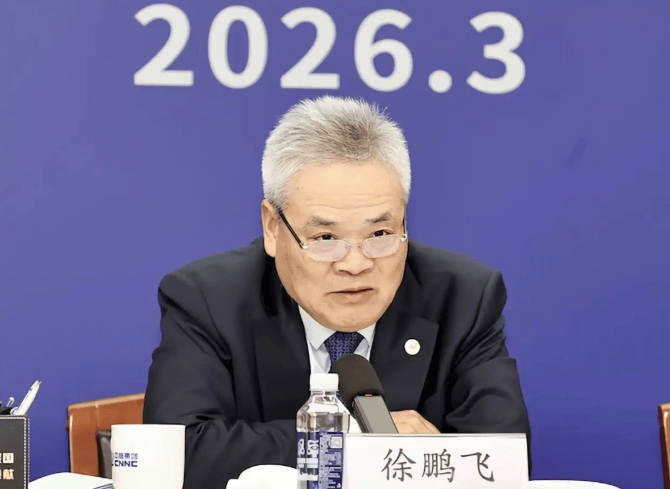
Xu Pengfei:
Member of the National Committee of the CPPCC and member of the Strategic Advisory Committee of China National Nuclear Corporation.
Long focused on the transformation of nuclear and new energy technology achievements into livelihood areas.
"The 'Sky-Light Geothermal' technology achieves comprehensive utilization and cascade upgrading of energy by efficiently coupling solar energy with shallow geothermal energy. Verified by multiple demonstration projects, its operating costs are approximately 50% lower than natural gas heating and 20% to 40% lower than traditional coal-fired heating."
Committee Member Xu Pengfei introduced that the "Sky-Light Geothermal" clean energy supply system has completed demonstrations in locations such as Pingxiang, Hebei; Tongxin, Ningxia; Tongwei, Gansu; and Horqin Right Middle Banner, Inner Mongolia. Nationwide, a total of 605 households have been put into operation, with a total heating area exceeding 46,000 square meters. Annually, it can reduce standard coal consumption by 2,313 tons and carbon dioxide emissions by 5,689 tons. To further promote commercial application, especially in remote and cold regions, he suggested: Strengthen special fund support to reduce equipment purchase costs for farmers; promote the inclusion of "Sky-Light Geothermal" technology in the national Certified Emission Reduction (CCER) methodology.
Representative Li Yongsheng: Promote Magnetic Levitation Heat Pumps to Tap into the Carbon Reduction Potential of Geothermal and Waste Heat
Li Yongsheng:
Deputy to the National People's Congress (NPC) and Chief Scientist of Shandong Tianrui Heavy Industry Co., Ltd.
Expert in magnetic levitation power technology, committed to energy-saving and carbon reduction technology research and development.
"Geothermal energy development and industrial waste heat recovery are important components of the new energy system. Magnetic levitation heat pumps have broken through traditional energy efficiency bottlenecks, becoming a key technology to promote cost reduction and efficiency improvement in geothermal utilization and waste heat recovery."
Representative Li Yongsheng pointed out that although traditional heat pump technology has been applied for many years, its energy efficiency bottleneck has not been effectively broken through. The emergence of magnetic levitation technology brings new possibilities for upgrading heat pump technology. He suggested increasing support for the promotion of magnetic levitation heat pumps to assist in the construction of a new energy system and provide solid technical support for achieving the "dual carbon" goals.
Representative Cheng Zhiyan: Strengthen Geothermal Resource Exploration and Development, Improve Support Policies
Cheng Zhiyan:
Deputy to the Jiangsu Provincial People's Congress, Deputy Director of the Provincial Department of Natural Resources, and Director of the Provincial Geological Bureau.
Long-term promoter of geothermal resource exploration and development in Jiangsu Province.
"Strengthen geothermal resource exploration and development, and accelerate the transformation of resource advantages into industrial advantages."
Representative Cheng Zhiyan introduced that Jiangsu has achieved significant results in geothermal exploration in recent years: The "Yang Shen 1 Well" in Rudong, Nantong successfully achieved geothermal power generation, with single-well power generation exceeding 200kW, setting a record for geothermal exploration in southeastern China's coastal areas; Peixian County, Xuzhou, built the province's first geothermal heating demonstration zone. He suggested: Reconstruct the policy orientation of 'taxation based on reinjection, differential levy', innovate a coordinated "mineral-water linkage" management mechanism; strengthen systematic and detailed exploration, build a provincial "one-map" platform for 3D visualization of geothermal resources; rely on locations such as Rudong and Hai'an to build demonstration bases integrating deep exploration, development, and scientific research, and promote the cascade utilization model of "high-temperature power generation + medium-temperature heating + low-temperature facility agriculture."
Representative Nie Xiaowei: Break Through Geothermal Development Bottlenecks, Unleash Industrial Potential
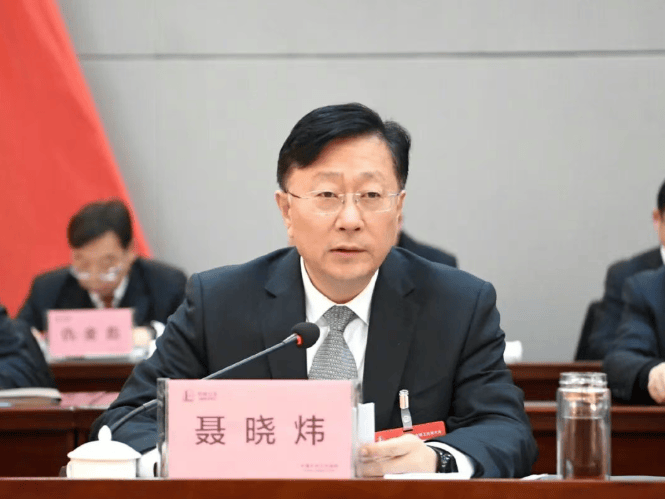
Nie Xiaowei:
Deputy to the National People's Congress.
"Mainly, issues such as the difficulty in obtaining and renewing geothermal water extraction permits and the relatively high taxation on the geothermal heating industry have, to some extent, limited the high-quality development of the geothermal industry."
Representative Nie Xiaowei suggested: Further improve the efficiency of geothermal energy development management. Promptly issue a unified standard management method for geothermal energy development and utilization, incorporating mining permits, water extraction permits, filing management, and special subsidies into the management method. Through methods like "one-stop management," optimize and simplify pre-approval procedures, strengthen process supervision, thereby promoting the high-quality development of the geothermal energy industry.
Representative Zhang Juanli: Promote Clean Heating, Assist in Winter Air Pollution Prevention and Control
Zhang Juanli:
Member of the Shaanxi Provincial Committee of the CPPCC and Senior Engineer in Charge at the Research Institute of Shaanxi Yanchang Petroleum (Group) Co., Ltd.
First, further strengthen technical guidance for clean heating. Integrate clean heating work with major strategies such as carbon peaking, rural revitalization, and energy conservation and emission reduction in industrial enterprises, and promote them systematically to drive the cleaning and decarbonization of the energy structure. Second, formulate more reasonable subsidy policies. Conduct follow-up research and guidance on subsidy policies to further enhance the precision of subsidies and improve the efficiency of fiscal fund utilization. Third, actively explore innovations in clean heating models to increase investment diversity. Improve the economic viability of clean heating projects, establish a development model with "enterprises as the main actors" as soon as possible, increase social capital investment, and reduce local government funding. On the other hand, promote carbon emission reduction certification for clean energy renovation projects, especially renewable energy heating projects, and encourage clean heating renovation projects to participate in carbon trading, using carbon trading revenue to further enhance project economics.
Representative Peng Zhenghua: Break Through Geothermal Development Bottlenecks, Unleash Industrial Potential
Peng Zhenghua:
Member of the Hubei Provincial Committee of the CPPCC and Party Committee Secretary of the Hydrogeology and Engineering Geology Brigade of the Hubei Provincial Geological Bureau.
Accelerate the large-scale application of geothermal energy in building energy efficiency retrofits, enhance the technical requirements and targets for geothermal energy applications in relevant provincial plans, and leverage Hubei's advantage as a national carbon peaking pilot to implement "geothermal energy+" demonstration projects. Simultaneously, integrate the research capabilities of universities and enterprises to tackle core technologies, cultivate the entire industrial chain, and let the heat hidden underground provide solid support for building a beautiful Hubei.
Conclusion: Building Consensus, Anticipating a New Chapter for Geothermal in the "15th Five-Year Plan"
From Academician Li Gensheng's call to include geothermal energy in the "15th Five-Year Plan" to Academician Wu Qiang's focus on shallow geothermal energy serving rural revitalization; from Committee Member Xu Pengfei's strong push for the commercialization of "Sky-Light Geothermal" to Representative Li Yongsheng's empowerment of geothermal utilization with magnetic levitation heat pumps; from Representative Cheng Zhiyan's suggestions to improve policy support to Representative Nie Xiaowei's call to break through institutional bottlenecks—the "geothermal voices" at the Two Sessions are forming a consensus: geothermal energy, as a stable and reliable domestic clean energy source, deserves a more important position in the national "15th Five-Year Plan" energy blueprint.
Standing at the historical starting point of the "15th Five-Year Plan," we look forward to comprehensive breakthroughs in policy, technology, and market for geothermal energy development, contributing indispensable "geothermal power" to building a strong energy nation and achieving the "dual carbon" goals.