Tesla’s German Car Sales More Than Halve in October as Wider EV Sales Jump
Wedoany.com Report-Nov. 6, Tesla's sales in Germany experienced a notable decline in October, with registrations falling more than half compared to the previous year, according to data released by the German road traffic agency KBA on Wednesday. This occurred even as the broader market for battery electric vehicles showed substantial growth.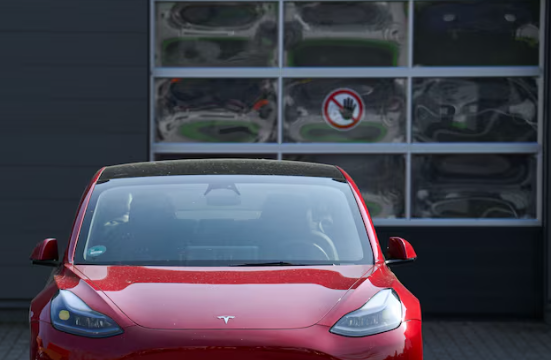
A Tesla electric vehicle is parked at a Tesla dealership, after Tesla, Inc. released its financial results for the first quarter of 2025, in Berlin, Germany April 23, 2025.
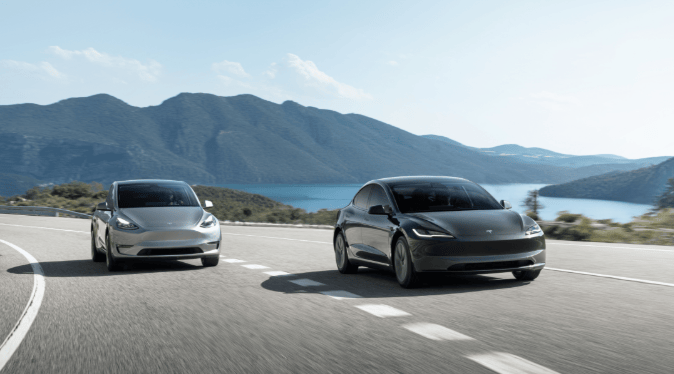
The agency reported that Tesla registered 750 vehicles in Germany during October, reflecting a 53.5% decrease from the same month in 2024. For the year to date through October, Tesla's total registrations stood at 15,595 units, a 50.4% reduction from the prior year's corresponding period.
In comparison, overall registrations of battery electric vehicles in Germany rose significantly, reaching 52,425 units in October, an increase of 47.7% year over year. This uptick highlights the expanding adoption of electric mobility across various manufacturers in the region.
Tesla's performance in October extended a pattern of reduced registrations observed in several other European markets, such as Spain, the Netherlands, and the Nordic countries. These trends indicate ongoing adjustments in demand for the U.S.-based electric vehicle producer throughout the continent.
Meanwhile, registrations for vehicles from the Chinese electric vehicle maker BYD (002594.SZ) increased substantially in Germany during the same period. The company achieved 3,353 units in October, marking more than a ninefold rise compared to October 2024. Cumulative registrations for BYD reached 15,171 units from January through October, demonstrating consistent expansion in the European market.
This contrast in performance underscores the diverse dynamics within Germany's electric vehicle sector. While Tesla navigated challenges related to model transitions and competitive pressures, BYD benefited from its diverse lineup of affordable and technologically advanced options, appealing to a growing segment of consumers. The KBA's figures also reflect broader market maturation, where incentives, infrastructure improvements, and policy frameworks continue to influence buyer preferences.
Looking ahead, upcoming developments could further shape the landscape. Germany plans to introduce a new incentive program for electric vehicles starting in January 2026, aimed at supporting lower- and middle-income buyers. This initiative may encourage additional registrations across brands, including entry-level models like Tesla's recently launched lower-priced version of the Model Y, which debuted in the German market at 39,990 euros—about 5,000 euros less than prior variants.
The electric vehicle market's resilience in October, comprising 21% of all new car registrations in Germany, signals sustained interest despite economic fluctuations. As manufacturers refine their strategies, the sector remains poised for steady progress, driven by innovations in battery technology and charging networks. Overall, these figures from the KBA provide a snapshot of an evolving industry, where global players adapt to local demands while contributing to reduced emissions and enhanced sustainability.
Related Products

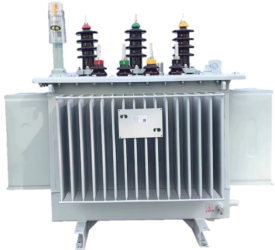
Oil-immersed Amorphous Alloy Core Distribution Transformer
Pinggao Group Smart Electric Co., Ltd.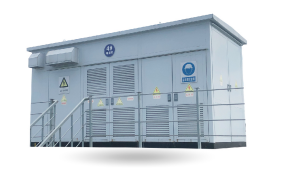
Smart Photovoltaic Prefabricated Substation
Shanghai Jinyou Jinhong Intelligent Electric Co., Ltd.

Hydraulic Turbine Genset
Dongfang Electric Corporation Dongfang Electric Machinery Co., Ltd.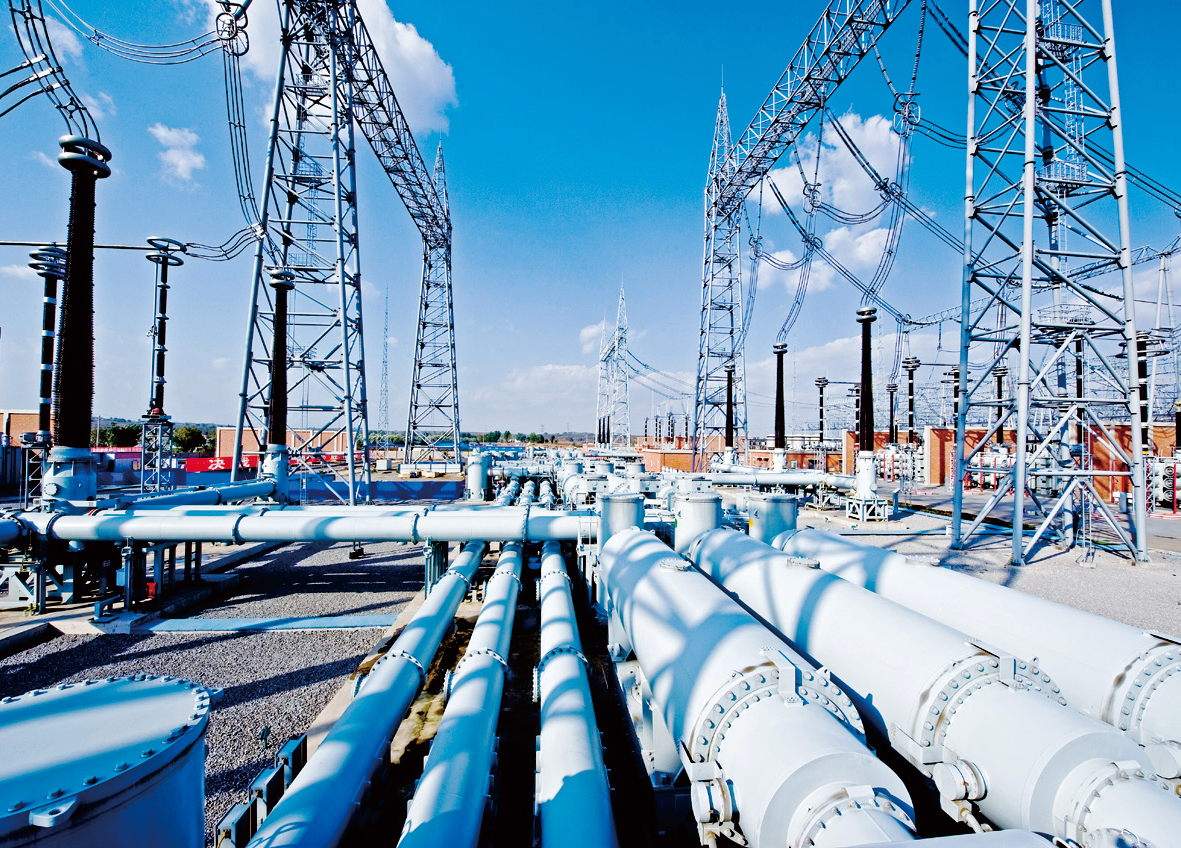
40.5kV-1100kV Gas Insulated Metal-Enclosed Switchgear (GIS)
Henan Pinggao Electric Co., Ltd.
Photovoltaic and Wind Power Generation Technology
Beijing Boqi Electric Power SCI-TECH Co., Ltd.