Qatar Airways Sells Entire Cathay Pacific Stake for $897 Million
Wedoany.com Report-Nov. 6, State-owned Qatar Airways has chosen to divest its full ownership in Cathay Pacific Airways (0293.HK), valued at approximately $897 million (HK$6.97 billion). This move signifies the airline's total withdrawal from Hong Kong's primary carrier following an eight-year involvement.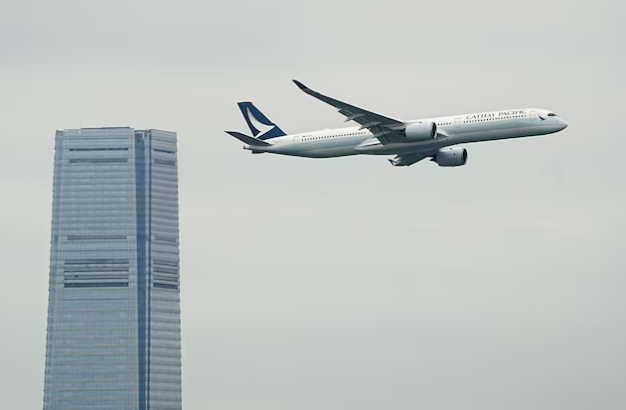
A Cathay Pacific A350 flies low over Hong Kong’s urban area near Kai Tak Sports Park, built on the site of the former Kai Tak Airport, to commemorate the 100th anniversary of its opening during the Rugby Sevens in Hong Kong, China March 30, 2025.
Cathay announced on Wednesday evening that the carrier based in Doha had initiated discussions regarding the sale of its complete 9.7% holding. The repurchase will occur via a share buyback program at HK$10.8374 per share, which represents about a 4% reduction compared to the most recent closing price.
The airline from the Gulf region acquired this interest in November 2017 from Kingboard Chemical Holdings (0148.HK) in Hong Kong. This positioned Qatar Airways as the third major stakeholder in Cathay, following Swire Pacific (0019.HK) and Air China (601111.SS).
This acquisition marked Qatar Airways' initial significant commitment to an airline in Asia, with the goal of enhancing its international presence and expanding passenger flows via its hub in Doha.
Qatar Airways CEO Badr Mohammed Al-Meer said the exit reflected the company's disciplined portfolio strategy and followed a period of strong results, allowing the company to optimise investments and position itself for long-term growth.
The airline from the Middle East has implemented an approach of acquiring stakes in various global carriers to bolster its market standing. These include investments in the parent company of British Airways, IAG (ICAG.L), the South American operator LATAM (LTM.SN), and Virgin Australia (VGN.AX).
Cathay is set to pay approximately a 35% markup over the initial amount Qatar Airways invested for the shares during the repurchase. The carrier in Hong Kong plans to finance this transaction using its own funds and available borrowing facilities.
Cathay Chairman Patrick Healy said the stake buyback reflected "strong" confidence in the company's future. The airline has outlined a HK$100 billion investment initiative spanning seven years, focusing on updating its aircraft fleet, improving cabin amenities, and enhancing lounge facilities.
Upon approval of the transaction, the primary shareholder Swire Pacific's ownership in Cathay will increase to 47.69% from 43.12%. Similarly, Air China's portion will grow to 31.78% from 28.74%.
Both Cathay and Qatar Airways have confirmed that their collaboration will persist within the oneworld Alliance framework.
This development highlights ongoing adjustments in airline ownership structures amid evolving market conditions. Qatar Airways' decision aligns with its broader efforts to refine its asset holdings, ensuring sustained operational efficiency. Meanwhile, Cathay's repurchase demonstrates a commitment to consolidating control and pursuing growth opportunities. The partnership through the alliance ensures continued cooperation in areas such as route sharing and passenger services, benefiting travelers globally.
The transaction's pricing reflects current market valuations, with the discount applied to facilitate a smooth buyback process. Historical context shows that such investments often serve strategic purposes, like network expansion, which Qatar Airways successfully leveraged during its tenure as a shareholder.
Cathay's future plans, including the substantial capital outlay, aim to modernize operations and improve customer experiences. This includes acquiring new aircraft models and upgrading interior designs to meet contemporary standards. The airline's leadership views this as a pivotal step toward recovery and expansion in the post-pandemic aviation landscape.
Overall, the deal underscores the dynamic nature of international aviation investments, where entities regularly assess and realign their portfolios to adapt to economic shifts and competitive pressures. Both parties emphasize that the separation is amicable, with no disruption to existing alliances or services.
Related Products
![IVECO Cash-in-Transit [DMT5048XYCL3-AM] - Chongqing Dima Industry Co., Ltd](https://img.wedoany.com/2026/0911/20260911030157582.png)

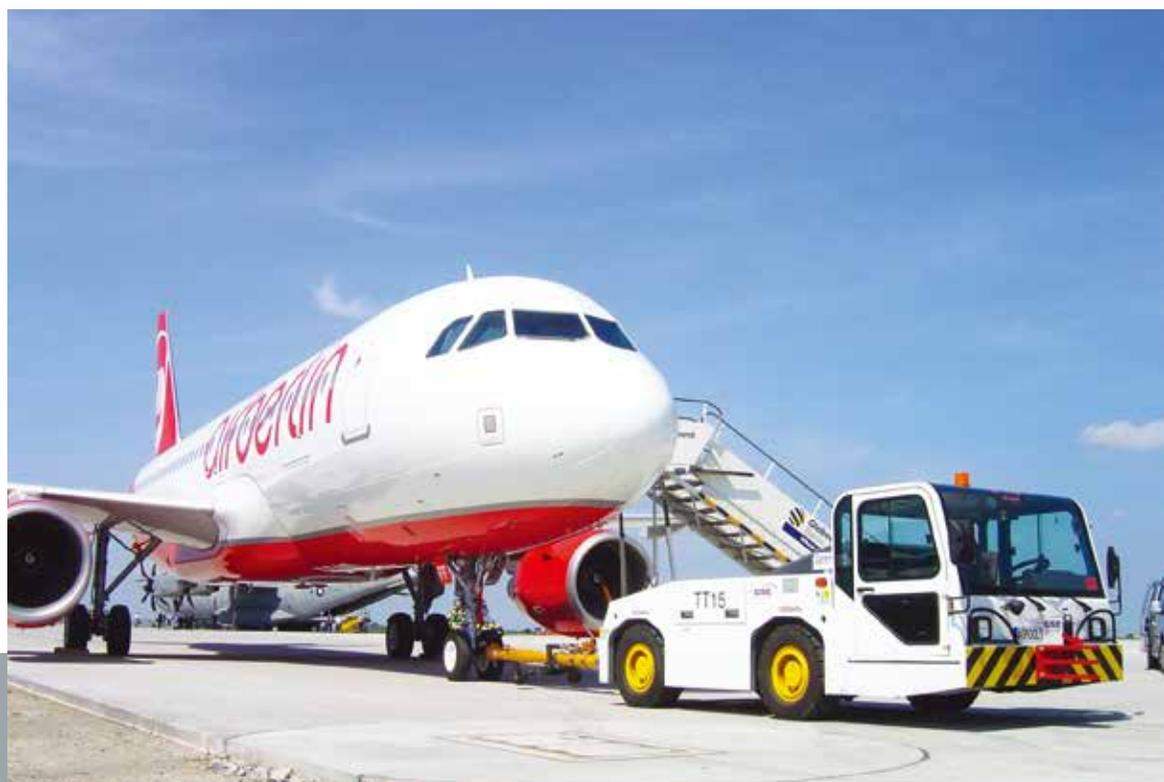
WGQY Series Aircraft Tow Tractor-WGQY15, WGQY27
Weihai Guangtai Airport Equipment Co., Ltd.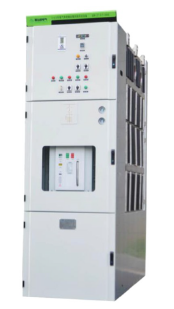
GSR6-27.5kV SF6 Free Gas-insulated Metal-enclosed Switchgear
Zhejiang Juhonkia Intelligent Electric Co., Ltd.
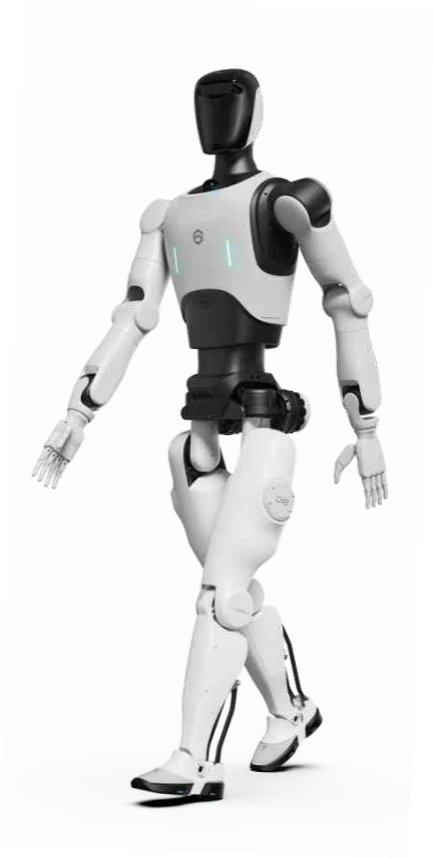
D12 Humanoid Robot
Automation Research Institute Co., Ltd. of China South Industries Group Corporation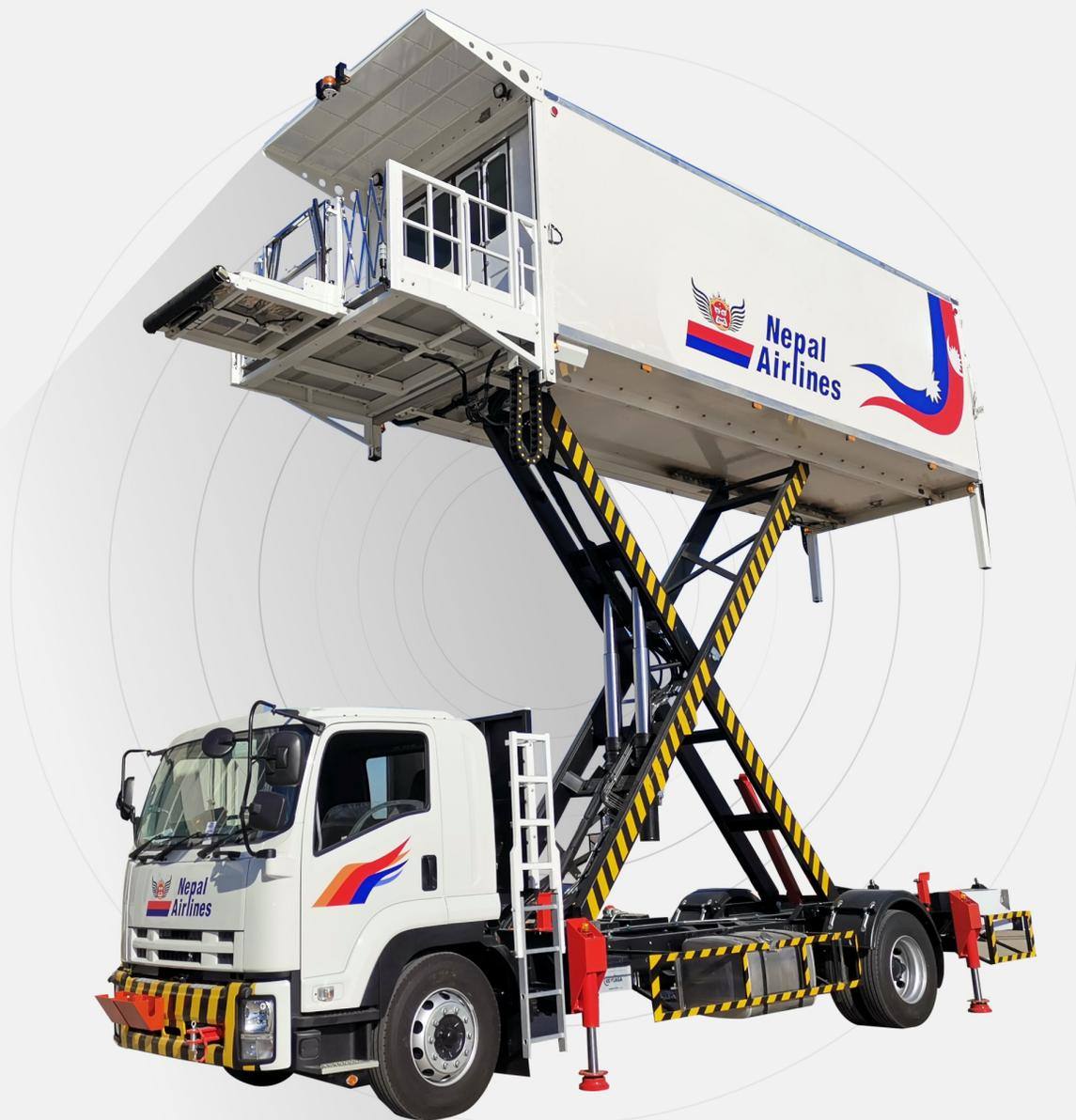
XC-6000e Type Aviation Catering Truck (Fuel Type)
Shenzhen CIMC-TianDa Airport Support Ltd.
Explosion-proof lithium battery dispatching monorail crane locomotive (permanent magnet frequency conversion integrated machine)
Xiangtan Hengxin Industrial Co., Ltd.