BMW Boosts Profit Margin for Cars as EV Spending Passes Peak
Wedoany.com Report-Nov. 6, BMW reported a rise in its third-quarter core profit margin as the German automaker passed the peak of research and development spending on its new all-electric range, which it expects will drive future growth amid increasing competition in China. The company achieved an operating margin of 5.2% in its automotive segment for the July to September period, compared with 2.3% a year earlier when brake-related issues affected sales.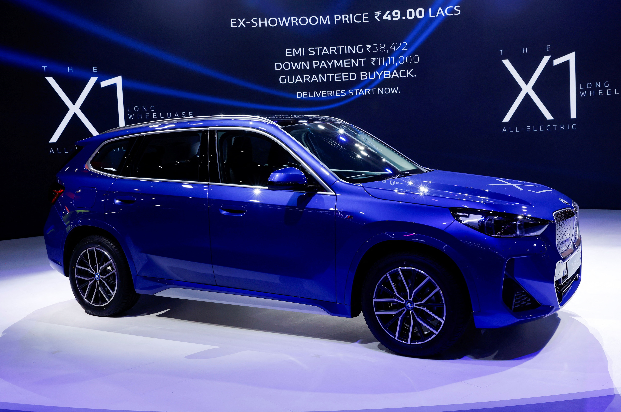
The results provided a positive highlight in what has been a challenging quarter for European automakers facing high U.S. tariffs, competitive pressure from lower-priced Chinese vehicles, and renewed concerns over semiconductor supply. BMW shares rose 2.4% in early trading following the announcement.
“In the third quarter, we once again proved that our business model is robust and resilient,” CEO Oliver Zipse said. Group earnings before interest and tax matched analysts’ expectations at 2.3 billion euros ($2.7 billion), while revenue came in slightly below forecast at 32.3 billion euros.
Despite cutting its full-year guidance last month due to rising tariff costs and slower demand in China, BMW maintained its outlook for a car segment margin between 5% and 6%, down from 6.3% in 2024. The company said tariffs had reduced its car margin by about 1.75 percentage points during the third quarter.
BMW’s new electric vehicle lineup, known as the “Neue Klasse,” is expected to become a major growth driver starting in 2026. The automaker said it has moved beyond last year’s record investment phase in electric vehicle development. The first model from the series, the iX3, has received strong demand in Europe, with orders extending into 2026. Zipse noted that pricing for the Chinese market has not yet been finalized due to competitive conditions.
Bernstein analysts commented on the company’s strategic direction: “We believe that BMW’s Neue Klasse offers a compelling way to play the sector. In our view, we are on the eve of one of the most comprehensive transformation stories we see in our coverage.”
BMW’s global production footprint remains an advantage amid shifting trade dynamics. As one of the largest car exporters from the United States, particularly through its Spartanburg, South Carolina plant, the company is relatively well-positioned against tariff-related disruptions affecting automakers without U.S. manufacturing capacity. However, BMW also faces challenges from European Union tariffs on its China-made electric Mini models.
Overall, the company’s performance reflects both resilience and adaptation to a rapidly evolving global automotive landscape. While tariffs and demand fluctuations pose near-term risks, BMW’s continued focus on electrification and diversified manufacturing operations supports its strategy to sustain competitiveness and profitability. The upcoming Neue Klasse series is expected to play a central role in BMW’s next phase of electric mobility growth.
Related Products

0.66kV Power Supply Instrument Transformer
Guangdong Sihui Instrument Transformer Works Co., Ltd.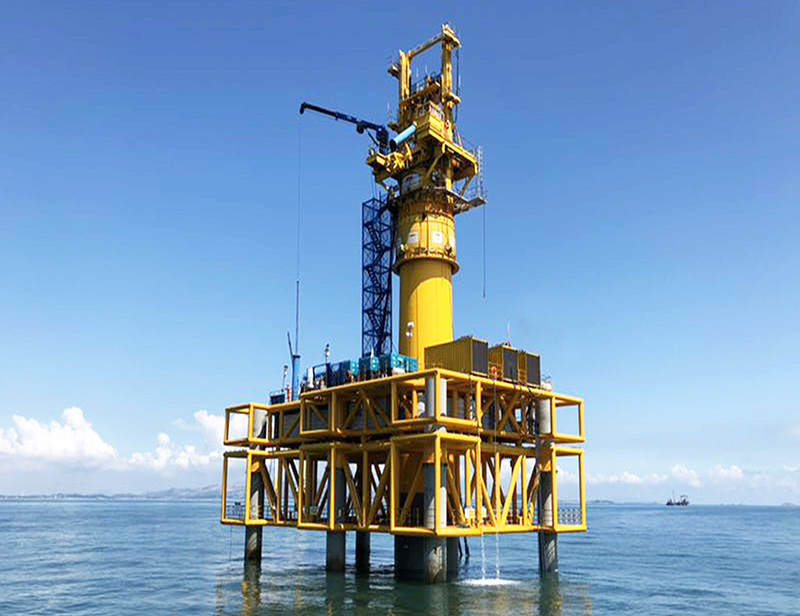
CITIC Heavy Industries Offshore Wind Power Equipment Hydraulic Pile Hammer
CITIC Heavy Industries Co., Ltd.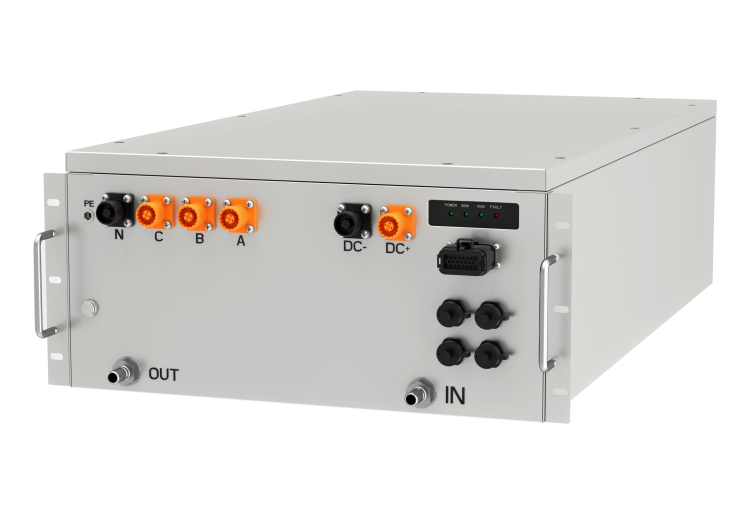
Mars (Liquid Cooling) Series Industrial and Commercial Energy Storage Converter High Protection Module
Shenzhen Winline Technology Co., Ltd.
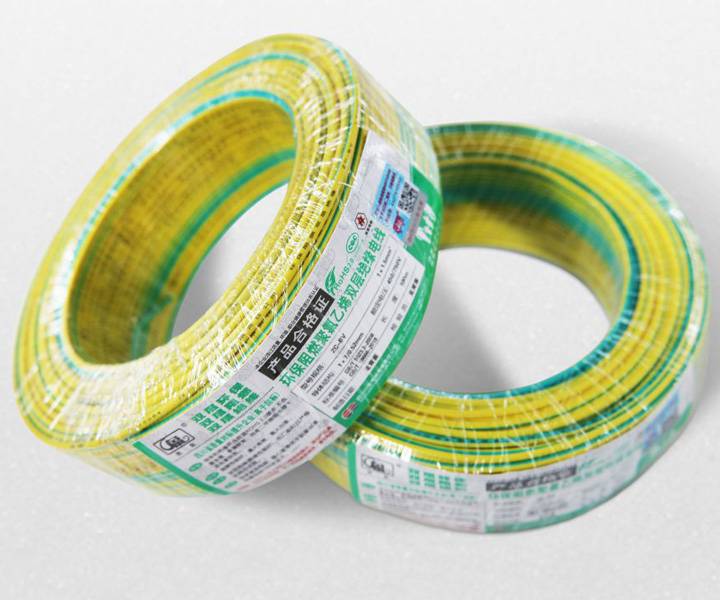
Environmentally Friendly Flame-retardant PVC Double-layer Insulated Wire
Sichuan Chndo Cable Co., Ltd.
Prefabricated Houses and Electrical Energy Boxes
Chengdu Ruilong Machinery Manufacturing Co., Ltd.