Wedoany.com Report on Feb 5th, The U.S. oil and gas industry continues to expand, driving increased demand for energy infrastructure. Texas-based energy infrastructure company WhiteWater recently announced plans to enhance the throughput capacity of the Eiger Express natural gas pipeline, which primarily transports natural gas resources from the Permian Basin.
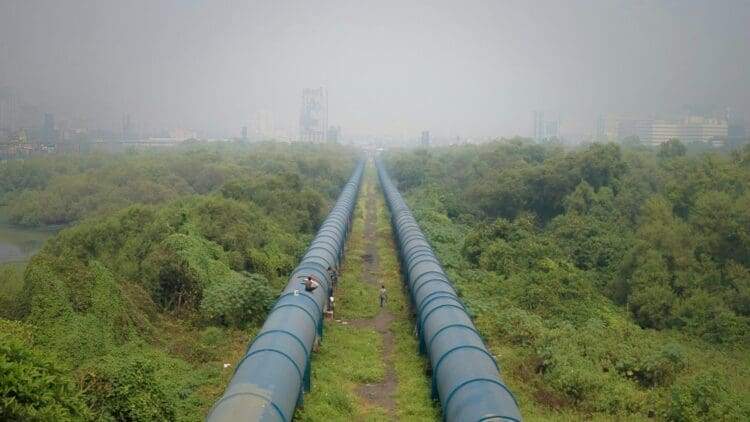
The rapid development of the U.S. energy market, with its leading global natural gas production, makes pipeline capacity upgrades a necessary step. WhiteWater stated that the expansion of the Eiger Express pipeline aims to meet the growing demand for natural gas in the U.S. market. The company has secured relevant transportation agreements and formulated specific expansion plans.
WhiteWater plans to increase the pipeline's mainline capacity from 2.5 billion cubic feet per day to 3.7 billion cubic feet per day. To achieve this, the mainline has been upgraded to a 48-inch pipeline to increase natural gas flow. The company emphasized that the expansion project will not affect the previously announced mid-2028 operational timeline, and the project is progressing as planned. Last year, the joint venture owning the pipeline made a final investment decision regarding the development plan.
The Eiger Express pipeline is approximately 450 miles long, connecting the Permian Basin to the Kay area in the U.S. Gulf Coast region, which hosts numerous natural gas processing facilities serving the U.S. market. The pipeline is jointly owned by several companies, including the Matterhorn Joint Venture (70%), ONEOK (15%), and MPLX (15%). The ownership structure of the Matterhorn Joint Venture is: WhiteWater (65%), ONEOK (15%), MPLX (10%), and Enbridge (10%).
The Permian Basin holds a significant position in U.S. energy supply. Amol Wayangankar of Enkon Energy Advisors noted, "Typically, the Permian Basin requires a major pipeline every 16 to 18 months." As the U.S. strengthens its influence in the international energy market, reports indicate that oil and gas pipeline capacity is expected to reach new highs in 2026. Beyond the Permian Basin, other U.S. producing regions, such as the Delaware Basin, are also ramping up production capacity. Recent revised commercial agreements by Western Midstream are expected to bring additional supply to the market.