EU Imports of Soyabeans Fall
Wedoany.com Report-Nov. 7, The European Union (EU) saw a decline in soyabean imports during the first three months of the current marketing year compared to the same period last year, according to data from the European Commission (EC) cited by Germany’s Union for the Promotion of Plants and Protein (UFOP). From July to early October 2025, the EU imported just under 3.3 million tonnes of soyabeans, about 129,000 tonnes less than in the corresponding period of the 2024/25 season, UFOP reported on 16 October.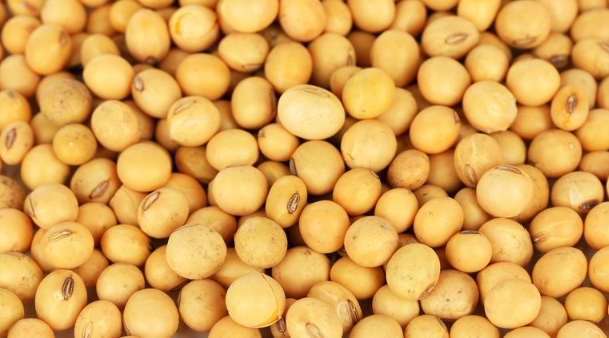
Brazil and the United States continued to be the EU’s leading suppliers, though their contributions shifted notably. Research by Agrarmarkt Informations-Gesellschaft indicated that Brazil’s shipments to the EU dropped by roughly 14%, totaling around 1.8 million tonnes. This decline reduced Brazil’s share of total EU soyabean imports to 56.3%. Despite the decrease, Brazil remained the EU’s largest source of soyabeans by a wide margin.
In contrast, imports from the United States rose about 7%, reaching approximately 970,700 tonnes and increasing its share to 29.6% of total EU soyabean imports. Imports from Ukraine recorded even stronger growth, with volumes rising by around 45% to 345,200 tonnes. Canada and Togo also expanded their deliveries to the EU, though their overall volumes were considerably smaller.
Up to mid-September, EU soyabean imports had actually exceeded the previous year’s level. Analysts attributed this early surge to importers stockpiling ahead of the European Union Deforestation Regulation (EUDR), which was initially scheduled to take effect by the end of 2025. However, after the regulation’s implementation was postponed, import activity slowed sharply in the following weeks.
Soyabeans continued to dominate the EU’s oilseed imports, ranking well ahead of rapeseed. While soyabeans primarily serve to reduce the region’s feed protein deficit, rapeseed imports mainly support the EU’s biofuel production by providing the necessary feedstock for oil-based energy products.
The data underscored the evolving dynamics of the EU’s oilseed supply chain. The overall decline in soyabean imports reflected shifting trade flows and regulatory factors affecting import decisions. At the same time, diversification of suppliers — particularly growing contributions from the United States and Ukraine — highlighted adjustments in sourcing patterns aimed at maintaining supply stability amid policy and market uncertainties.
Industry observers noted that the EU’s future soyabean import trends will likely depend on developments in environmental regulations and global production levels. As the EUDR moves toward enforcement, importers and producers are expected to align trade strategies with sustainability and traceability requirements, which could further influence sourcing preferences and the balance between major suppliers.
Related Products


Industrial and Commercial Point-Type Gas Detector
Jinan Benan Technology Development Co., Ltd.
714CD Series C-Band Weather Radar
Chengdu Zhongdian Jinjiang Information Industry Co., Ltd.