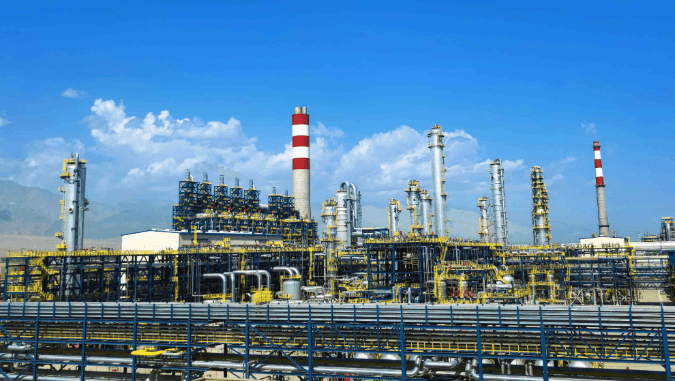
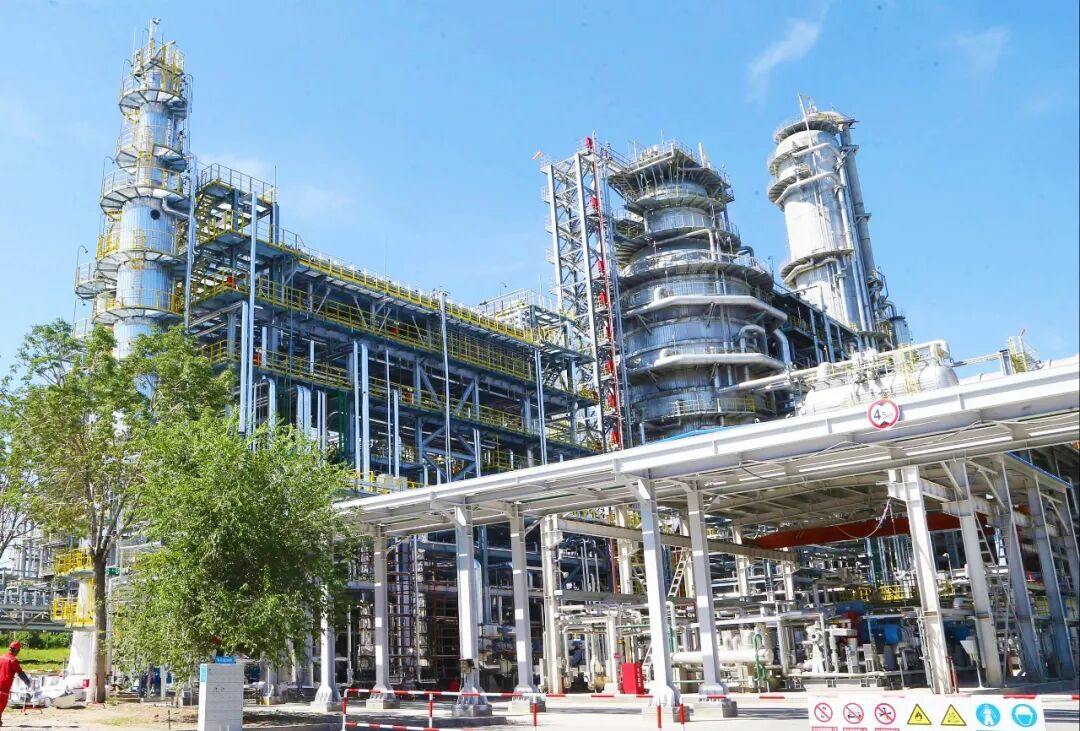
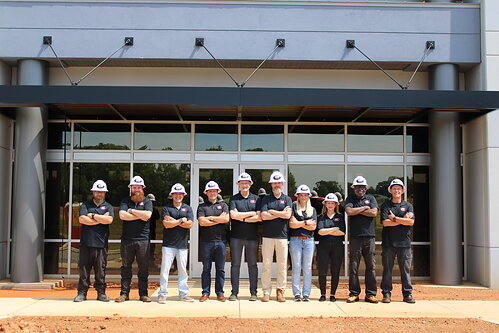
Wedoany.com Report-Nov. 13, German specialty chemicals company LANXESS on Tuesday marked the completion of its capacity expansion at its Qingdao production base in Shandong Province, aiming to meet the growing demand for rubber additives in China. The upgrade increased capacity on two production lines by 50 percent each, raising the site’s total annual output from 25,000 tonnes to 30,000 tonnes.
Michael Rockel, CEO of LANXESS Greater China, said the expansion enhances asset flexibility and integrates advanced automation and energy-efficient technologies. “This is very important for our sustainability goals — not just to promote the products to the market, but to promote the sustainable products,” Rockel said. He added that the move aligns with LANXESS’s “local production for local markets” strategy, which is driven by strong and consistent market demand.
Since its separation from Bayer AG in 2005, LANXESS has built a strong strategic presence in China over the past two decades. The company currently operates nine subsidiaries, seven R&D centers, and multiple production sites nationwide. The Qingdao base, originally established in 1995, has undergone several upgrades, adding new production lines for lubricant additives and other specialty chemicals.
Rockel emphasized that China’s market is shifting from pure volume growth to quality-driven development. “As the market evolves, our customers demand more sustainable and environmentally friendly solutions, and we are committed to bringing these solutions,” he said. He also noted that by collaborating with local suppliers and adjusting its product portfolio, LANXESS has successfully reduced production costs and strengthened its competitiveness. The efficiency and flexibility of China’s supply chain, he added, provide solid support for the company’s global operations.
LANXESS is one of several German enterprises expanding their footprint in China. German industrial automation company Festo Group is advancing its 2030 strategy, focusing on integrating German and Chinese strengths in artificial intelligence and automation across diverse industries. Meanwhile, consumer goods company Beiersdorf has invested over 31 million U.S. dollars in its Shanghai subsidiary to enhance product localization and expand market reach.
Despite global economic challenges, foreign businesses continue to view China as an important destination for investment. By the end of June 2025, China had utilized 708.73 billion U.S. dollars of foreign investment under its 14th Five-Year Plan (2021–2025) and established 22 pilot free trade zones across the country.
According to the 2024/2025 Business Confidence Survey by the German Chamber of Commerce in China, 92 percent of German companies plan to remain in China, and about half intend to increase their investment within the next two years. The expansion of LANXESS’s Qingdao plant reflects this continued confidence in China’s manufacturing environment and its long-term growth potential.