
Tetra Pak and García Carrión Achieve Sustainable Packaging Breakthrough
Wedoany.com Report-Dec.14, Tetra Pak and Spanish beverage producer García Carrión have launched the world's first aseptic carton for juice that replaces the traditional aluminium foil barrier with an innovative paper-based alternative. The new Tetra Brik® Aseptic 200 Slim Leaf package, introduced for the Don Simón juice brand, is now commercially available across Spain.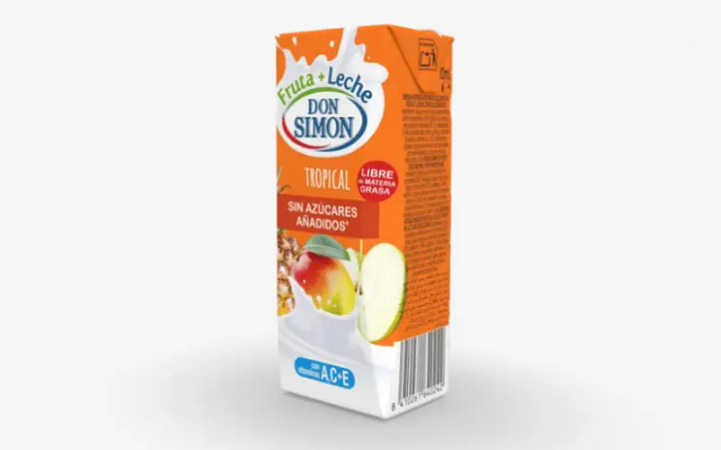
The carton contains up to 80% paperboard and, and when combined with plant-based polymers for coatings and the new paper-based barrier, achieves 92% renewable content. Independent verification by the Carbon Trust confirms a 43% lower carbon footprint compared with standard aseptic cartons using aluminium foil and fossil-based plastics.
Don José García Carrión, president of García Carrión, commented: "We are proud to lead the way in sustainable packaging for the juice category… This innovation supports our mission to reduce environmental impact while offering high-quality products to our consumers."
The breakthrough centres on Tetra Pak's paper-based barrier technology, which maintains full aseptic performance – blocking oxygen, light, moisture and bacteria – while delivering equivalent shelf life to conventional foil-based cartons. The solution enables easier recycling in existing paper streams and increases the yield of high-quality recovered fibre.
Tatiana Liceti, Executive Vice President, Packaging Solutions at Tetra Pak, stated: "This launch represents a significant step in our journey towards fully renewable and recyclable packaging. By working closely with our customers, we're proving that sustainable innovation can scale across markets and categories, while ensuring packaging retains its functionality and quality."
The development earned García Carrión the Factories of the Future Award 2024 for Excellence in Sustainability and Circular Economy. The package is designed for collection and recycling wherever paper-carton recycling infrastructure exists, contributing to improved material recovery rates and supporting circular economy objectives.
This commercial rollout demonstrates that high-performance aseptic packaging for ambient juice can shift decisively toward renewable materials without compromising food safety or convenience. The technology is expected to expand to additional formats and markets as production scales, offering food and beverage producers a practical route to reduce fossil-based content and carbon emissions while maintaining product protection standards.
Related Products

Hongxing Steel Martensitic Stainless Steel Products
Gansu JISCO Group Hongxing Iron and Steel Co., Ltd.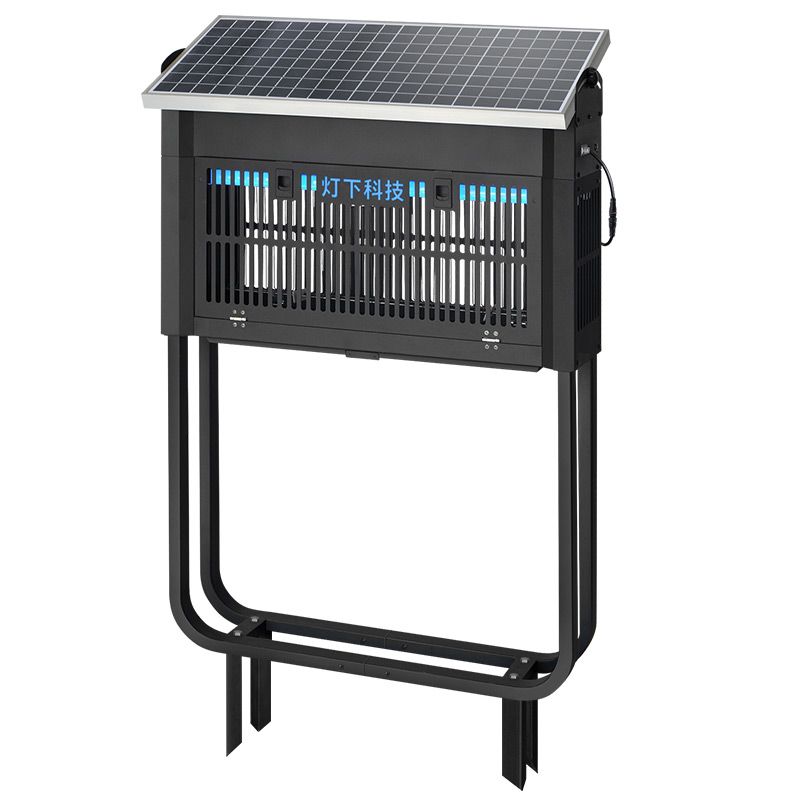
32000 MAh Large Capacity Luxury 365nm UVA LED Solar Mosquito Killer Lamp for Home Garden
Dengxia Technology (Guangdong) Co., Ltd.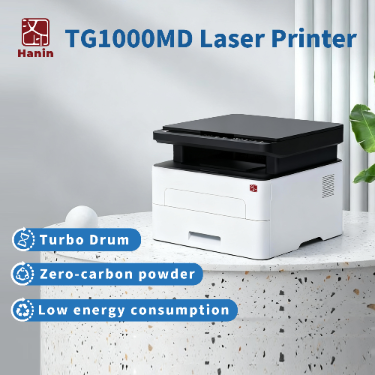
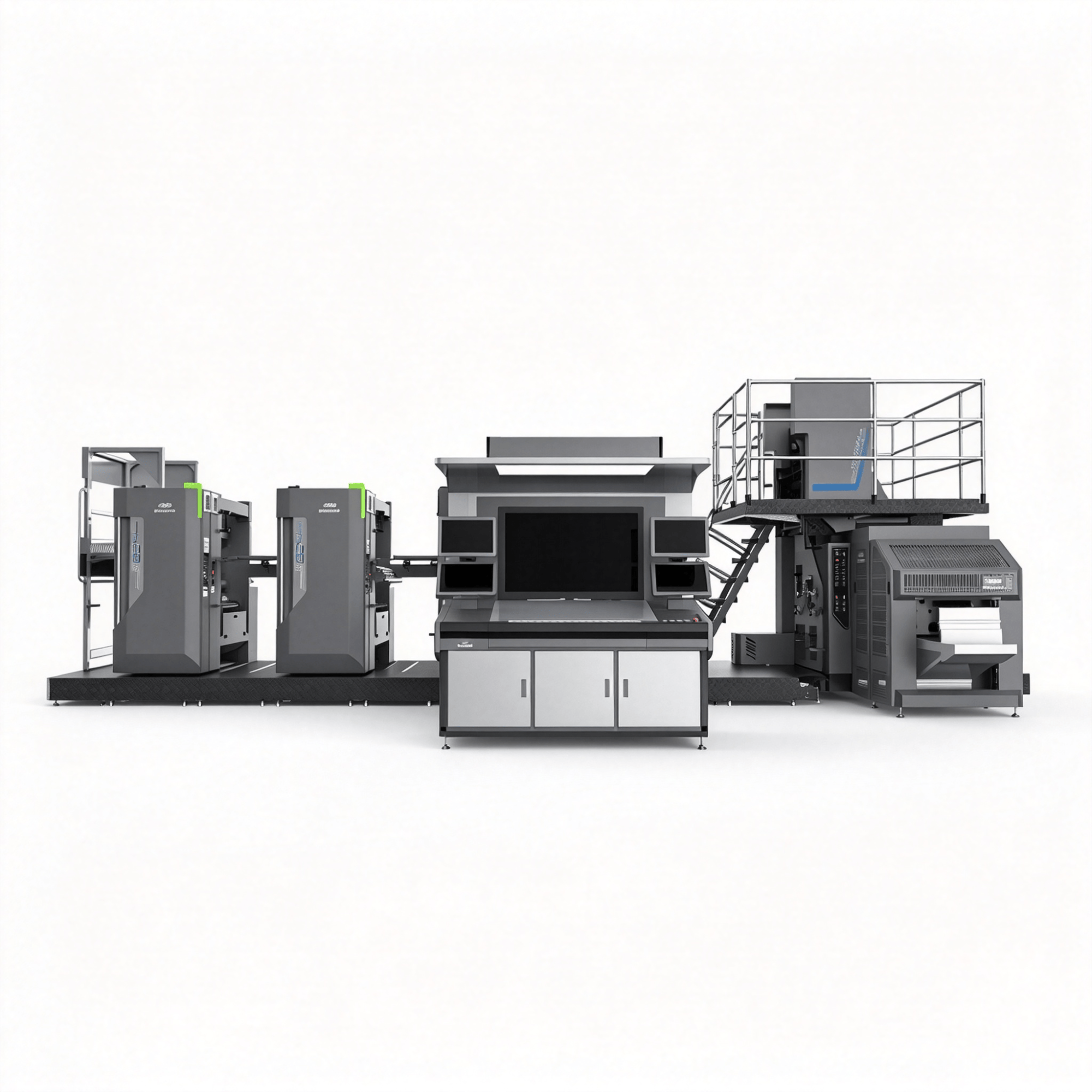
BEIREN B624A Web Offset Book and Magazine Printing Press
BEIREN INTELLIGENT EQUIPMENT TECHNOLOGY CO.,LTD.


