NHPC Building Eight Hydropower Projects With 8.51GW Capacity
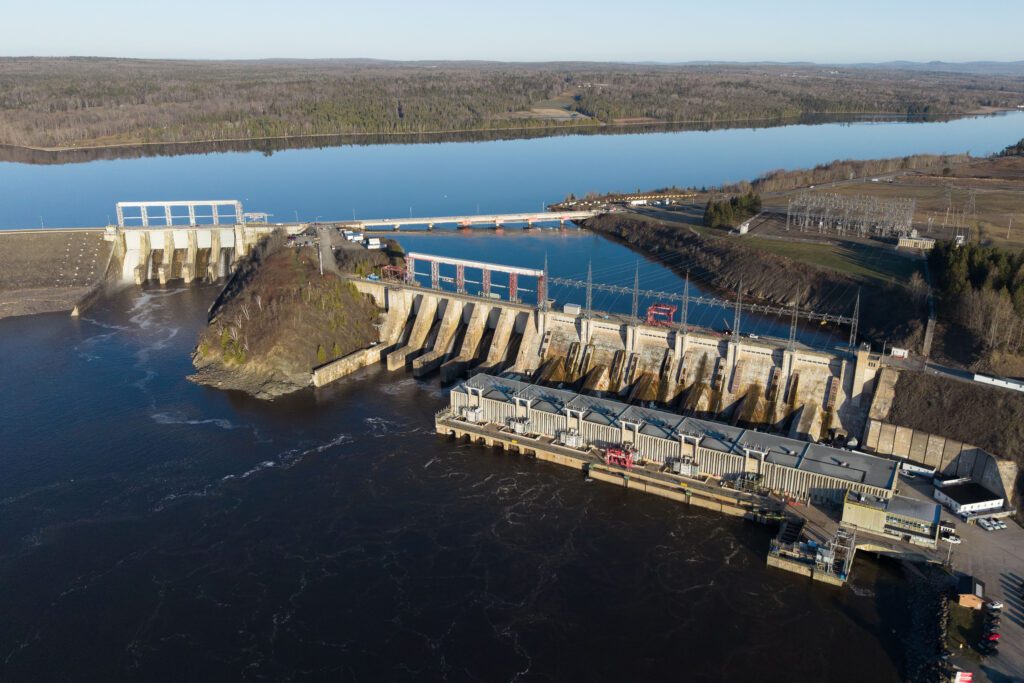
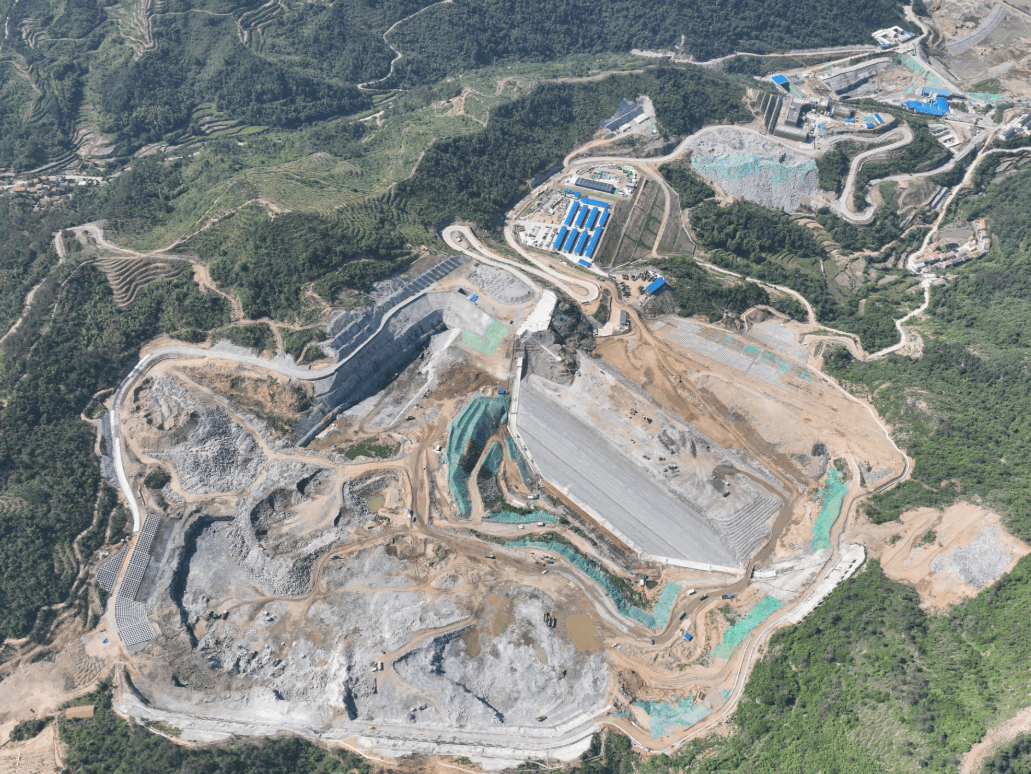
Wedoany.com Report-Dec.17, NHPC Limited, along with its joint venture and subsidiary entities, is advancing construction on eight hydroelectric projects totaling 8.51 gigawatts in capacity, as informed to the Lok Sabha.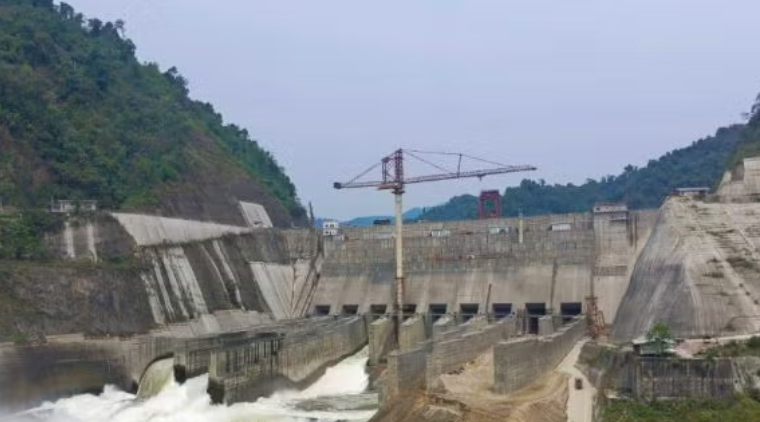
Of these, three initiatives with a combined 5.38 gigawatts are managed directly by NHPC. These comprise the 2 gigawatt Subansiri Lower Hydroelectric Project and the 2.88 gigawatt Dibang Multipurpose Project in Arunachal Pradesh, plus the 500 megawatt Teesta-VI Hydroelectric Project in Sikkim. Upon completion, they are projected to produce 21,045 million units of electricity annually, requiring an investment of approximately ₹68,273 crore. Commissioning timelines include December 2026 for Subansiri Lower, February 2032 for Dibang, and September 2029 for Teesta-VI.
The other five projects, contributing 3.13 gigawatts, are executed through joint ventures and subsidiaries. Located in Sikkim and the Union Territory of Jammu and Kashmir, they encompass the 120 megawatt Rangit-IV in Sikkim, alongside Kiru-II (850 megawatts), Ratle (1 gigawatt), Kwar (624 megawatts), and Pakaldul (540 megawatts) in Jammu and Kashmir. These are slated for operational start between April 2026 and March 2028, with a projected cost of ₹29,834 crore.
Additionally, NHPC and its associated companies have brought 23 hydropower facilities online, achieving an installed capacity of 7,771 megawatts as of October 2025. Annual generation from these assets reached 29,894 million units in 2022–23, 26,056 million units in 2023–24, and 25,194 million units in 2024–25. For the period from April to October in the ongoing fiscal year, output totaled 23,015 million units.
This details were provided by Power Minister Manohar Lal in a written response to the Lok Sabha.
These developments underscore sustained efforts to expand renewable hydropower infrastructure, contributing to national energy requirements through clean sources.
Directly managed large-scale projects in Arunachal Pradesh and Sikkim represent major additions, designed for substantial long-term output and regional benefits.
Joint venture undertakings in Jammu and Kashmir and Sikkim reflect collaborative models that distribute expertise and investment across varied terrains.
Completed facilities demonstrate consistent operational performance, supplying reliable electricity over multiple years despite annual variations influenced by hydrological conditions.
The portfolio's growth aligns with priorities for increasing non-fossil fuel generation capacity.
Staggered commissioning schedules allow phased integration into the grid, supporting stable supply augmentation.
Investments in these initiatives facilitate technology deployment suited to challenging geographic settings, optimizing river resources efficiently.
NHPC's role encompasses both independent execution and partnered approaches, ensuring diversified project advancement.
Overall, the ongoing and operational assets form a significant component of hydropower contributions, aiding energy security and sustainable development objectives.
Related Products

5012kWh DC Energy Storage System TD-EES-5012kWh
Suzhou Tongding Xindong Energy Storage Technology Co., Ltd.
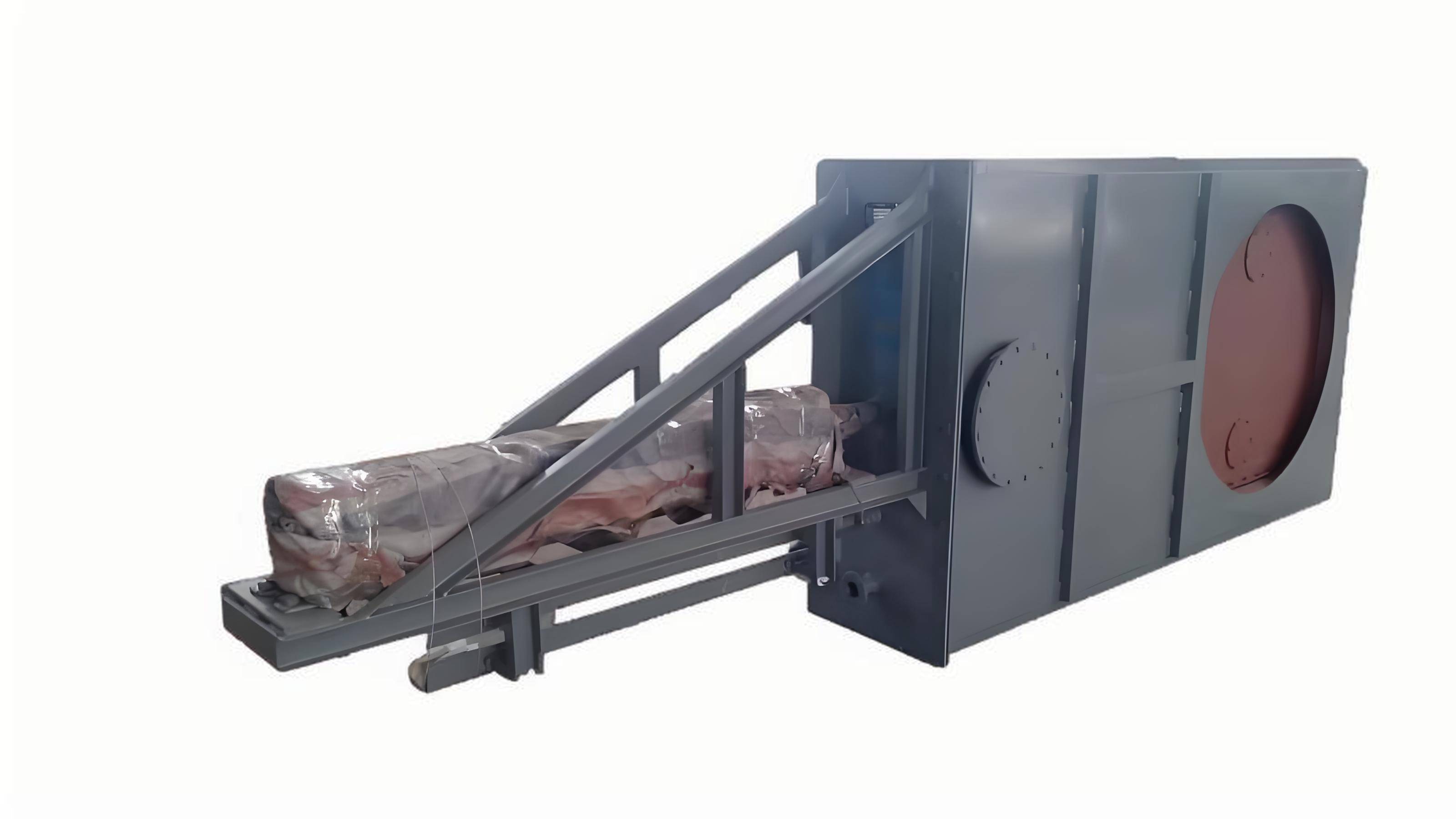
Double-slide Triple-sealed Hot Air Isolation Door
Xi'an Yingchuan Electric Power Equipment Co., Ltd.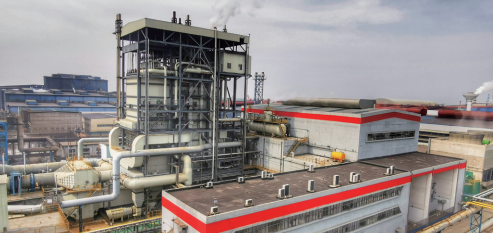
Jiujiang Pinggang 125MW Subcritical Gas Power Generation Project
Capital Engineering & Research Incorporation Limited
714CD Series C-Band Weather Radar
Chengdu Zhongdian Jinjiang Information Industry Co., Ltd.