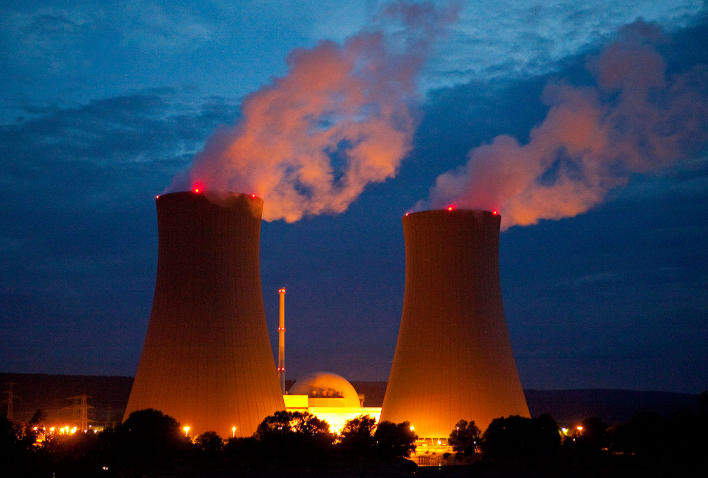
Wedoany.com Report on Mar 18th, The efficient transformation of scientific and technological achievements is a core support for improving quality and efficiency and achieving high-quality development in nuclear power projects. Its implementation effectiveness directly impacts project construction efficiency and technological innovation outcomes. China Nuclear Industry Fifth Construction Co., Ltd. closely follows the deployment of the China National Nuclear Corporation's Excellence Performance Model standardization. Adopting a three-step strategy of "laying the foundation - stepping up - continuous deepening," the company systematically advances related work. It deeply aligns the seven modules of the Excellence Performance Model with the pain points and difficulties in transforming scientific and technological achievements. By establishing a cross-departmental linkage closed-loop system and employing scientific management tools such as the PDCA cycle, the company promotes standardized control and continuous improvement across the entire process. This successfully achieved the efficient implementation and application of thin-walled small-diameter pipe TIG automatic welding equipment in the Hainan Changjiang Nuclear Power Project. Empowered by excellence performance management, scientific and technological achievements are transformed into practical engineering results, injecting strong innovative momentum into nuclear power project construction.
Grasping Excellence Performance Modules
Ensuring Efficient Implementation of Scientific and Technological Achievements
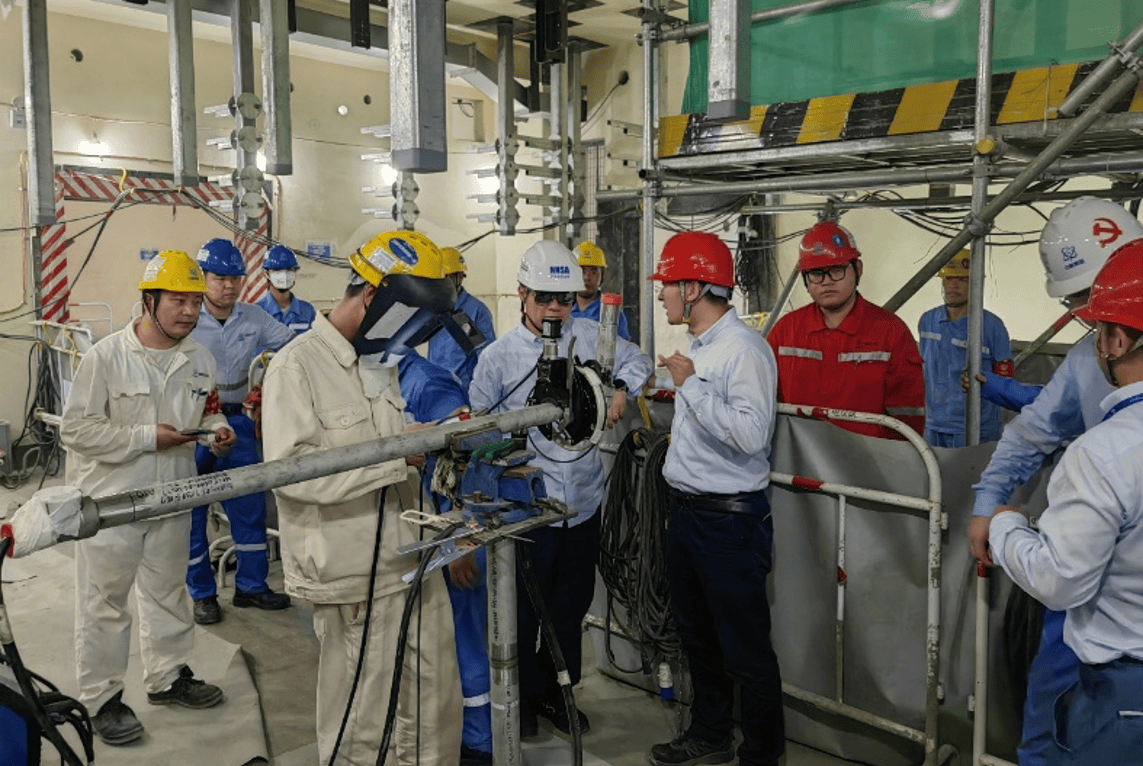
The company aligned the seven modules of the Excellence Performance Model with the pain points of transforming scientific and technological achievements. Centered on the goal of applying automatic welding, it leveraged the guiding role of "Leadership" to establish an automatic welding equipment application organization involving the Engineering Research Institute, Science & Technology Quality Department, Nuclear & Systems Engineering Division, and project departments as main participants. Simultaneously, with the Hainan Changjiang Nuclear Power Project Department and the owner as the "Customers & Markets," it conducted in-depth research into the practical needs of all parties for the equipment. By integrating resources across all dimensions including technology, human resources, information, and equipment, the company achieved efficient connection throughout the entire process from equipment demand, design, production to on-site construction. Furthermore, the company introduced relevant tools and methods from the Excellence Performance Model to accurately assess the match between achievements and engineering needs. It established problem and optimization lists along with a daily reporting mechanism to promote continuous improvement and optimization of the entire process.
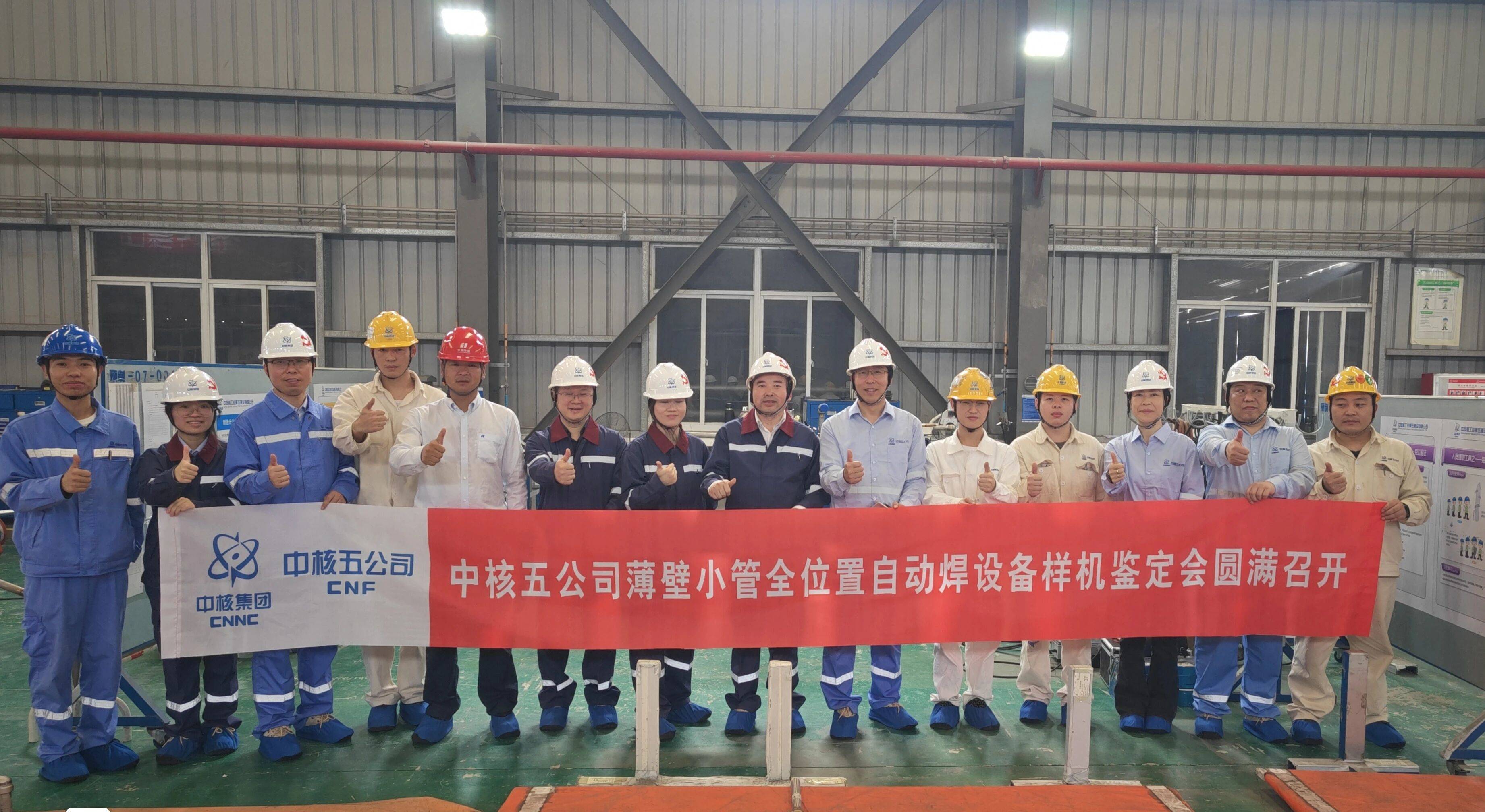
Ultimately, the Hainan Changjiang Nuclear Power Project Department deployed four sets of thin-walled small-diameter pipe automatic welding equipment, completing nearly 2500 small-diameter pipe welds on-site within four months. The equipment received unanimous recognition from the owner, the engineering company, and the project department, and successfully passed the prototype appraisal.
Applying Excellence Performance Synergy Concept
Building a Cross-Departmental Linkage Closed-Loop System
The Engineering Research Institute applied the IPD model to effectively integrate various resources, shorten product development cycles, and improve R&D quality. Simultaneously, leveraging the advantages of the Excellence Performance Model in resource integration and collaborative linkage, it strengthened cross-departmental collaboration, process standardization, and phased review control. By employing systematic management methods and collaborative management tools, a multi-party linkage and coordination mechanism was established. A collaborative workflow featuring regular communication, dedicated liaisons, and closed-loop supervision was implemented, effectively breaking down departmental barriers, consolidating work synergy, and comprehensively enhancing R&D and project implementation efficiency.
The Science & Technology Quality Department took the lead in overall coordination. Relying on the Excellence Performance process management tools, it established a special task force responsible for overall planning, standard setting, and process supervision. By establishing performance indicator systems and conducting process audits, the department compiled weekly progress reports from all parties, promptly coordinated to resolve cross-departmental interface issues, and ensured the entire process of implementing scientific and technological achievements met the requirements of the Excellence Performance Model.
The Nuclear & Systems Engineering Division focused on technical support, assigning dedicated personnel to liaise with the Hainan Changjiang Nuclear Power Project Department. Using Excellence Performance innovation management tools, it precisely collected technical requirements from the engineering site, simultaneously fed them back to the Engineering Research Institute, promoted the deep integration of scientific and technological achievements with actual nuclear power engineering, and provided full-process technical Q&A support.
Personnel from the Hainan Changjiang Nuclear Power Project Department and the Engineering Research Institute were stationed on-site. Utilizing Excellence Performance customer satisfaction evaluation and on-site management tools, they arranged dedicated personnel to handle demand collection, on-site coordination, and implementation. Daily on-site construction progress and equipment adaptation status were synchronized with the Science & Technology Quality Department and the Nuclear & Systems Engineering Division, building a bridge for the "last mile" of achievement transformation and forming a closed-loop work system of "overall coordination, technical support, and on-site implementation."
Continuous Improvement and Innovation
Dual Enhancement of Product Quality and Service
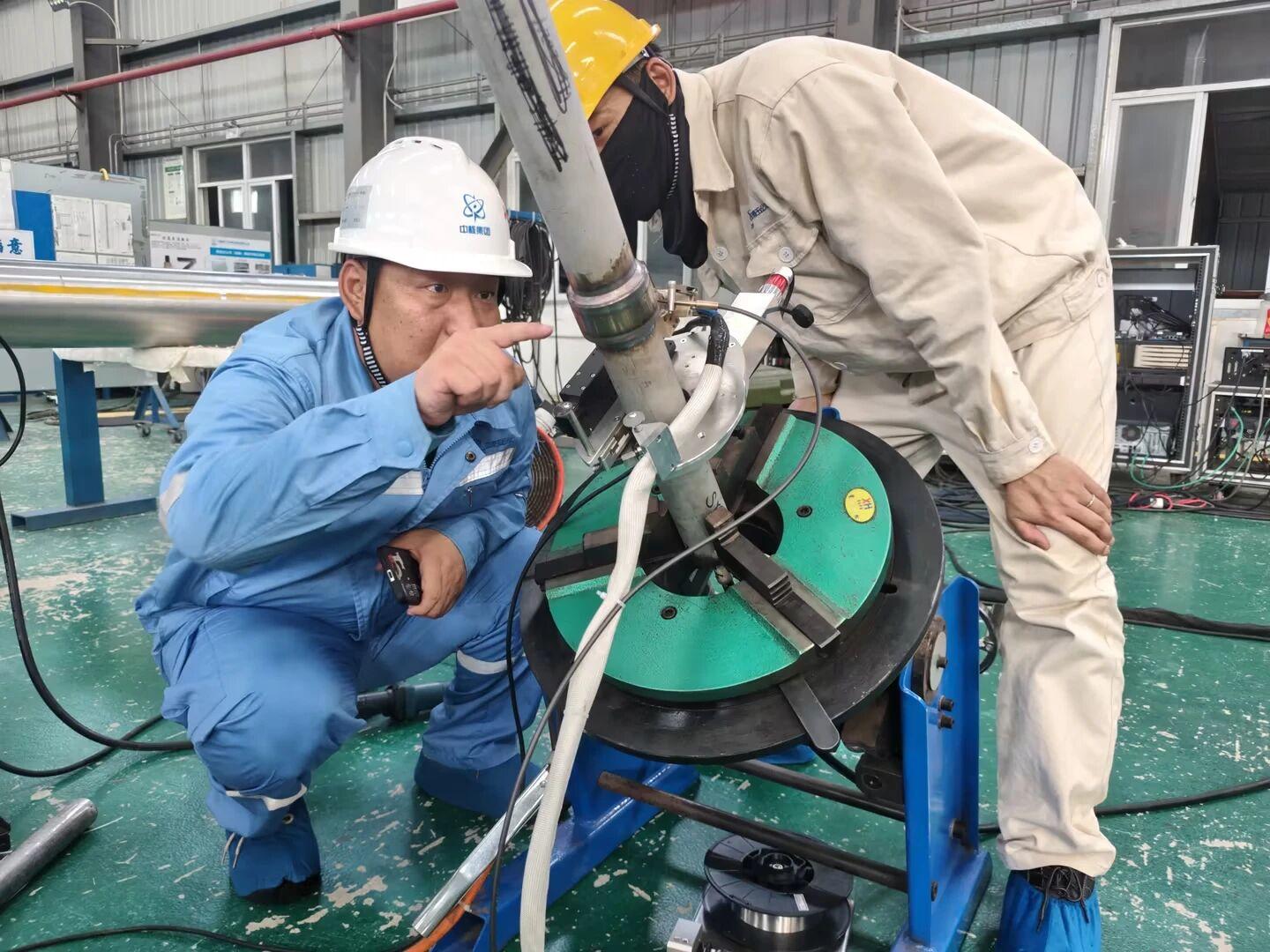
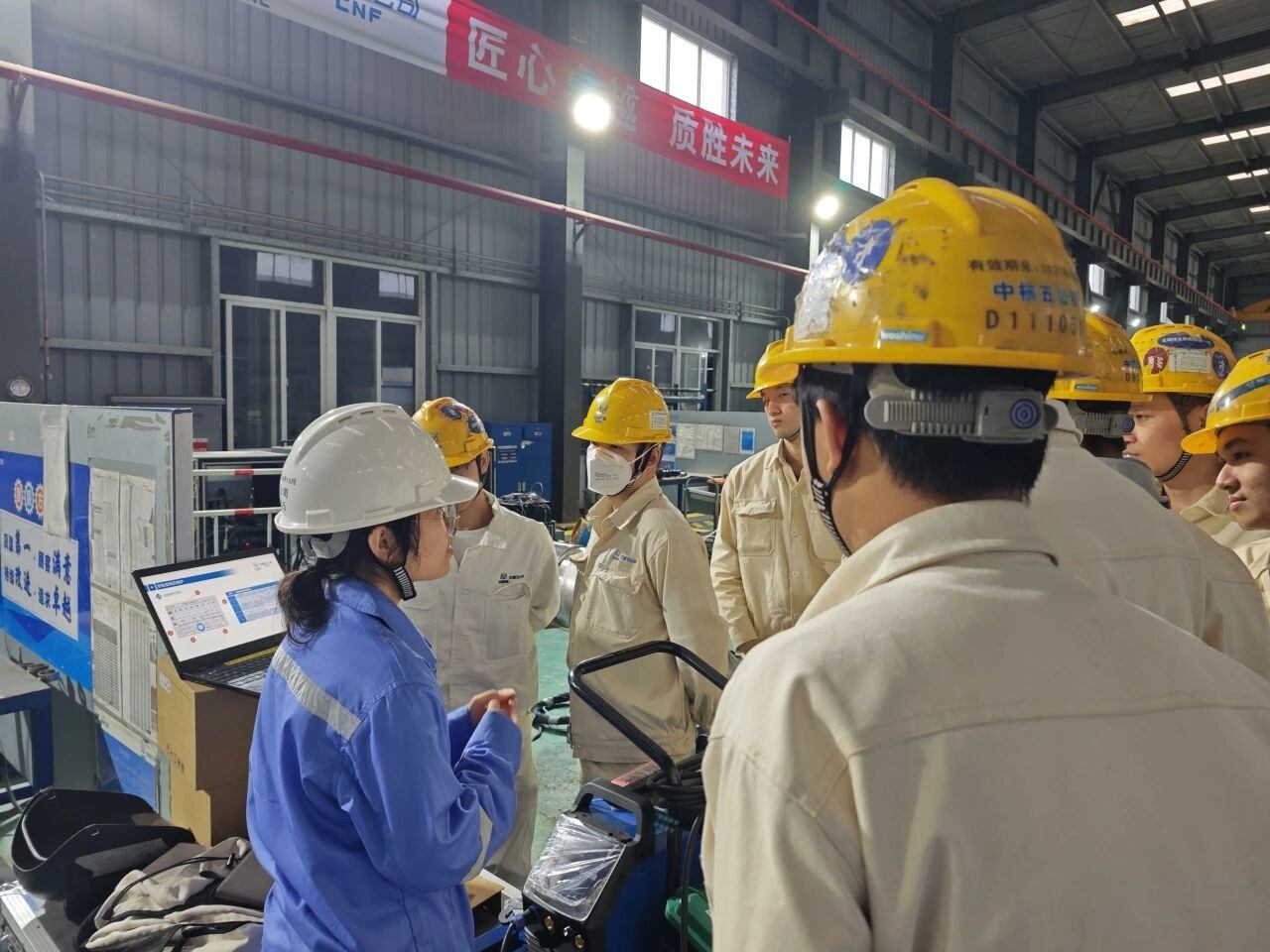
The Engineering Research Institute closely aligned with the actual needs of the company's nuclear power project departments, deeply applying the process management methods, quality control tools, and PDCA cycle tools of the Excellence Performance Model to carry out full-process on-site implementation work. Throughout the product's entire lifecycle, it employed Excellence Performance process audits and problem improvement tools to conduct comprehensive, full-process debugging and testing, promptly identifying and resolving various technical challenges. During the equipment training and on-site construction phases, the Engineering Research Institute's on-site personnel worked alongside the nuclear power project department's construction teams, promptly answering construction questions. They also collaborated with the Science & Technology Quality Department to conduct process supervision, continuously optimizing construction processes through the PDCA cycle to ensure smooth project advancement.
Practicing the Excellence Performance Model
Implementation of Scientific and Technological Achievements Demonstrates Transformation Value
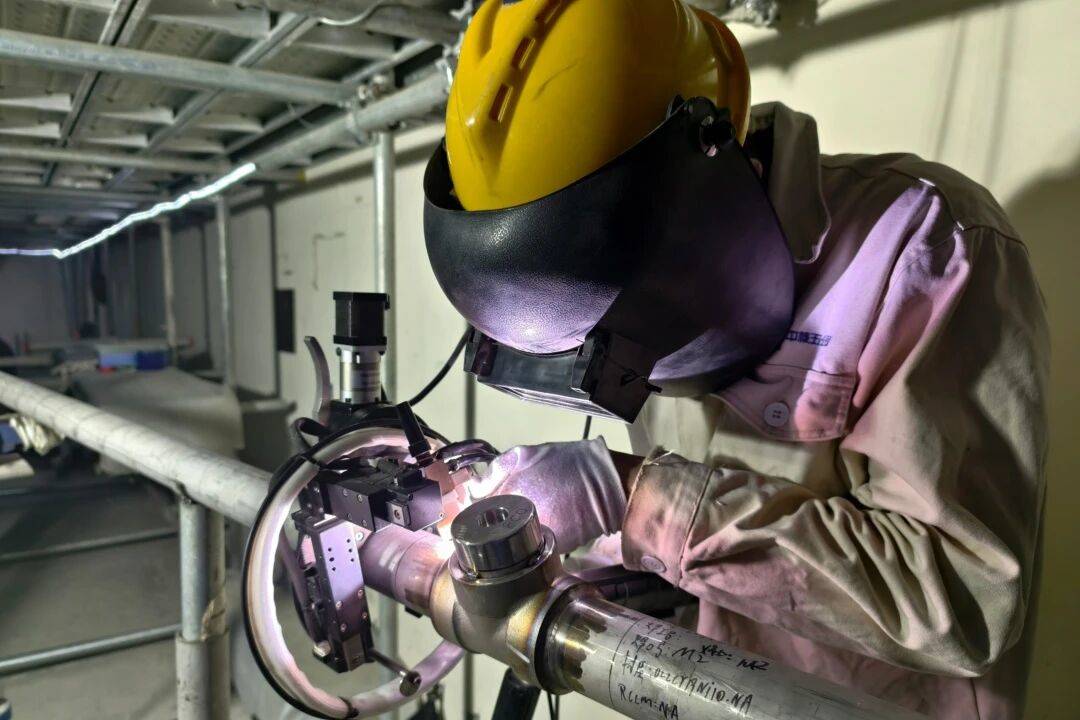
Under the practice of the Excellence Performance Model, the thin-walled small-diameter pipe automatic welding equipment completed nearly 2500 on-site welds within a short span of four months from demand proposal to on-site welding construction, achieving a welding efficiency twice that of manual welding. Currently, this equipment has been widely applied in Sanmen, Haiyang, Jinqimen, and external markets.
Using the Excellence Performance Model as the core guide, deeply binding the transformation of scientific and technological achievements with the company's development needs, clarifying the core objectives for achievement implementation, and laying the directional foundation for promotion work;
Employing tools such as the Excellence Performance evaluation criteria, PDCA cycle, and data analysis methods to comprehensively review the entire achievement promotion process, accurately identify pain points like demand disconnect and insufficient adaptation, providing support for precise policy implementation;
Relying on Excellence Performance collaborative management tools as support, efficiently linking resources from multiple departments, establishing mechanisms for dedicated liaisons, regular consultations, and closed-loop supervision to break down departmental barriers and consolidate promotion synergy;
Integrating Excellence Performance process management, quality control, and other tools into the entire achievement promotion process, from demand research and product design to on-site construction and skill training, achieving standardized and regulated advancement across all links.
In the future, the company will continue to practice the Excellence Performance Model, further improve the collaborative linkage mechanisms among internal departments and units, utilize tools such as the PDCA cycle, process control, and innovation management, focus on the core needs of engineering projects, intensify the R&D and transformation of scientific and technological achievements, promote their efficient implementation and application, and contribute to the high-quality development of the nuclear industry.