China-Uzbek-Kyrgyz Railway Secures $4.7bn
Wedoany.com Report-Dec.18, A financing package totaling $4.7 billion has been secured for the China-Kyrgyzstan-Uzbekistan railway project, with significant contributions from Chinese institutions, according to reports from Kyrgyzstan state media.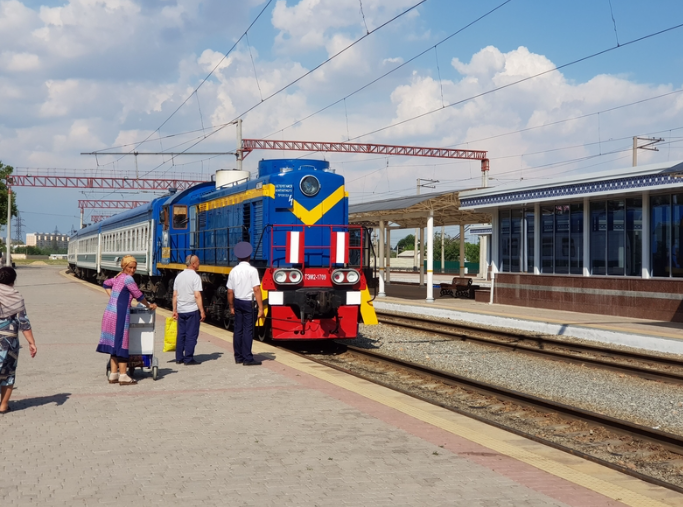
A train arriving into a station in Tashkent, Uzbekistan's capital
The initiative will be managed by a joint venture company formed by the three nations. Funding includes a $2.3 billion, 35-year loan extended by a group of Chinese banks, such as the China Development Bank and the Export-Import Bank of China.
The remaining $2.3 billion will be provided as equity to the joint company's authorized capital, with China contributing 51 percent and Kyrgyzstan and Uzbekistan each providing 24.5 percent.
This infrastructure development involves constructing 50 bridges and 29 tunnels, which together represent approximately 40 percent of the overall route length.
Chinese state news agency Xinhua reported last December, at the time construction commenced, that the railway line would extend from Kashgar in China's Xinjiang Autonomous Region to Andijan in Uzbekistan. It would shorten the rail route between China and Europe by 900km and cut up to eight days off the transit of goods from one end of Eurasia to the other, Xinhua said.
The project aims to enhance transportation links across the region, facilitating more efficient movement of freight and supporting economic connectivity among the participating countries.
By establishing a direct rail corridor, the line is expected to offer an alternative pathway for trade flows, potentially reducing reliance on existing routes and improving delivery timelines for commodities traveling between Asia and Europe.
The engineering challenges are notable, given the mountainous terrain in parts of Kyrgyzstan, where a substantial portion of the track will be located. The inclusion of numerous bridges and tunnels underscores the technical complexity required to navigate these geographical features.
This collaboration reflects ongoing efforts to develop cross-border infrastructure that can accommodate growing trade volumes. The joint venture structure ensures shared responsibility for implementation, financing, and future operations.
Construction activities began following ceremonial events attended by representatives from the three countries in late 2024. Progress on the project is anticipated to continue, with the financing agreement providing the necessary resources to advance various phases.
Overall, the railway represents a major step in regional integration, designed to strengthen supply chain resilience and promote sustained economic exchanges. Stakeholders highlight its potential to unlock new opportunities for commerce and logistics across Central Asia and beyond.
Related Products
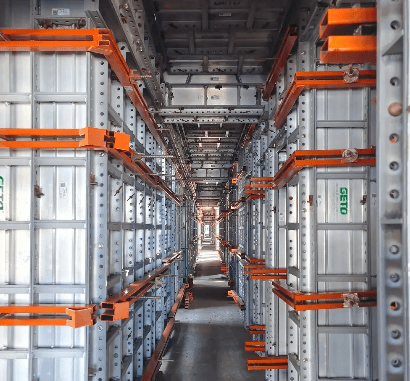

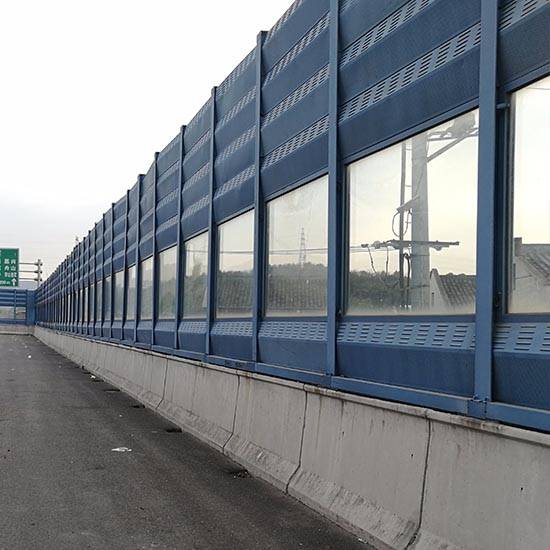
Metal sound barriers that can reduce the transmission of road noise
Hebei Jinbiao Construction Materials Tech Corp., Ltd.
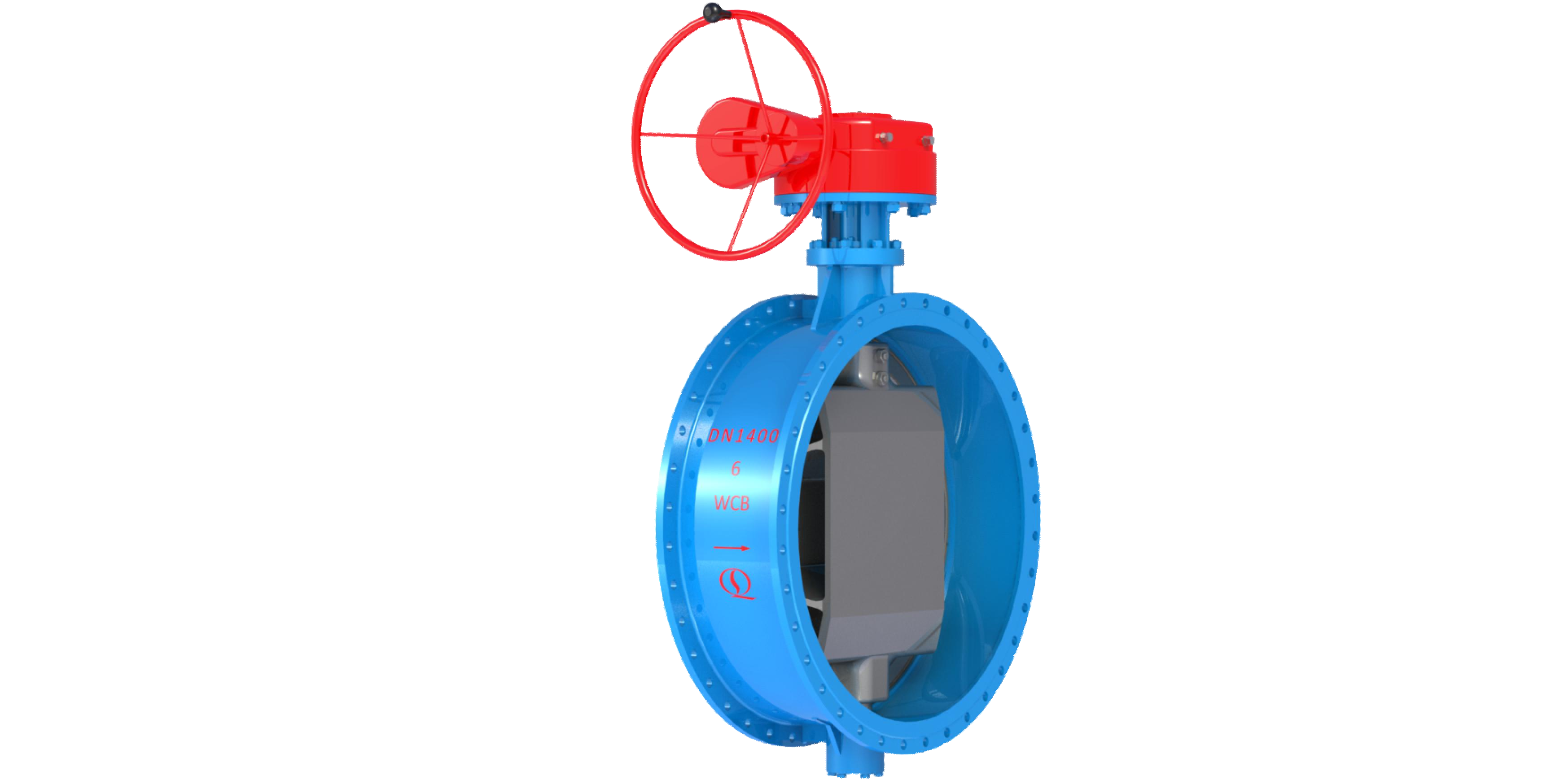
Bidirectional Metal Hard Sealed Seawater Butterfly Valve
Henan Quanshun Flow Control Science & Technology Co., Ltd.
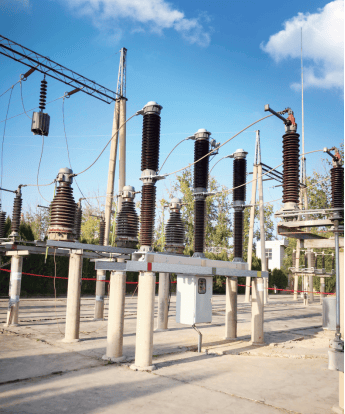
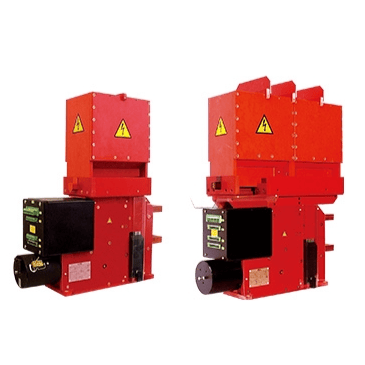
145kV Porcelain Column Type Sulfur Hexafluoride Circuit Breaker
TBEA ZONFA Shanghai High Voltage Switchgear Co., Ltd.

Ceiling light | led Ceiling Light | LED Indoor light | LED Ceiling lighting
Queendom Group Technology Co., Ltd.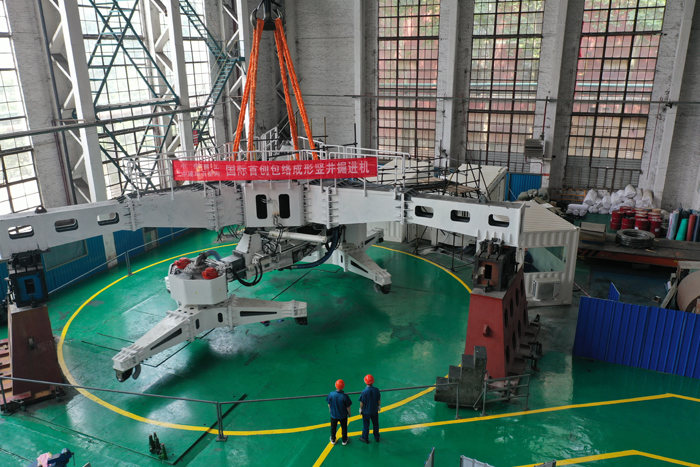
CITIC Heavy Industries Tunneling Equipment Tunnel Engineering Shield Machine
CITIC Heavy Industries Co., Ltd.
Industrial and Commercial Point-Type Gas Detector
Jinan Benan Technology Development Co., Ltd.