Xinjiang’s Power Transmission Hits 1-Trillion-KWh Milestone
Wedoany.com Report-Dec.18, By Monday, cumulative electricity transmitted from Xinjiang Uygur Autonomous Region in northwest China had surpassed 1 trillion kilowatt-hours, as reported by State Grid Xinjiang Electric Power Company.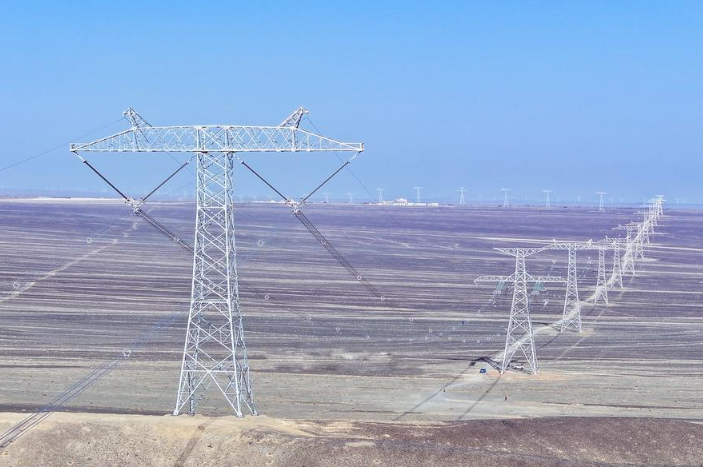
The transmission initiative, launched in 2010, has delivered power to 22 provinces throughout the country, playing a substantial role in supporting national energy requirements.
Of the total electricity exported from the region, 29.6 percent originates from renewable sources, including solar and wind power. This contribution has yielded notable environmental advantages, equivalent to reducing coal usage by approximately 89.53 million tonnes and lowering carbon dioxide emissions by 240 million tonnes.
Xinjiang possesses abundant coal, solar, and wind resources. The region has developed an extensive power grid featuring five primary transmission channels, providing a combined capacity of 33 million kilowatts. This network supports efficient large-scale distribution of electricity across regions.
To maximize channel utilization, Xinjiang participates in the national unified power market through adaptable trading mechanisms. The time difference of two to three hours with eastern provinces allows effective alignment of supply and demand patterns, improving overall operational performance.
These transmission efforts demonstrate coordinated energy resource management, enabling the region to contribute reliably to broader consumption needs while incorporating growing renewable generation.
The milestone reflects sustained infrastructure development and integration, facilitating stable power flows from resource-rich areas to demand centers nationwide.
Ongoing enhancements in grid connectivity and market coordination continue to support optimized electricity allocation, balancing diverse generation sources with varying regional requirements.
This extensive transmission record underscores the role of inter-regional power sharing in maintaining consistent supply and promoting efficient use of available energy assets across the country.
Related Products
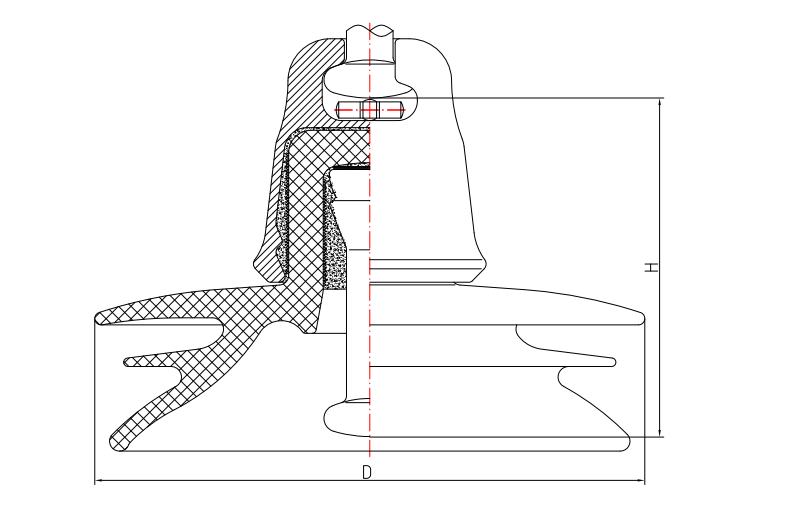

Post-type AC Pollution-resistant Disc Suspension Porcelain Insulator (Triple Umbrella Type)
Shandong High Voltage Insulator Co., Ltd.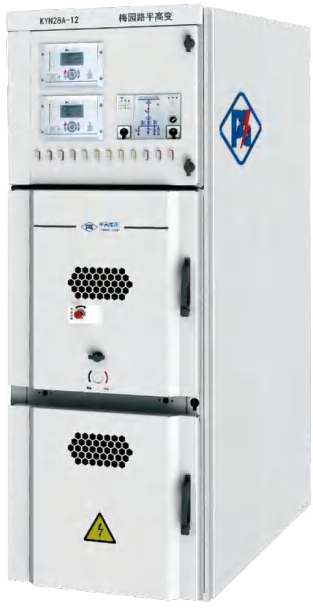
KYN28A-12 Metal Armored Removable Switchgear
Tianjin Ping Gao Intelligent Electric Co., Ltd.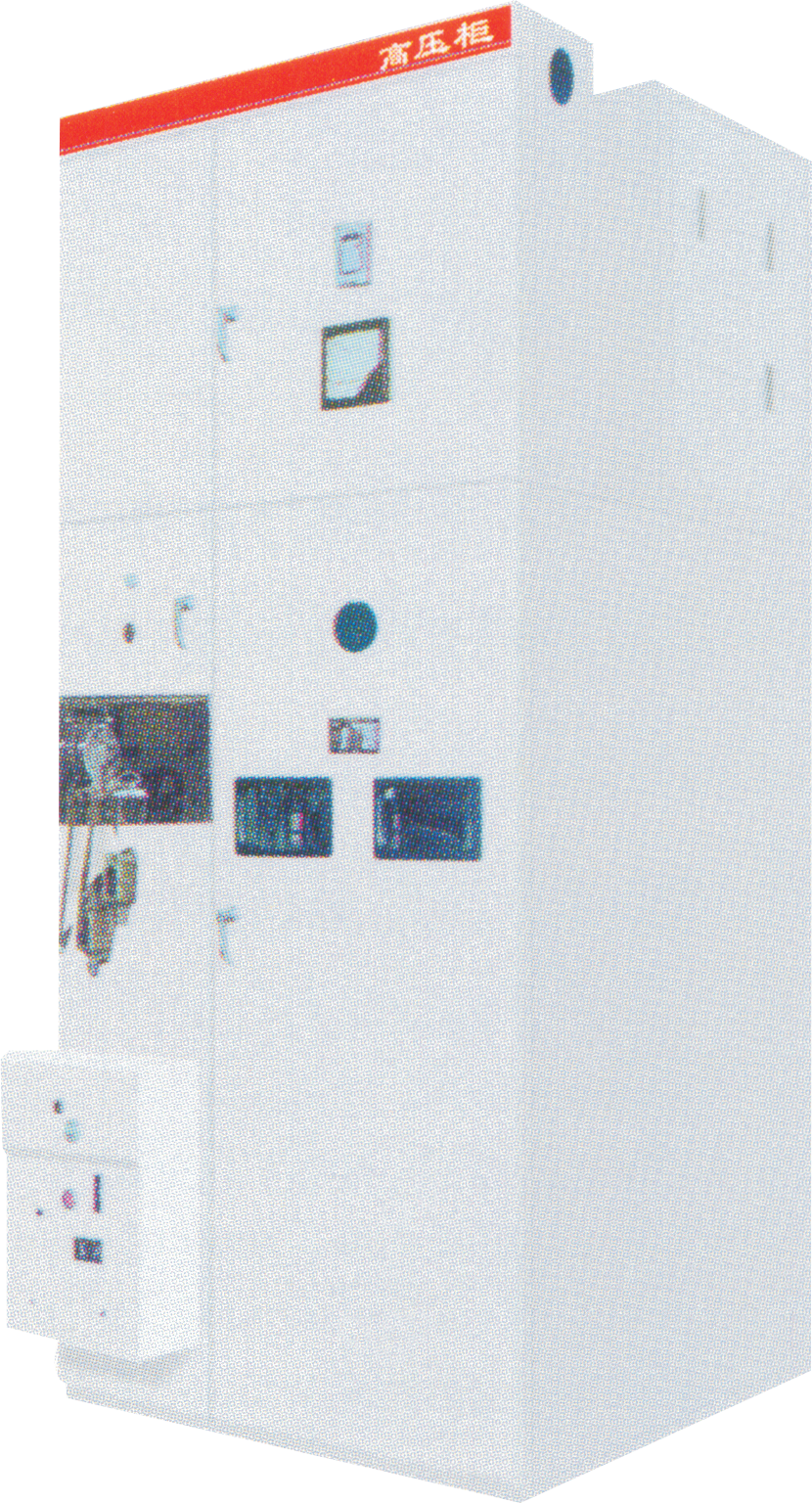


Hydraulic Turbine Genset
Dongfang Electric Corporation Dongfang Electric Machinery Co., Ltd.


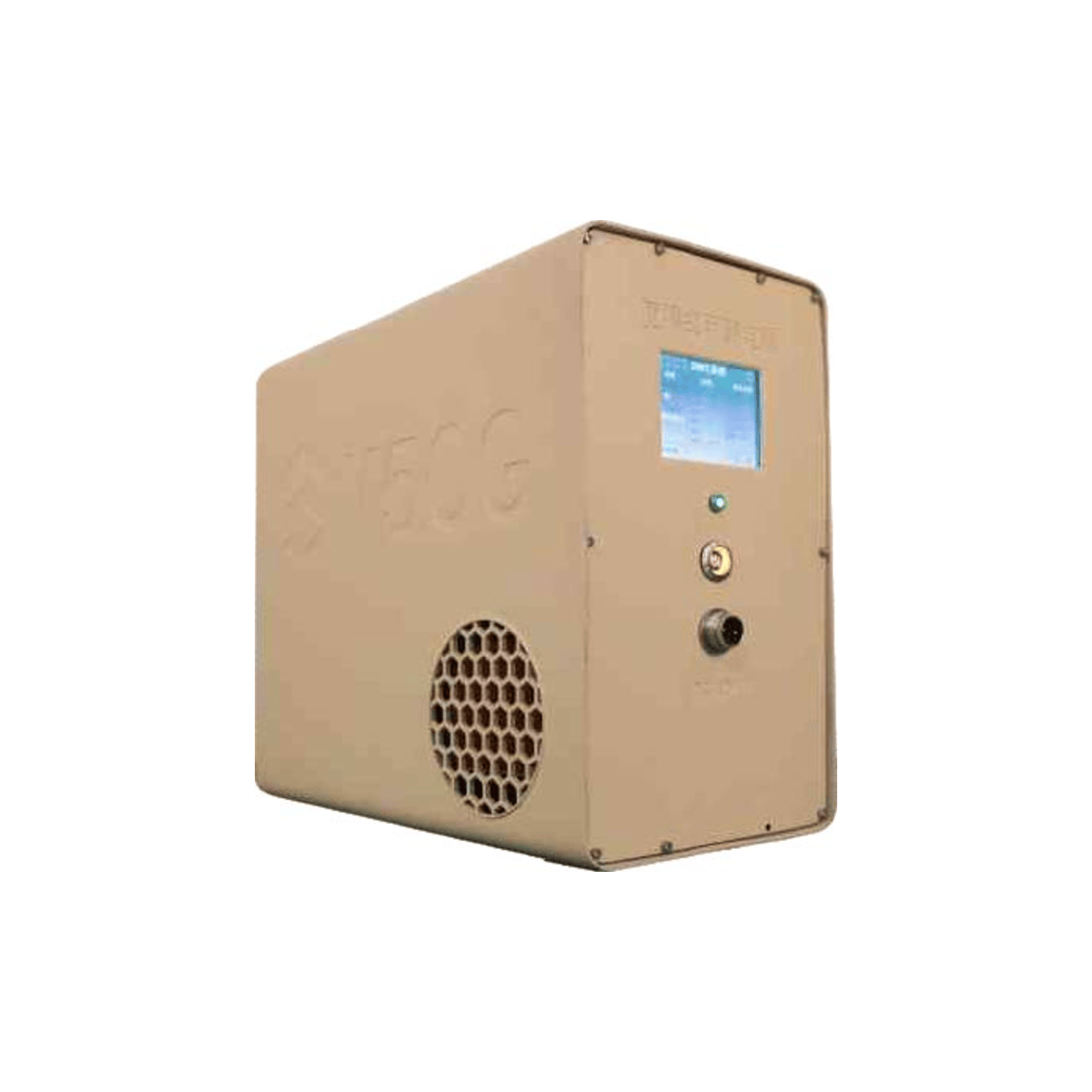
SFC-60 Individual Portable Power Supply, High Specific Energy Methanol Portable Power Supply
Automation Research Institute Co., Ltd. of China South Industries Group Corporation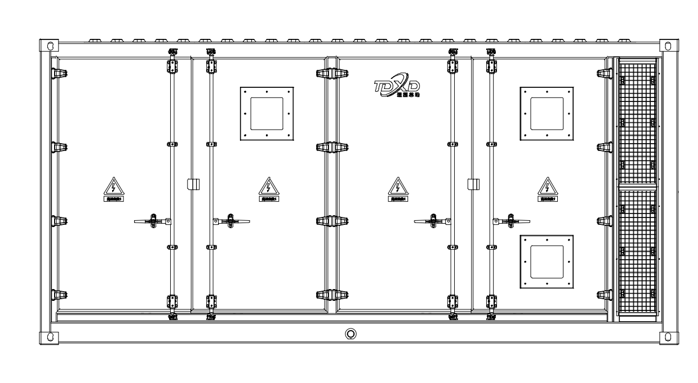
5012kWh DC Energy Storage System TD-EES-5012kWh
Suzhou Tongding Xindong Energy Storage Technology Co., Ltd.