Restart of Kashiwazaki-Kariwa Reactors Approved by Regional Assembly
Wedoany.com Report-Dec.23, The Niigata Prefectural Assembly has supported Governor Hideyo Hanazumi's approval for restarting units 6 and 7 at Tokyo Electric Power Company's Kashiwazaki-Kariwa nuclear power plant.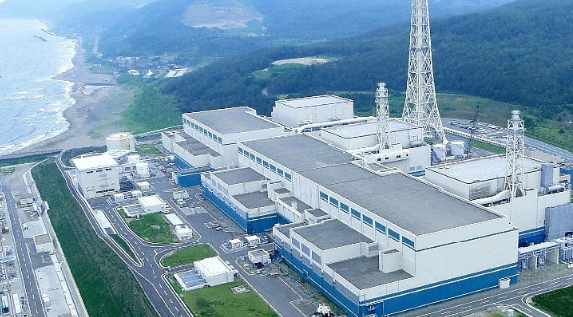
This endorsement, given through a vote of confidence during the assembly session, completes the local consent process. Tokyo Electric Power Company (Tepco) can now proceed with restart preparations for the units.
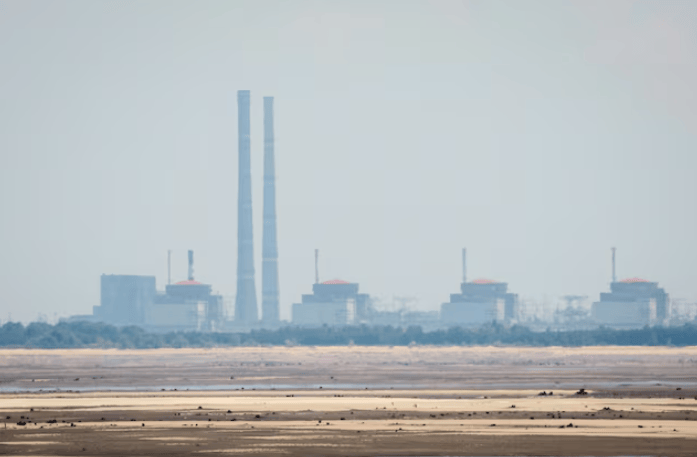
The seven-unit Kashiwazaki-Kariwa facility, located in Niigata Prefecture, remained operational during the March 2011 earthquake and tsunami that affected Tepco's Fukushima Daiichi plant. However, the reactors had been offline for several years following a 2007 earthquake that impacted site facilities but not the reactors themselves. During the shutdown period, enhancements were made to improve seismic resistance. All units have stayed offline since the Fukushima Daiichi incident.
Tepco has prioritized units 6 and 7—1,356 MWe advanced boiling water reactors that entered commercial service in 1996 and 1997—while managing ongoing activities at Fukushima Daiichi. These were the first boiling water reactors in Japan advanced for restart consideration. The Nuclear Regulation Authority granted permission for their restart in December 2017. Restarting the two units, offline since periodic inspections in 2011 and 2012, is estimated to boost company earnings by approximately JPY100 billion annually.
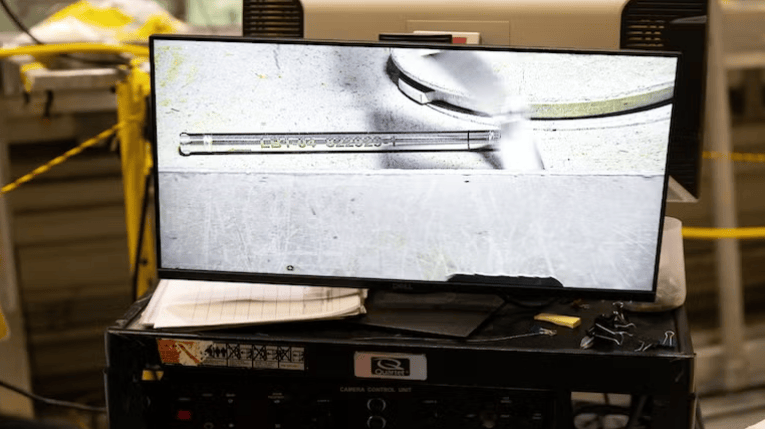
Fuel loading for unit 6 was completed earlier, and the company has until September 2029 to complete required anti-terrorism measures for that unit.
Governor Hanazumi stated to the assembly: "How to deal with the Kashiwazaki-Kariwa Nuclear Power Plant has long been a major issue for the people of Niigata Prefecture. While opinions regarding the restart of the Kashiwazaki-Kariwa Nuclear Power Plant are currently divided among the public, we believe that by continuing to provide accurate information about nuclear power generation and to raise awareness of safety and disaster prevention measures, we can increase public understanding of the plant's resumption."
He noted survey findings indicating greater support among those informed about safety measures, particularly younger residents. Hanazumi also addressed concerns, committing to efforts for regional economic revitalization and enhanced safety if granted continued confidence.
Prior to the 2011 events at Fukushima Daiichi, Japan's nuclear reactors supplied about 30 percent of national electricity. Following nationwide shutdowns and regulatory updates, 14 of 33 operable reactors have resumed operation, with others in approval processes.
This local approval advances Tepco's plans, potentially leading to unit 6 becoming the first company-owned reactor to restart post-Fukushima Daiichi.
Related Products

Smart Photovoltaic Prefabricated Substation
Shanghai Jinyou Jinhong Intelligent Electric Co., Ltd.
5012kWh DC Energy Storage System TD-EES-5012kWh
Suzhou Tongding Xindong Energy Storage Technology Co., Ltd.
Microcomputer Protection and Substation Automation
Beijing Agent Devote Power Technology Development Co., Ltd.


G.652.D Wavelength-extended Non-dispersion Shifted Single-mode Optical Fiber
HONGAN GROUP CO., LTD.

Inductive Power Harvesting Self-Powered Device - Safuneng
SELF ENERGY TECHNOLOGY (SHENZHEN) CO., LTD.