World's First Bionic AI Robot Moya Debuts in Shanghai, Featuring Warm Skin and Human-like Walking Ability
Wedoany.com Report on Feb 7th, Shanghai-based startup Droidup officially launched the bionic AI robot named Moya in early 2026. The company positions this product as the world's first "fully bionic embodied intelligent robot." Its design is highly anthropomorphic, featuring not only a near-human appearance and micro-expression interaction capabilities but also a bionic system that maintains a body temperature between 32 and 36 degrees Celsius, aiming to bridge the physical perception gap with humans.
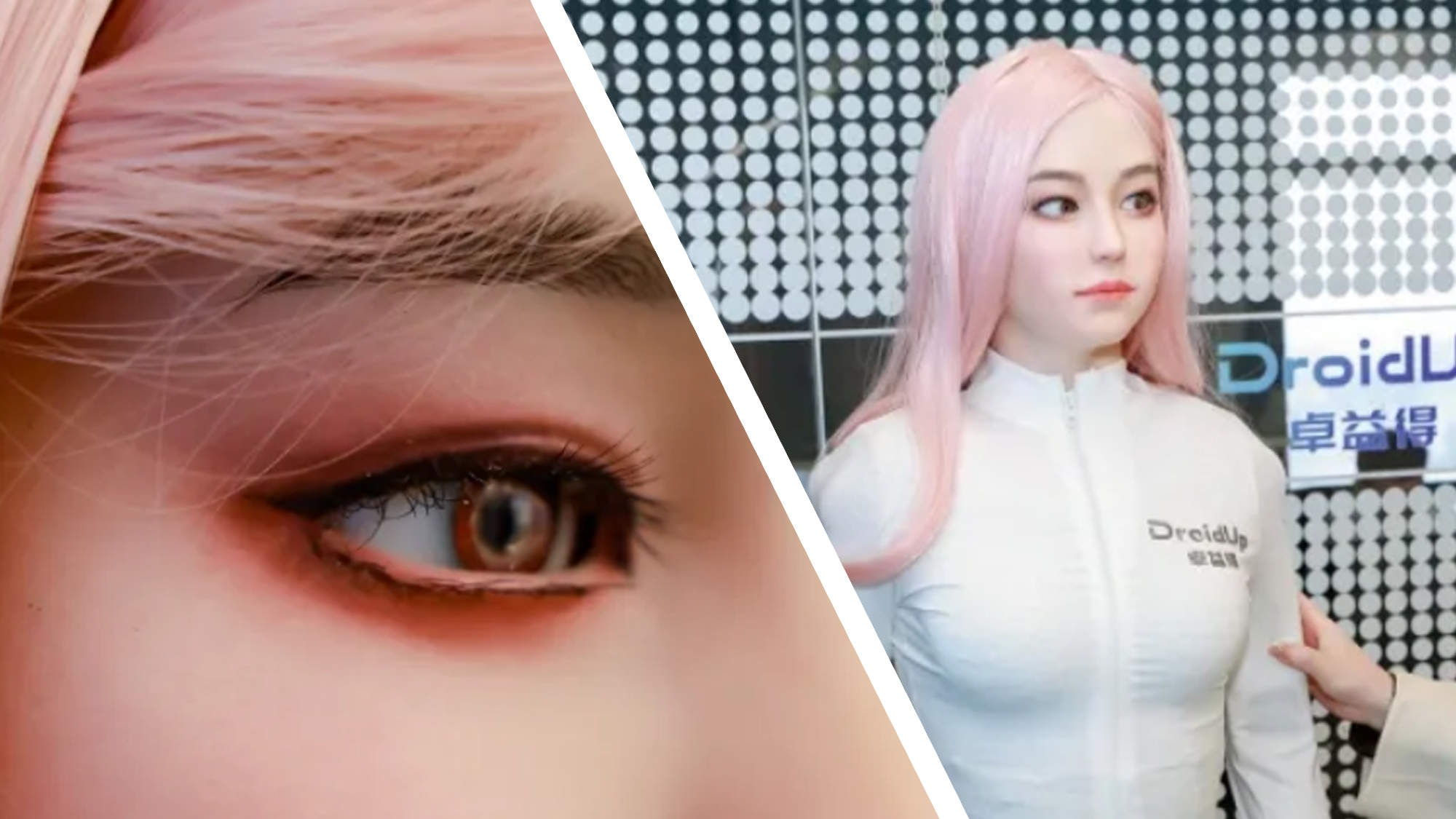
At the product launch event, Droidup founder Li Qingdu emphasized: "Robots that truly serve human daily life should possess a sense of life and warmth—they should not only provide functional assistance but also become companions capable of establishing emotional connections." The company stated that Moya is planned for future applications in fields such as medical rehabilitation, personalized education, and high-end commercial services, while also exploring its potential as an emotional companion in daily life.
In terms of motion and interaction capabilities, Moya utilizes the company's self-developed "Walker 3" bionic skeleton system. The previous generation of this technology won a bronze medal at the robot half-marathon event held in Beijing in 2025, demonstrating strong dynamic balance and complex environment adaptation capabilities. According to data released by Droidup, Moya achieves a 92% walking accuracy rate in typical environments. It can perceive its surroundings in real-time through visual sensors integrated into its eyes and achieve more natural non-verbal interaction through coordinated facial micro-expressions.

Despite significant technological breakthroughs, the large-scale adoption of humanoid robots still faces practical bottlenecks. Moya is expected to be released to specific institutional customers by the end of 2026, with a price tag of approximately 1.2 million RMB. It is currently primarily positioned for enterprise-level applications and public service scenarios, rather than the general household consumer market. Industry analysis points out that at this stage, highly bionic robots are more suitable for deployment in public spaces such as airports, banks, museums, and hospitals, undertaking functions like guiding, consulting, reception, and auxiliary services. Domestic companies like Ubtech have also begun testing and applying similar robots in settings such as ports and exhibition halls.
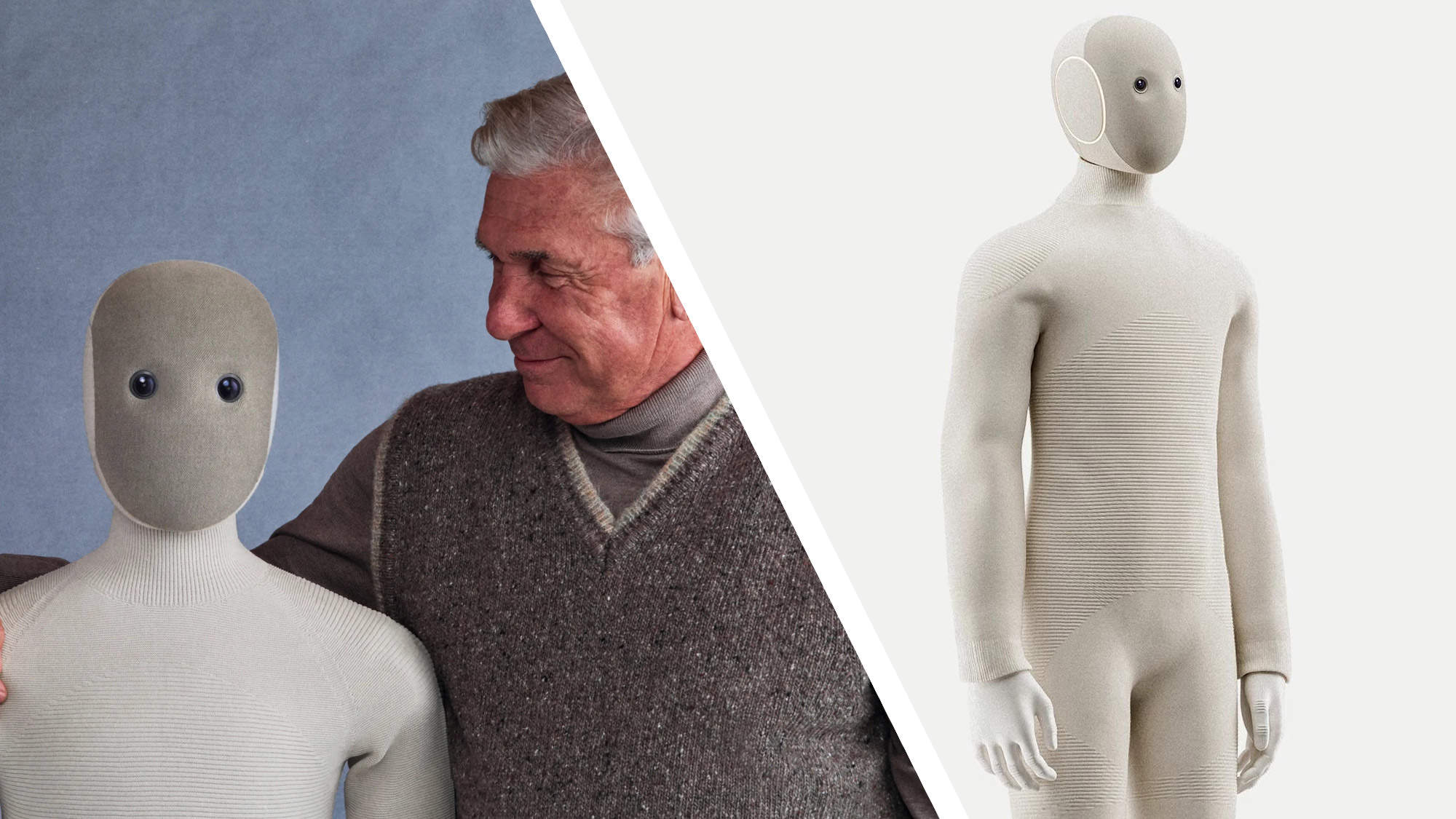
In the short term, household scenarios will still be dominated by single-function robots for cleaning, security, and entertainment. However, with the gradual evolution of bionic technology, AI interaction, and manufacturing costs, bionic robots featuring human-like body temperature, emotional interaction, and multi-scenario adaptability are expected to first establish sustainable application models in professional service fields. This will lay the technological and social acceptance foundation for broader human-robot symbiosis scenarios in the future.
Related Products



G.652.D Wavelength-extended Non-dispersion Shifted Single-mode Optical Fiber
HONGAN GROUP CO., LTD.
Multi-function Marine Monitoring Low-altitude Detection Radar Sea-air Boundary Ocean Dynamic Environment Measurement
Chengdu Dixin Technology Co., Ltd.
Comprehensive Mining Automation Control System
Beijing Tianma Intelligent Control Technology Co., Ltd.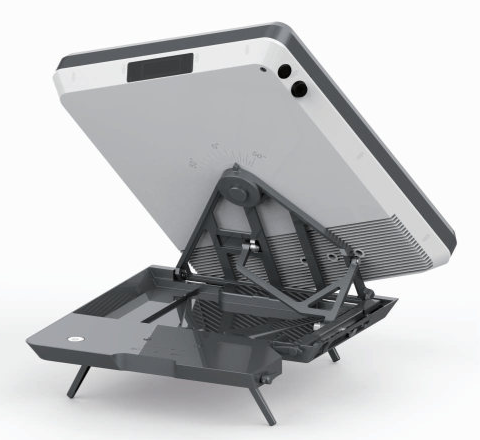
Flat Portable Satellite Terminal 0.35m Aperture Manual Portable Terminal
China Starwin Science & Technology Co., Ltd.
Mine Explosion-proof and Intrinsically Safe Industrial Ethernet Ring Network (10 Gigabit/Gigabit)
Chongqing Mas Sci&Tech Co., Ltd.