CRRC Zhuzhou Locomotive Manufactured RTS Train Completes First Mainline Dynamic Test, Witnessed by Multiple Parties
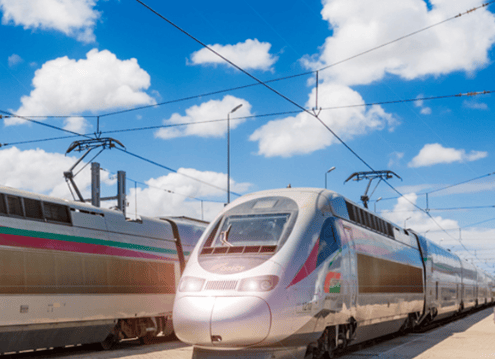
Wedoany.com Report-Dec.29, On December 26th, the Malaysia-Singapore Rapid Transit System (RTS) train manufactured by CRRC Zhuzhou Locomotive successfully completed its first mainline dynamic test. The test train departed from the Wadi Hana Depot in Malaysia, traveled along the predetermined route through the Bukit Chagar station, passed through the elevated section, safely reached the Malaysia-Singapore international border, and then returned to the depot. This test was jointly participated in and witnessed by a multinational engineering team, specifically including the operator RTSO, system consultant Jacobs, train supplier CRRC Zhuzhou Locomotive, traction power supply system supplier Pestech, and main contractor China Harbour Engineering Company. The owner MRTS and Singapore's Land Transport Authority (LTA) also provided necessary support.
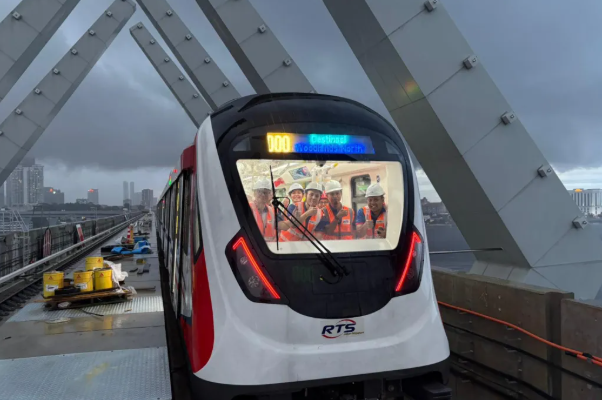
Prior to conducting the dynamic test, the project team had completed multiple necessary safety and technical preparations according to procedures, including clearance checks for the RTS train line, functional verification of onboard systems, and confirmation of the traction power supply system's readiness. According to the established test plan, the initial dynamic tests primarily involved low-speed operation, with plans to gradually increase the operating speed and expand the test scope under strict compliance with safety and technical requirements.
As the testing work for the RTS train continues to advance, the project team will proceed with various commissioning activities centered on achieving "operational readiness." This ensures that all system equipment meets the project's safety and operational standards before the official opening, allowing the overall commissioning process to steadily progress within a controllable and verifiable framework.
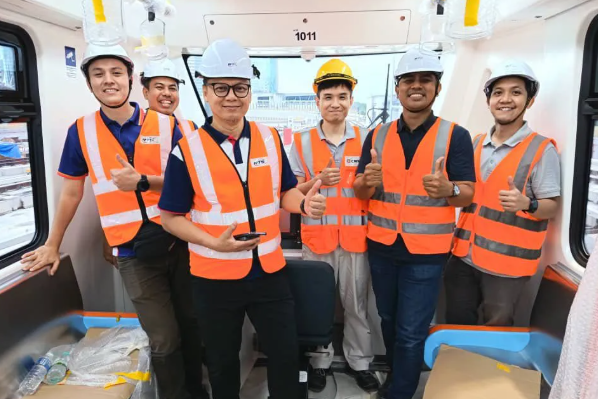
The RTS train is a cross-border light rail project connecting Johor Bahru, Malaysia, and Singapore, and it is the world's first cross-border and cross-sea light rail project. It is approximately 4 kilometers long and features two stations: one located at Bukit Chagar in Johor Bahru and the other at Woodlands in Singapore. Both stations are equipped with joint Customs, Immigration, and Quarantine (CIQ) facilities, adopting a "co-located CIQ" model where passengers can complete border clearance and customs procedures for both countries in a single location at their point of departure. The system is equipped with eight 4-car fully automated driverless trains manufactured by CRRC Zhuzhou Locomotive. The signaling and platform screen door systems are supplied by Siemens Mobility, the communication system by Malaysia's Sapura Rail Systems, the traction power supply system by Malaysia's Pestech, and the track works are implemented by a joint venture between China Harbour Engineering Company and China Communications Construction Company Second Highway Engineering Bureau.
Related Products

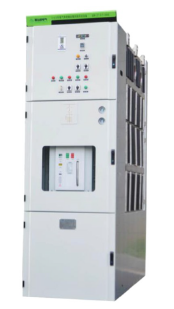
GSR6-27.5kV SF6 Free Gas-insulated Metal-enclosed Switchgear
Zhejiang Juhonkia Intelligent Electric Co., Ltd.

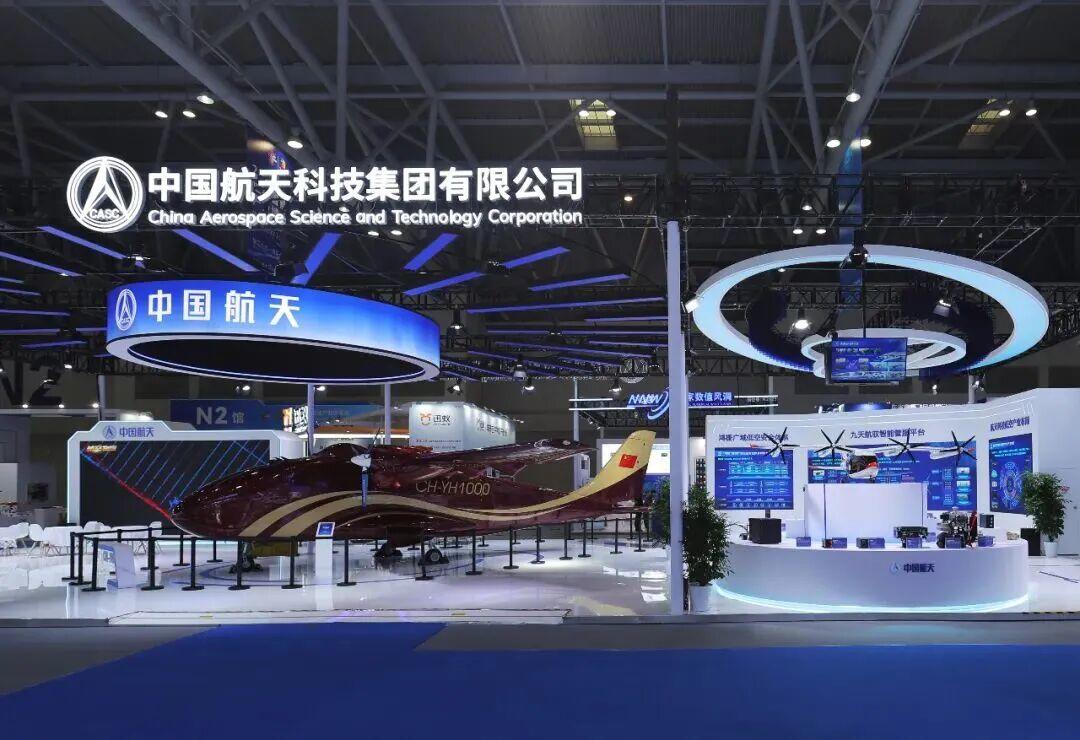
JiuTian OneSky Pilot—Intelligent Management And Service Platform
China Times Prospect Science & Technology Co., Ltd.

ERW Welded Pipe (Black Pipe and Hot-dip Galvanized Steel Pipe)
Handan Zhengda Steel Pipe Co., Ltd.
Pantograph-Catenary Comprehensive Detection Device (1C)
CHENGDU TANGYUAN ELECTRIC CO., LTD.