China's Hazardous Chemicals Safety Law Officially Passed! Effective from May 1, 2026, Here Are the Changes
Wedoany.com Report-Jan. 2, Major news has just come from the 19th Meeting of the Standing Committee of the 14th National People's Congress – on December 27, the meeting voted to pass the "Hazardous Chemicals Safety Law of the People's Republic of China." This highly anticipated law will officially take effect on May 1, 2026.
The new law consists of 10 chapters and 127 articles, covering comprehensive content including general provisions, planning and layout, safety in production and storage, safety in use, safety in operations, safety in transportation, registration of hazardous chemicals, emergency rescue for accidents, legal liabilities, and supplementary provisions. This means that China's hazardous chemicals safety management finally has a dedicated law, no longer relying solely on the "Regulations on the Safety Management of Hazardous Chemicals" which have been in effect for over two decades.
01 Legislative Background: An Upgrade from "Regulations" to "Law"
As the world's largest producer of chemicals, China's chemical industry is not only a pillar industry of the national economy but also a traditional advantageous industry. However, with the continuous expansion of the industry scale, safety risks associated with hazardous chemicals have become increasingly prominent.
Looking back to 2002, the State Council issued the "Regulations on the Safety Management of Hazardous Chemicals." These regulations provided the basic framework for hazardous chemicals safety management for a long time. However, with rapid economic development, the safety situation in hazardous chemicals production has become increasingly complex, and the original regulations could no longer fully meet the safety management needs of the new situation.
During the "14th Five-Year Plan" period, China's chemical industry is in a critical period of upgrading and transformation from "large to strong." Industrial structure adjustments are accelerating, and cluster development is noticeably speeding up. However, at the same time, the high-risk nature of the chemical industry has not changed, and the deep-seated problems accumulated from long-term rapid development have not been fundamentally resolved.
Hazardous chemicals safety is a top priority in preventing and defusing major risks. Enacting a dedicated law to strengthen the safety management of hazardous chemicals across the entire chain and at all stages is of great significance for safeguarding people's lives, property, and national security.
02 Legislative Process: Three Years of Meticulous Crafting
The enactment of this law was not achieved overnight; it underwent a rigorous and detailed legislative process.
In 2022, the Hazardous Chemicals Safety Law was listed as a preparatory deliberation project by the Standing Committee of the National People's Congress, marking the start of the legislative work. After more than two years of research and deliberation, on November 22, 2024, the State Council Executive Meeting discussed and approved in principle the "Draft Hazardous Chemicals Safety Law of the People's Republic of China," deciding to submit the draft to the Standing Committee of the National People's Congress for deliberation.
In December 2024, the 13th Meeting of the Standing Committee of the 14th National People's Congress conducted the first deliberation of the draft. Subsequently, the draft was opened for public comments to extensively solicit suggestions from all sectors of society.
In September 2025, the 17th Meeting of the Standing Committee of the 14th National People's Congress conducted the second deliberation of the draft. The second deliberation draft further clarified that the state establishes and improves a hazardous chemicals catalog management system and stipulated that hazardous chemicals safety management work should implement the holistic national security concept, balancing development and security.
Finally, on December 27, 2025, the 19th Meeting of the Standing Committee of the 14th National People's Congress voted to pass this law, completing the legislative process.
03 Key Highlights: Building a Comprehensive Safety Defense Line
A major highlight of the Hazardous Chemicals Safety Law is the realization of full-chain, all-encompassing safety management. The law covers all stages including planning and layout, production, storage, use, operation, transportation, and waste disposal, truly achieving seamless supervision.
Regarding planning and layout, the law requires local authorities, based on actual conditions and following the principle of ensuring safety, to plan appropriate areas specifically for the production and storage of hazardous chemicals. New construction and expansion projects for hazardous chemicals production should be located within chemical industrial parks to prevent risks at the source.
The law also makes clear provisions regarding the use of hazardous chemicals by individuals. It requires individuals using hazardous chemicals to understand their hazardous properties, correct usage methods, and protective measures, and prohibits the illegal use, storage, or disposal of hazardous chemicals. This provision fills a previous regulatory gap.
The law also emphasizes the importance of information-based supervision, stipulating that the State Council department in charge of industry and information technology, together with relevant departments, shall establish a hazardous chemicals information management system to implement electronic identification and full lifecycle information management for hazardous chemicals.
04 Responsibilities of Various Parties: Clarifying Responsible Entities and Strengthening Supervision
The Hazardous Chemicals Safety Law clarifies the primary responsibility of hazardous chemicals entities. The law stipulates that hazardous chemicals entities shall implement an all-staff work safety responsibility system and establish a dual prevention mechanism for safety risk classification, control, and hidden danger investigation and management.
Regarding government supervisory responsibilities, the law clearly defines, in the form of a list, the division of responsibilities among departments with hazardous chemicals safety supervision and management duties, such as emergency management, public security, market regulation, ecology and environment, transportation, and health, and requires these departments to strengthen regulatory coordination and joint law enforcement.
Especially for chemical industrial parks, which are key areas for hazardous chemicals management, the law stipulates that chemical industrial parks shall designate relevant work agencies responsible for work safety supervision and management and their duties, conduct regular overall safety risk assessments, and implement dynamic supervision of all hazardous chemicals entering and leaving the park.
The law also encourages relevant units and individuals to report accident hazards. It stipulates that people's governments at or above the county level and their relevant departments shall, according to law, reward meritorious individuals who report illegal acts or major accident hazards, and strictly keep confidential the information of the reporters and informants.
05 Emergency Rescue: Enhancing Accident Response Capability
Hazardous chemicals accidents often have the characteristics of suddenness and high危害, making emergency rescue capability building crucial.
The law clarifies that the state implements a hazardous chemicals registration system to provide technical and information support for hazardous chemicals safety management as well as accident prevention and emergency rescue. At the same time, it stipulates that hazardous chemicals entities and local people's governments at or above the county level shall strengthen the construction of emergency rescue forces and formulate emergency plans.
Notably, the law clarifies that on-site shift leaders, team leaders, and dispatchers have the authority to order a production halt and personnel evacuation in case of an emergency. This provision grants on-site personnel greater decision-making power, helping to minimize casualties in emergency situations.
For hazardous chemicals road transportation, a high-risk link, the law improves regulatory measures and strengthens supervision. It stipulates that hazardous chemicals transport vehicles must not obscure or remove warning signs. Hazardous chemicals transport vehicles shall be equipped with satellite positioning and monitoring devices that comply with national and industry standards and ensure they are in good operating condition; measures such as signal shielding that affect their normal operation are prohibited.
06 Industry Impact: Promoting the Transformation and Upgrading of the Chemical Industry
The implementation of the Hazardous Chemicals Safety Law will have a profound impact on the chemical industry, promoting its development towards greater safety and efficiency.
After the law takes effect, new construction and expansion projects for hazardous chemicals production should be located within chemical industrial parks, which will further promote the agglomeration and standardized development of the chemical industry. At the same time, the law's requirement for chemical industrial parks to conduct regular overall safety risk assessments will drive continuous improvement in their safety management levels.
For existing chemical enterprises, the law strengthens safety requirements, prompting them to increase safety investments, update technical equipment, and improve their intrinsic safety level. Especially for old chemical installations, the law connects with policies like the "Work Plan for the Phase-out, Exit, and Renewal/Transformation of Old Chemical Installations," which will accelerate the elimination and upgrading of outdated production capacity.
The law also focuses on leveraging technological support, encouraging enterprises to apply advanced technologies to improve safety management levels. It stipulates that enterprises involved in the production, storage, and use of hazardous chemicals shall, in accordance with national or industry standards, equip automatic control systems and safety instrumented systems, establish work safety information monitoring systems, and achieve information-based safety monitoring, control, and early warning.
07 Social Co-governance: Fostering a Safety Atmosphere with Public Participation
Hazardous chemicals safety is not only the responsibility of enterprises and the government but also requires the joint participation of the whole society.
The law clearly stipulates that people's governments at all levels and their relevant departments shall adopt various forms to strengthen the publicity and popularization of hazardous chemicals safety laws, regulations, and knowledge. Chemical industrial parks and hazardous chemicals entities shall conduct publicity on hazardous chemicals safety laws, regulations, and knowledge to surrounding communities and other production and operation units. News media shall carry out public service publicity on hazardous chemicals safety laws, regulations, and knowledge.
These provisions help raise public awareness and response capabilities regarding hazardous chemicals safety, forming a good atmosphere where the whole society jointly maintains hazardous chemicals safety.
The law also requires strengthening supervision and management of units using hazardous chemicals, such as schools, scientific research institutions, medical institutions, testing institutions, and inspection institutions, to ensure they strictly comply with safety regulations when using hazardous chemicals.
With the passage of the "Hazardous Chemicals Safety Law of the People's Republic of China," China's hazardous chemicals safety management will enter a new stage of rule of law. The law will take effect on May 1, 2026, leaving nearly a year of preparation time for all relevant parties.
The implementation of this law will further improve China's work safety legal system, providing strong legal safeguards for preventing and defusing major safety risks associated with hazardous chemicals. Both enterprises and individuals need to understand the law's content in advance, adapt to new regulatory requirements, and jointly maintain hazardous chemicals safety.
For the chemical industry, this is both a challenge and an opportunity, pushing the industry to accelerate its transformation and upgrading towards higher quality and safer development. For the general public, it means our living environment will be safer and more secure.
Related Products
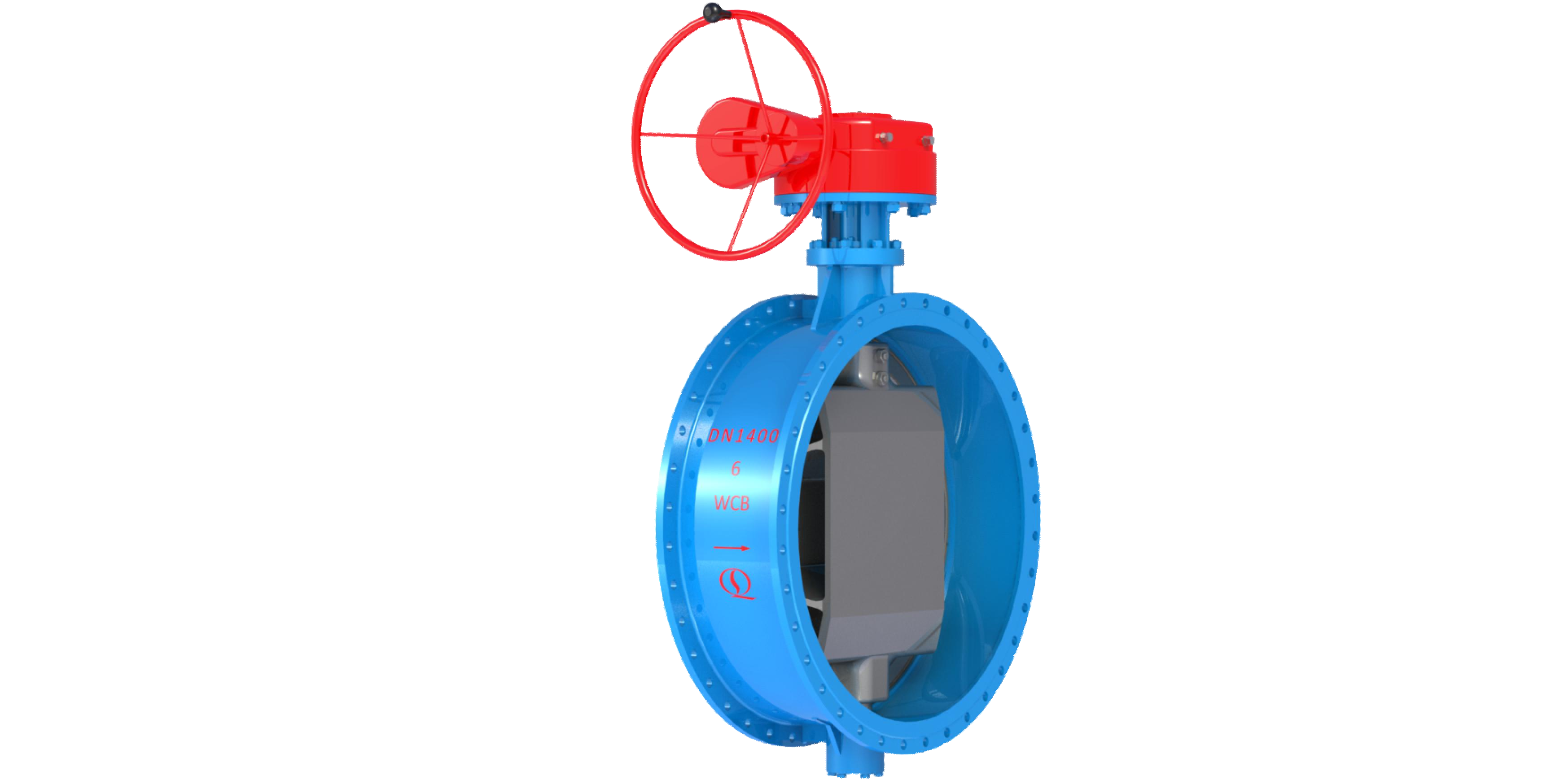

Bidirectional Metal Hard Sealed Seawater Butterfly Valve
Henan Quanshun Flow Control Science & Technology Co., Ltd.
Industrial and Commercial Point-Type Gas Detector
Jinan Benan Technology Development Co., Ltd.
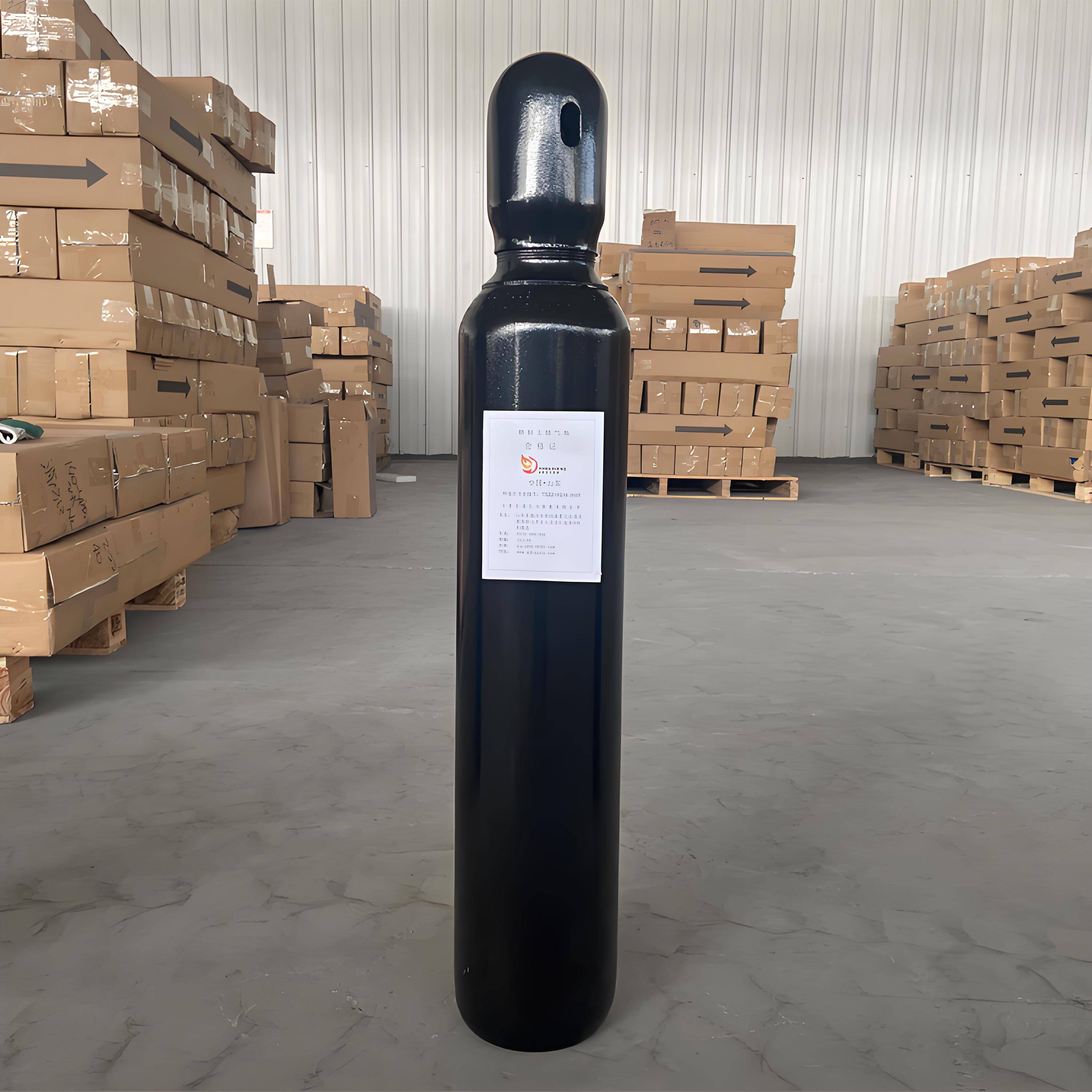
Nitrogen Export, Nitrogen Manufacturer, High-purity Nitrogen Supplier
Foshan Yuexin Industrial Gas Co., Ltd.

High Thermal Conductivity Encapsulating Resin
Nantong BESALL Sealing Technology Company.,Limited
Steel Plates for Chemical Pressure Equipment
Gansu JISCO Group Hongxing Iron and Steel Co., Ltd.