RMIT Develops New Cardboard Rammed Earth Material with Carbon Footprint Only a Quarter of Concrete
Wedoany.com News, Recently, an engineering team at the Royal Melbourne Institute of Technology (RMIT) in Melbourne, Australia, announced the successful development of a new environmentally friendly building material called "cardboard-confined rammed earth," made from cardboard, water, and soil. It aims to significantly reduce the construction industry's carbon footprint and decrease landfill waste.
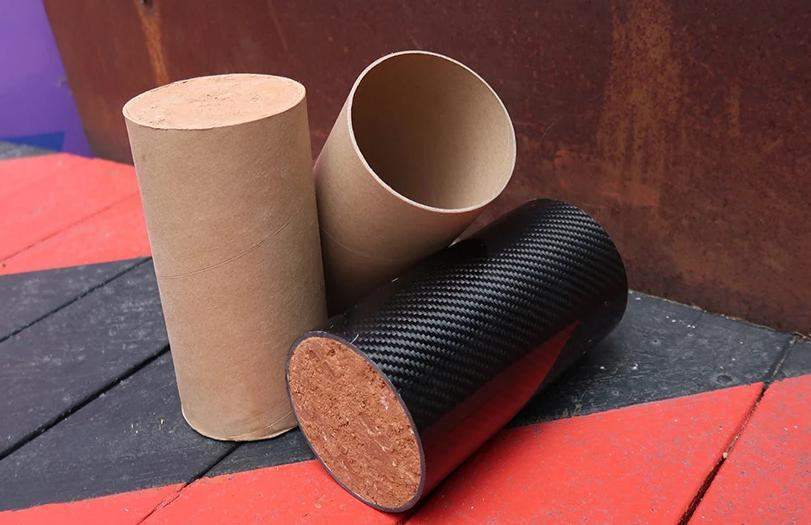
The material is created by compacting soil and water within cardboard formwork. Its carbon footprint is only a quarter of that of traditional concrete. According to RMIT statistics, over 2.2 million tons of cardboard and paper are landfilled annually in Australia, while approximately 8% of global annual emissions come from cement and concrete production. The inspiration for this development stems from the use of cardboard in temporary structures and disaster relief shelters.