U.S. Freight Rail Traffic Up 6% Year-Over-Year in Third Week
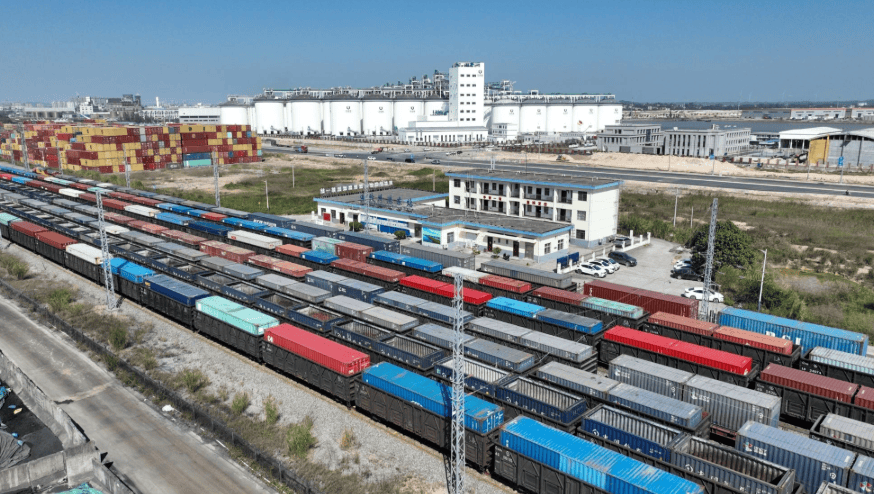
Wedoany.com Report on Feb 3rd, in the week ending January 24, total U.S. freight rail traffic reached 481,708 carloads and intermodal units, a 6% increase compared to the same period last year. Of this, carload traffic was 214,784, up 13.7% year-over-year; the number of intermodal containers and trailers was 266,924, a slight increase of 0.5%.
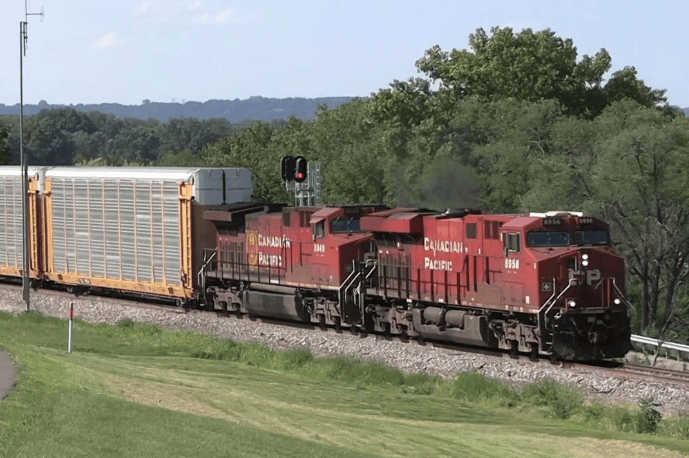
All ten major freight rail commodity categories monitored by the association saw growth this week. Coal traffic grew 12.7% to 58,954 carloads; nonmetallic minerals traffic rose 34.6% to 25,783 carloads; chemical traffic increased 17.3% to 33,773 carloads. The significant growth in these categories was a key factor driving the increase in U.S. freight rail traffic this week.
Rail traffic performance in other parts of North America during the same period showed divergence. Canadian railways moved 88,348 carloads this week, down 0.6% year-over-year; intermodal units were 66,285, a decrease of 1.4%. Mexican railways, however, achieved faster growth, with carload traffic at 13,869, up 34.8% year-over-year; intermodal units were 14,664, an increase of 41.3%.
Cumulative data for the first three weeks of 2026 shows total U.S. freight rail traffic at 1,497,550 carloads and intermodal units, a 5.5% increase compared to the same period in 2025. Canadian railways cumulatively moved 474,435 carloads, containers, and trailers, down 2% year-over-year. Mexican railways cumulatively moved 84,545 carloads and intermodal units, a significant increase of 41.7%. These figures reflect the different development trends in the North American freight rail market.
Related Products


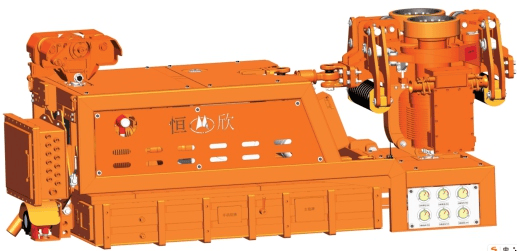
Explosion-proof lithium battery dispatching monorail crane locomotive (permanent magnet frequency conversion integrated machine)
Xiangtan Hengxin Industrial Co., Ltd.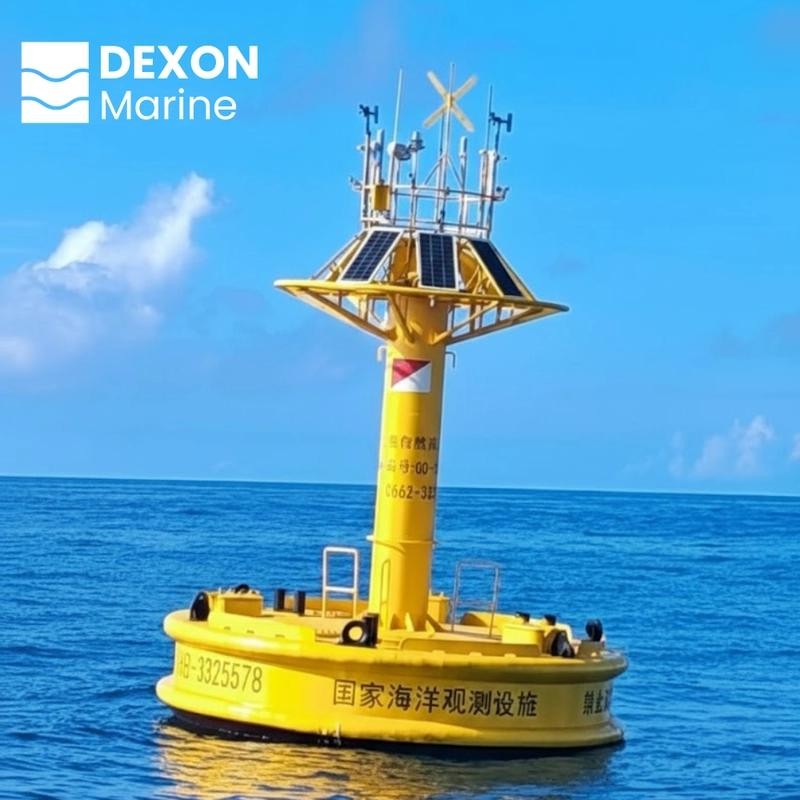
3m intelligent buoy combining navigation safety and real-time marine monitoring integrated navigation and marine monitoring system for real-time maritime data
Chengdu Dixin Technology Co., Ltd.
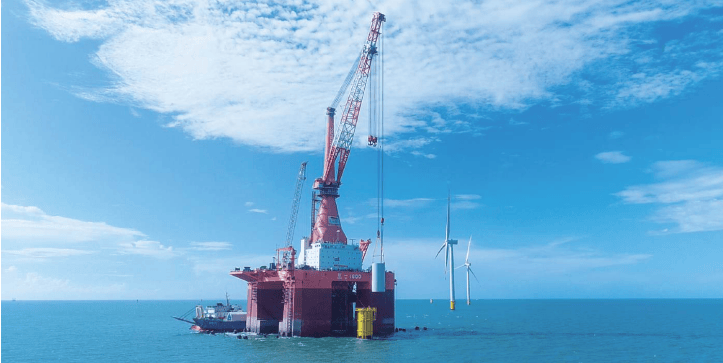
"Shunyi 1600" Deep-submerging Bottom-sitting Multi-functional Wind Power Engineering Vessel
Zhengli Offshore Engineering Co., Ltd.

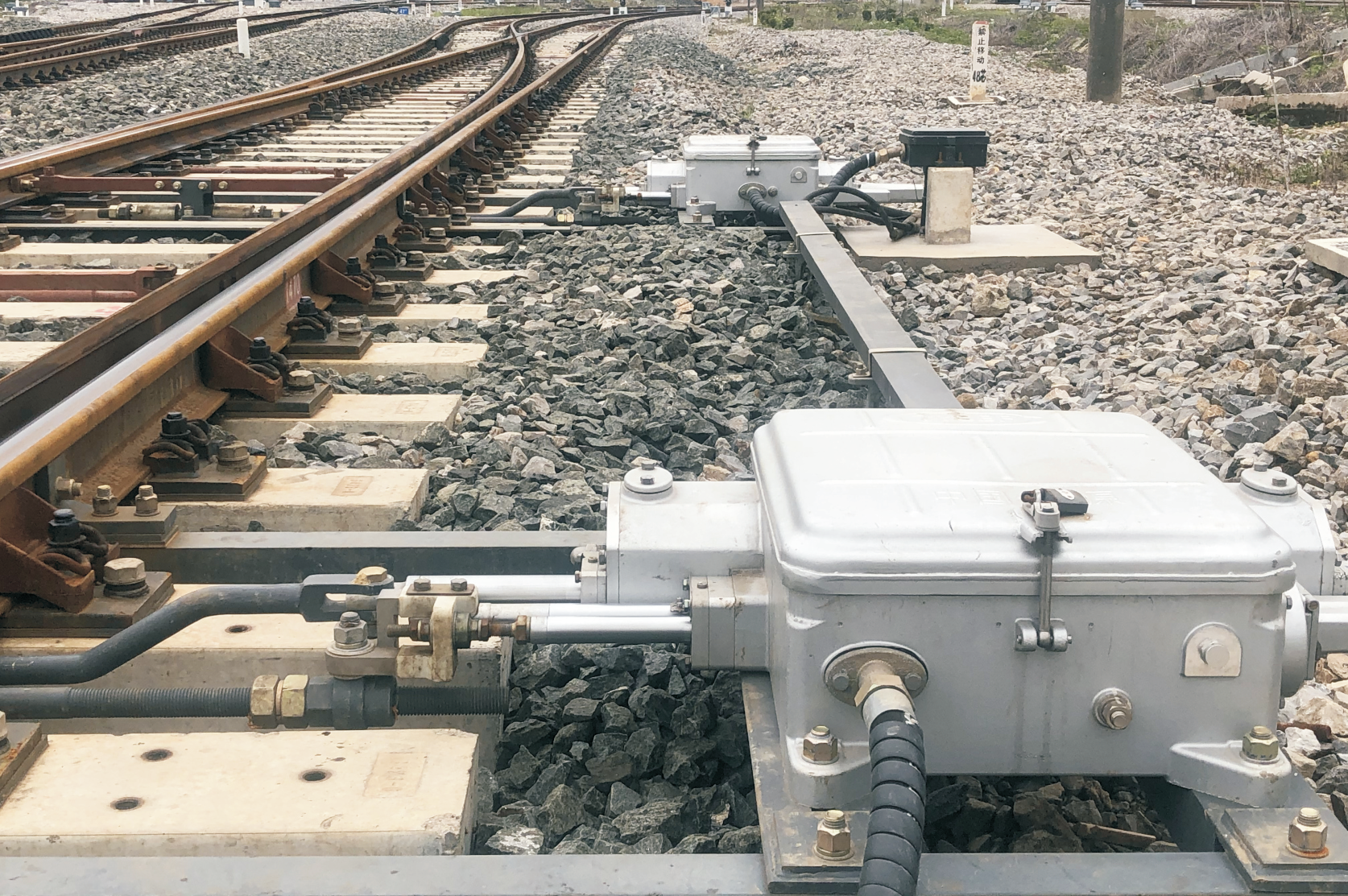
ZY(J)7(M) Sealed Type Electro-Hydraulic Turnout Machine
TAIYUAN CR JINGFENG EQUIPMENT TECHNOLOGY CO., LTD.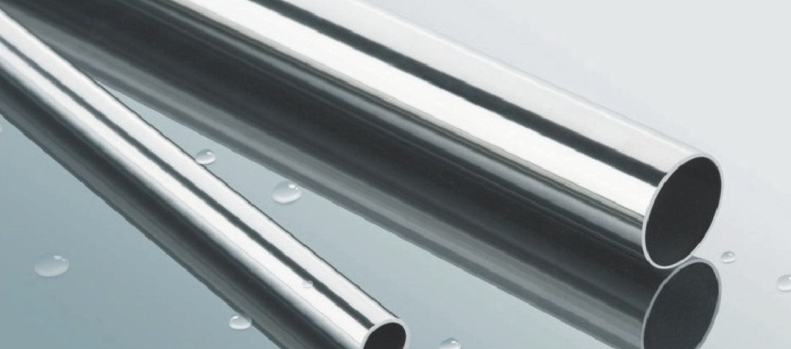
ERW Welded Pipe (Black Pipe and Hot-dip Galvanized Steel Pipe)
Handan Zhengda Steel Pipe Co., Ltd.
Industrial and Commercial Point-Type Gas Detector
Jinan Benan Technology Development Co., Ltd.