Spanish Road Transport Weekly Report for the Last Week of January: Severe Weather Impact and Industry Trends
Wedoany.com Report on Feb 3rd, The Spanish road transport industry faced severe challenges from adverse weather conditions during the last week of January. The extremely unfavorable climate led to restrictions on truck traffic, becoming a major focus of industry attention. While accurate weather forecasting is difficult, it should guide restrictive measures to avoid arbitrary decisions and negative impacts. The industry criticizes the Directorate-General for Traffic for its decisions, which overlooked the humanitarian dilemma of trapping professional drivers in harsh weather conditions.
Unions and clients hold differing positions on exemptions from driving rest time regulations, with clients emphasizing the economic losses caused by failure to receive goods on time. Following the severe weather over the weekend, major roads were affected again this week, with trucks stranded. Although restrictions were not implemented, they were considered. This highlights the lack of suitable and safe service areas for professional drivers, not only during emergencies but also under normal conditions. The industry believes: "Trucks seem to be the least of the traffic management authorities' concerns."
The latest employment survey shows a significant increase in the number of personnel and salaried employees engaged in logistics and transport activities in the fourth quarter of 2025. The unemployment rate rose due to growth in the active population. The Congress of Deputies repealed the Royal Decree-Law of December 23rd, which extended measures to address social vulnerability and urgent tax and social security measures, affecting approximately 30,000 self-employed transport operators. European regulatory authorities are more strictly enforcing penalties against international transport vehicles not equipped with certified second-generation smart tachographs.
Freight Perspectives analysis indicates high volatility in the European road transport market during the first few weeks of 2026. International transport plays a decisive role, with significant price differences between spot and long-term contracts. In Spain, the average payment period to transport operators shortened to 59 days in November last year. Regulations concerning late payments are shortening the payment terms for transport services.
In the industrial sector, EU truck registrations fell by 6.2% in 2025, while total van registrations declined by 8.8%. The Spanish Vehicle Technical Inspection Association expressed concern about the aging of vans and the deterioration of their condition after long-term, high-intensity use, posing risks to road safety. In the Spanish market, Volvo Trucks delivered 5,083 heavy-duty trucks in 2025, surpassing 5,000 units for the first time; MAN Truck & Bus Iberia, following strong momentum in 2025, will transition towards electrification and bet on innovation in 2026. Ford Pro became the best-selling commercial vehicle brand in Spain, thanks to its performance in medium commercial vehicles and pickup series. DAF added new chassis variants for its electric product range, and Mercedes improved its GenH2 fuel cell truck, planning to produce about one hundred units this year for real-world testing.
Related Products


Wheel and Track Technology Business
Beijing Research & Design Institute of Rubber Industry Co., Ltd.
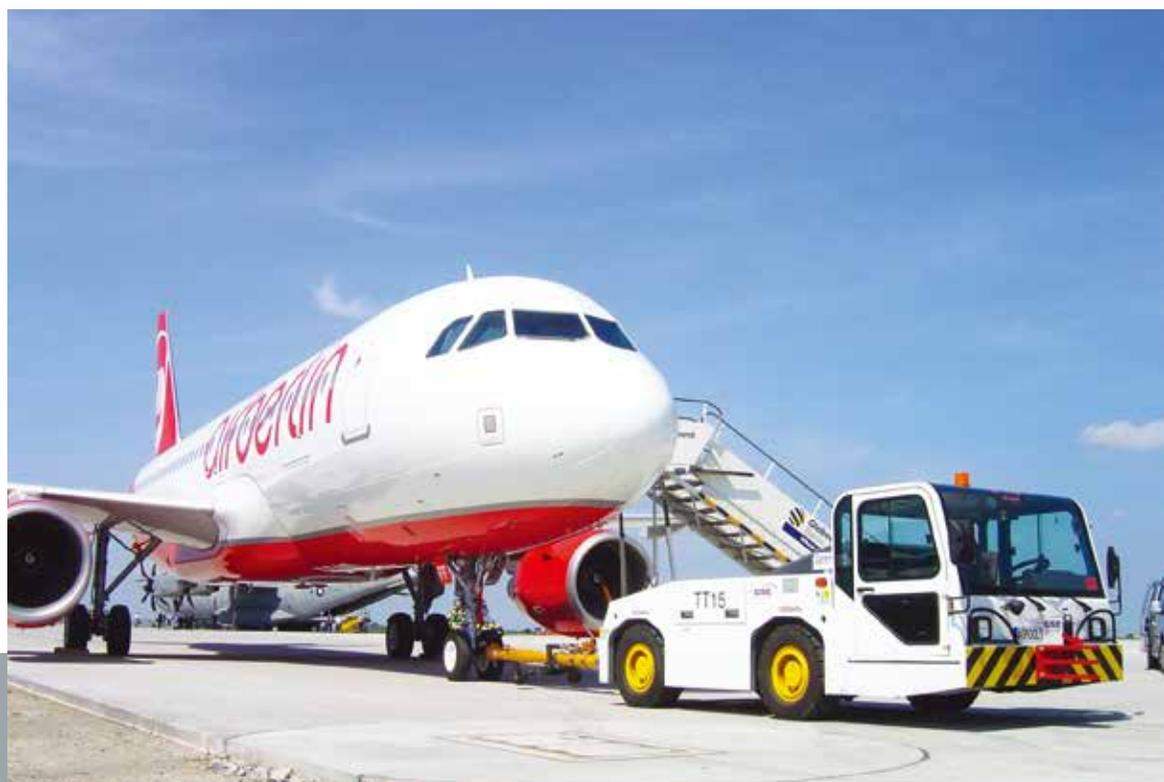
WGQY Series Aircraft Tow Tractor-WGQY15, WGQY27
Weihai Guangtai Airport Equipment Co., Ltd.






ERW Welded Pipe (Black Pipe and Hot-dip Galvanized Steel Pipe)
Handan Zhengda Steel Pipe Co., Ltd.
3m intelligent buoy combining navigation safety and real-time marine monitoring integrated navigation and marine monitoring system for real-time maritime data
Chengdu Dixin Technology Co., Ltd.