Artificial Intelligence Becomes a Key Assistant in Transport Dispatch
Wedoany.com Report on Feb 3rd, The application potential of artificial intelligence in the fields of transport dispatch and logistics process optimization is increasingly gaining attention and recognition from industry experts. Recently, in a dedicated podcast, Wolfgang Schmid, Head of Central and Northern Europe at connected vehicle solutions provider Webfleet, and DVZ editor Sven Bennühr delved into how AI is concretely changing transport dispatch work.
The discussion focused on the value of AI in practical operations. Schmid pointed out: "Intelligent software can effectively assist dispatchers in handling daily tasks, optimizing route planning, and improving overall operational efficiency." For drivers, AI systems can provide more efficient driving suggestions by analyzing real-time traffic, weather, and vehicle data, thereby reducing their daily workload.
Addressing the potential impact of technology on jobs, Bennühr expressed the prevailing view in the industry: "Technological development should be seen as an assistive tool, not a replacement. Artificial intelligence can handle repetitive work, but human judgment and adaptability remain indispensable in complex transport scenarios." This emphasizes the irreplaceable role of humans in critical decision-making.
Regarding the implementation path, experts recommend an incremental strategy. Starting from basic operational data analysis and gradually expanding to advanced functions such as predictive vehicle maintenance, dynamic route optimization, and even demand forecasting is considered a viable approach. This helps transport companies achieve a balance between improving efficiency and controlling risks.
As technology continues to mature, the application of AI in transport dispatch is expected to deepen further. Schmid concluded: "The key is to find the balance between technology and manual operations to achieve complementary advantages." This discussion provides valuable perspectives for the industry on how to rationally and effectively integrate artificial intelligence, pointing the way towards a smarter, more resilient logistics future through human-machine collaboration.
Related Products
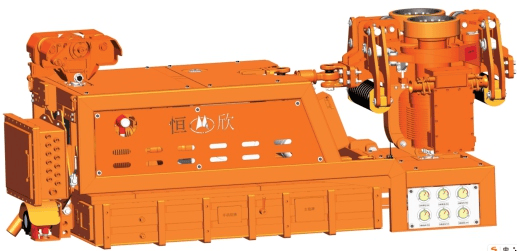

Explosion-proof lithium battery dispatching monorail crane locomotive (permanent magnet frequency conversion integrated machine)
Xiangtan Hengxin Industrial Co., Ltd.

Wheel and Track Technology Business
Beijing Research & Design Institute of Rubber Industry Co., Ltd.![IVECO Cash-in-Transit [DMT5048XYCL3-AM] - Chongqing Dima Industry Co., Ltd](https://img.wedoany.com/2026/0911/20260911030157582.png)
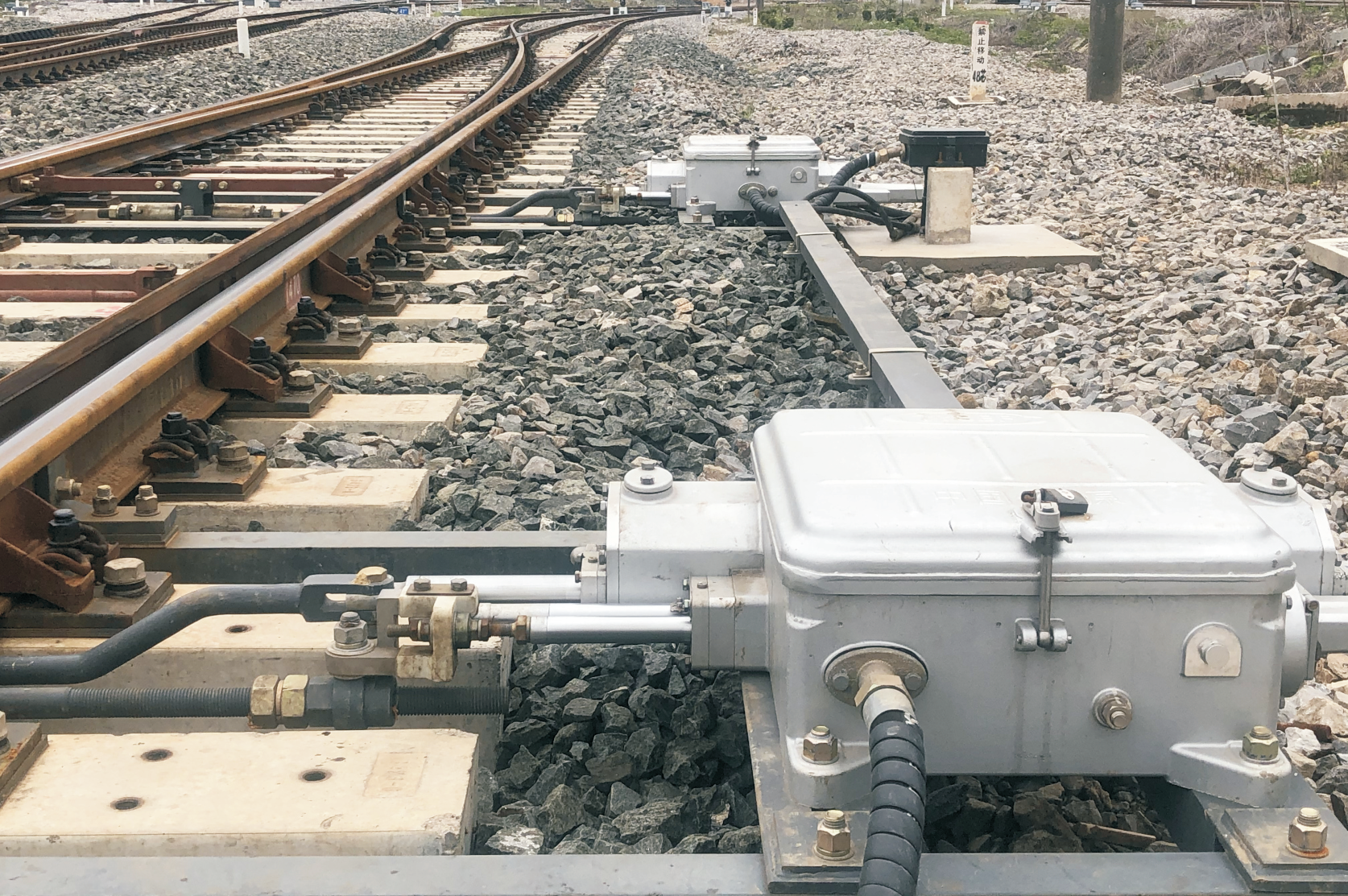
ZY(J)7(M) Sealed Type Electro-Hydraulic Turnout Machine
TAIYUAN CR JINGFENG EQUIPMENT TECHNOLOGY CO., LTD.
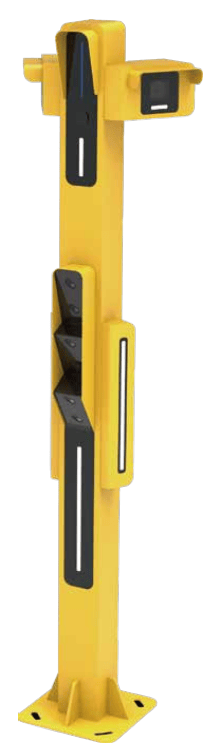


Industrial and Commercial Point-Type Gas Detector
Jinan Benan Technology Development Co., Ltd.