ChromeOS to Continue Until 2034, Google Promises a Decade of Update Support
Wedoany.com Report on Feb 6th, Google's plans to integrate Android with ChromeOS in the coming years have sparked discussions about the future of ChromeOS. According to court documents obtained from Google's antitrust case, ChromeOS may continue to exist for another eight years.
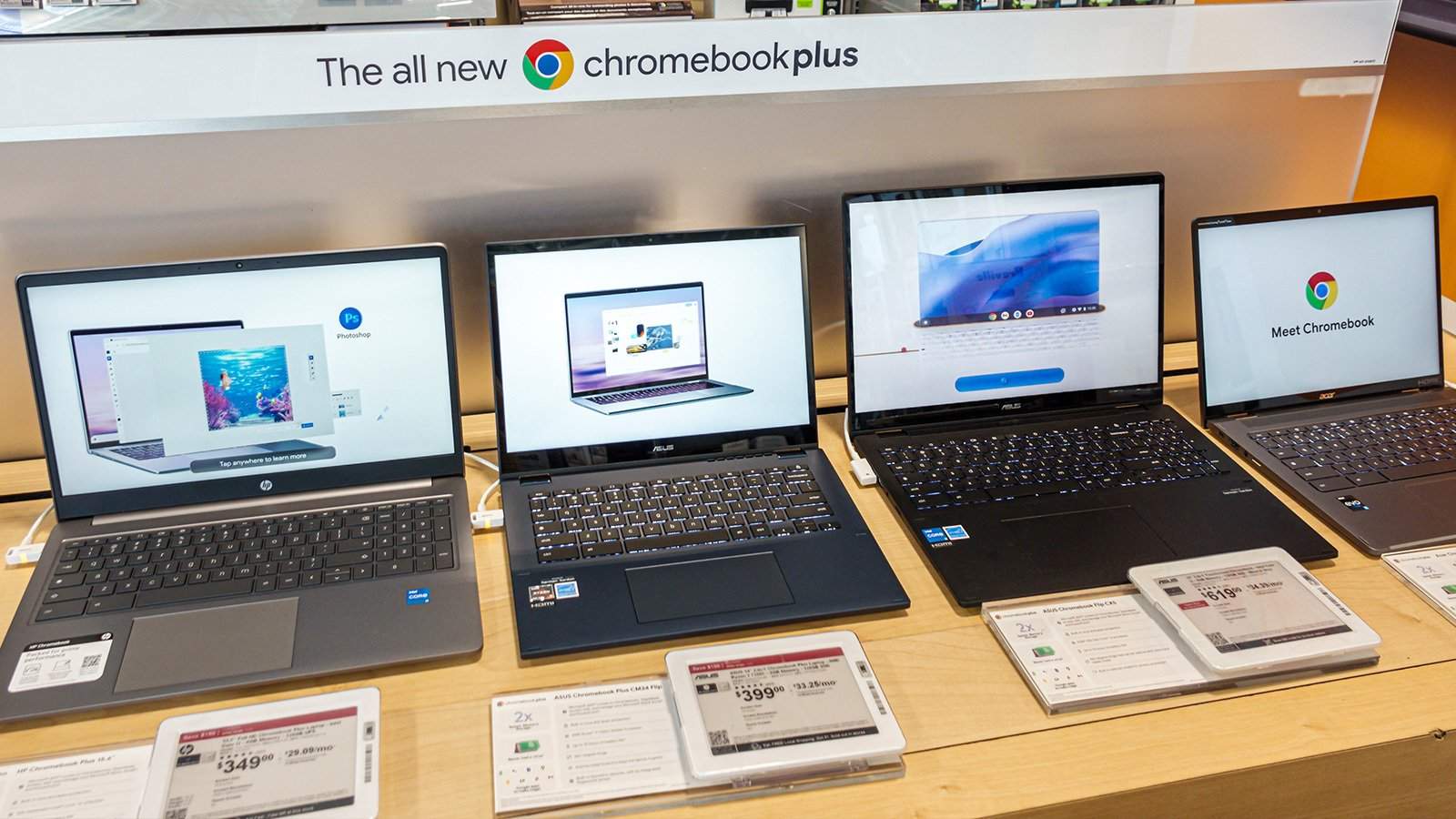
Recently, a series of court documents and executive interviews have revealed Google's future blueprint in the operating system domain and its firm commitment to existing users. The core information focuses on two points: first, Google is secretly developing a new integrated system called "Aluminum OS"; second, the existing ChromeOS system and its hardware devices will receive long-term support guarantees for at least a decade, with their lifecycle definitively extended until 2034.
It was disclosed that the "Aluminum OS" project is expected to take two years to develop, with testing planned to start later this year, aiming for a full release in 2028. This timeline suggests it is not a simple upgrade to ChromeOS but likely a new foundational architecture designed to deeply integrate the Android app ecosystem, Chrome web platform, and cloud capabilities to meet future cross-device, AI-native computing demands. However, Google's lawyers explicitly stated in court that even if the new system is launched, it will not be compatible with all existing Chromebook hardware. This directly raises the user's most pressing concern: Will my current device be abandoned?
To this, Google has provided an exceptionally clear answer: No. Because Google has publicly committed to providing "automatic updates for ten years from the device's first availability on the market" for ChromeOS devices, this means that even after "Aluminum OS" debuts, Google must continue to maintain the ChromeOS system for the massive number of existing Chromebooks until all support obligations are fulfilled. John Maletis, Google's head of ChromeOS, also reaffirmed in January of this year: "The ten-year support commitment is a very, very, very important thing for us." Based on court document calculations, the earliest possible time for ChromeOS to be phased out and support to cease will be 2034.
This commitment holds significant practical importance. Since its launch in 2011 alongside low-cost Chromebooks, ChromeOS has established a near-dominant position in the global education market and has also built a stable user base in the enterprise lightweight office and home secondary device markets. Although its penetration is not as extensive as Windows or macOS, its user base (especially students) is highly sensitive to device security and stability. Just as Microsoft's announcement that Windows 10 will stop receiving support in 2025 has garnered widespread attention, an operating system lacking security updates exposes devices to risks. By clearly defining the lifecycle endpoint a decade in advance and committing to continuous support, Google provides rare certainty for institutional procurement and personal consumption, avoiding premature ecosystem fragmentation and e-waste generation.
This information was disclosed during Google's legal proceedings with relevant parties, and Google won the lawsuit in September. The judge's ruling acknowledged Google's position that hastily changing the existing system support strategy would bring "chaos and risk" to millions of users. Therefore, the current plan can be seen as a "roadmap" with both legal and commercial binding force: Google will dedicate the coming years to building the future-oriented "Aluminum OS," while unwaveringly providing long-term, secure, and stable support for the existing ChromeOS ecosystem, achieving a smooth and orderly technological transition.
Related Products


TWP16 P-Band Tropospheric Wind Profile Radar
China Huayun Meteorological Technology Group Co., Ltd.



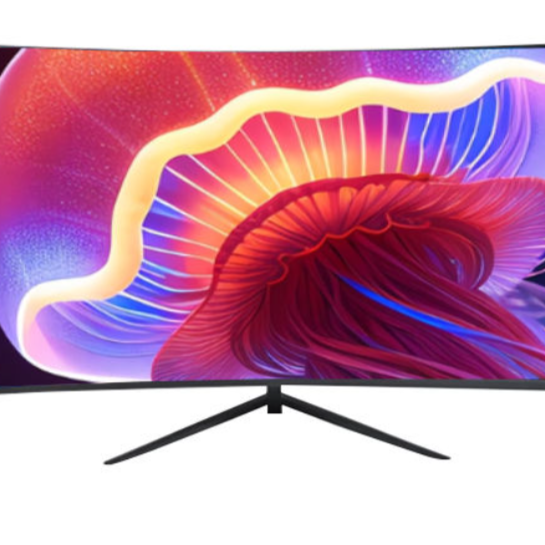
20 Inch 1600*900 Full HD 60Hz TFT LED Monitor with VGA and DP Interfaces for Desktop Computers-Business Use
Guangzhou Zanying Optoelectronics Technology Co., Ltd.

MUX Series Communication Interface Device for Security and Stability Control System
Nanjing NR Electric Co., Ltd.
Multi-function Marine Monitoring Low-altitude Detection Radar Sea-air Boundary Ocean Dynamic Environment Measurement
Chengdu Dixin Technology Co., Ltd.