India's Trade Agreements with US and EU Exclude Aluminum Products but Offer Indirect Opportunities
Wedoany.com Report on Feb 7th, Recently, India reached two separate trade agreements with the United States and the European Union, aimed at easing trade frictions and boosting export growth. The agreements are expected to bring India nearly $150 billion in additional exports over the next decade, involving tariff reductions in multiple sectors, but aluminum and steel products are not included in the direct preferential scope. Analysis indicates that while the aluminum industry faces direct tariff barriers, it may gain indirect benefits through downstream industries and demand from the automotive sector.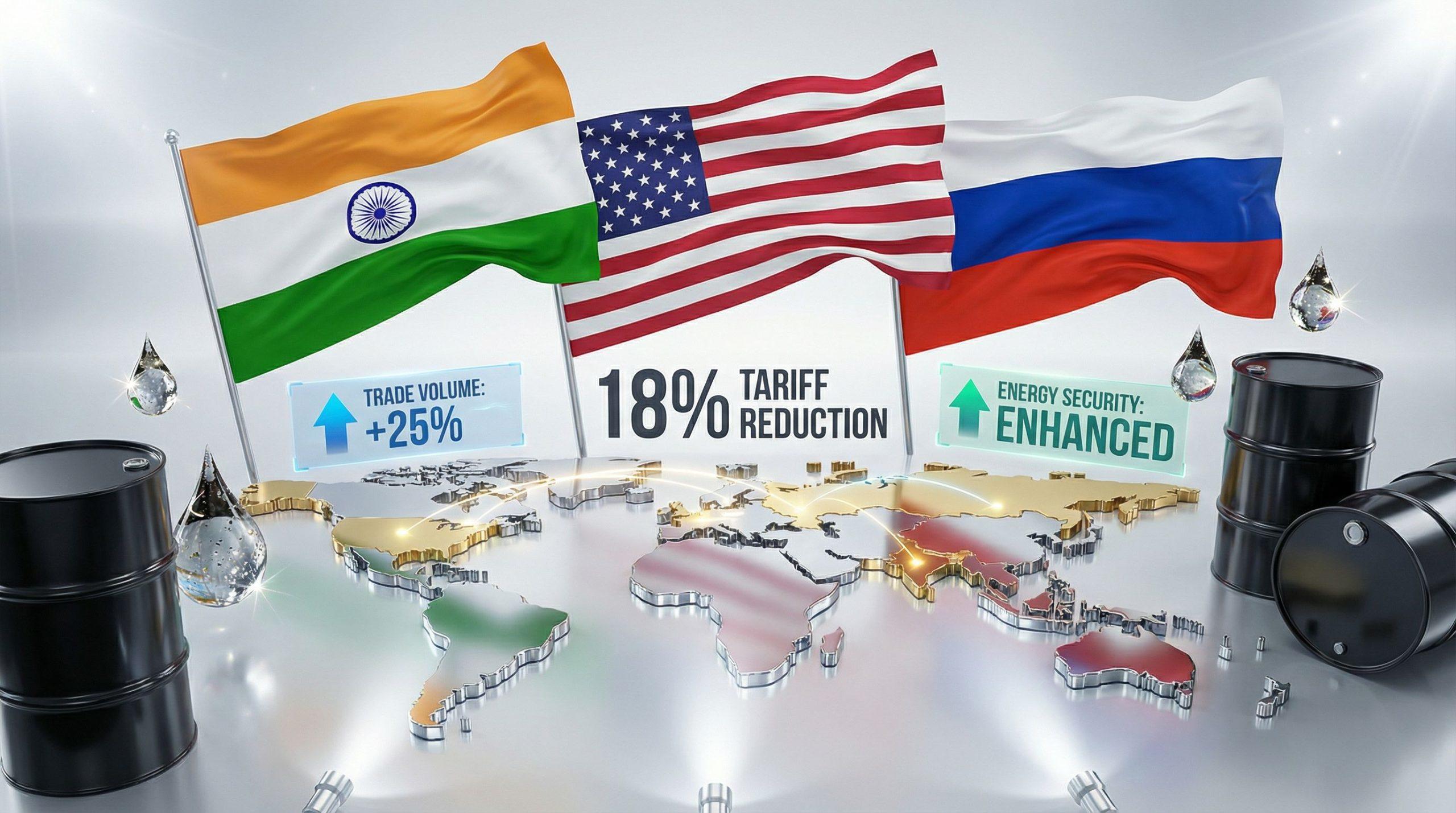
According to the India-EU agreement, over 96% of traded goods will enjoy tariff cuts, but aluminum products remain subject to the EU's Carbon Border Adjustment Mechanism. The agreement reached with the US primarily lowers tariffs on labor-intensive goods, with tariffs on most Indian products potentially reduced to around 18%. However, aluminum and steel continue to face high US tariffs based on Section 232. In early 2025, the aluminum tariff was raised to approximately 25%, and additional punitive tariffs may follow.
Data shows that India's aluminum exports to the US peaked at around 249,000 tons in 2019, with export value reaching about $655 million in 2022, but exports to the US account for less than 1% of India's total aluminum exports. Exports to the EU are also relatively limited, valued at approximately $900 million in 2024, and have shown a declining trend since the implementation of the Carbon Border Adjustment Mechanism. Therefore, even if tariff reductions are achieved in the future, the direct impact on the overall economy would be relatively limited.
Opportunities for the aluminum products industry mainly exist in downstream sectors, particularly automotive manufacturing. Both trade agreements include provisions to reduce import tariffs on automobiles and parts. India is considering lowering import tariffs on cars from the US and EU from over 100% to a preliminary level of 40%, with potential for further reductions in the future. While this will intensify competition in the domestic automotive market, imported vehicle prices are still expected to be higher than the mainstream market segment. More importantly, increased vehicle imports and localization requirements will boost demand for aluminum-intensive products such as aluminum sheets, extrusions, castings, battery casings, and lightweight frames.
India's aluminum extrusion industry has a capacity of about 3.5 million tons, with actual production slightly above 1 million tons, indicating ample room for expansion. It is projected that by the 2027 fiscal year, domestic consumption of extrusions will grow steadily, driven by automotive, electric vehicles, infrastructure, and renewable energy applications. As global automakers expand their operations in India, local procurement of aluminum components is expected to increase, integrating Indian processors into international supply chains and indirectly boosting exports.
Overall, while aluminum products are not included in the direct tariff reduction scope of India's trade agreements with the US and EU, the industry's downside risks are limited. Direct exports account for a small share, with the real growth opportunities lying in downstream industry integration, rising automotive demand, and high-value-added manufacturing. As trade-driven industrial activities expand, India's aluminum industry stands to gain indirect benefits.
Related Products

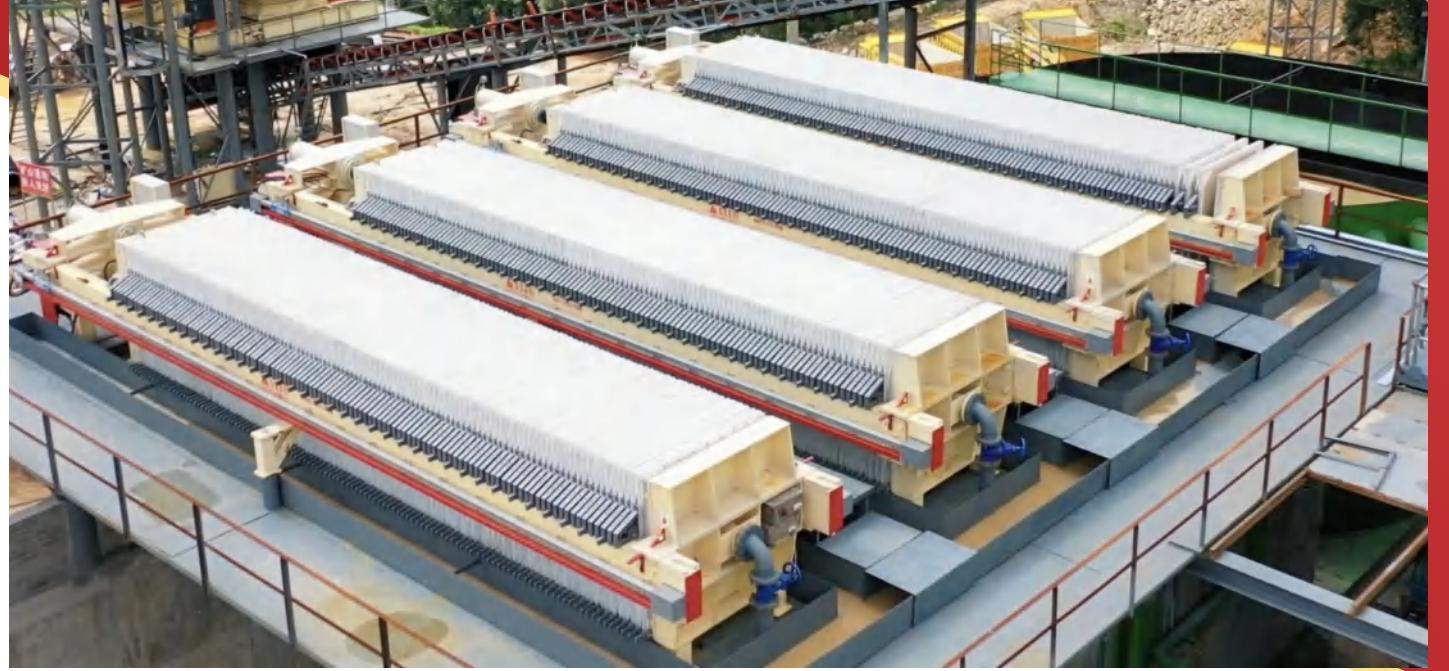
Hydraulic Plate and Frame Filter Press
Guangdong Leimeng Intelligent Equipment Group Co., Ltd.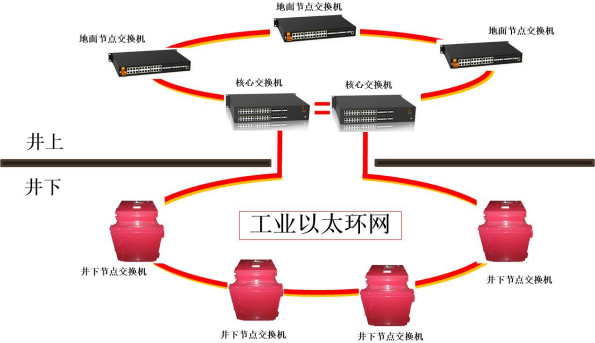
Mine Explosion-proof and Intrinsically Safe Industrial Ethernet Ring Network (10 Gigabit/Gigabit)
Chongqing Mas Sci&Tech Co., Ltd.
Industrial and Commercial Point-Type Gas Detector
Jinan Benan Technology Development Co., Ltd.
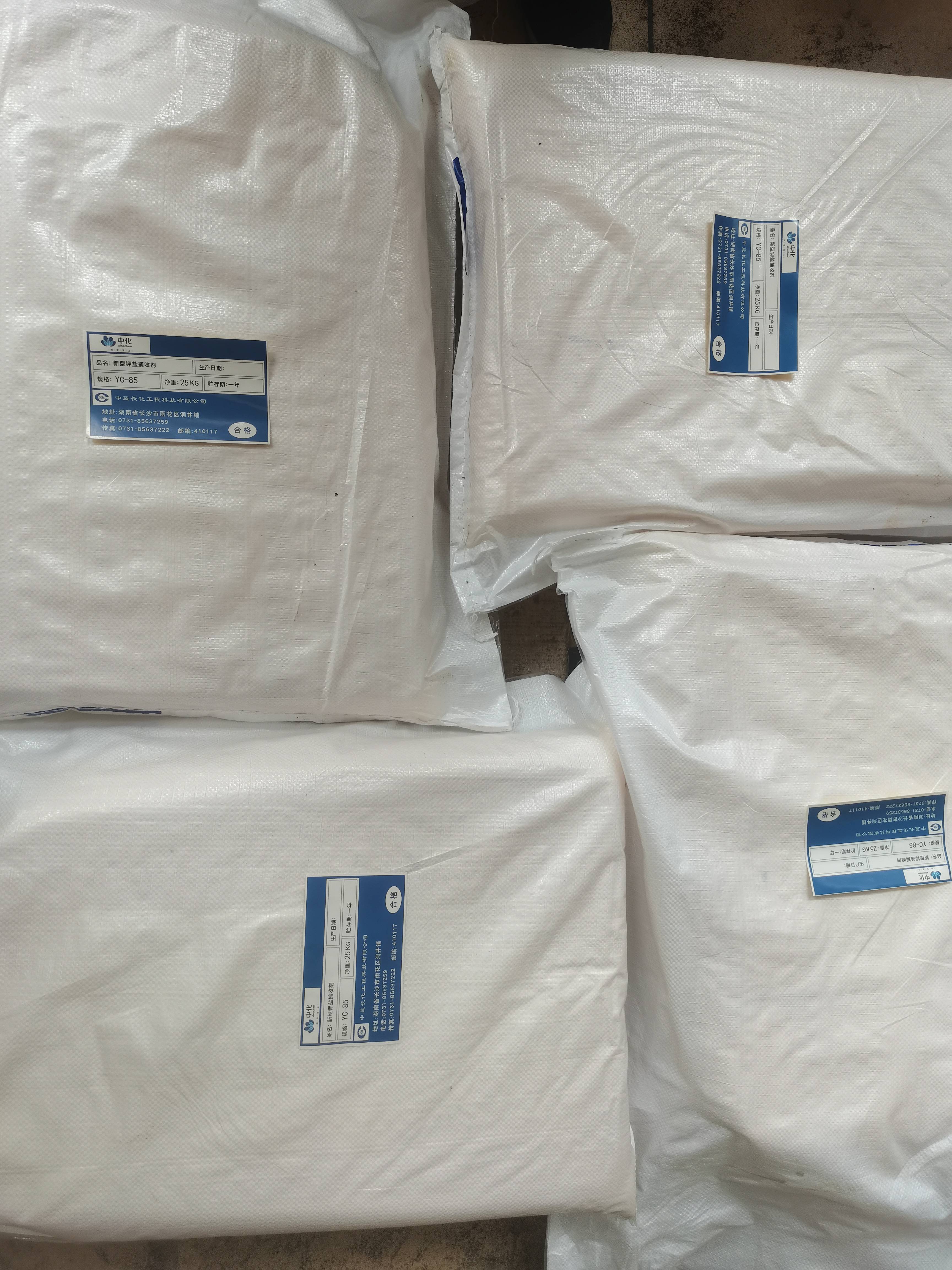
New Environmentally Friendly Green Potassium Salt Collector
Chonfar Engineering and Technology Co., Ltd.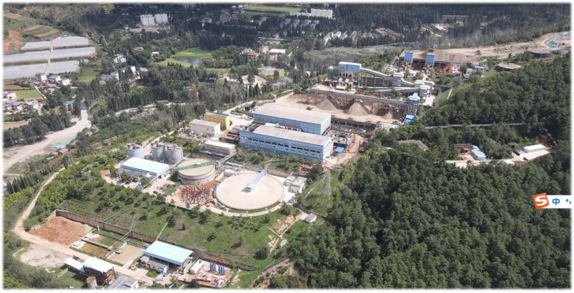
Yunnan Phosphorus Chemical Group Co., Ltd. 2 Million t/a Phosphorus Ore Mining and Beneficiation Project
China Bluestar Lehigh Engineering Corporation
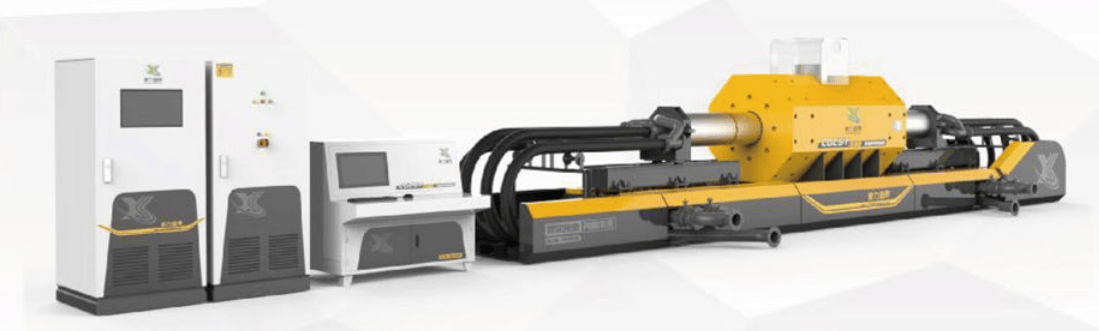
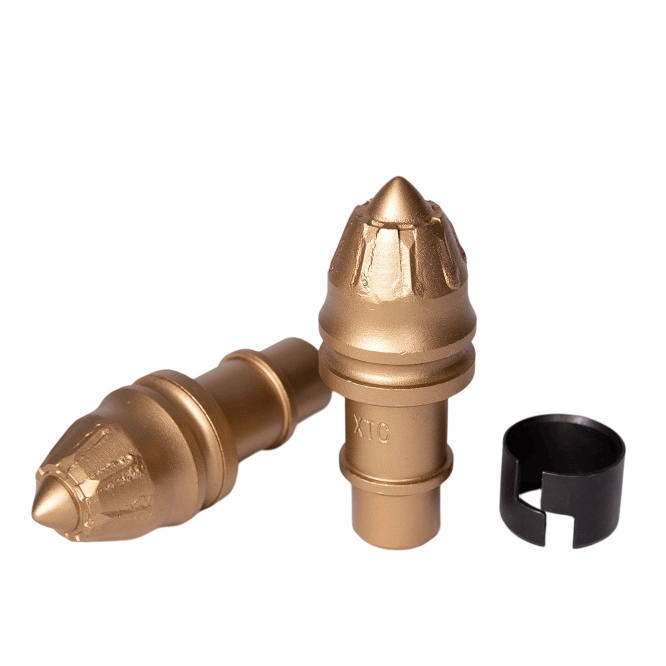
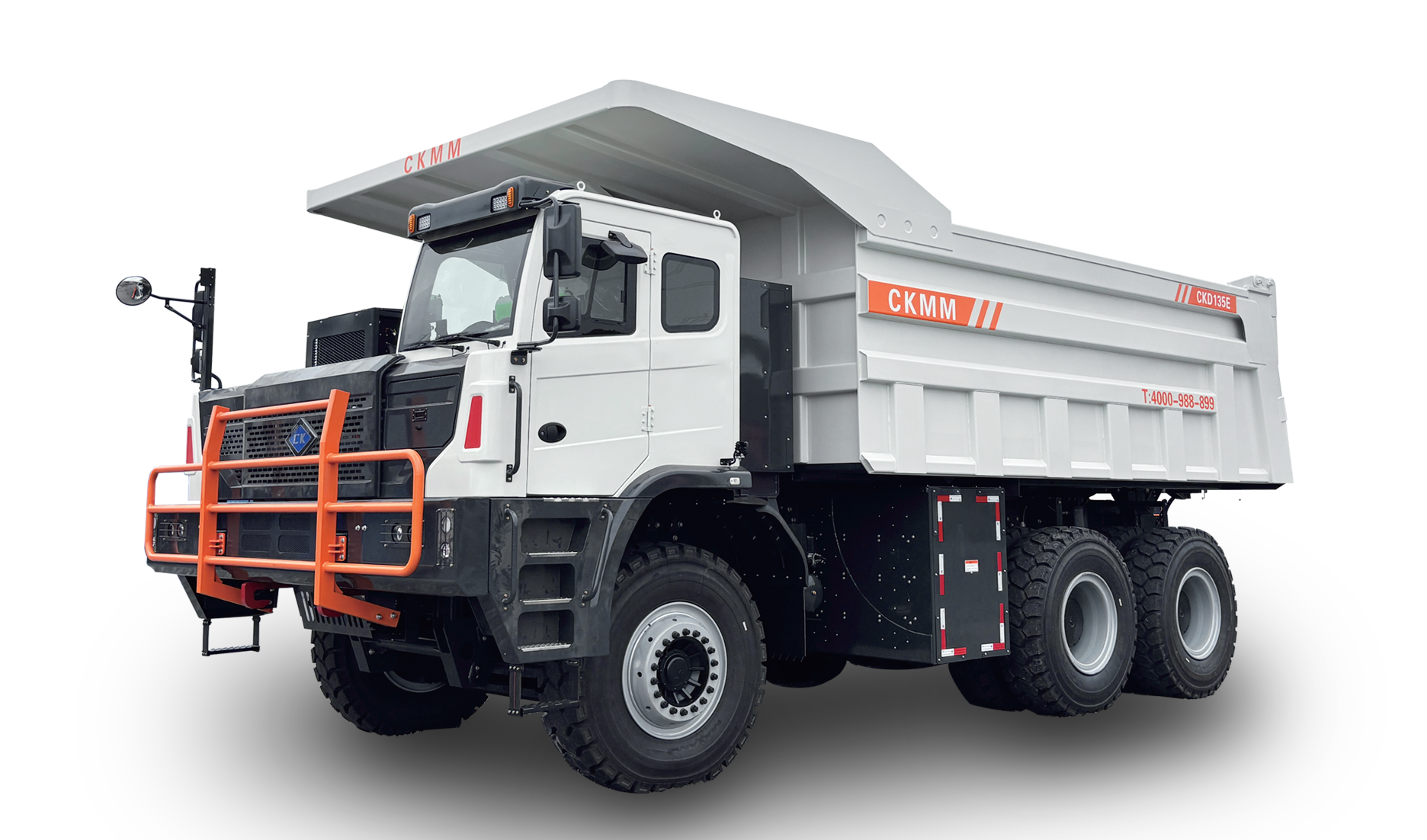
CKD135E Pure Electric Wide-body Dump Truck
Jiangsu Changkuang Engineering Machinery Co. Ltd.
Comprehensive Mining Automation Control System
Beijing Tianma Intelligent Control Technology Co., Ltd.