Japanese Micro EV MiBot Gains Support from Idemitsu Kosan, Boosting Electric Mobility
The Japanese micro electric vehicle MiBot, with its affordable price tag of approximately 1 million yen (about $7,000), is considered by the industry as an emerging product with potential in the country's electric mobility sector. Manufacturer KG Motors delivered the first batch of finished vehicles on December 30, 2025, and signed a formal cooperation agreement on January 16, 2026, with Idemitsu Kosan, a major Japanese oil refiner and service station operator, to jointly promote the development of next-generation mobility.
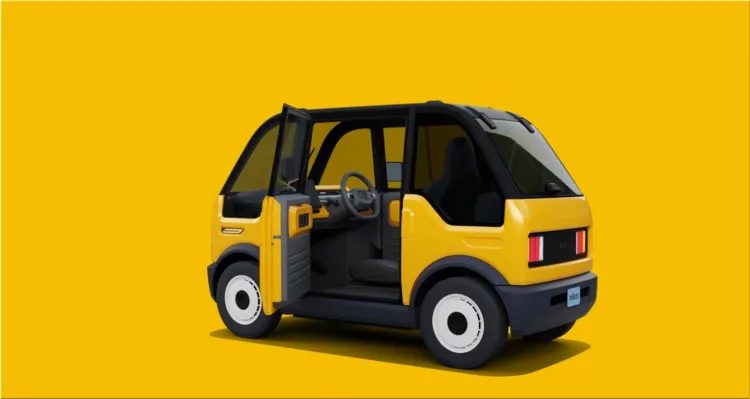
According to the agreement, Idemitsu Kosan will provide MiBot with comprehensive services including sales support, delivery handling, registration assistance, insurance services, and after-sales maintenance. A pilot project is scheduled to launch from April 2026 at selected apollostation service stations in Tokyo and Hiroshima, aiming to boost sales through the transformation of energy infrastructure, with a target annual sales volume of up to 10,000 units. The introduction of this micro EV is expected to carve out a new path in Japan's vehicle electrification process.
Idemitsu Kosan is actively implementing its "Smart Yorozuya" strategy, converting part of its apollostation network into electrified energy hubs that integrate EV charging equipment, solar power generation, and renewable energy supply. The MiBot, a single-seat micro EV with a range of about 100 kilometers and a top speed approaching 60 km/h, is designed for short-distance urban commuting. Its moderate performance naturally aligns with community-level energy ecosystems, supporting Japan's transportation decarbonization efforts.
KG Motors plans to commence full-scale mass production in April 2026, with an initial monthly production target of 300 to 500 units, gradually increasing to 800-900 units to meet market demand. The development of MiBot underwent a rigorous verification process covering aspects like braking, electrical safety, and stability, reflecting the cautious and compliant characteristics of Japanese manufacturing culture. The December 2025 delivery was part of the pre-mass production phase, and the capacity ramp-up in April 2026 will test the company's quality control capabilities as output increases.
For Idemitsu Kosan, the partnership with MiBot signifies a practical adaptation of a traditional energy company in the transition to electrification. As demand for internal combustion engines plateaus, service stations maintain relevance by diversifying services, with MiBot serving as a test case to demonstrate the integration of sales, delivery, and after-sales support. Japan's current EV market is dominated by high-priced models; MiBot challenges the existing paradigm with its affordability and low-speed characteristics. With the backing of an energy giant, its adoption may accelerate. If the production ramp-up proceeds smoothly, this micro EV not only represents a synergistic effort between an automaker and an energy company but could also have an impact on a global scale.
Related Products
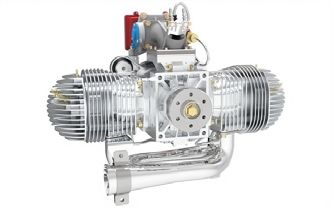

Aero Piston Engine - FF600 Two-Stroke Opposed Two-Cylinder Engine
China Times Prospect Science & Technology Co., Ltd.
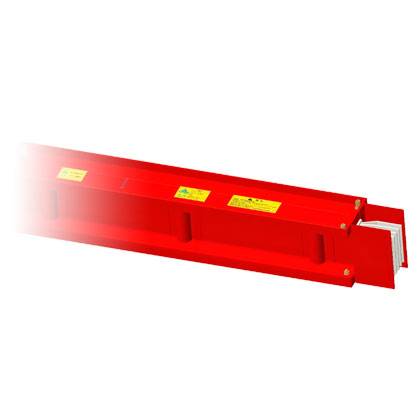
Mineral-insulated Compact Busway (Fire-resistant Busduct)
Zhuhai Guangle Electric Busway Co., Ltd.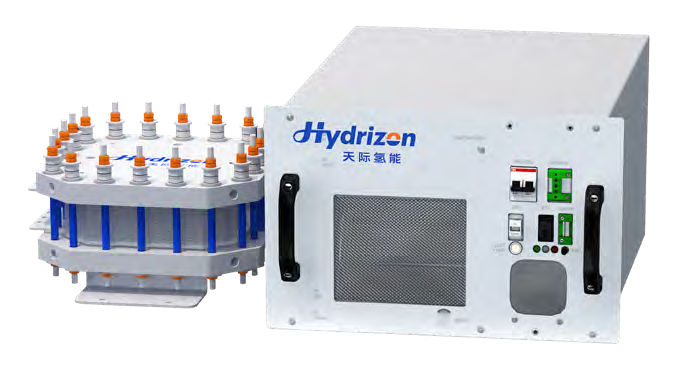
HI-Pro Green Hydrogen High-efficiency Production System-HI-PRO-AEM
Hydrizon Technology (Beijing) Co., Ltd.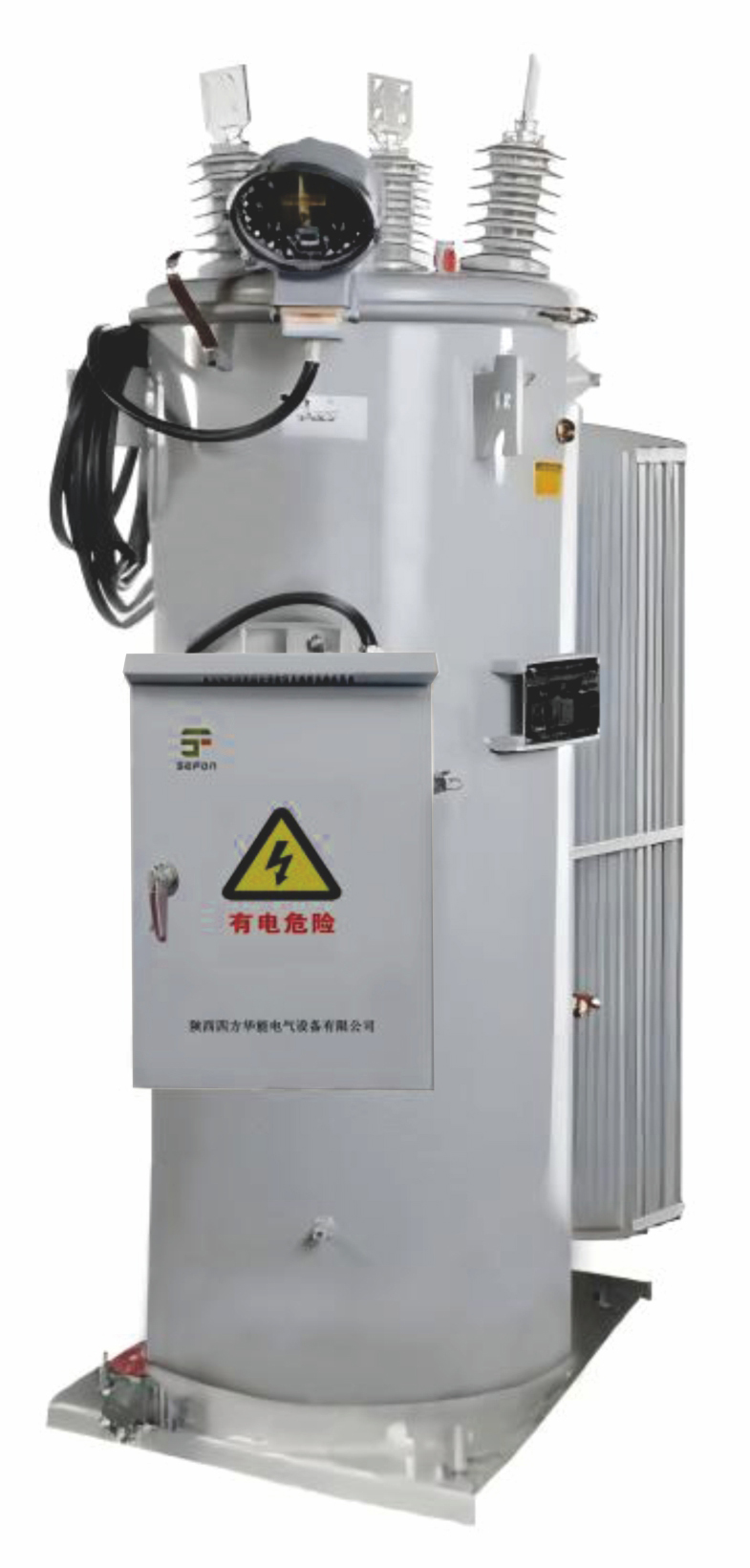
Single-Phase Automatic Voltage Regulator(AVR)
Shaanxi Sefon Electrical Equipment Co.,Ltd.
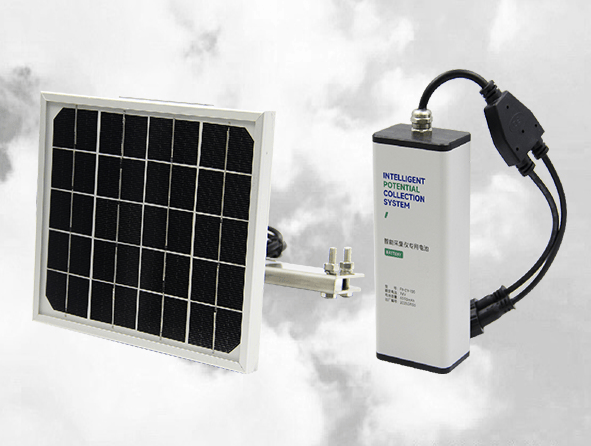
Inductive Power Harvesting Self-Powered Device - Safuneng
SELF ENERGY TECHNOLOGY (SHENZHEN) CO., LTD.
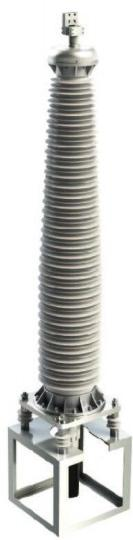
220kV Composite Outdoor Cable Terminal
Shenyang Guolian Cable Accessories Manufacture Co., Ltd.