
| Notice Type | Tender Announcement |
|---|---|
| Notice Number | 129627334 |
| Description |
Tender Name: Levanger Municipality Road Asphalt Paving Works 2026 Project Description: To carry out asphalt paving works on municipal roads and squares for Levanger Municipality. Project Overview and Core Objectives The core objective of this procurement is to provide professional asphalt paving services for municipal roads, streets, and public squares within the jurisdiction of Levanger Municipality, Norway. The project is not limited to simple new paving but may also encompass the repair, overlay, and rehabilitation of existing pavements, aiming to enhance the safety, comfort, and durability of the regional transportation infrastructure while considering harmony with the urban landscape. As a country located in Northern Europe, Norway has stringent technical standards and climate adaptability requirements for road construction, setting a high technical threshold for this project. Construction Content and Technical Specifications Detailed Project Scope Road Types: The works will cover various types of traffic areas in Levanger Municipality, including but not limited to: Arterial and Collector Roads: These carry major traffic volumes, demanding extremely high requirements for pavement structural strength, rutting resistance, and smoothness. Residential Streets: Require consideration for driving comfort and noise control, integrating with the community environment. Public Squares and Pedestrian Areas: Focus on the aesthetics, paving precision, and durability of the surface layer, potentially involving different surface treatments and color requirements. Bus Stops and Intersections: These areas experience frequent vehicle starts and stops with high shear stresses, often requiring special designs (e.g., using modified asphalt) to resist deformation and shoving. Ancillary Works: The scope may extend to the construction or repair of related ancillary facilities to form a complete road system. This includes: Curbs: Installing new or repairing existing concrete/granite curbs, ensuring linear smoothness and accurate elevation to provide a benchmark for asphalt paving. Drainage Systems: Cleaning, repairing, or constructing new catch basins, manholes, and connecting laterals to ensure proper surface drainage and prevent water damage to the pavement structure from ponding. Sidewalks and Access Areas: Blending the asphalt pavement with adjacent sidewalks, bicycle paths, or building entrances to ensure barrier-free access. Markings and Signs: Reapplying thermoplastic or cold-applied road markings after asphalt paving is complete, and potentially involving the temporary removal and reinstatement of traffic signs. Technical Standards and Specifications The project must strictly adhere to the latest edition of the "Technical Handbook for Roads and Streets" published by the Norwegian Public Roads Administration, which is the authoritative technical document for road construction in Norway. Furthermore, all materials and construction methods must comply with the following core European standards and Norwegian adopted standards: NS-EN 13108 Series: Series of standards for material specifications for asphalt mixtures. This may specifically involve: NS-EN 13108-1: Asphalt Concrete. NS-EN 13108-5: Stone Mastic Asphalt, often used for heavy-duty traffic or high-grade wearing courses. NS-EN 13108-7: Porous Asphalt, if the project involves drainage/noise-reducing pavements, this standard applies. NS-EN 13924 Series: Specifications for special paving grade bitumens, such as NS-EN 13924-2:2014 for technical requirements of multi-grade paving bitumens, which is particularly important in high-latitude regions or special load sections. Norwegian Standards: Other relevant Norwegian standards, such as requirements for aggregates, fillers, and additives. Material Requirements and Mix Design Bituminous Binder Grade Selection: Select the appropriate bitumen penetration grade or performance grade (PG grading) based on the local climatic conditions in Levanger (long, cold winters and short, mild summers) and traffic class. Multiple grades may be required to meet the needs of different layers (base, binder course, wearing course). Modified Bitumen: For critical sections (e.g., heavy-duty traffic roads, intersections, bus stops, steep gradients), the use of Polymer modified Bitumen (PmB) may be required to enhance the pavement's resistance to high-temperature rutting, low-temperature cracking, and fatigue. Adhesion: Given Norway's rainy and snowy climate, excellent adhesion between bitumen and aggregate must be ensured, using anti-stripping agents if necessary. Mineral Aggregates Gradation: The mix gradation must strictly conform to the design gradation curve range to ensure the formation of a densely interlocked skeleton structure. Common types include continuously graded Asphalt Concrete (AC), gap-graded Stone Mastic Asphalt (SMA), etc. Quality Requirements: Aggregates must be clean, dry, unweathered, and free from impurities. For wearing courses, there are strict requirements for the aggregate's Polished Stone Value (PSV) to ensure the pavement maintains sufficient skid resistance over the long term. High-quality local Norwegian hard basalt or diabase is often used for high-grade wearing courses. Recycled Materials: The project may encourage or require the use of a certain percentage of Reclaimed Asphalt Pavement (RAP), aligning with sustainable development and circular economy principles. Bidders must possess mature RAP pre-processing and recycling technology to ensure the performance of recycled mixtures meets or exceeds that of virgin mixtures. Mix Design The successful bidder must submit detailed target and job mix formulas for the asphalt mixtures to the client for approval prior to construction, verified by testing. The design, using Marshall tests or more advanced gyratory compaction methods, must determine the optimum bitumen content and verify the mix's volumetric parameters (air voids, voids in mineral aggregate, bitumen saturation) and mechanical properties (stability, flow value, tensile strength, etc.). Construction Technology and Process Construction Preparation and Base Treatment Existing Condition Survey and Assessment: Conduct a comprehensive survey of the existing pavement, including deflection measurements and distress condition, to determine the final treatment plan (e.g., milling and overlay, localized repair followed by a full overlay, etc.). Milling: Mill severely damaged old pavement layers, with precise control of milling depth to ensure a flat interface. Milled waste must be transported to designated sites or processed for recycling as per regulations. Base Repair and Leveling: Repair and reinforce damaged base layers. Lay new graded aggregate base or leveling courses and compact them thoroughly to ensure strength, smoothness, and cross-slope meet design requirements. Cleaning and Dust Removal: Before spraying prime coats or tack coats, the base/binder course surface must be thoroughly cleaned using powerful blowers or high-pressure water jets to ensure it is free of dust, loose particles, and oil stains. Prime Coat, Tack Coat, and Seal Coat Application Prime Coat: Spray prime coat on non-bituminous base layers to penetrate to a certain depth, enhancing the bond between the base and asphalt surface layers. Tack Coat: Spray tack coat between old pavements, concrete pavements, or between asphalt layers to ensure effective interlayer bonding, creating an integrated load-bearing structure. Seal Coat: As per design, a stress-absorbing membrane interlayer or waterproofing layer may be required on the base or binder course to retard reflective cracking. Asphalt Mix Production and Transportation Mixing: Produce mix using environmentally compliant batch or drum mix asphalt plants. Strictly control the proportion of cold feed materials, bitumen and filler content, and mixing temperatures. The discharged mix must be homogeneous, free from segregation and tender spots. Transportation: Use high-capacity dump trucks for transport. Truck beds must be coated with a release agent and covered with double-layer tarpaulins (for insulation, rain protection, and pollution prevention). Monitor mix temperature during transport to ensure delivery temperature meets paving requirements. Paving and Compaction Paving: Equipment: Use high-precision asphalt pavers with automatic screed control systems. For large-area paving, multiple pavers typically work in echelon formation to minimize longitudinal cold joints. Control: Control paving thickness, smoothness, and cross-slope based on stringlines or non-contact averaging beams. Paving speed should be continuous and uniform, matching plant production and trucking capacity. Arbitrary stopping or speed changes are prohibited. Joint Treatment: Longitudinal joints should be hot joints. Transverse joints at the end of a day's work should be cut square to the road centerline; before resuming work, apply tack coat and preheat with the screed before paving. Compaction: Equipment Fleet: Deploy a sufficient number of well-performing rollers, including double-drum vibratory rollers, pneumatic tire rollers, etc. Process: Strictly follow the compaction sequence: initial compaction (static/low-frequency vibration), intermediate compaction (high-frequency vibration/tire kneading), and finish compaction (static to remove roller marks). Temperature Control: Strictly control the mix temperature at each compaction stage. Compaction must be completed within the specified temperature range to achieve the required density (e.g., 97% of maximum theoretical density or 98%+ of Marshall density). Particularly during summer construction in Norway, with significant diurnal temperature variations, compaction procedures need flexible adjustment. Warm Mix Asphalt Technology: To respond to environmental and energy-saving requirements, the project may encourage the use of Warm Mix Asphalt (WMA) technology. This technology allows production and placement at temperatures 20-30°C lower than traditional Hot Mix Asphalt (HMA), significantly reducing energy consumption and greenhouse gas emissions, improving worker conditions, and extending the construction season. Quality Management and Testing Process Control The contractor must establish a comprehensive quality assurance system and conduct self-inspection for each work process. This includes raw material sampling, mix gradation and bitumen content testing, temperature recording, and real-time monitoring of paving thickness and smoothness. Use devices like nuclear density gauges to track compaction density in real-time, providing timely feedback to guide compaction operations. Acceptance Testing Density: Obtain core samples to determine density, air voids, and layer thickness. Smoothness: Test using a 3-meter straightedge or a continuous profilometer. Skid Resistance: Measure friction coefficient using a British Pendulum Tester and texture depth using the sand patch method. Appearance: Inspect the pavement surface for smoothness, density, and the absence of defects such as roller marks, shoving, cracks, raveling, segregation, or oil spots. Check that joints are tight and smooth. Climate Adaptability: The main construction window is concentrated from April 20 to October 30, 2026. This period is the prime season for road construction in Norway, but weather remains variable. Detailed contingency plans for rainy and cold weather construction must be prepared. For example, paving must stop immediately upon rain, and unprotected, uncompacted sections must be properly safeguarded. Traffic Management: A detailed traffic management plan must be developed for the construction period to minimize disruption to local residents, businesses, and commuter traffic. This may include night work, weekend work, full-road closure in segments, etc., and must be publicly announced in advance. Environmental Protection: Strictly comply with Norwegian environmental regulations. Control construction noise and dust emissions. Effectively manage asphalt fumes. Prevent soil and water contamination from fuels and chemicals. Sort and legally dispose of construction waste. Logistics and Supply Chain: Bidders must demonstrate they have a stable, qualified supply chain for raw materials. Given Levanger's geographical location, a rational transportation plan is key to ensuring project progress and cost control. Sustainability: In the bid proposal, demonstrating the application of environmentally friendly technologies (e.g., WMA, high RAP content, use of bio-based additives) and consideration of lifecycle costs will be a significant advantage. Place of Performance: Norway, Trøndelag County, Levanger Municipality Estimated Contract Value: 3,000,000 Norwegian Kroner (excl. VAT) Contract Period: Estimated Start Date April 20, 2026, Estimated End Date October 30, 2026 |
| Documents |  Attachment.pdf (117.46 K) Attachment.pdf (117.46 K) |
Expired Tender for Road Asphalt Paving Works by Levanger Municipality, Norway
Favorite
| Organization | Levanger Kommune | Country | Norway |
|---|---|---|---|
| Contact | Per Jonas Høglund | Tel. | View more |
| View more | Address | Håkon den godes gate 30, 7600 LEVANGER | |
| Release Date | 2026-02-26 | Validity | 2026-03-26 |
Details
The tender information on this website is provided for reference only. If you intend to bid, please verify the authenticity and accuracy of the information with the tendering party. Our company reserves the right to adjust website content at any time and assumes no direct or indirect liability for it.Email: news@wedoany.com
Related Tenders
Related Products
ABS Lithium Bromide Unit
Negotiable
CITIC Heavy Industries Tunneling Equipment Tunnel Engineering Shield Machine
Negotiable
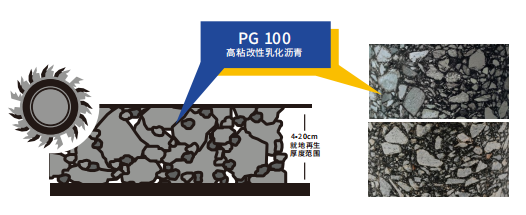
High-toughness in-Situ Cold Recycling Technology for Original Structural Layers
Negotiable /m²

Ultra-Pure Ferrite Stainless Steel Products
Negotiable

Hotel Elevator
Negotiable
Aoxuan Intelligent Precision Air Conditioning Unit
Negotiable

Aluminum Formwork System
Negotiable
Ceiling light | led Ceiling Light | LED Indoor light | LED Ceiling lighting
Negotiable /PCS
Pure Polyurethane Wall Panel BD-AEF-PIR-01
Negotiable
Pinming CCBIM
Negotiable

China World Trade Center Project
Negotiable
ERW Welded Pipe (Black Pipe and Hot-dip Galvanized Steel Pipe)
Negotiable