

Product Overview:
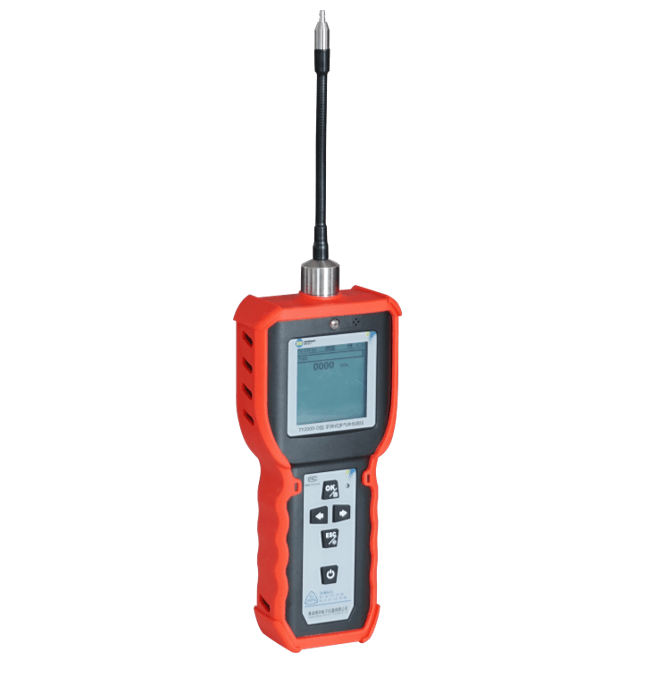
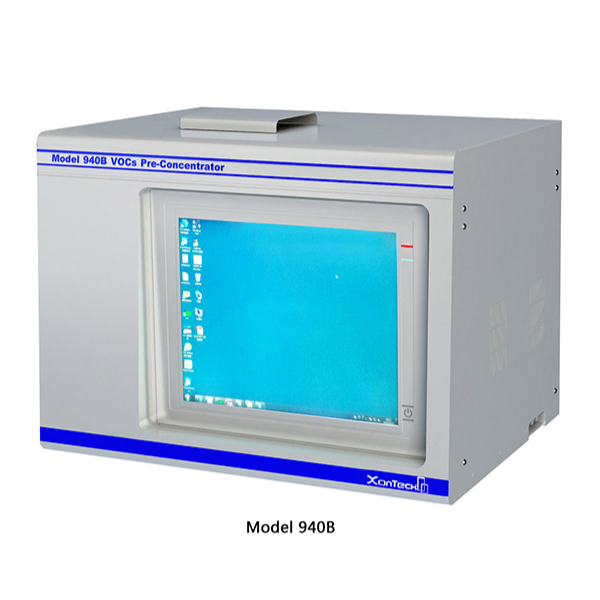
The 940B Atmospheric Volatile Organic Compounds (VOCs) Preconcentrator features a full touchscreen operation. It uses electric refrigeration instead of liquid nitrogen cooling, achieving a refrigeration temperature of -180°C. It is easy to maintain, has low operating costs, and is more user-friendly for widespread adoption. The preconcentrator employs dual-path sampling, dual-path low-temperature water removal, and dual-path ultra-low-temperature empty trap freezing to capture 102 types of various VOCs, including hydrocarbons, halogenated hydrocarbons, aldehydes, and ketones. Water removal, concentration, and focusing pretreatment are completed in one step. The trapping efficiency and thermal desorption efficiency are higher than those of adsorption tube methods. The empty trap has a long service life. The 940B Atmospheric VOCs Preconcentrator can be interfaced with various models of GC and GC/MS analyzers.
Product Features:
- Empty capillary column at -150°C captures and concentrates various VOCs, with trapping and thermal desorption efficiency higher than adsorption tube methods
- Electric refrigeration achieves -180°C low temperature, replacing liquid nitrogen cooling. Convenient operation, low cost, easier for promotion and use
- Water removal, trapping, and focusing pretreatment are completed in one step. Simple program, better analysis repeatability and accuracy than three-stage pretreatment
- Dual-path sampling, dual-path low-temperature water removal, dual-path ultra-low-temperature trapping, suitable for concentration of various VOCs. Dual-column separation, dual-detector detection, strong qualitative and quantitative capabilities
- The preconcentrator has an automatic backflush purification function, with strong anti-interference capability
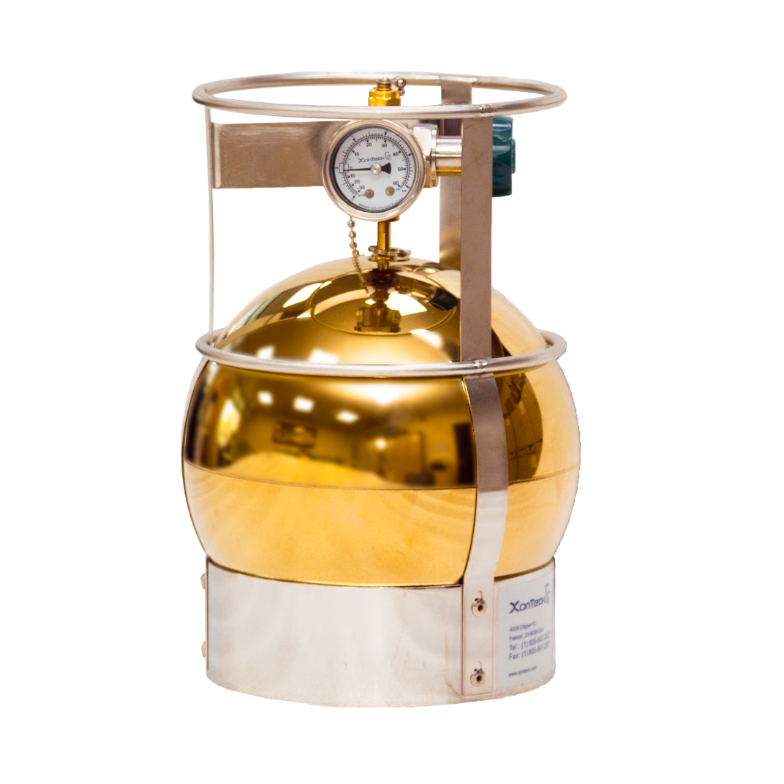
- The preconcentrator can connect to sampling canisters, sampling bags, and other sampling devices for offline detection
- The preconcentrator can be interfaced with various models of GC and GC/MS analyzers
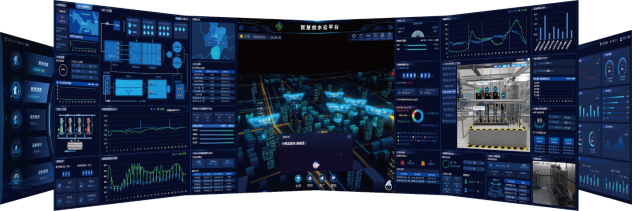
- Monitoring data automatically uploaded to the database
- Monitoring reports in various formats, including concentration data reports, concentration/time curve reports, and various VOC concentration percentage pie chart reports