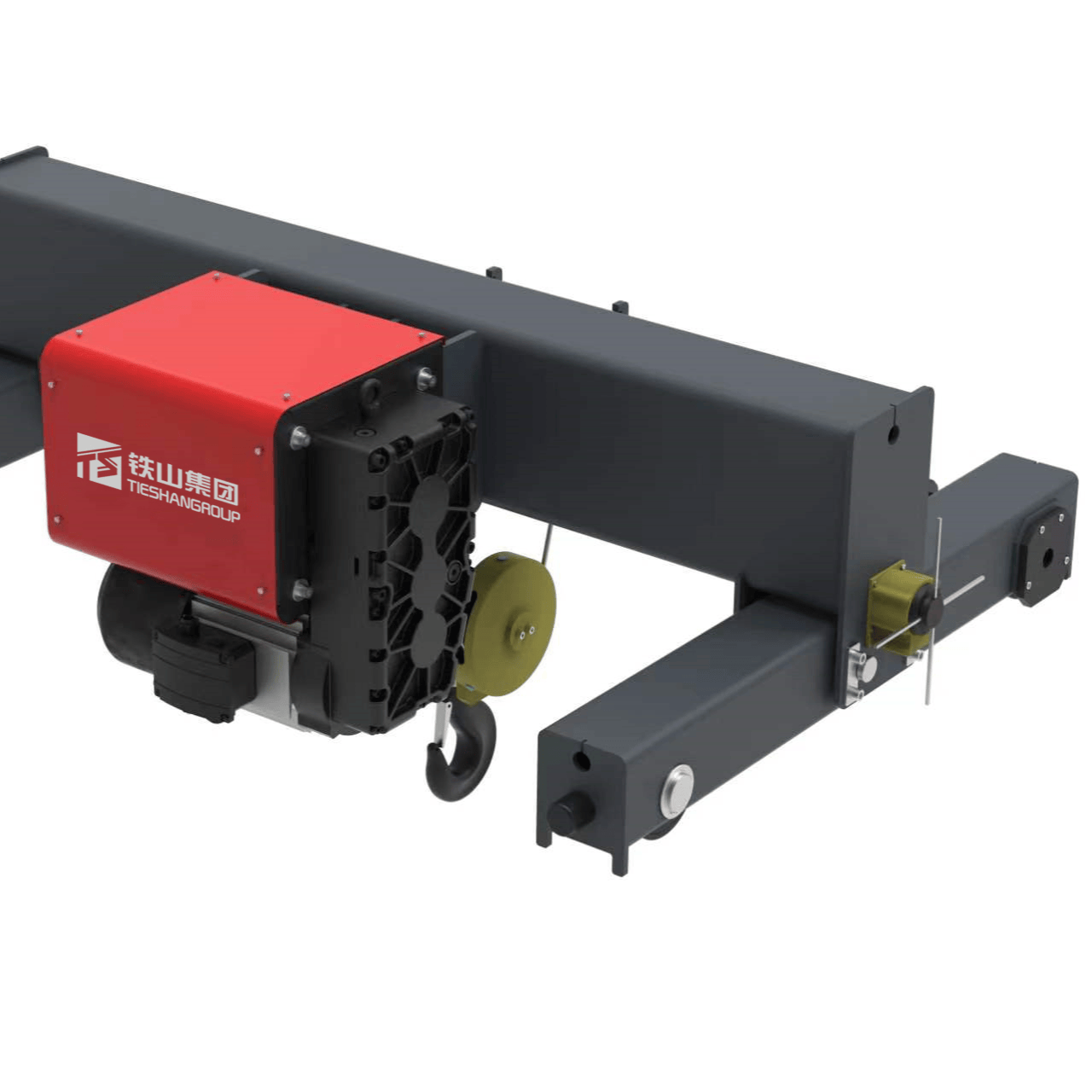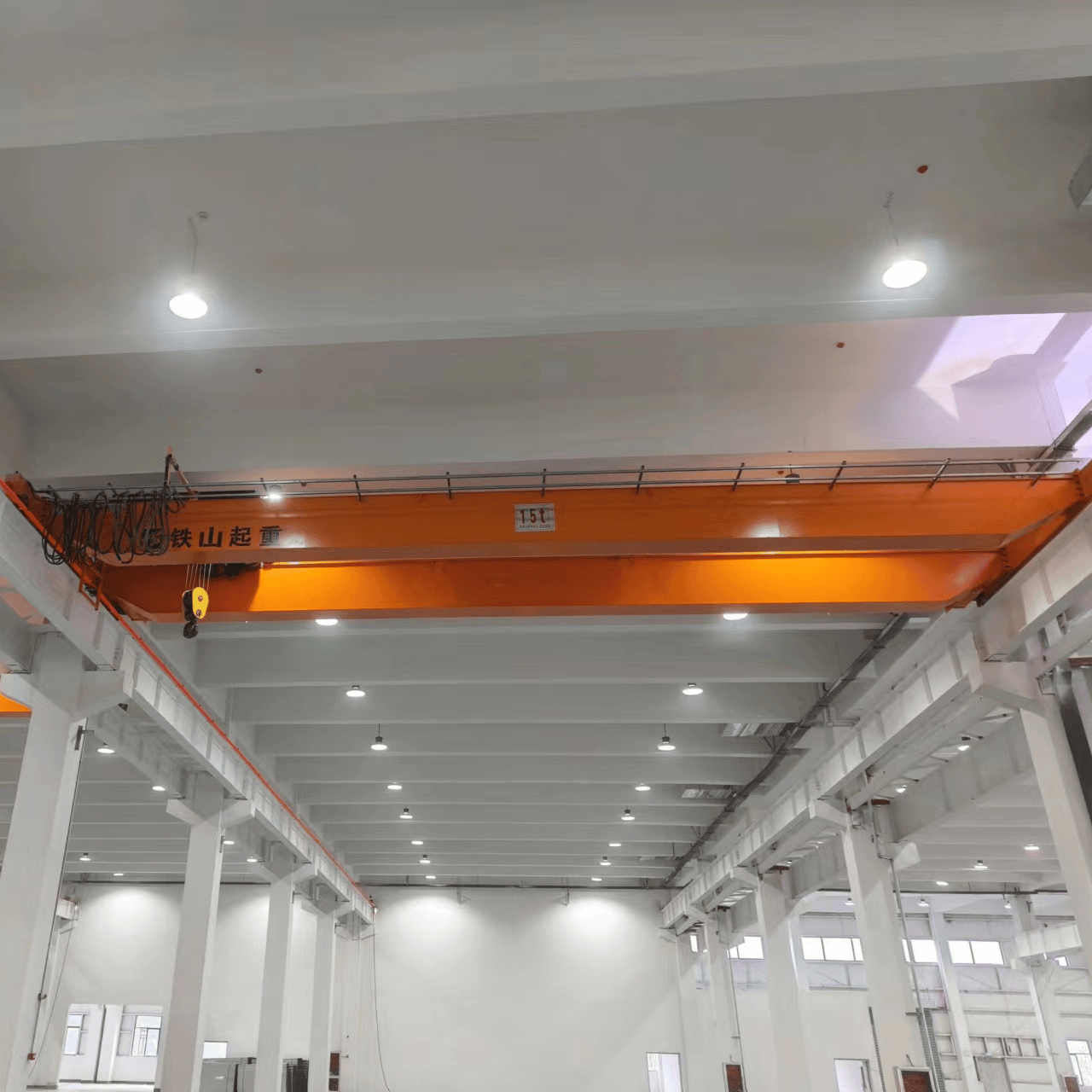
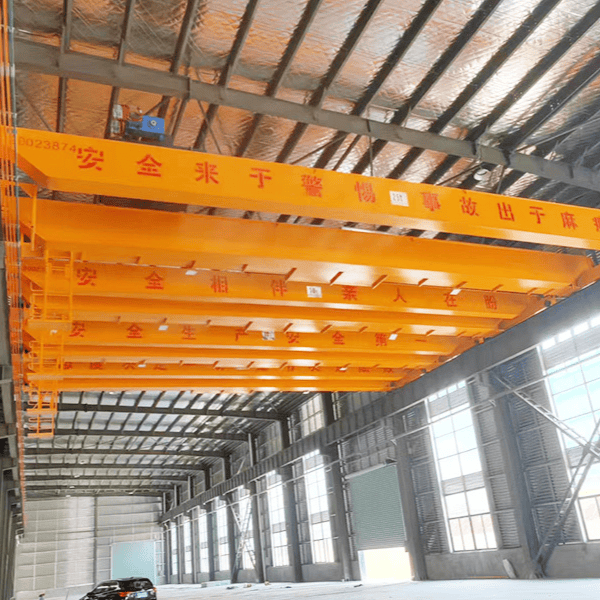
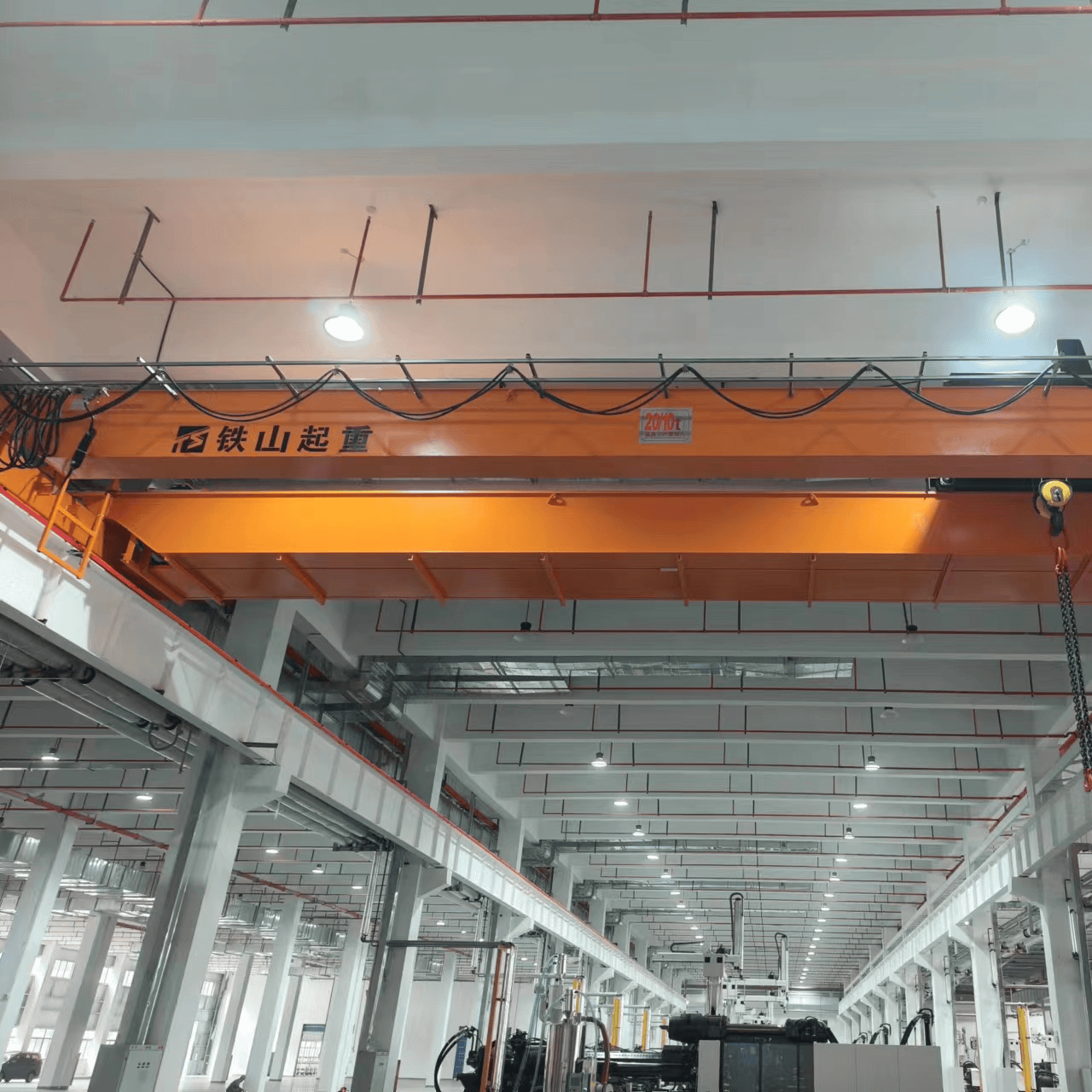


European overhead cranes feature finite element optimized box-section main girders, integrated three-in-one drive (motor-brake-hardened gearbox in one unit), modular bolted assembly, integrated electrical systems, and are widely paired with European wire rope electric hoists / compact winch trolleys. Compared with traditional domestic cranes of the same capacity, the overall deadweight is reduced by 25-40%, wheel loads are significantly lowered, and a larger effective lifting height can be achieved under the same factory building height, making them suitable for new plants, renovation of existing plants, precision assembly, and export projects.
Main Classifications
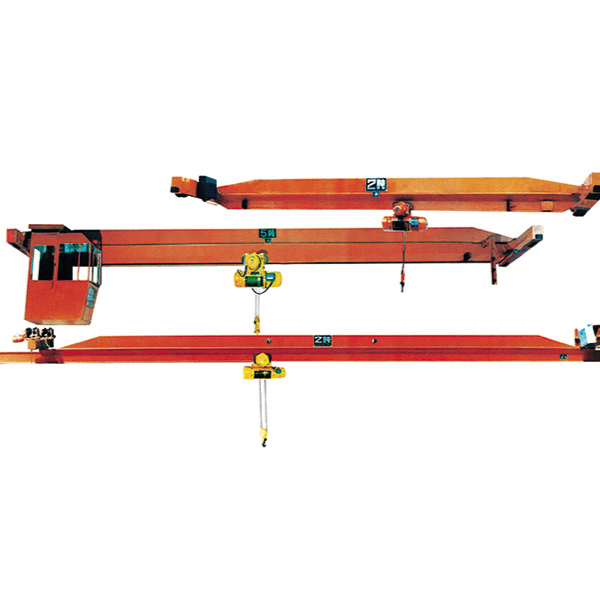
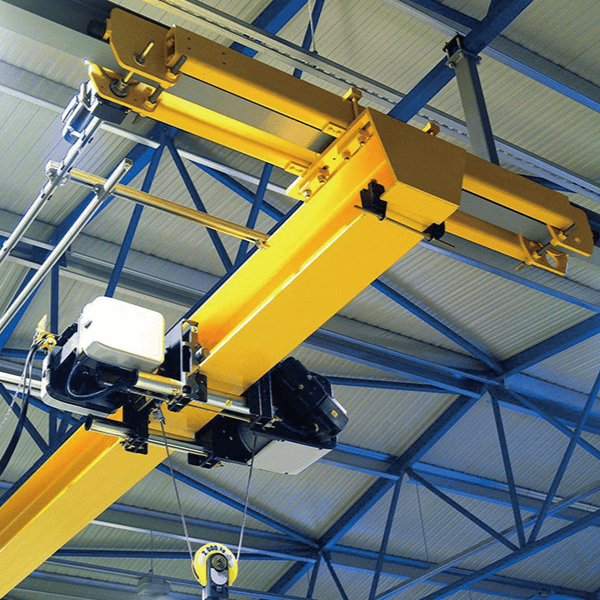
- LDC European Single-Girder Bridge Crane Single main girder + low-headroom European electric hoist; lifting capacity 1-20t; preferred for small and medium capacities where plant height is limited; for indoor use.
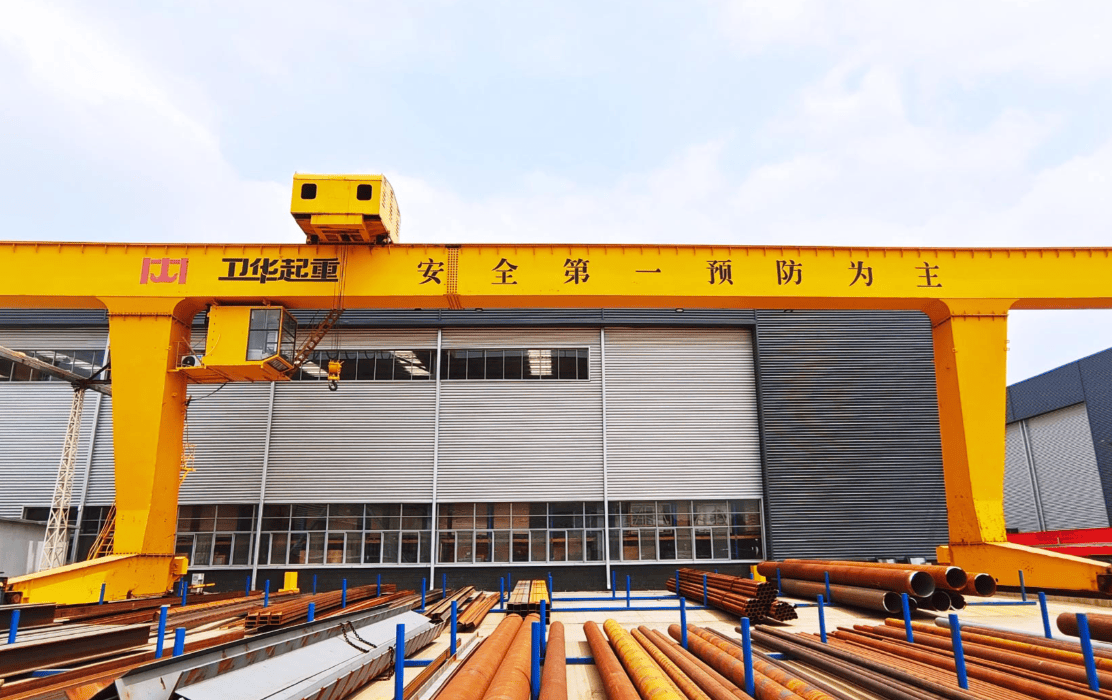
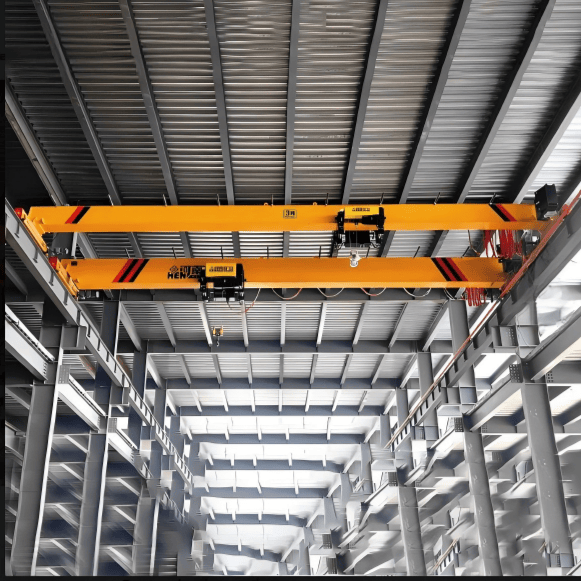
- LH-E European Double-Girder Hoist Bridge Crane Double main girders + European hoist; lifting capacity 5-32t; superior rigidity compared to single-girder designs, M5 high duty class, suitable for frequent operation.
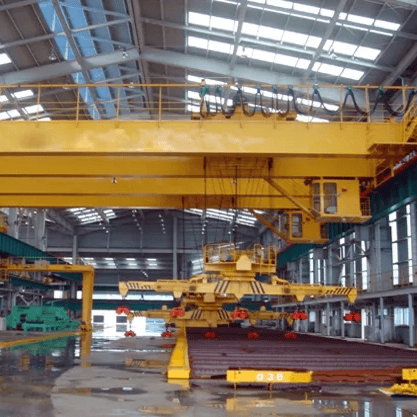
- HE European Double-Girder Bridge Crane Double main girders + European compact winch trolley; lifting capacity 10-320t; for large-capacity heavy-duty applications, replacing traditional QD double-girder cranes; commonly used in high-end heavy industry, new energy, and equipment manufacturing.
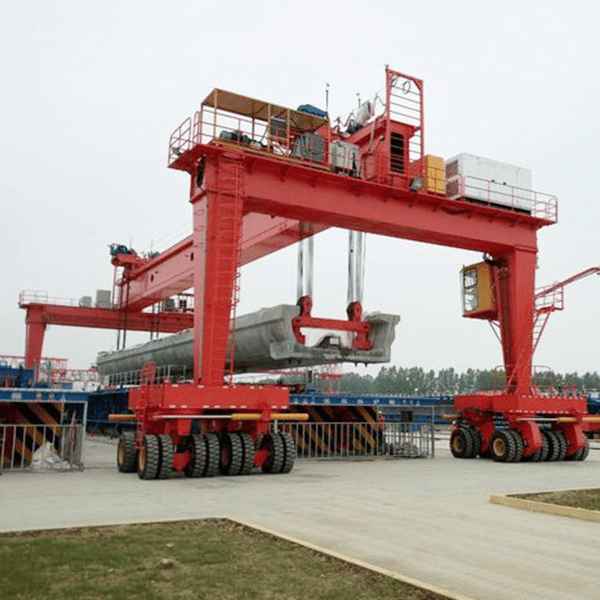
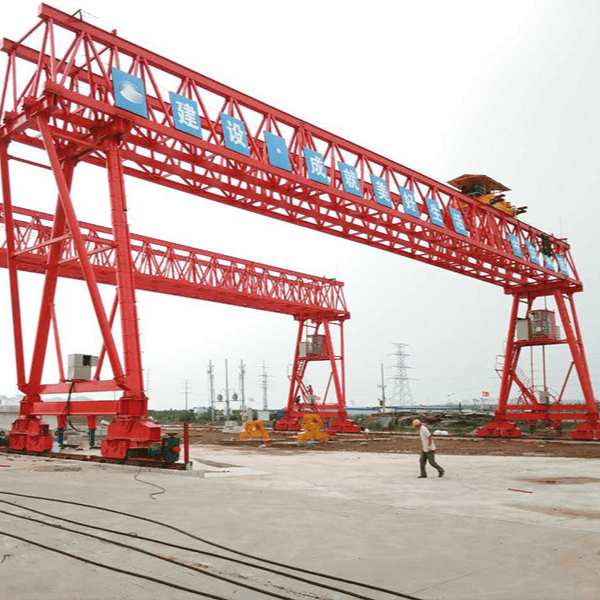
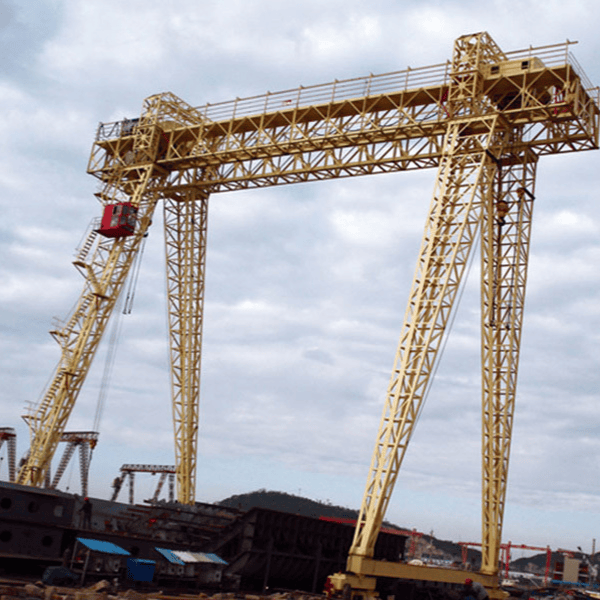
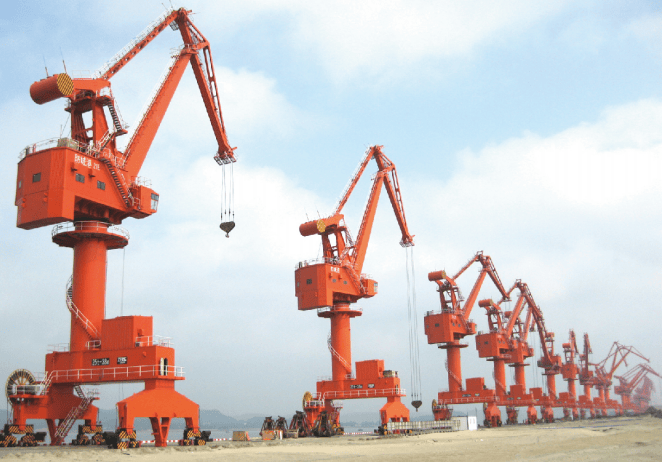
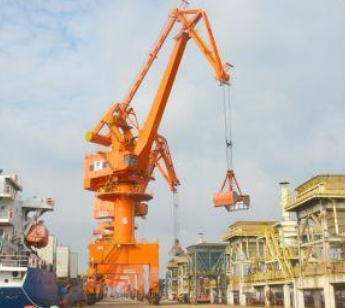
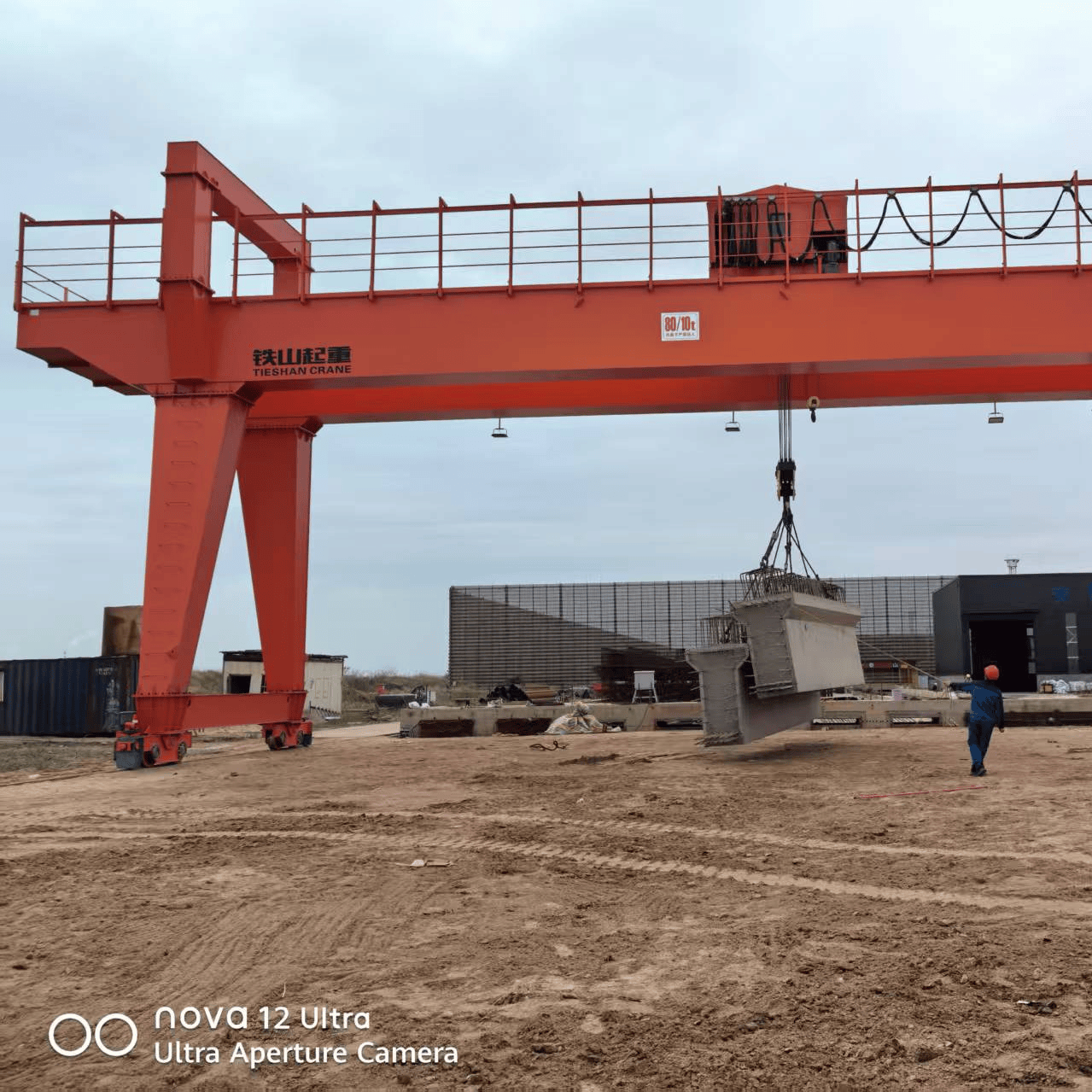
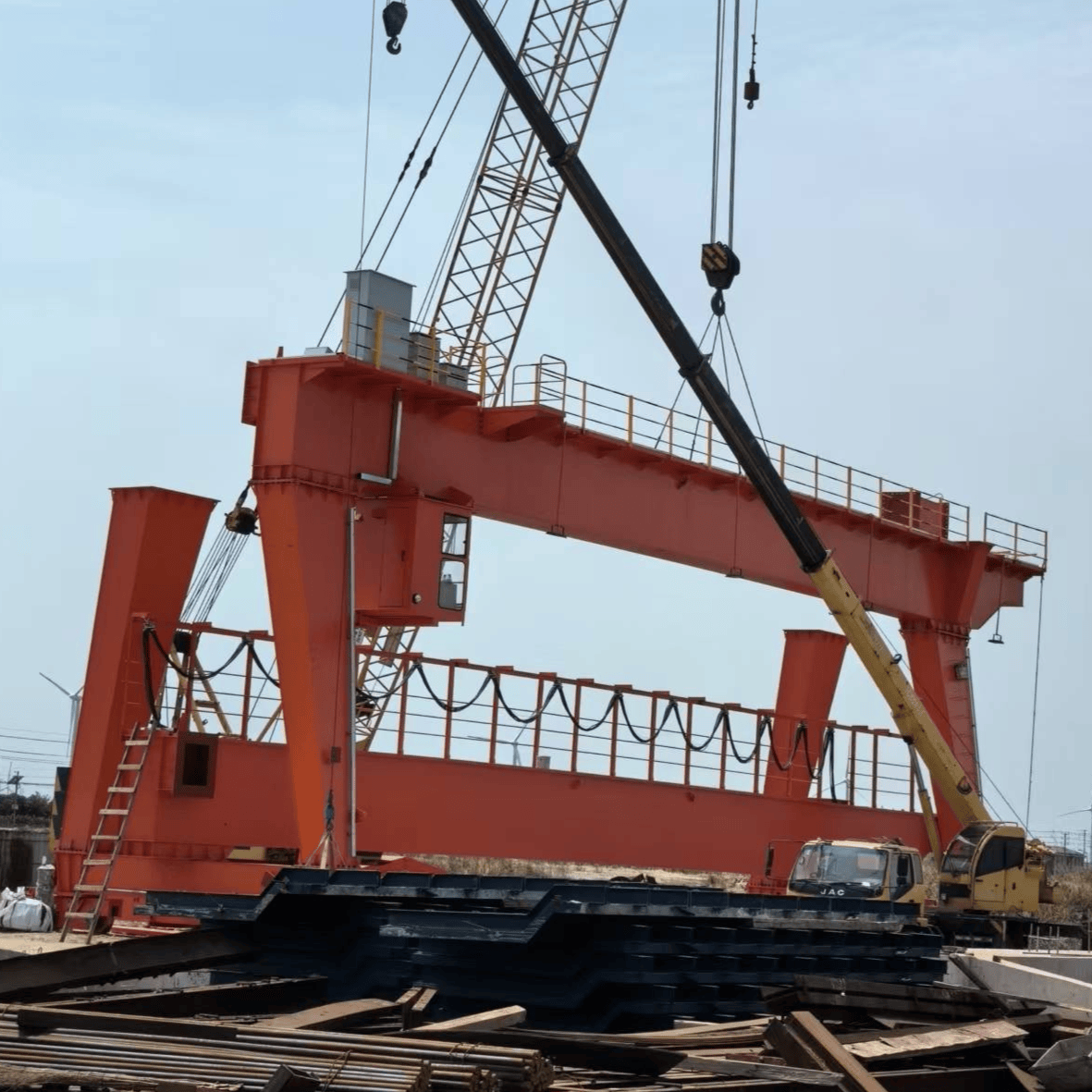
- MH-E European Gantry Crane (European Portal Crane) Floor-mounted gantry structure for outdoor use; lifting capacity 5-100t; lightweight gantry frame with comprehensive wind protection system; used for component storage yards and export projects.
Core components: All hoisting mechanisms are equipped with European wire rope electric hoists or European compact winch trolleys, with variable frequency speed control as standard for hoisting plus cross-travel and long-travel motions.
Complete Crane Composition
1. Metal structure: Optimized box-section main girders, modular end carriages, high-strength bolted connections, Q355B high-strength steel; 2. Hoisting mechanism: European low-headroom hoist / European winch trolley, dual-brake configuration; 3. Travel mechanism: Three-in-one variable frequency drive unit, maintenance-free hardened gearbox, QT700 wear-resistant wheels; 4. Electrical system: PLC integrated electrical control, aviation quick-connect plugs, IP54-IP55 protection; supports remote control, pendant, and cabin operation; optional anti-sway, crane safety monitoring, and remote maintenance; 5. Safety system: Full set of limit switches, overload protection, and attitude monitoring.
Key Differences: European vs. Traditional Cranes
Table
| Comparison Item | European Crane | Traditional Domestic (LD/QD/MH) |
|---|---|---|
| Design Philosophy | Lightweight modular design, finite element optimization | Traditional conservative thickened design, excessive deadweight |
| Headroom | Low headroom, minimal space occupied above the hook | Large headroom dimensions, wastes plant height |
| Deadweight & Wheel Load | Light, low wheel load, reduces crane runway girder load | Heavy overall, high wheel load, higher civil construction costs |
| Drive Method | Three-in-one variable frequency, soft start/stop with low impact | Pole-changing motor direct start, high impact |
| Duty Class | M5 (M3m) as standard, M6 (M4m) available | A3-A5 as standard, A6 only for heavy-duty |
| Noise | 65-72dB | 75-85dB |
| Maintenance | Modular, easy component replacement | Scattered components, high maintenance workload |
✅Advantages: Full utilization of plant space, reduced plant civil construction costs; smooth operation with minimal load sway; suitable for export projects; no need to reinforce crane runway girders in existing plant renovations. ⚠️Disadvantages: Higher equipment purchase price compared to traditional models.
Applicable Industries
New energy equipment, precision machinery processing, mold workshops, equipment assembly, overseas export projects, upgrading of existing plants; European gantry cranes for outdoor component storage yards.