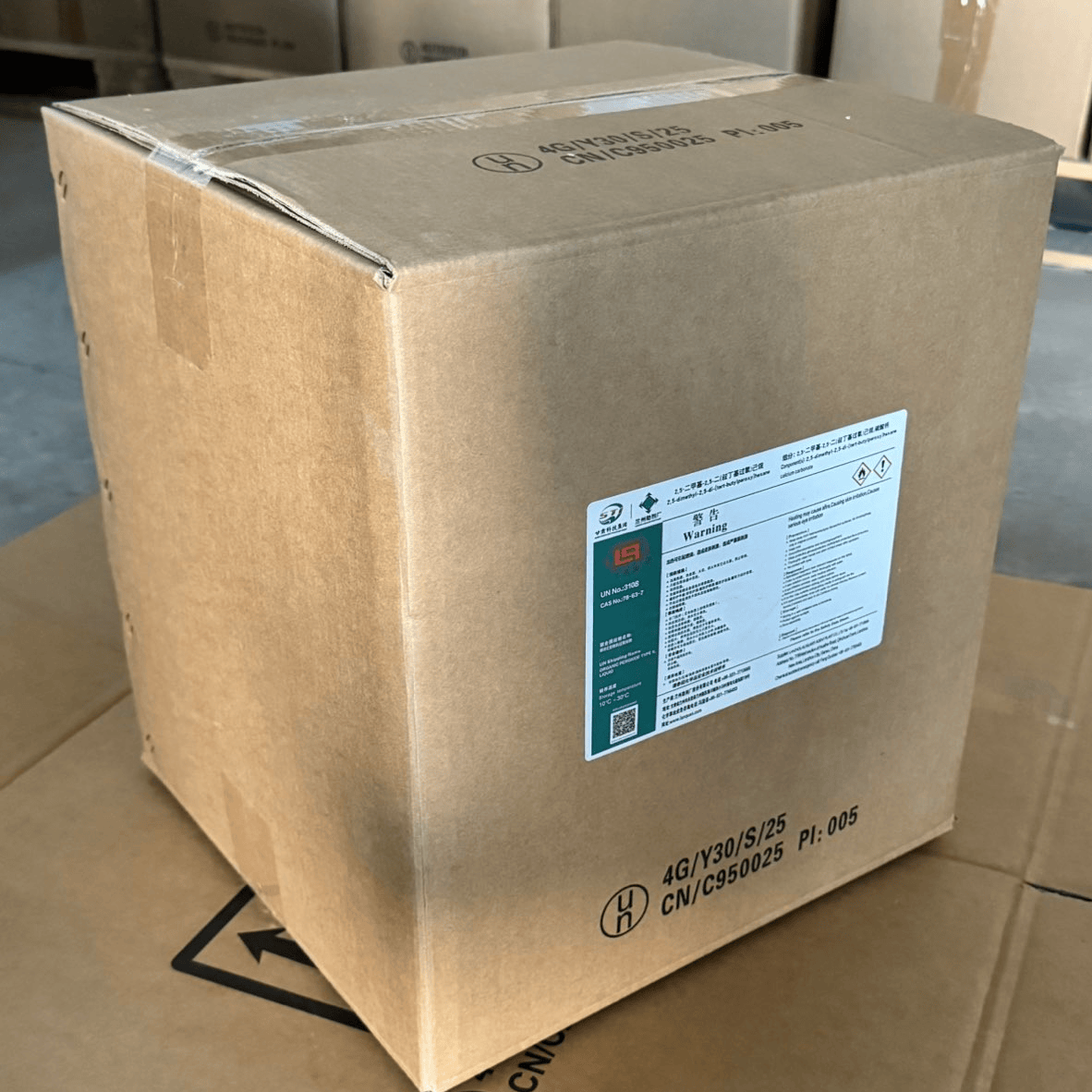


Product Introduction: 2,5-Bis(tert-butylperoxy)-2,5-dimethylhexane
Trade Name: Initiator LQ—BPDH
English Name: 2,5-Bis(tert-butylperoxy)-2,5-dimethylhexane
Chemical Name: 2,5-Bis(tert-butylperoxy)-2,5-dimethylhexane
Molecular Formula: C16 H34 O4
Molecular Weight: 290.44
Theoretical Active Oxygen Content: 11.02%
CAS No.: 78-63-7
UN No. 3105
IMO/IMDG 5225 Class: 5.2
Road Transport (ADR): 5.2 5b
Rail Transport (RID): 5.2 5b
Sea Transport (IMDG): 5.2 - 01 Packing Group II, Class C liquid peroxide.
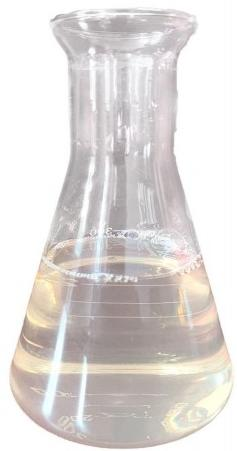
Properties: This product is a colorless transparent liquid. It can be diluted with hexane, odorless mineral oil, isododecane, etc., or with solvents specified by the customer. It can also be diluted with inorganic compounds or polypropylene powder.
It is insoluble in water and soluble in most organic solvents. Specific gravity (200C): 0.870. Currently available in three specifications: 90%, 50%, and 30%.
Main Decomposition Products: tert-Butyl alcohol, 2,5-dimethyl-2,5-hexanediol, isobutylene, methane, acetone, etc.
Safety Data:
Half-life:
0.1 hour: 156°C
1 hour: 134°C
10 hours: 115°C
Thermal Stability Data:
Self-Accelerating Decomposition Temperature (SADT): 80°C
Critical Temperature (Tem): 75°C
Storage Temperature (Tsmax): 10/40 °C
Activation Energy E (KJ/mol): 155.49
A=1.68E+16 (S-1)
Approved by the U.S. FDA for use in repeated-use rubber articles.
Routes of Entry: Inhalation, ingestion, skin absorption.
Toxicity:
Oral LD50 : >3200 mg/kg (rat, oral)
Dermal LD50 : >4.1 mg/kg (rabbit)
Acute Intraperitoneal Toxicity LD50 : 1700 mg/kg (mouse)
Health Hazards: This product is irritating to the eyes, skin, and mucous membranes and may cause dermatitis.
Technical Specifications:
Appearance: 92% min
Active Oxygen: 10.1% min
Color: 50 Pt-Co max
Specific Gravity (20 0C): 870 KG/M3
Refractive Index (20 0C): 1.422
tert-Butyl hydroperoxide and 2,5-dimethyl-2,5-di(tert-butylperoxy)hexane content: 0.3% max
Applications:
1. Polymer crosslinking agent: An organic peroxide crosslinking agent widely applicable to various polymers, particularly suitable as a crosslinking agent for polyethylene (LDPE, HDPE) and ethylene/vinyl acetate copolymers. The crosslinking temperature is above 1700C, and no crosslinking occurs below 1400C. The dosage is 0.5%-3% (W/W), and for some materials that are less prone to crosslinking, the dosage is generally
1%-5%.
2. High-temperature vulcanizing agent for vinyl silicone rubber: Also an excellent vulcanizing agent for various other types of rubber. Rubber vulcanized with this product exhibits outstanding advantages such as high tensile strength and high hardness.
3. Excellent degradation agent for polypropylene: The degradation temperature is 200-2200C, and the dosage is 0.01-0.1%. It can produce rheological polypropylene with low molecular weight and narrow molecular weight distribution, and high melt flow index. It can serve
as an important initiator for high-speed spinning materials, coating materials, film materials, and casting plastics. It is the preferred raw material for producing temperature-reducing masterbatch.
4. High-temperature curing agent for unsaturated polyester.
Packaging and Transportation:
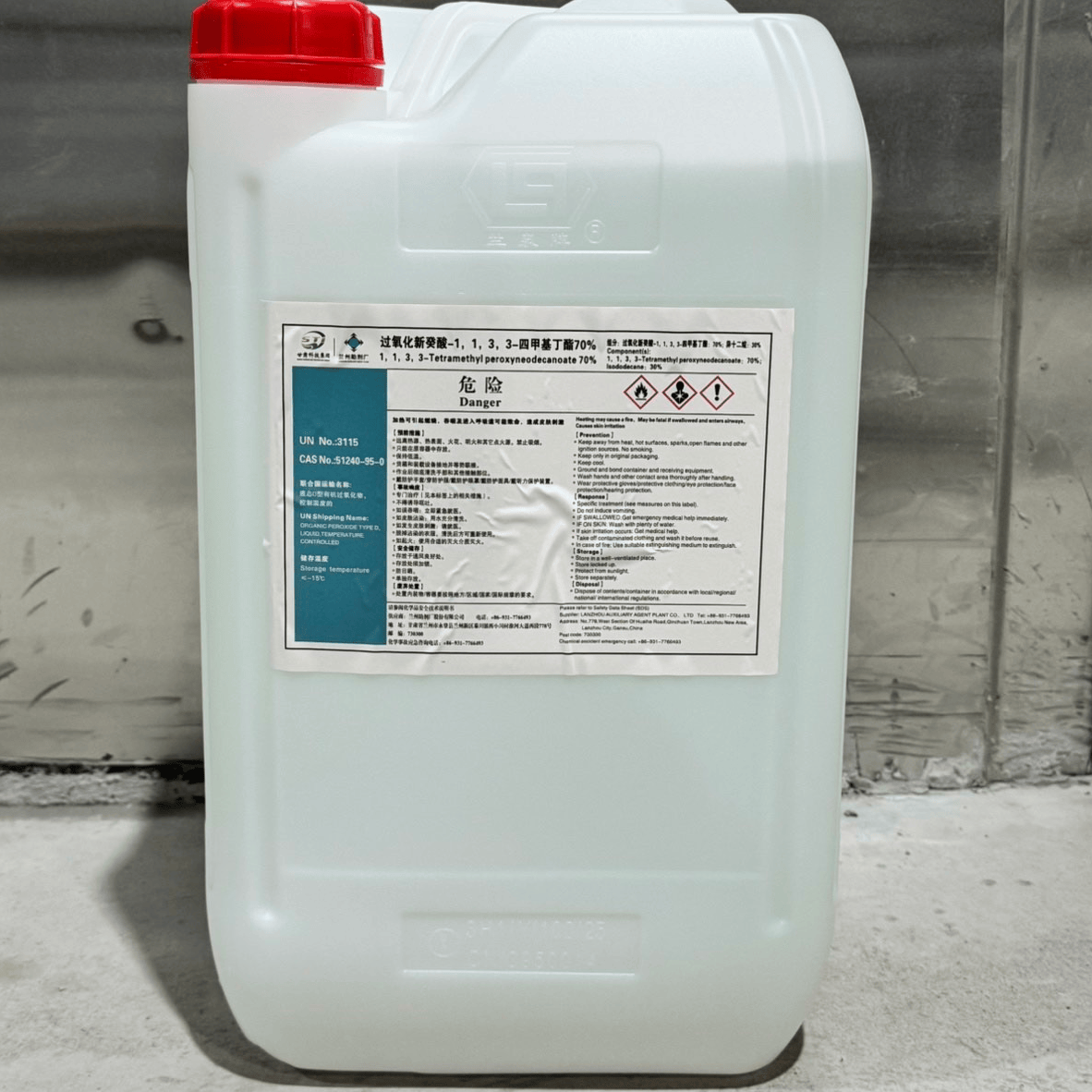
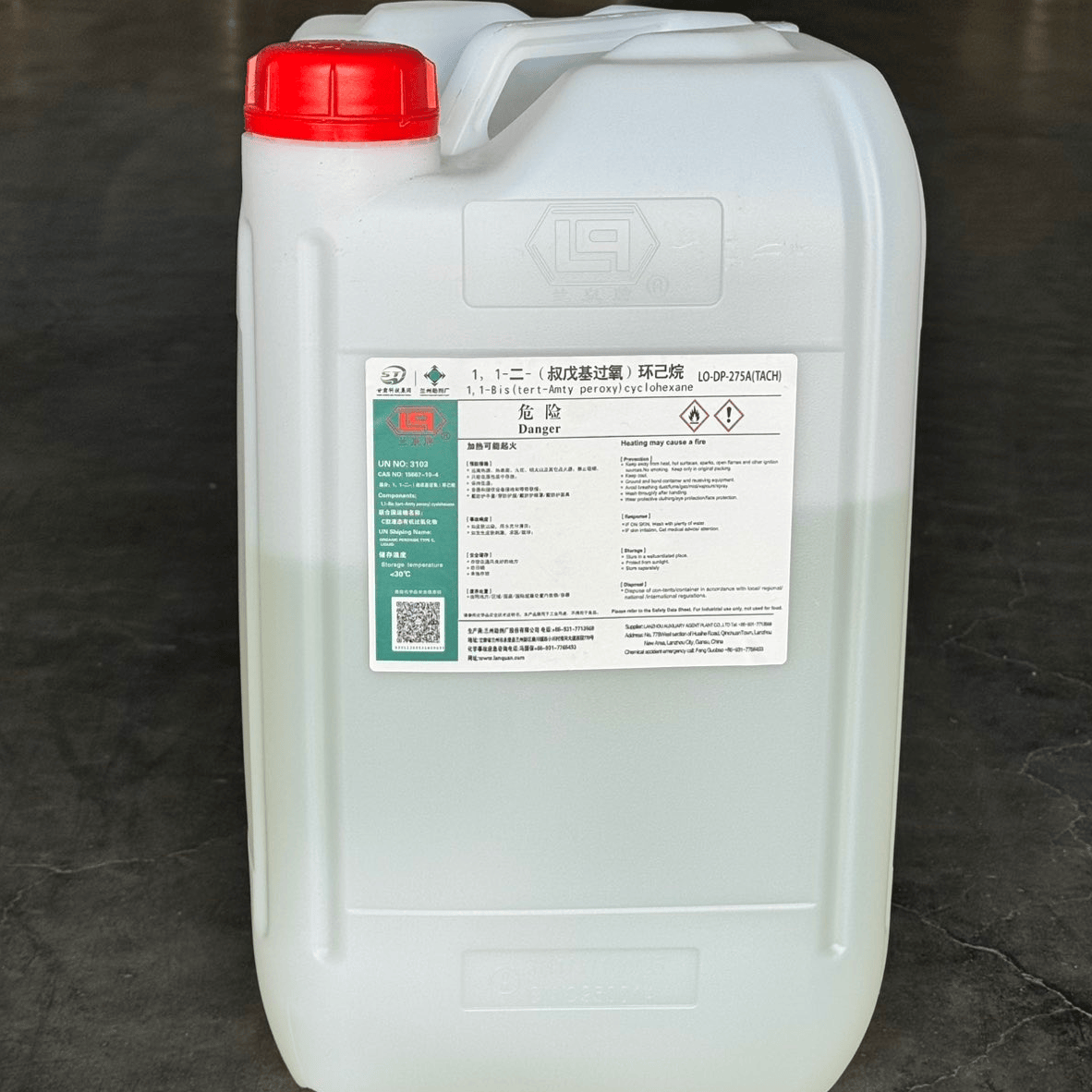
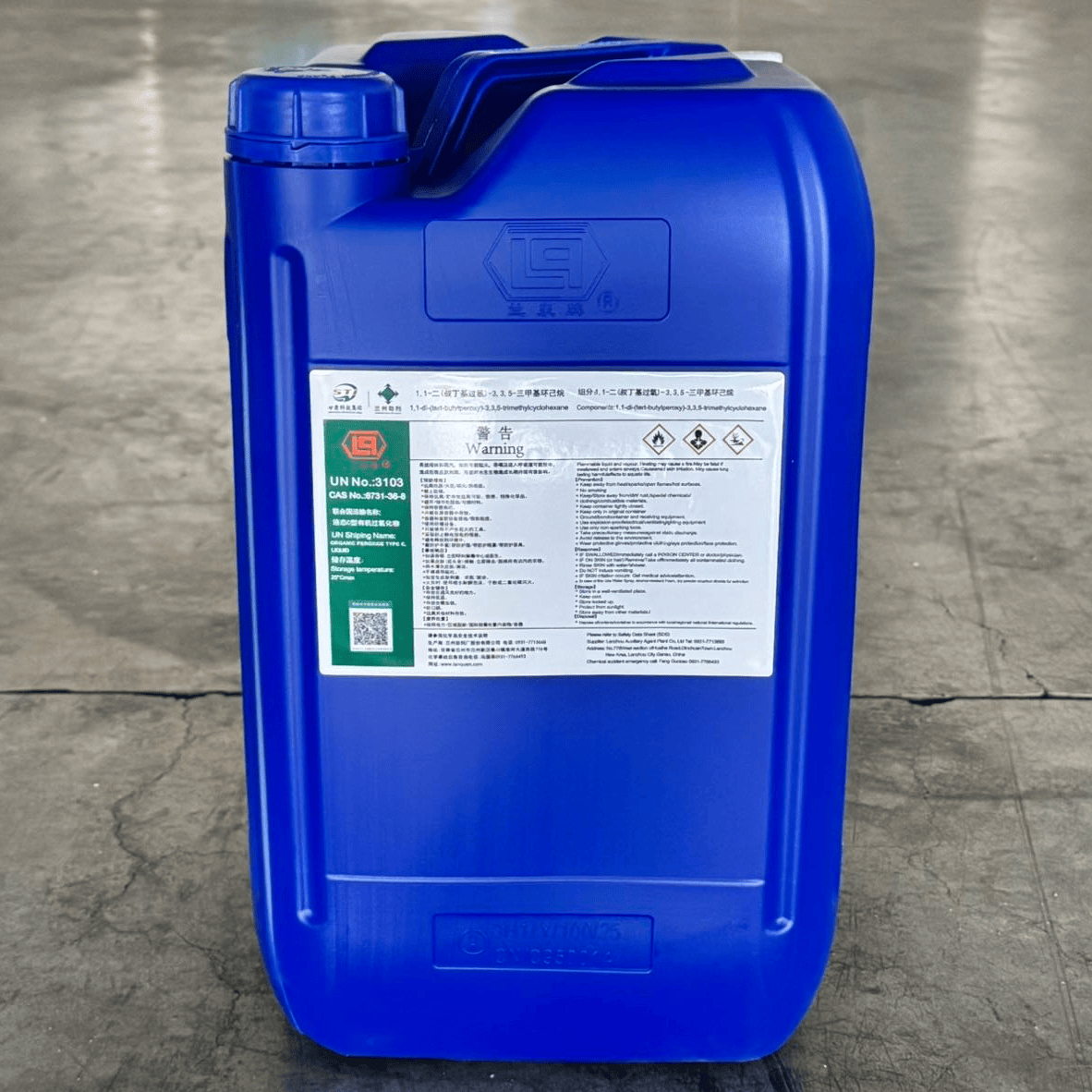
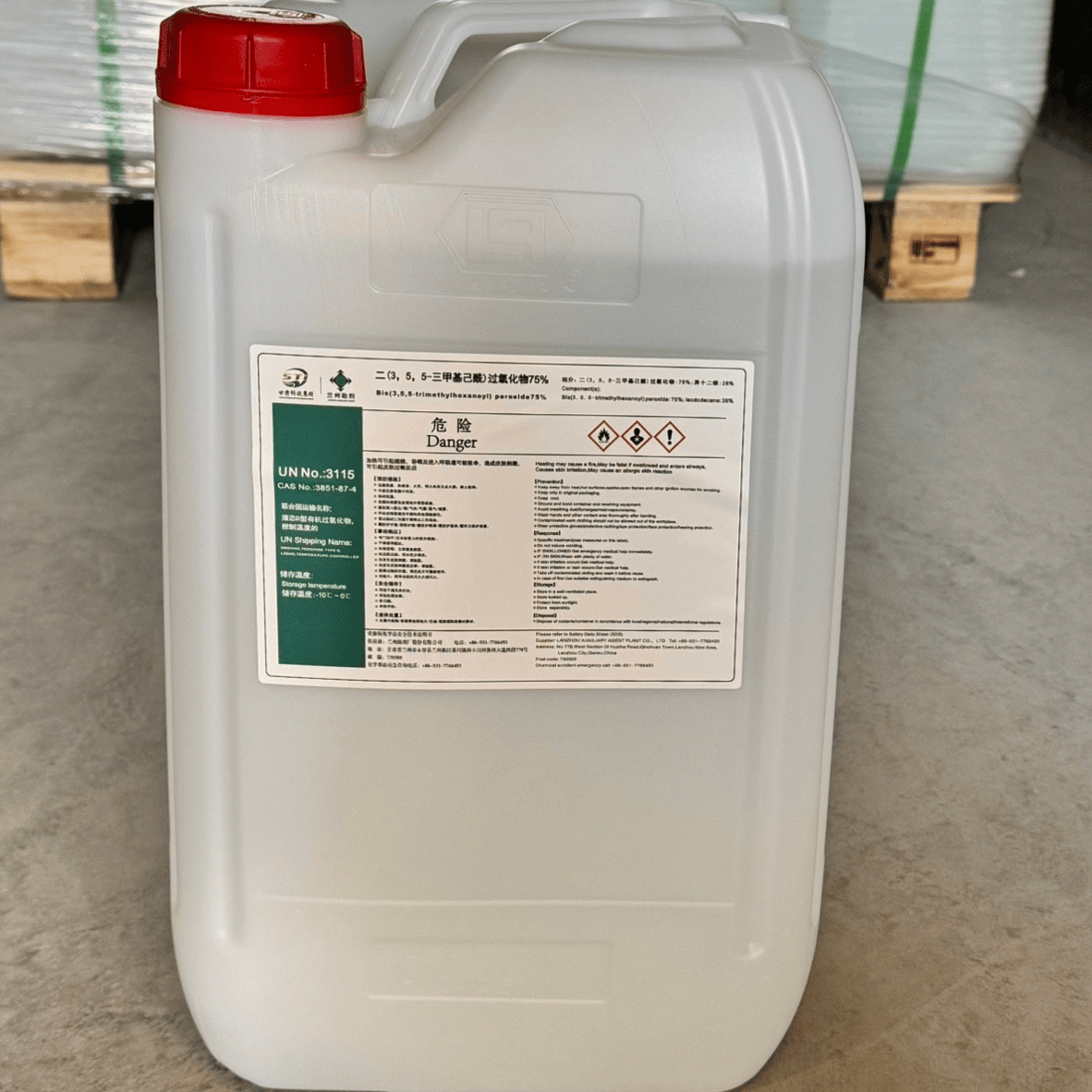
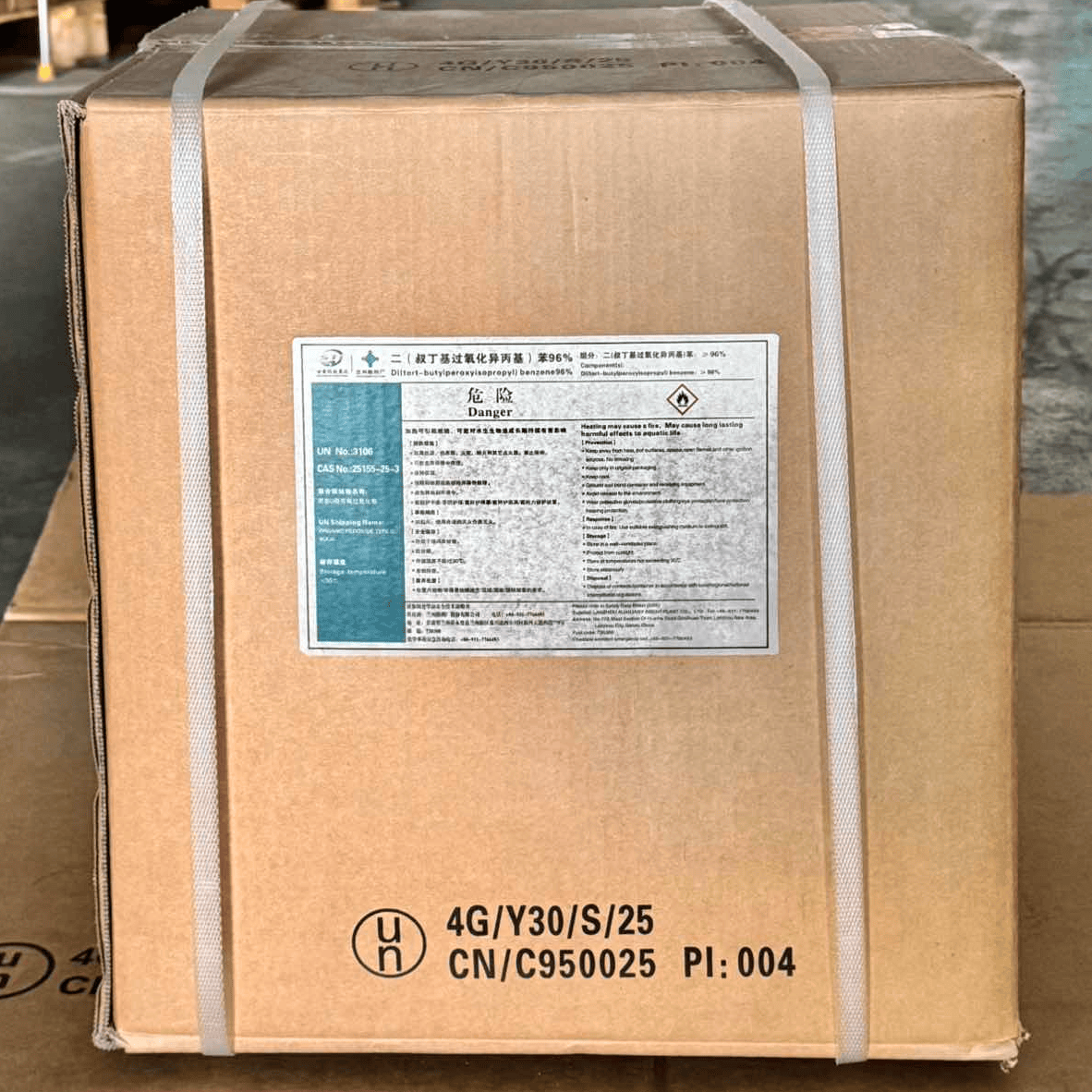
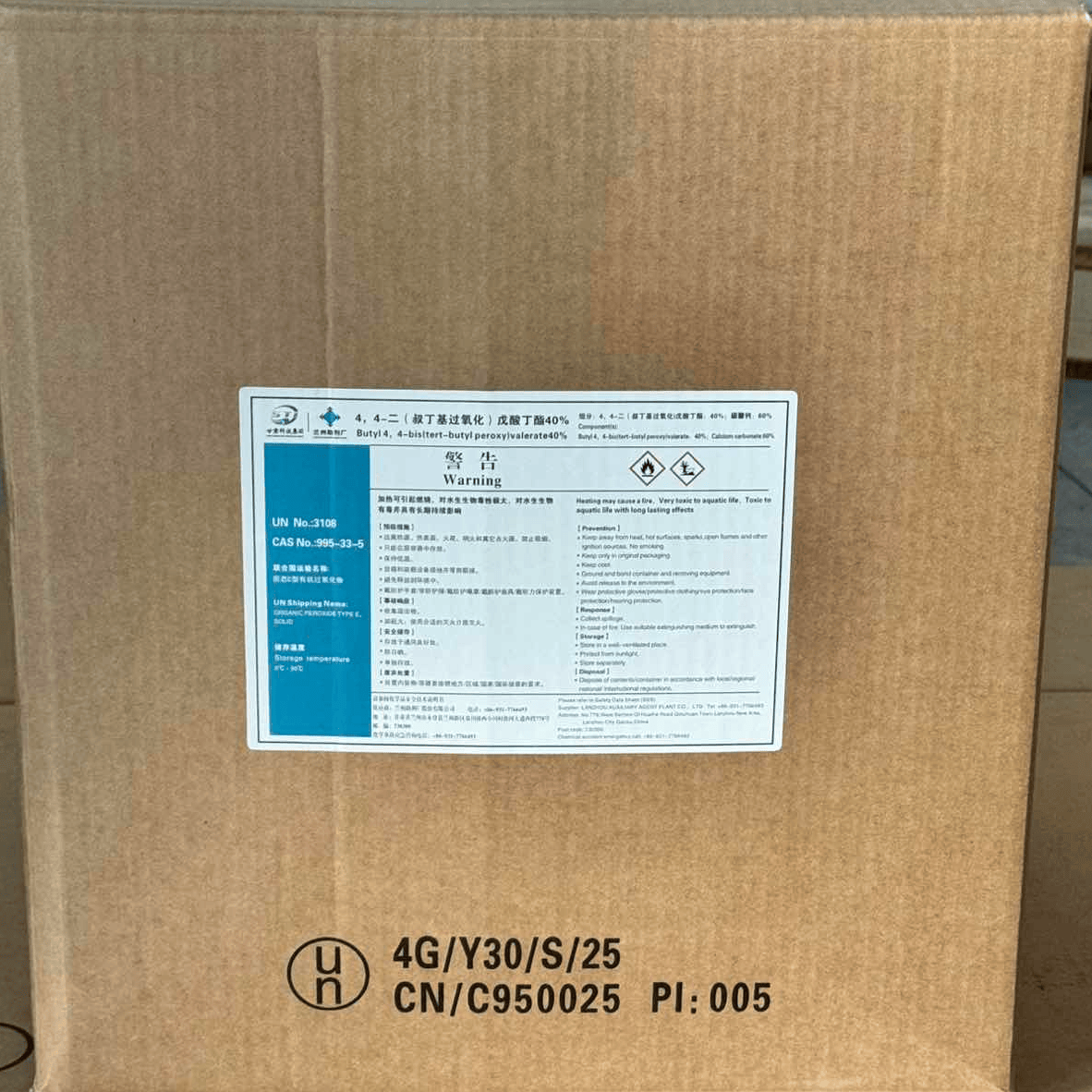
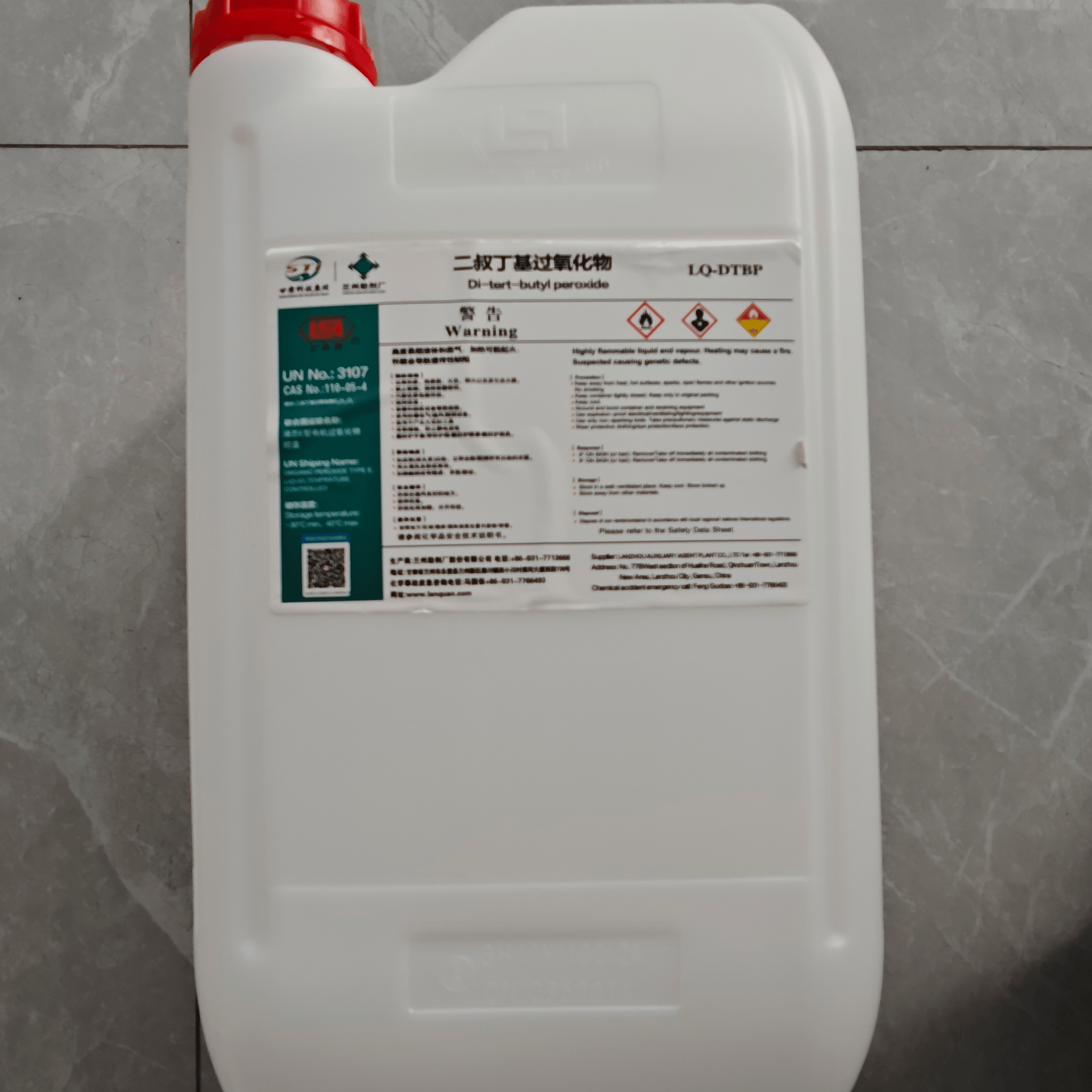
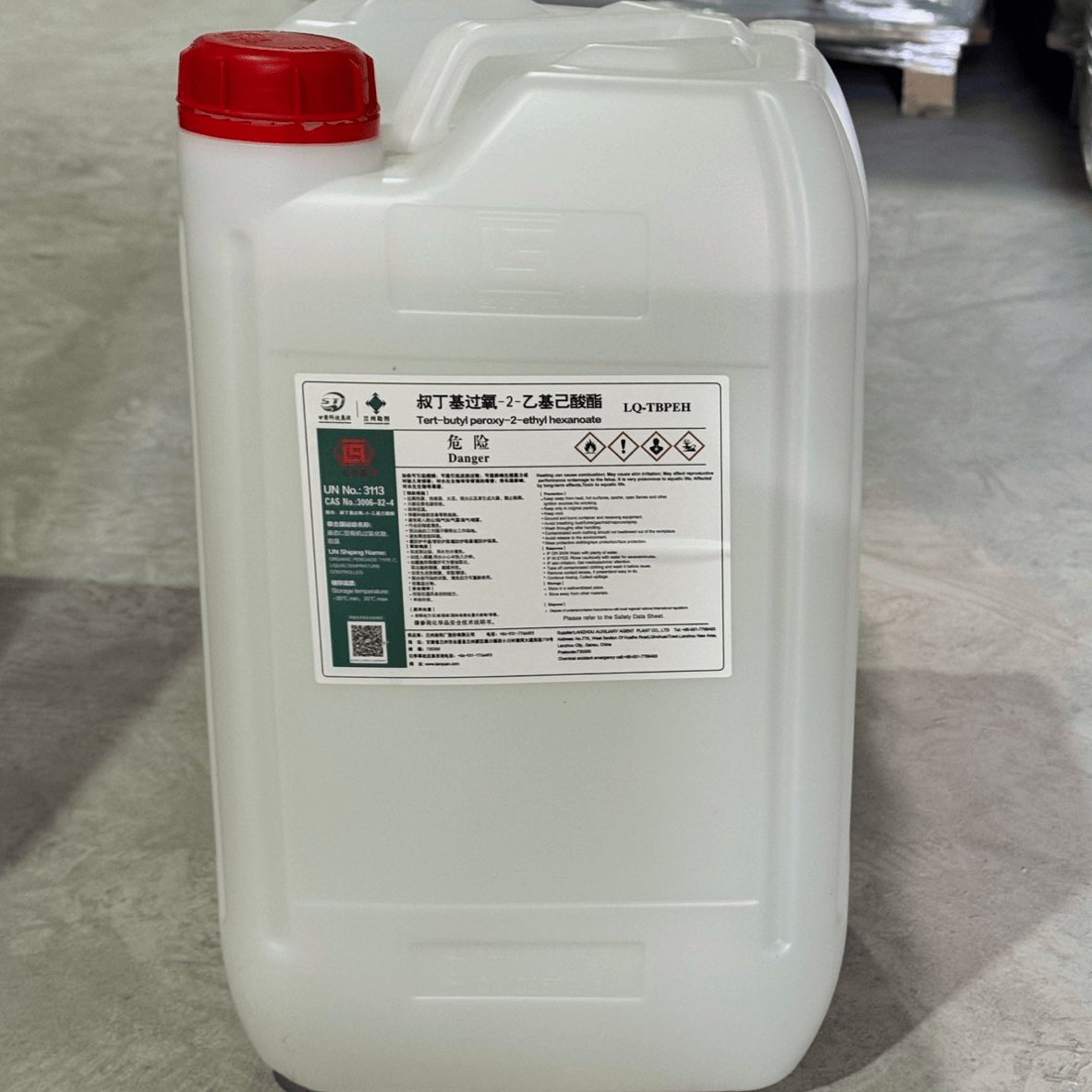
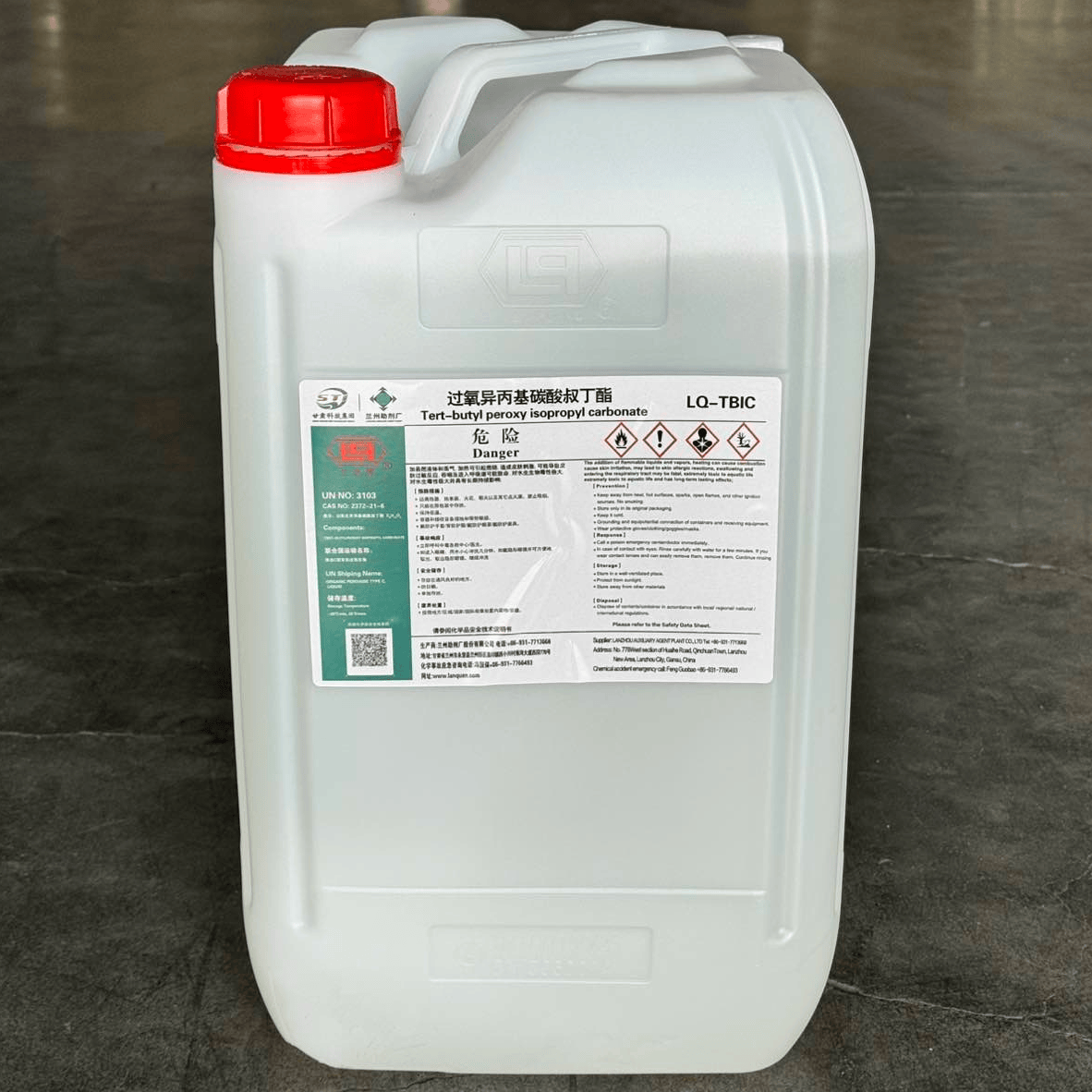
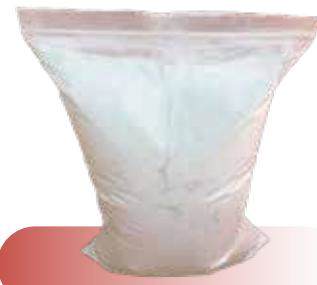
Our factory's peroxide products are packaged in accordance with international standards, available in 5 kg, 15 kg, 20 kg, and other different packaging sizes. Customized packaging can also be supplied upon customer request. All packaging materials are made of PE.
Storage Precautions:
1. Store in a cool, well-ventilated area. Warehouse temperature should not exceed 300C.
2. Keep away from fire sources and heat. Store separately from acids, reducing agents, flammable materials, combustible materials, and reducing agents.
3. Lighting and ventilation facilities in the storage area should be explosion-proof, with switches located outdoors.
4. Handle with care during transportation to prevent damage to packaging and containers. Avoid impact and vibration. Personal protective equipment should be worn during repackaging and handling operations.
Shelf Life:
When stored and transported strictly under the conditions recommended by the manufacturer, product quality is guaranteed for three months.
Safety Tests:
Drop Weight Sensitivity: >60 cm
Friction Sensitivity: >700 kg/cm2
Pressure Vessel Test: 1.8 mm
Self-Accelerating Decomposition Temperature (SADT): 800C
Alarm Temperature: 750C
Disposal Methods:
1. Dilution and incineration: Dilute the product to be disposed of with inexpensive solvents, such as alcohol or waste oil, to below 10%, and then incinerate under controlled conditions.
2. Hydrolysis: Prepare a 20%-30% solution of caustic soda in methanol or isopropanol, then add the product to be disposed of to approximately 10 times its weight of the caustic soda solution, stirring continuously until hydrolysis is complete.
3. For disposal of large quantities of product, users must notify the manufacturer to dispatch specialized personnel to carry out the operation to prevent accidents.
Spill and Contact Handling:
1. If the product gets into the eyes, immediately hold the eyelids open and rinse with running water for 15 minutes. Seek medical attention.
2. If accidentally spilled on the skin, immediately wash thoroughly with soap and water. Seek medical attention.
3. If the product is spilled or leaks onto the ground, absorb it with sand, vermiculite, or other inert materials, then collect it into plastic buckets using non-sparking tools and transport it to a waste disposal site. Rinse the
contaminated ground with water.
Fire Protection:
1. This product may decompose violently upon heating and can ignite fiercely. For small fires, extinguish promptly with foam or dry powder fire extinguishers.
2. For large fires, quickly retreat to a safe distance and extinguish with water jets. Notify the fire department.