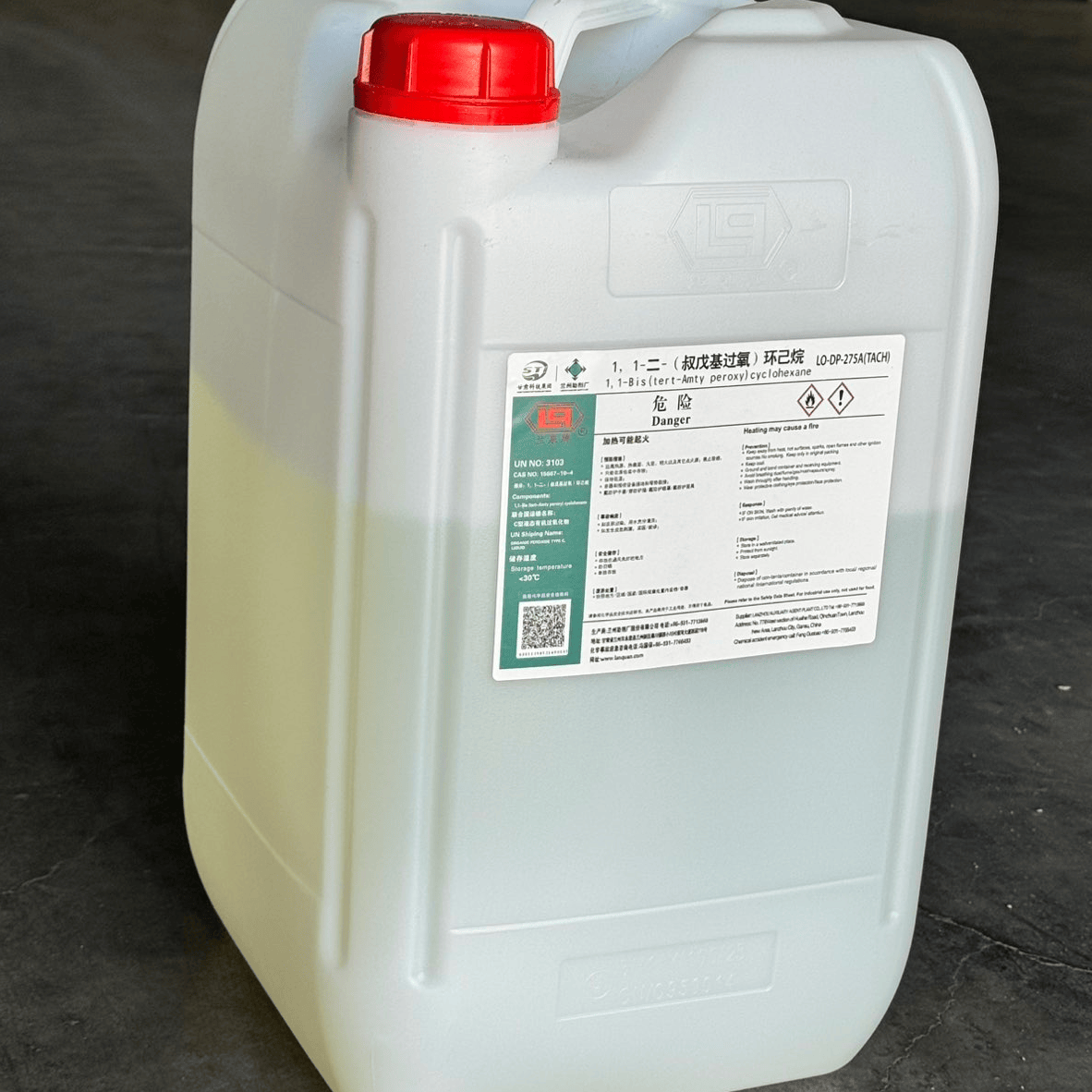


Product Introduction: 1,1-Di(tert-amylperoxy)cyclohexane
Trade Name: Initiator LQ-TACH
English Name: 1,1-bis(tert-Amylperoxy)cyclohexane
Chemical Name: 1,1-Di(tert-amylperoxy)cyclohexane
Molecular Structure:
Molecular Formula: C16H22O4
Molecular Weight: 288.4
Theoretical Active Oxygen Content: 11.09%
CAS No. 15667-10-4
UN No. 3103
Einecs : 239-741-1
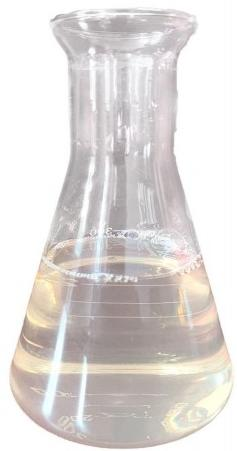
Properties: Colorless or slightly yellow transparent liquid, insoluble in water, soluble in most organic solvents.
Safety Data:
Half-life:
0.1 hour: 126°C
1 hour: 106°C
10 hours: 87°C
Thermal Stability Data:
Self-Accelerating Decomposition Temperature (SADT): 55°C
Critical Temperature (Tem): --
Control Temperature (Tc): --
Storage Temperature (Tsmax): --/30°C
Applications:
1. This product is used for bulk polymerization of styrene at temperatures of 90-120°C. It is a polymerization initiator for styrene copolymers, acrylonitrile, acrylates, and methacrylates.
2. It is a highly efficient curing agent for unsaturated polyester resins, serving as a curing agent for UP resins in pultrusion processes and hot press molding (SMC, DMC, BMC), exhibiting excellent catalytic performance in SMC and BMC processes.
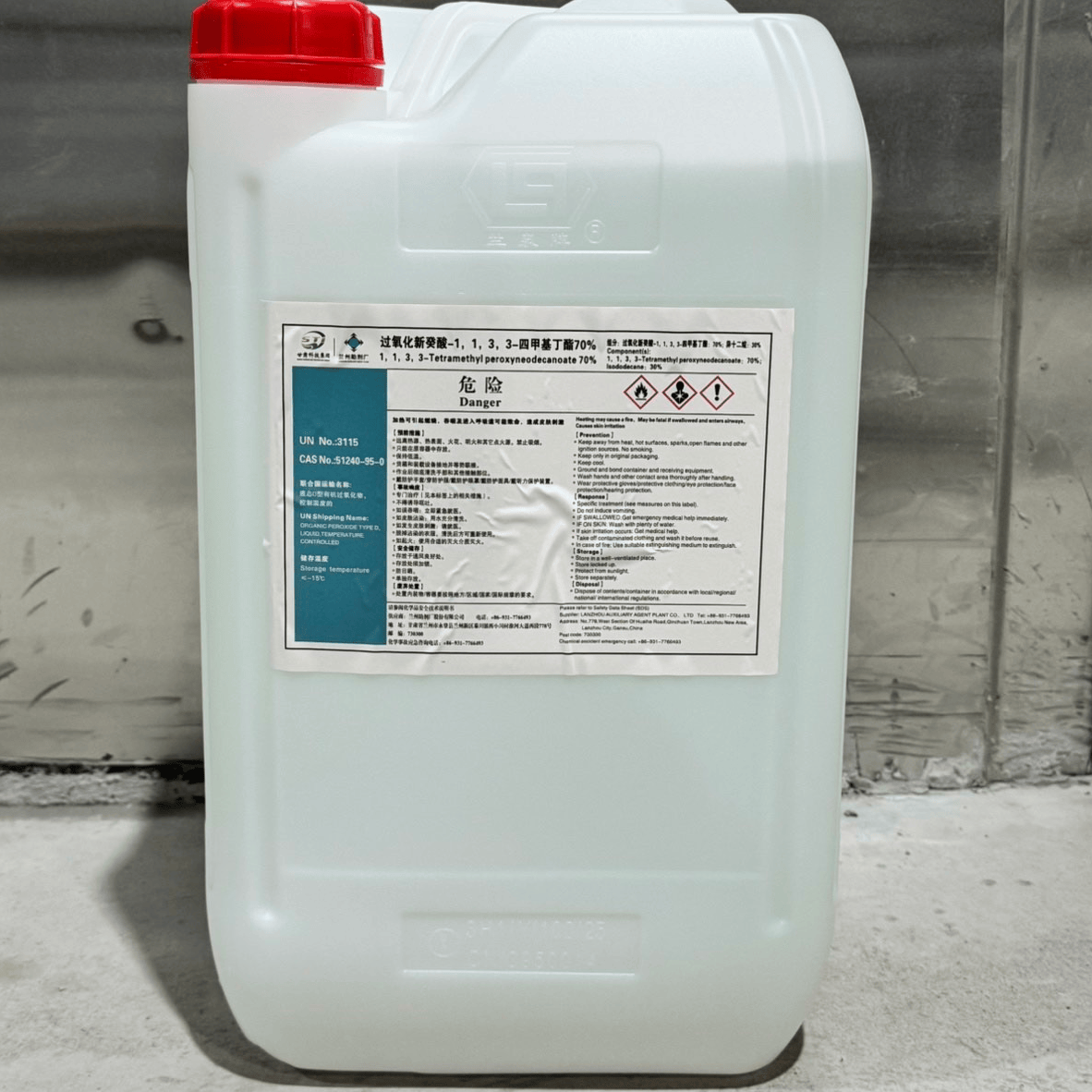
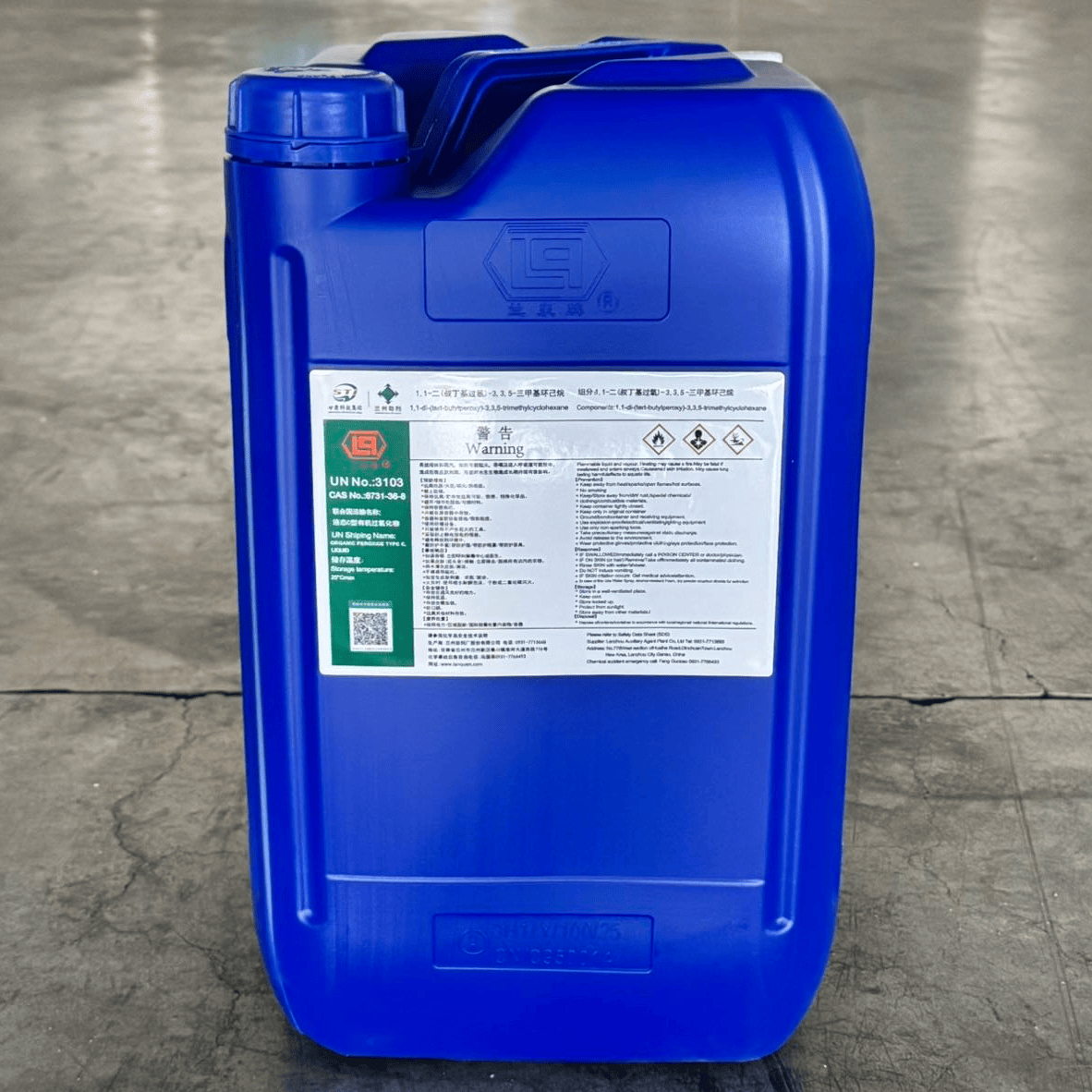
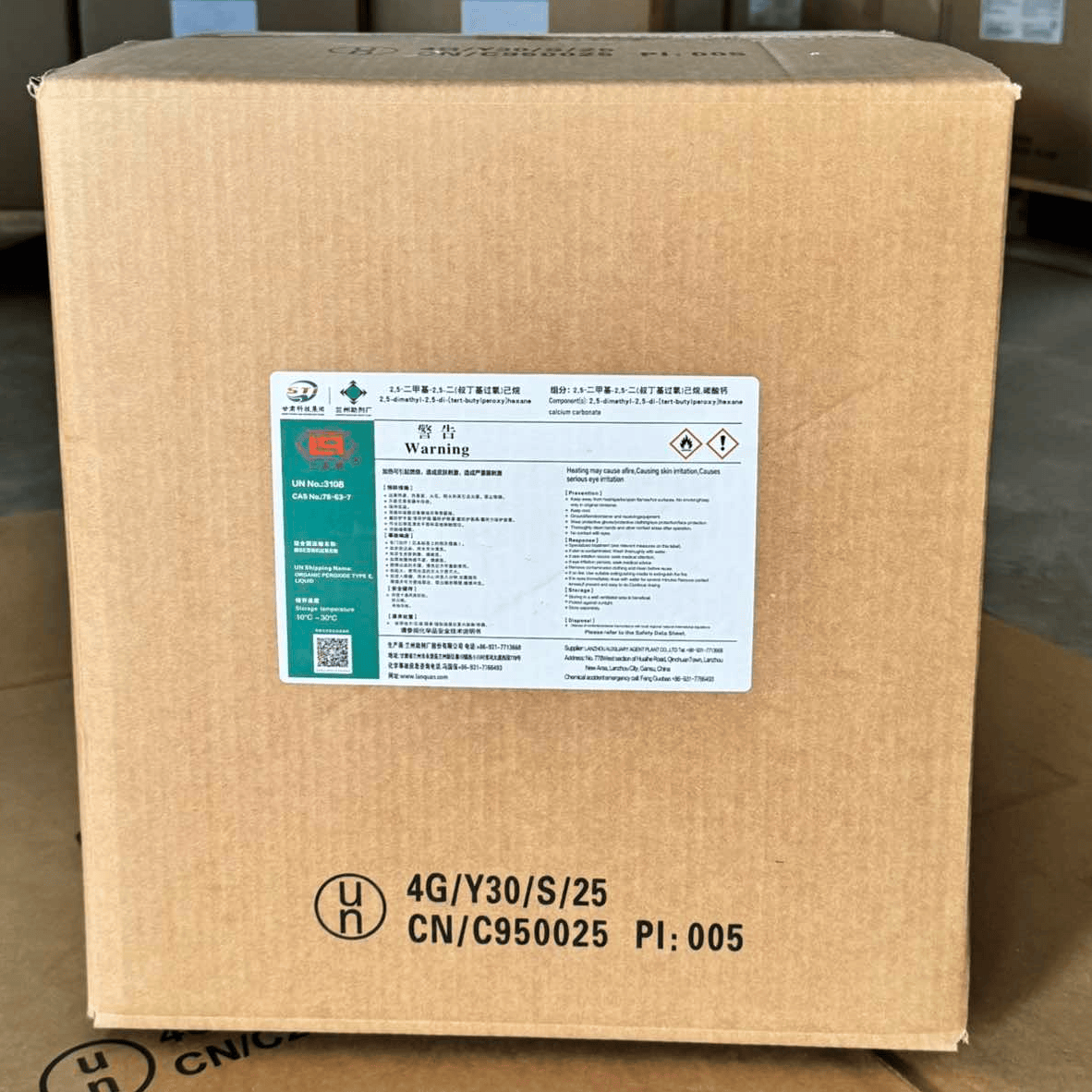
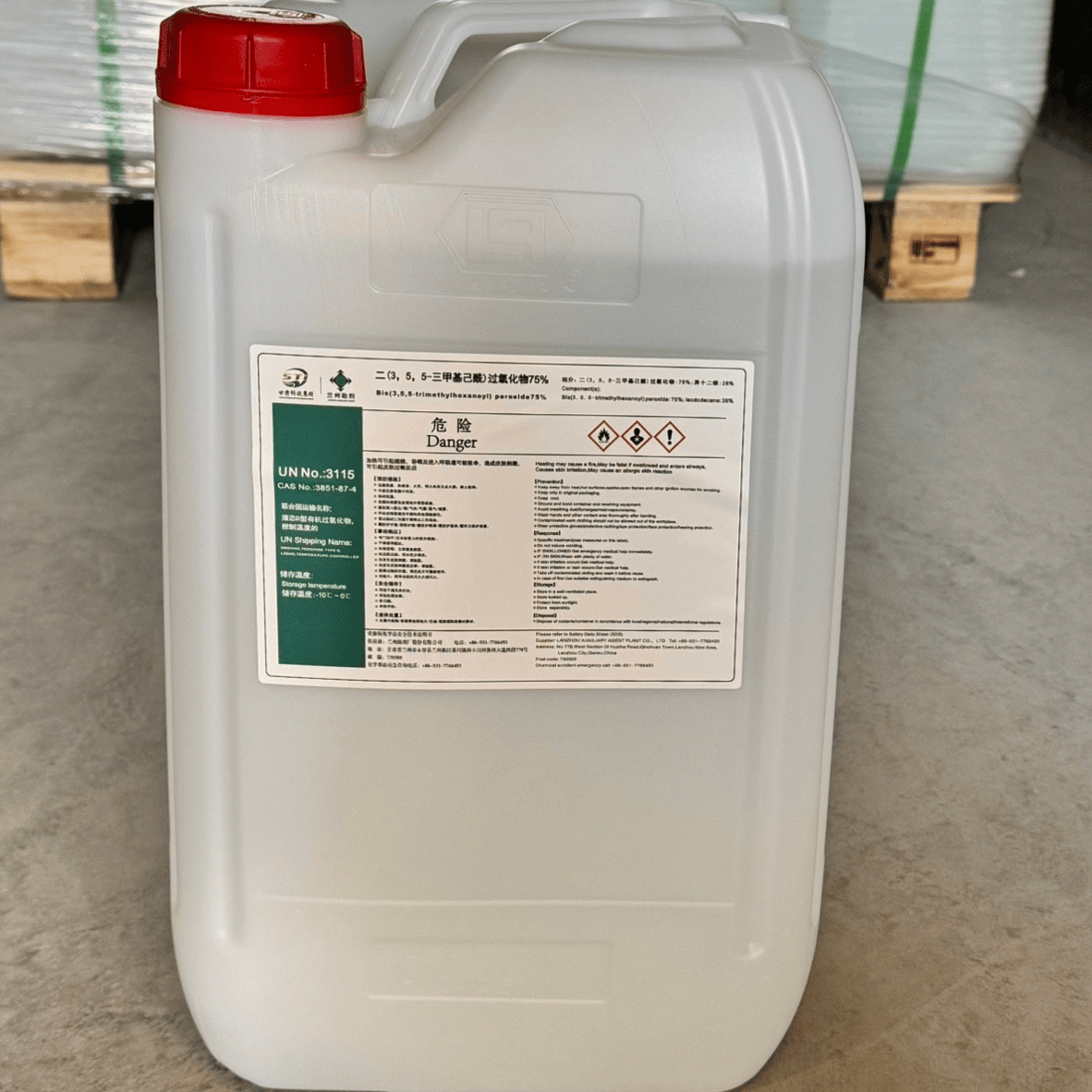
Packaging and Transportation
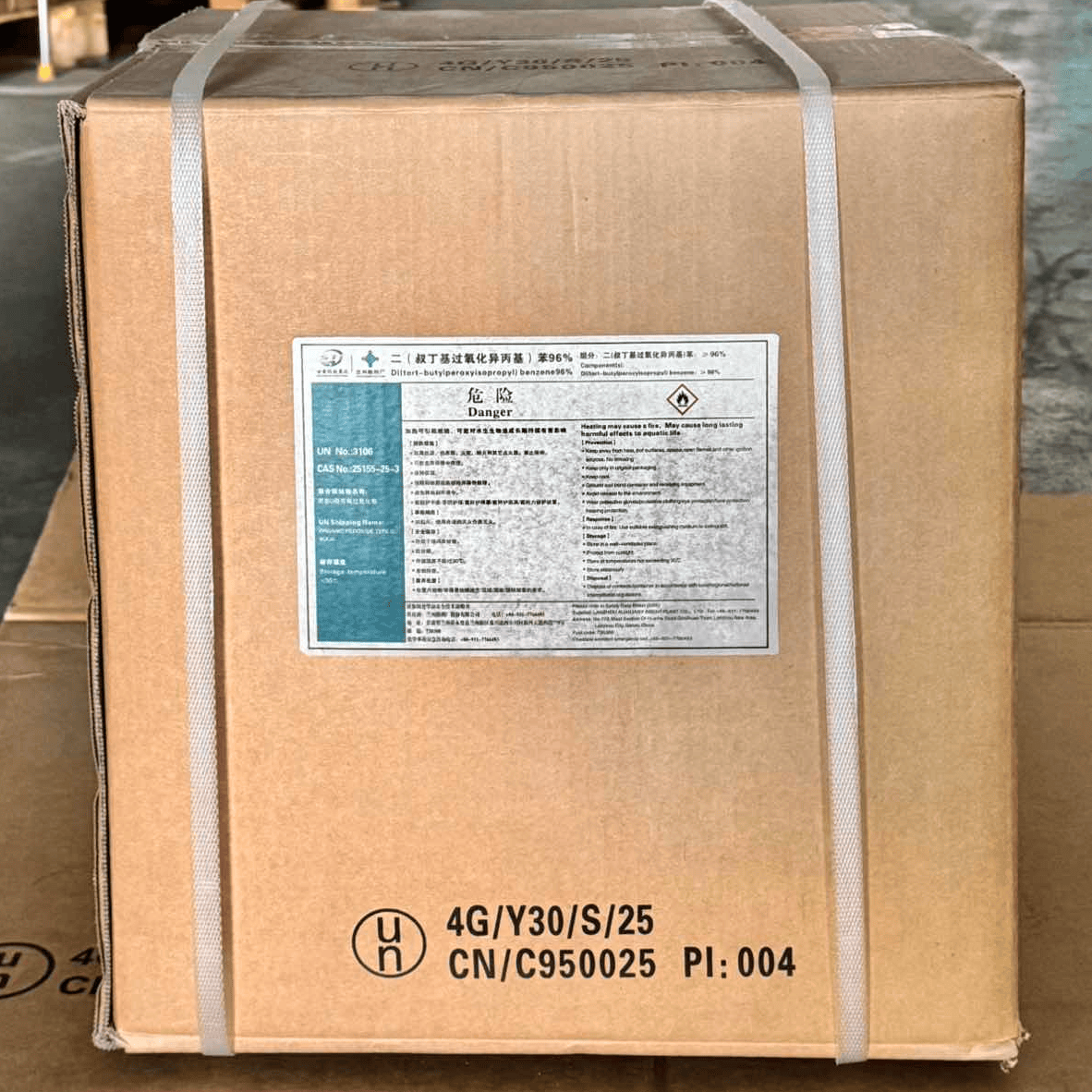
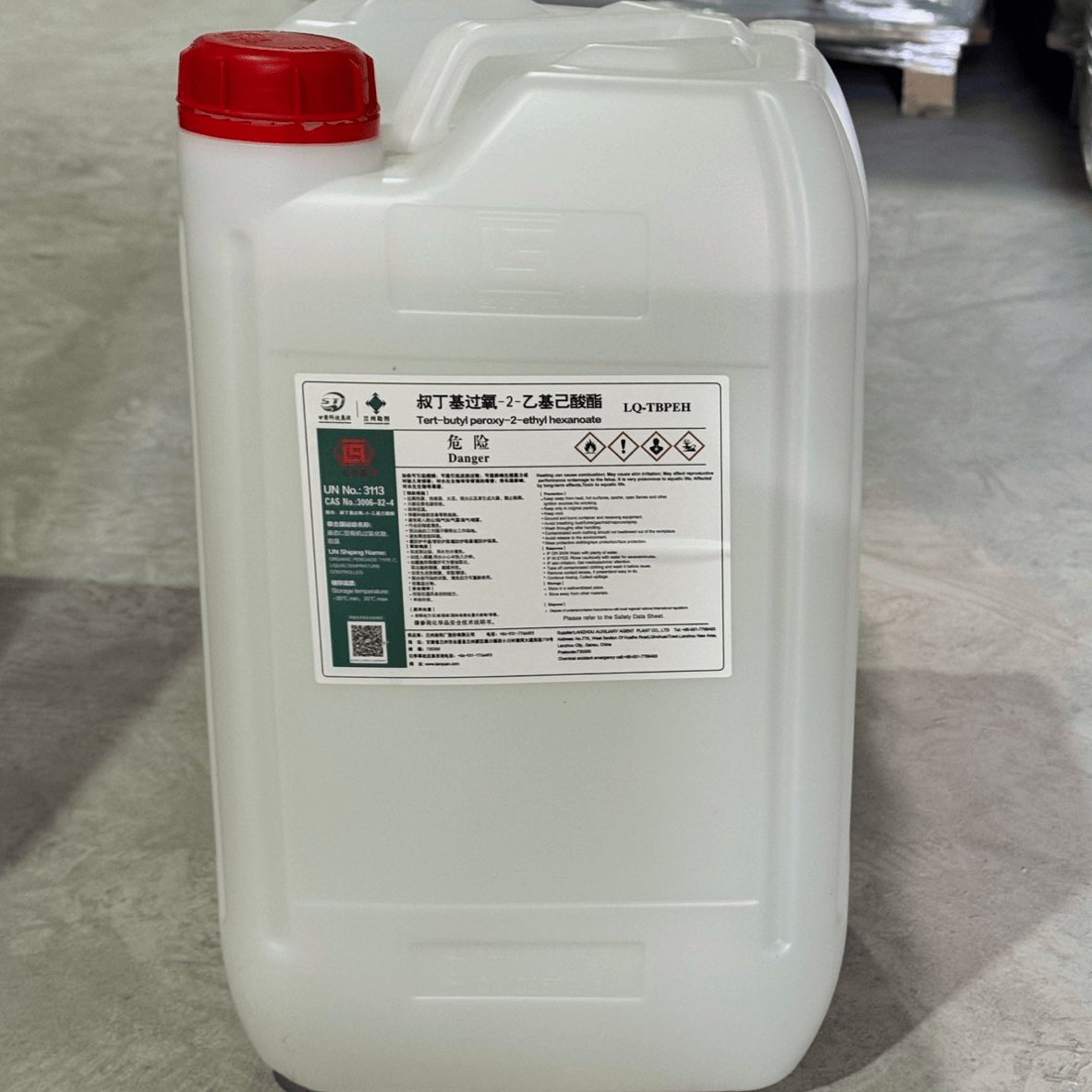
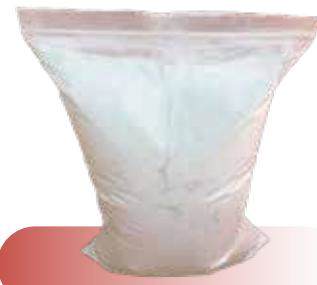
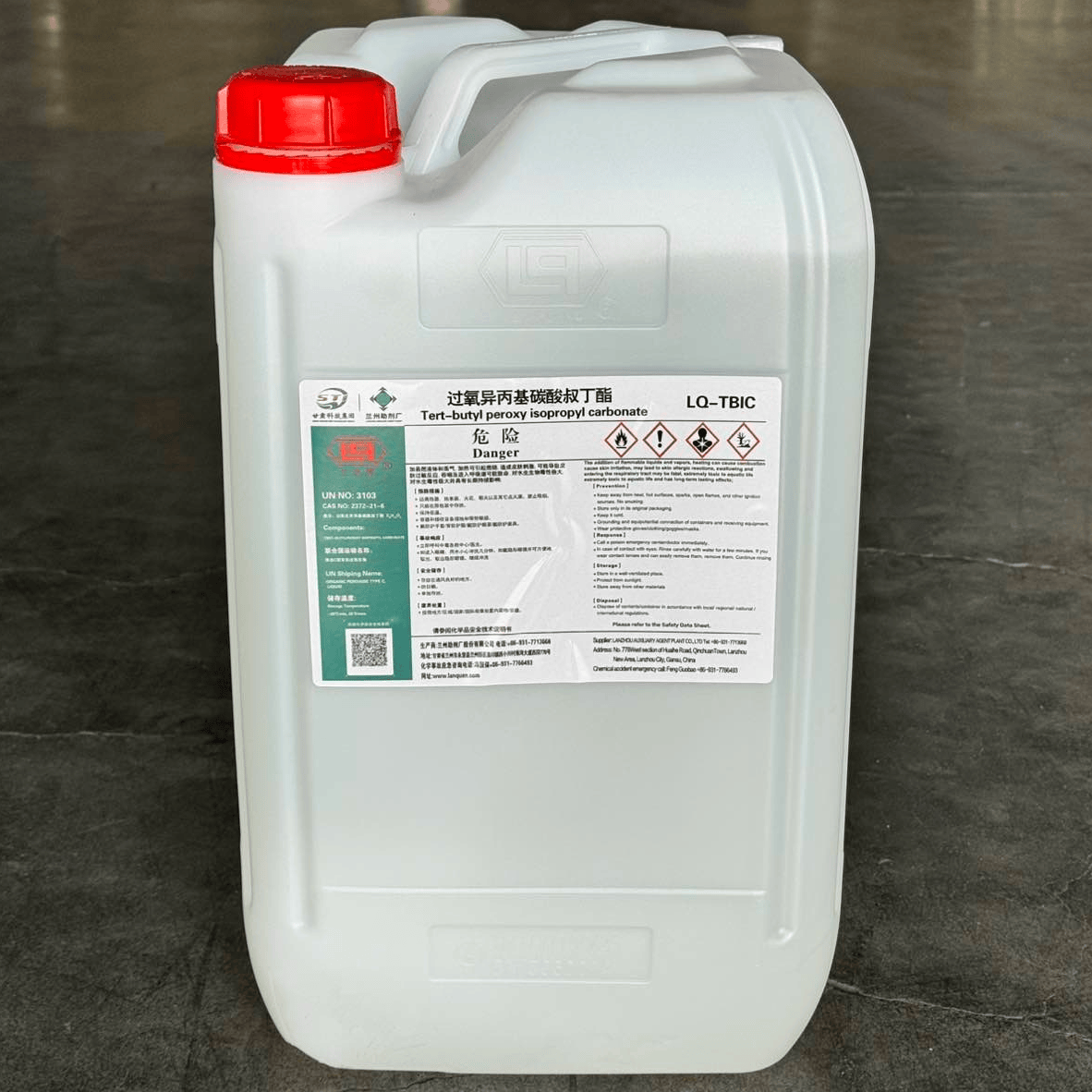
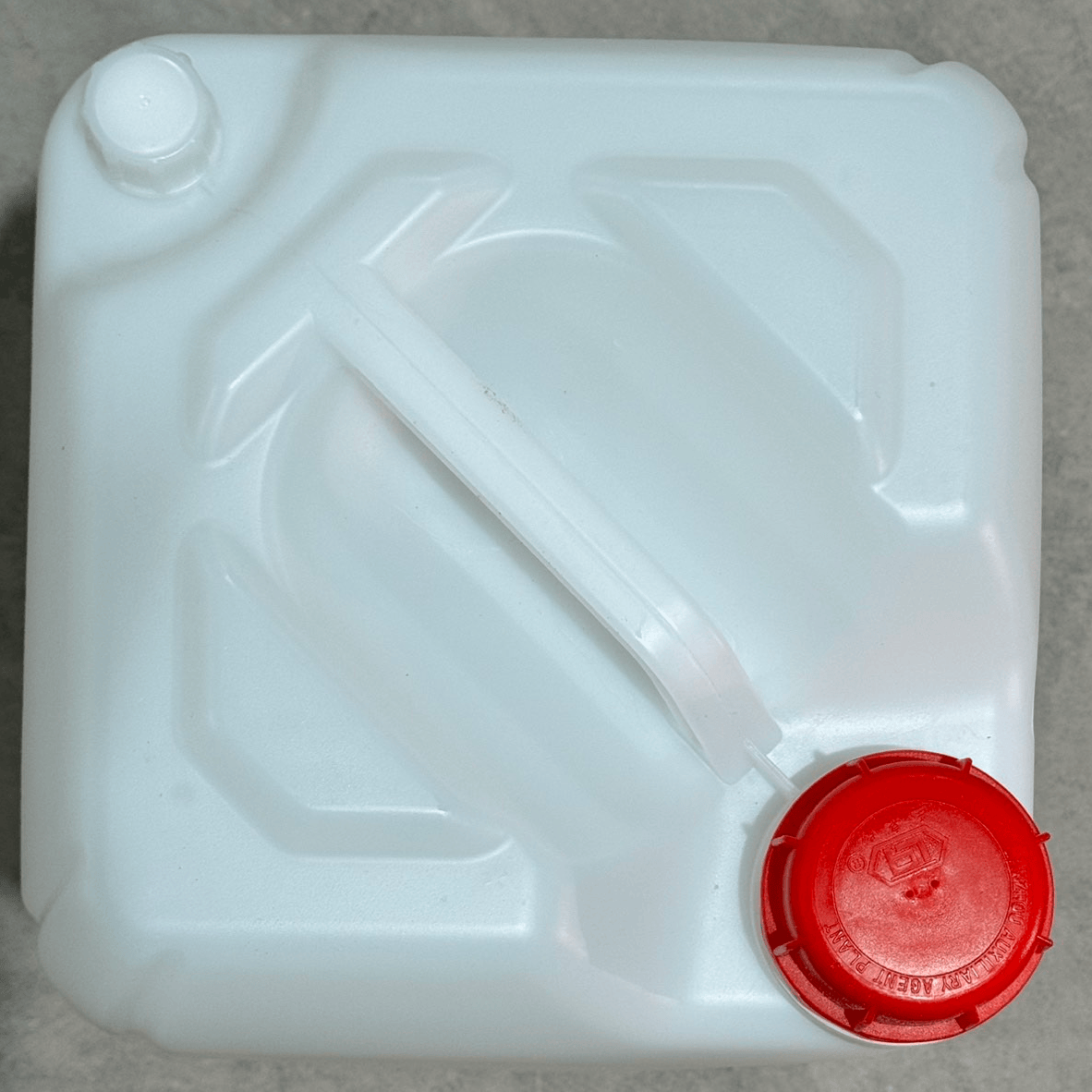
- Our standard packaging is 25 kg polyethylene packaging. Alternative packaging sizes can be supplied upon customer request at the time of ordering.
2. Transportation of Initiator LQ-TACH-B50 complies with the following regulations:
IMO (Maritime) 5.2, UN No 3103, Class C liquid organic peroxide, Packing Group II dangerous goods.
Shelf Life:
If stored strictly under the conditions recommended by the manufacturer, product quality is guaranteed for six months.
Storage
1. Must be stored strictly at the storage temperature recommended by the manufacturer; storage temperatures above the critical temperature may lead to fire.
2. No open flames in the storage area, keep away from heat sources, prevent static electricity, protect from light, and ensure good ventilation in the storage area.
3. For large quantities, store in a separate warehouse; prevent contact with reducing agents, rust, dust, heavy metal ions, acids, and alkalis.
4. Avoid impact and friction.
Fire Fighting:
1. This product may decompose violently upon heating and ignite fiercely. Small fires involving small quantities of the product should be extinguished with foam or dry powder fire extinguishers.
2. For large fires, evacuate to a safe distance before fighting the fire, use water jets for suppression, and promptly notify the fire department for assistance.