KPF Designs Variable Arch System at 520 Fifth Avenue in the US, Blending Historic and Modern Architectural Styles
Wedoany.com Report on Feb 27th, The new supertall building at 520 Fifth Avenue in Midtown Manhattan, designed by KPF and developed by Rabina, features a façade utilizing an arched modular frame system. These frames are stretched to create varied proportions. The arched elements draw inspiration from nearby historic landmarks such as Grand Central Terminal and the New York Public Library, but are realized through parametric design. The variation in proportions, ranging from circular to squat to more elongated at the top, is primarily driven by internal functions like office spaces, apartments, and a ground-floor members' club, rather than mere compositional considerations.
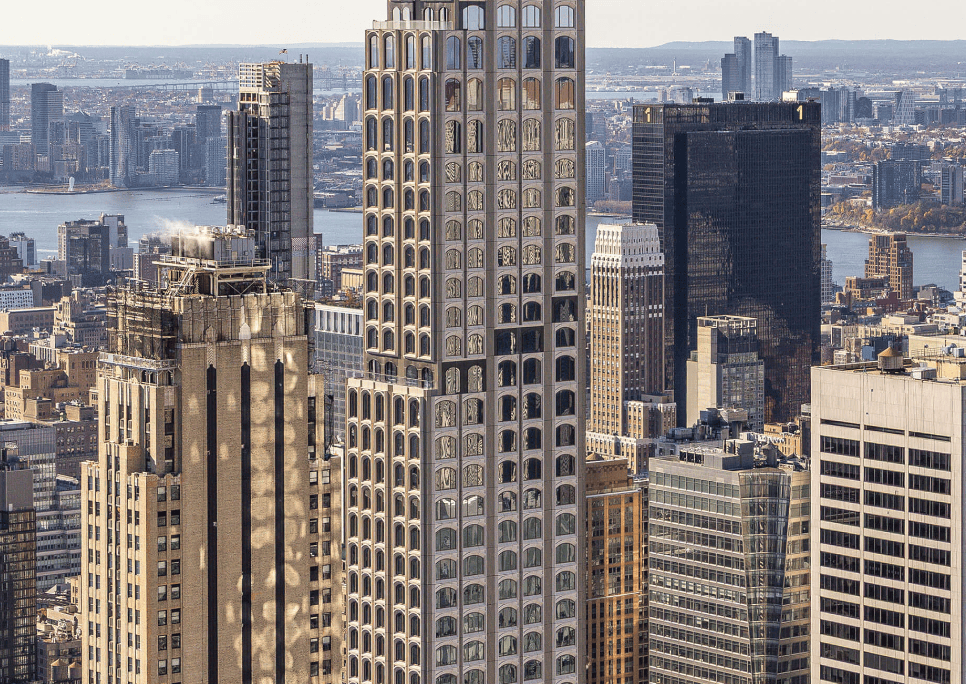
This variable arch system includes vertical elements between arches and stepped perimeter terraces. The modular arches are set within rectangular frames, with open joints spaced at regular intervals between panels, expanding and contracting as they repeat across the tower's four façades. The proportional changes correlate with the dimensions of the enclosed interior spaces, such as offices, one-bedroom units, or penthouses.
The system occasionally features dissonant moments, such as disappearing arches or smaller module groups; on the west façade, arched frames conceal shear walls in a reflective dark box. Design challenges included cost. KPF employed a strategy: using terra cotta for the base and, above the seventh floor, using painted aluminum panels to mimic the appearance of terra cotta—an economical alternative reminiscent of Art Deco towers from the early 20th century.
Recent trends in New York's tall buildings have shifted towards historicist styles, possibly reflecting a reaction to modernist architectural trends or an attempt to connect with the past, suggesting architectural ornamentation remains important and is re-emerging in the skyline. KPF's variable arch system expresses itself through arched openings, stepped terraces, and a material palette, but its most notable feature is the arched element governed by optimization, serving as a means of mapping historical imagery onto a modern building typology.
Related Products

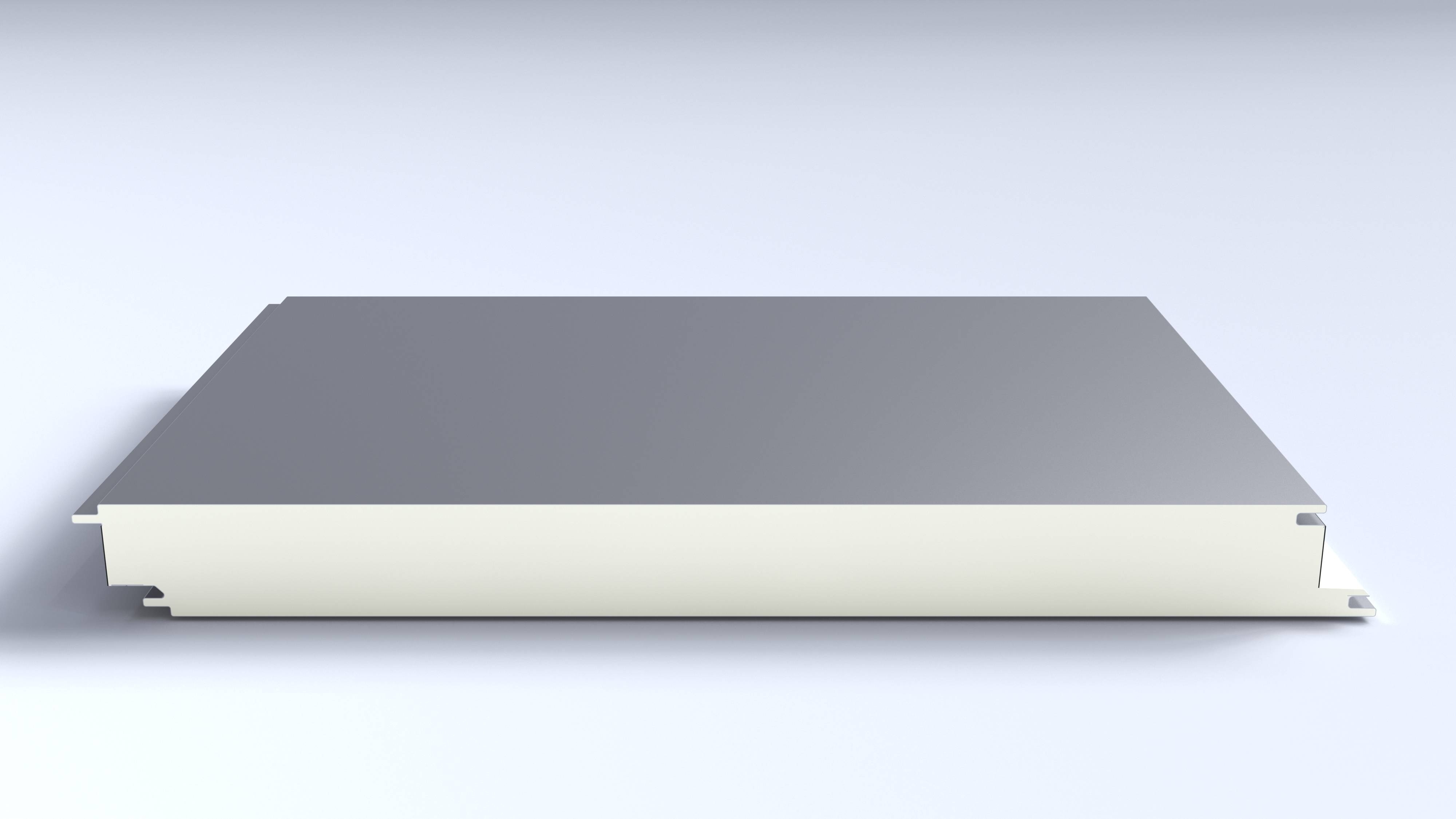
Pure Polyurethane Wall Panel BD-AEF-PIR-01
Baodu International Engineering Technology Co., Ltd.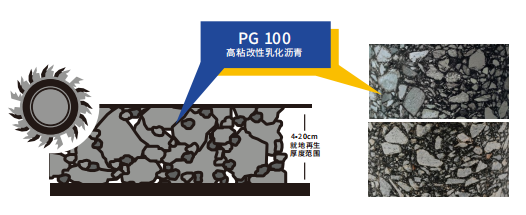
High-toughness in-Situ Cold Recycling Technology for Original Structural Layers
Central Fortune Creation Technology Group Co., Ltd.
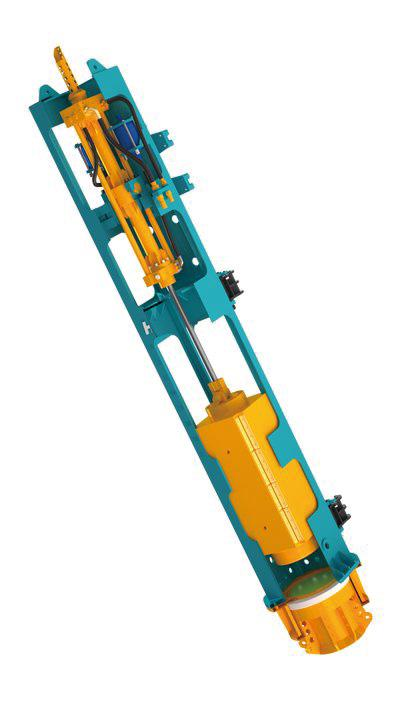
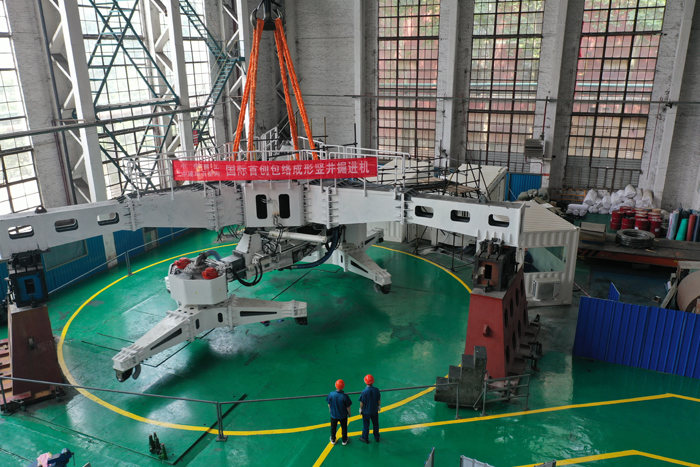
CITIC Heavy Industries Tunneling Equipment Tunnel Engineering Shield Machine
CITIC Heavy Industries Co., Ltd.
Ultra-Pure Ferrite Stainless Steel Products
Gansu JISCO Group Hongxing Iron and Steel Co., Ltd.
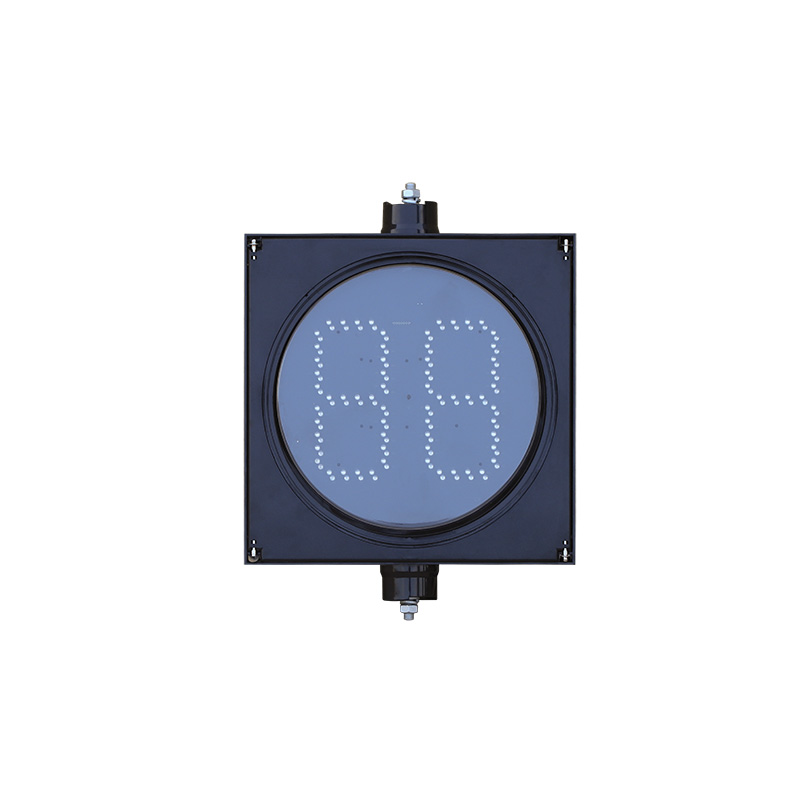
300mm Segment Type Countdown Traffic Light (Core Type)
Yangzhou FAMA Intelligent Equipment Co., Ltd.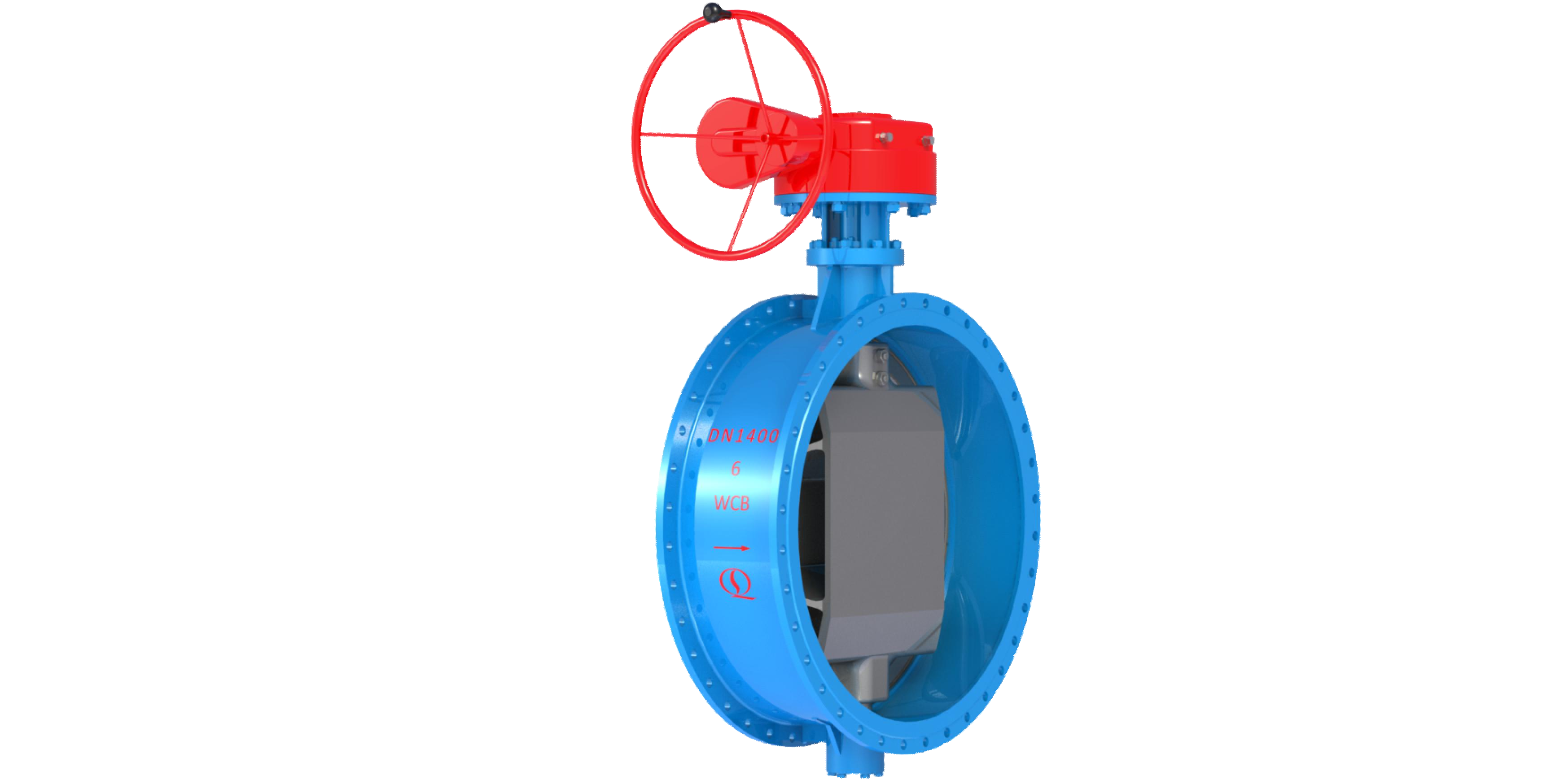
Bidirectional Metal Hard Sealed Seawater Butterfly Valve
Henan Quanshun Flow Control Science & Technology Co., Ltd.