Flexible Tentacle Underwater Robot Revolutionizes Seabed Inspection Technology
A new tentacle-like underwater robot capable of safely interacting with offshore structures is poised to change the way seabed infrastructure worldwide is inspected and maintained. This flexible robotic arm, jointly developed by the UK's National Robotarium and Brazil's Senai Cimatec, features a soft, bendable design that conforms to structure surfaces upon contact, offering advantages over traditional rigid arms when handling delicate or complex seabed equipment.
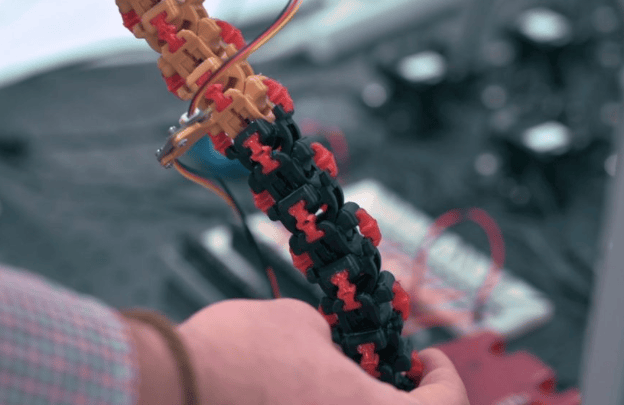
Approximately one meter long, the robot controls its movement through a flexible skeleton and a tendon-like cable system. Equipped with special sensors to perceive its underwater position and shape, it achieves precise operation even in turbulent conditions. This makes it suitable for deployment from underwater vehicles to inspect offshore wind farms and other marine energy facilities.
In wave tank tests, the underwater robot demonstrated the ability to position its tentacle-like arm with high precision, remaining stable under external forces up to 300g. It can correct its position within seconds even when disturbed, adapting to unstable marine environments. This capability is crucial for inspecting seabed pipelines and equipment at depths of nearly 3000 meters, helping to extend service life and reduce environmental impact.
Rowanne Miller, Project Manager at the National Robotarium, stated: "This breakthrough showcases our end-to-end project delivery capability. Our team successfully brought this innovative underwater robot from concept design to real-world testing. It fundamentally changes how underwater inspection tasks are handled, opening new possibilities for safer and more precise interaction with critical seabed infrastructure."
Lucas Silva, Principal Investigator at SENAI CIMATEC, said: "In collaboration with the National Robotarium, we conceived an innovative method for underwater manipulation, opening new application cases for the industry. This new development represents a significant upgrade to the robotics development roadmap, and seamless collaboration played a key role in this achievement."
The technology primarily targets offshore energy companies, underwater inspection service providers, and seabed infrastructure operators. Traditional inspection methods often rely on large vessels and human divers, posing safety risks and having a high carbon footprint. This innovation is expected to enable smaller underwater vehicles to perform complex inspection tasks, reducing operational costs while improving safety and environmental sustainability.
The project demonstrates how soft robotics can be scaled to address real-world engineering challenges in demanding environments. The National Robotarium is located at Heriot-Watt University's Edinburgh campus and operates in partnership with the University of Edinburgh.
Related Products

CLX Series Intelligent Hydraulic Gyratory Crusher
Guangdong CHUANGLI intelligent machinery Equipment Co., LTD
High-Speed Railway Lifting, Transporting, and Erecting Equipment: Integrated Transport and Erection Machine
Hanjiang Heavy Industry Co., Ltd. of China Railway 11th Bureau Group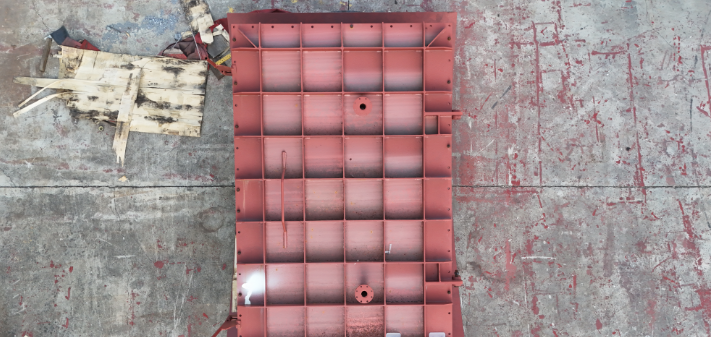

CAP1400 main feedwater flow nozzle flowmeter.
Jiangsu Hongda Instrument Technology Co., LTD.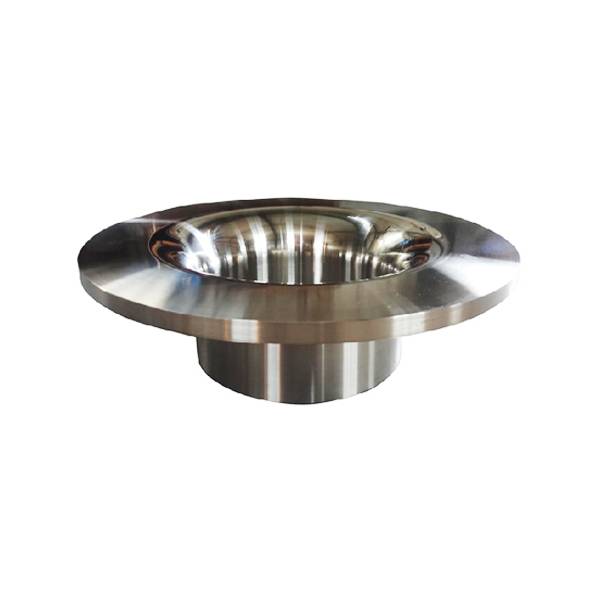
Standard Nozzle Flowmeter
Jinggong Automatic Control Instrument Complete Technology Development Company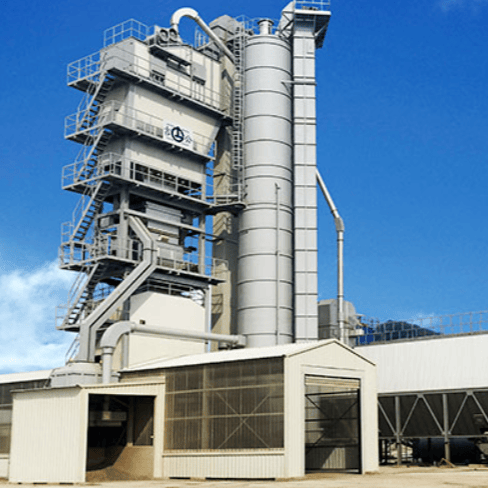
LBH4000 Batch Environmental Protection Asphalt Mixing Plant | Asphalt Batching Plant | Asphalt Mixing Plant
Jilin Province Road Construction Machinery Co., Ltd.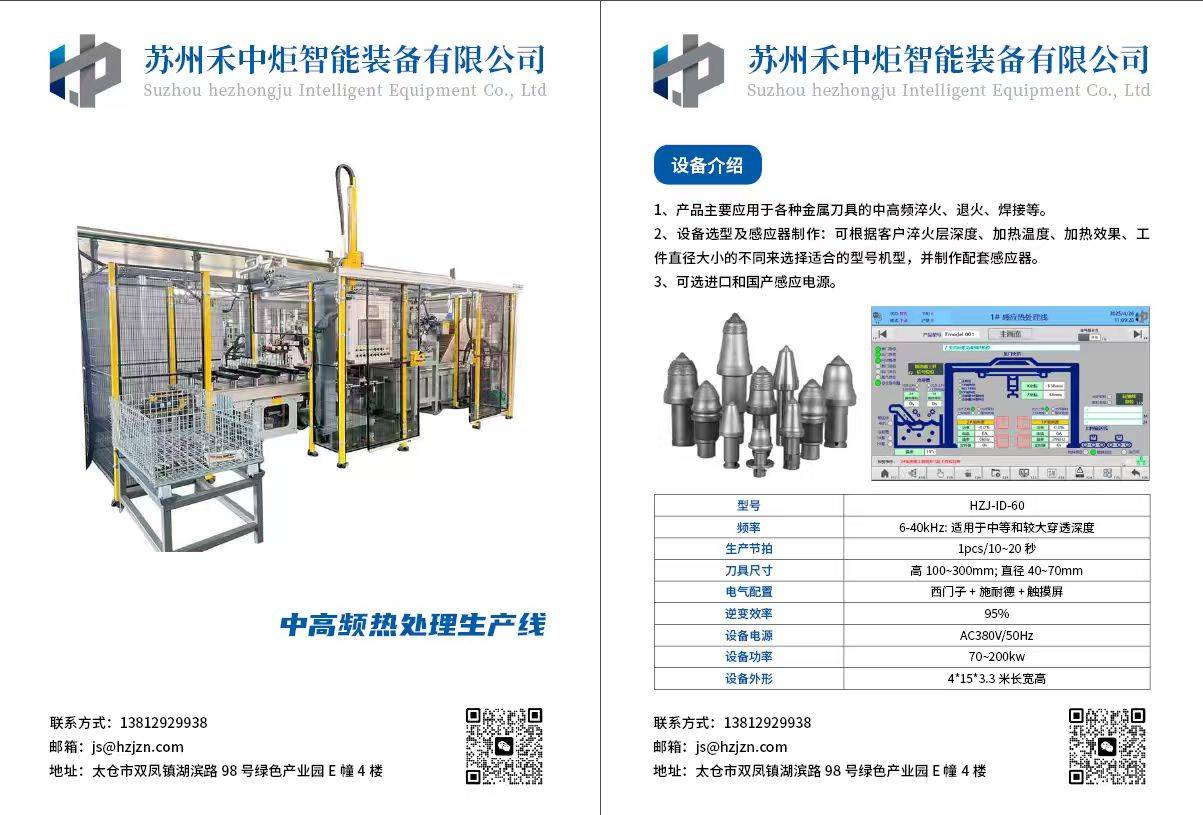
Excavator Bucket Teeth Heat Treatment Production Line
Suzhou Hezhongju Intelligent Equipment Co., Ltd.

Pneumatic high-pressure wear-resistant ball valve
Zhejiang Deca Control Valve Meter Co., Ltd.
Industrial and Commercial Point-Type Gas Detector
Jinan Benan Technology Development Co., Ltd.
High-Speed Flexible Fully Automatic Stamping Production Line
JIER Machine-Tool Group Co., Ltd.