Industrial Remote Controller Drives Innovation in Fully Automatic Dredging Technology
Wedoany.com Report on Feb 27th, In the construction operation of trailing suction hopper dredgers, the dredging phase is the most critical part of the three main processes in dredging operations. To enhance the working efficiency of trailing suction hopper dredgers and reduce energy consumption, the concept of fully automatic dredging has been integrated into the design of the dredging control system. This paper discusses the development of a new type of industrial remote controller, which is based on the core concept of "one-man bridge + macro buttons" and relies on a fully automatic dredging control system to achieve automated dredging goals.

This industrial remote controller aims to simplify the operation process of dredgers. By integrating macro button functions, it allows operators in the bridge to independently manage multiple dredging tasks. The fully automatic dredging control system utilizes advanced algorithms and sensor technology to monitor slurry flow, hull attitude, and excavation depth in real-time, automatically adjusting parameters to optimize performance. As a human-machine interface, the industrial remote controller translates complex control commands into intuitive button operations, reducing operational difficulty and improving response speed.
In practical applications, the industrial remote controller has significantly improved the accuracy and stability of dredging operations. The fully automatic dredging mode reduces manual intervention, avoiding increased energy consumption or equipment wear caused by operational errors. Research shows that adopting this industrial remote controller not only helps reduce operational costs but also enhances construction safety.
The application prospects for industrial remote controllers in the field of fully automatic dredging are vast. With the development of Internet of Things and artificial intelligence technologies, remote controllers may integrate more intelligent functions, such as adaptive learning and remote monitoring. Fully automatic dredging systems will continue to be optimized, driving the dredging industry towards higher levels of automation and providing more efficient and environmentally friendly solutions for marine engineering and port construction.
Related Products



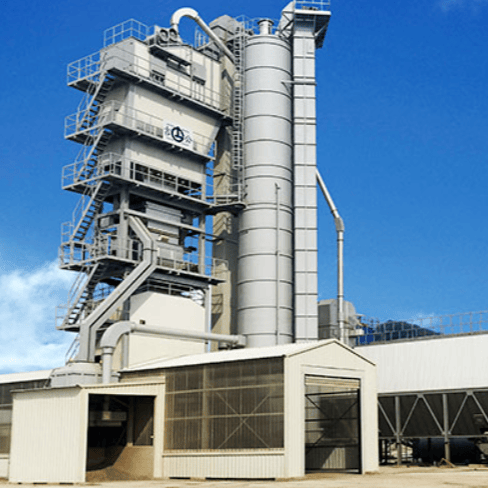
LBH4000 Batch Environmental Protection Asphalt Mixing Plant | Asphalt Batching Plant | Asphalt Mixing Plant
Jilin Province Road Construction Machinery Co., Ltd.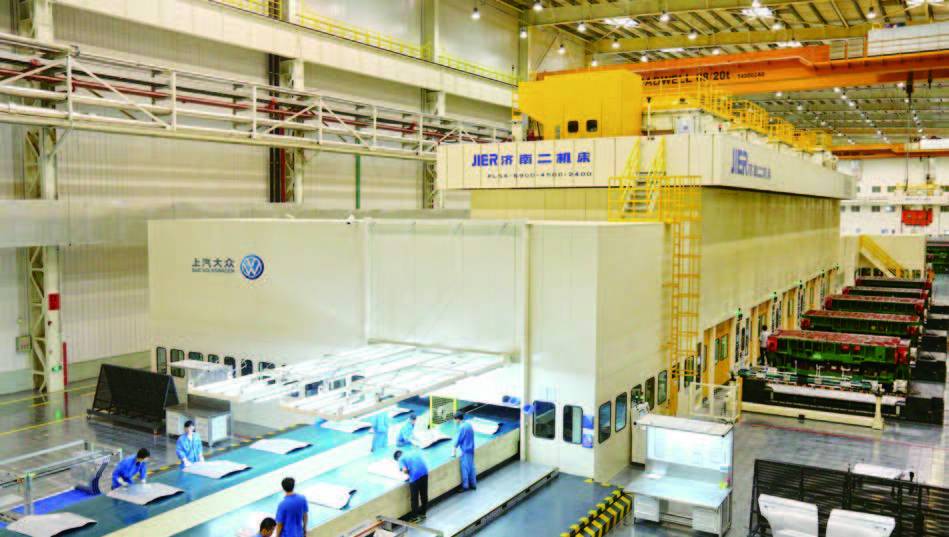
High-Speed Flexible Fully Automatic Stamping Production Line
JIER Machine-Tool Group Co., Ltd.
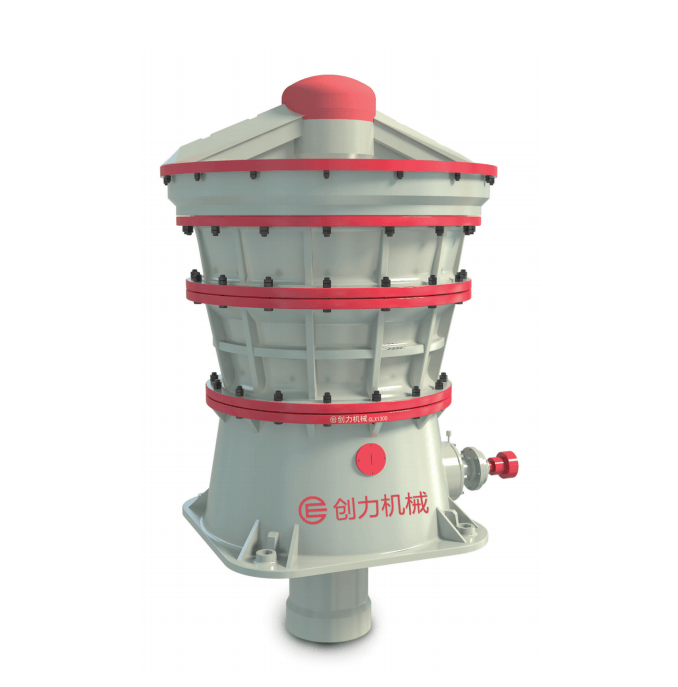
CLX Series Intelligent Hydraulic Gyratory Crusher
Guangdong CHUANGLI intelligent machinery Equipment Co., LTD