Bearing Health Monitoring Guide: A Three-Step Approach to Interpreting Vibration, Temperature, and Oil Analysis Signals
Rolling bearings, acting as the "joints" of mechanical equipment, are crucial to their operation. Through condition monitoring, engineers can obtain the "health diagnostic report" of bearings, but often feel overwhelmed by the massive amount of data. This article provides an easy-to-understand guide on how to systematically assess bearing health from three dimensions: vibration, temperature, and oil analysis.

Scientific bearing health monitoring requires a standardized process. One can draw inspiration from medical logic to establish the "Three-Definition Diagnostic Method." Time-domain state definition involves preliminary screening by observing vibration waveforms; chaotic waveforms or periodic spikes may indicate early-stage pitting. Amplitude-domain quantitative definition calculates statistical indicators of vibration signals, such as RMS and kurtosis, to quantify fault severity and early impacts. Frequency-domain localization definition uses spectrum analysis to decompose vibration signals, capturing the characteristic frequencies of various bearing components to accurately pinpoint the fault location.
Taking the outer ring fault of an exhaust fan bearing in a factory as an example, the practical application of the "Three-Definition Diagnostic Method" is demonstrated. In the early stage of the fault, temperature and conventional vibration values showed no significant abnormalities, but spectrum analysis captured spectral peaks at the outer ring fault characteristic frequency. Over time, the amplitude of this frequency increased, and periodic impacts appeared in the time-domain waveform. This process revealed the degradation trend from weak signals to severe vibrations. Through early spectrum intervention, the maintenance team was able to plan the bearing replacement, avoiding unplanned downtime and economic losses.
Bearing health monitoring should avoid relying on a single indicator. Temperature monitoring has a lag, and by the time an alarm is triggered, the bearing may already be damaged. Vibration analysis can detect faults early but struggles to differentiate wear mechanisms. Oil debris analysis allows direct observation of wear particles, inferring wear type and source. By integrating these three methods, vibration analysis is responsible for early detection, oil analysis clarifies the cause, and temperature monitoring prevents overheating, constructing a comprehensive protection network from early warning to localization.
By mastering the three-step method of "Time-domain State Definition, Amplitude-domain Quantitative Definition, Frequency-domain Localization Definition" and comprehensively analyzing vibration, temperature, and oil analysis signals, equipment managers can effectively assess bearing health, enhancing the safety and lifespan of equipment operation. Bearing health monitoring is no longer the exclusive domain of experts. Through systematic methods, every engineer can become the "guardian" of their equipment.
Related Products
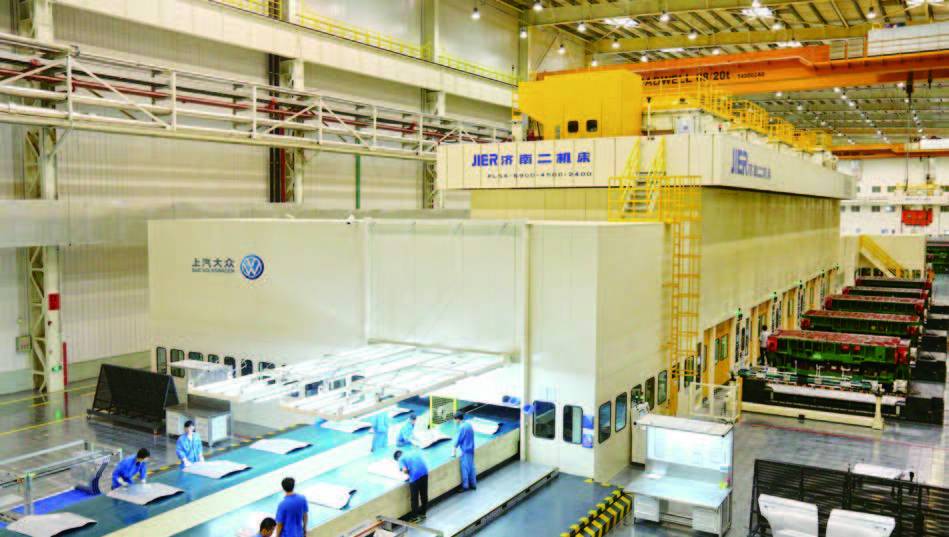

High-Speed Flexible Fully Automatic Stamping Production Line
JIER Machine-Tool Group Co., Ltd.


Pneumatic high-pressure wear-resistant ball valve
Zhejiang Deca Control Valve Meter Co., Ltd.

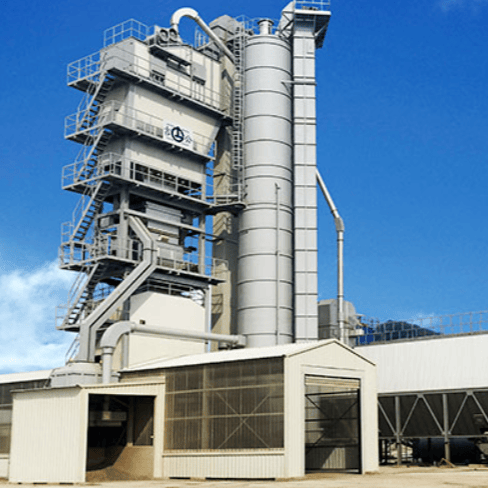
LBH4000 Batch Environmental Protection Asphalt Mixing Plant | Asphalt Batching Plant | Asphalt Mixing Plant
Jilin Province Road Construction Machinery Co., Ltd.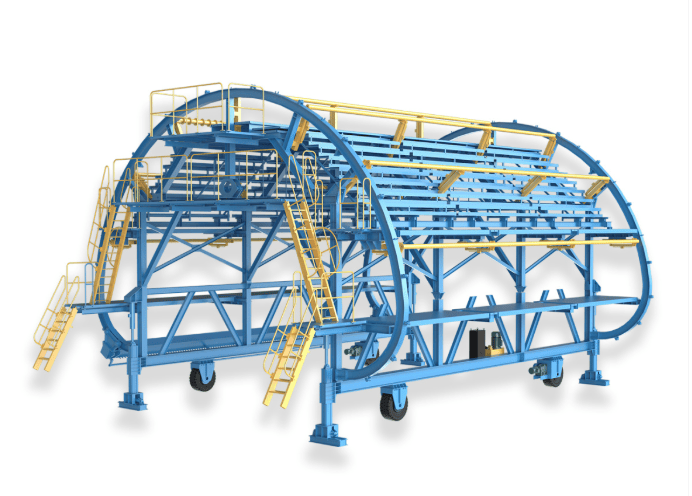
QLZNGJ Intelligent Steel Reinforcement Trolley
Luoyang China Railway Qiangli Machinery Co., Ltd.
Standard Nozzle Flowmeter
Jinggong Automatic Control Instrument Complete Technology Development Company