Toyota Enhances Supply Chain Resilience Through Diversified Product Portfolio
Toyota Motor Corporation is implementing a multi-pathway strategy to strengthen its supply chain capabilities and address the diverse customer demands in the global market. The Japanese automaker is enhancing its resilience to market fluctuations and supply chain disruptions by building a diversified product portfolio rather than focusing on a single technology.

This strategy helps win customer trust and navigate the complex changes in the automotive industry. Toyota offers multiple powertrain options to cater to regional preferences and infrastructure limitations. With a global workforce of over 390,000 employees, operations in more than 170 countries and regions, 72 manufacturing companies, and 20 design and R&D centers, the company is committed to enhancing customer experience through product diversity.
Simon Humphries, Chief Branding Officer and Board Member of Toyota Motor Corporation, stated: "The key is to make all customers feel empowered to make the right choice for themselves."
"Providing choice and opportunity is at the heart of making better cars and everything we do—and that includes the path to sustainability."
The company adjusts production based on regional needs, such as increasing battery electric vehicle output in Europe, achieving sales of 1.2 million units in 2024. Maintaining a diverse vehicle mix not only satisfies consumers but also serves as a strategic resilience mechanism against potential supply chain shortages, such as issues with battery materials like cobalt and lithium.
Toyota offers hybrid and alternative fuel options, including hybrid and plug-in hybrid models of the Yaris Cross, Corolla Cross, C-HR, and RAV4. Furthermore, the company is exploring the use of carbon-neutral biofuels and e-fuels in road vehicles, which could allow consumers to reduce their environmental footprint without changing their cars.
Toyota is also advancing hydrogen and fuel cell vehicle technology, developing a third-generation fuel cell system with 20% improved efficiency, demonstrating its application in vehicles like heavy-duty trucks in 2024. The Prius Flexible Fuel Plug-in Hybrid debuted at the 2025 Auto Expo, offering 87 km of pure electric range and long-distance capability powered by ethanol.
By understanding markets and regions, Toyota focuses on customer needs, maintains its position in low-carbon mobility, and ensures market access in areas with insufficient infrastructure. This strategy may enhance customer trust, thereby boosting supply chain resilience.
Related Products

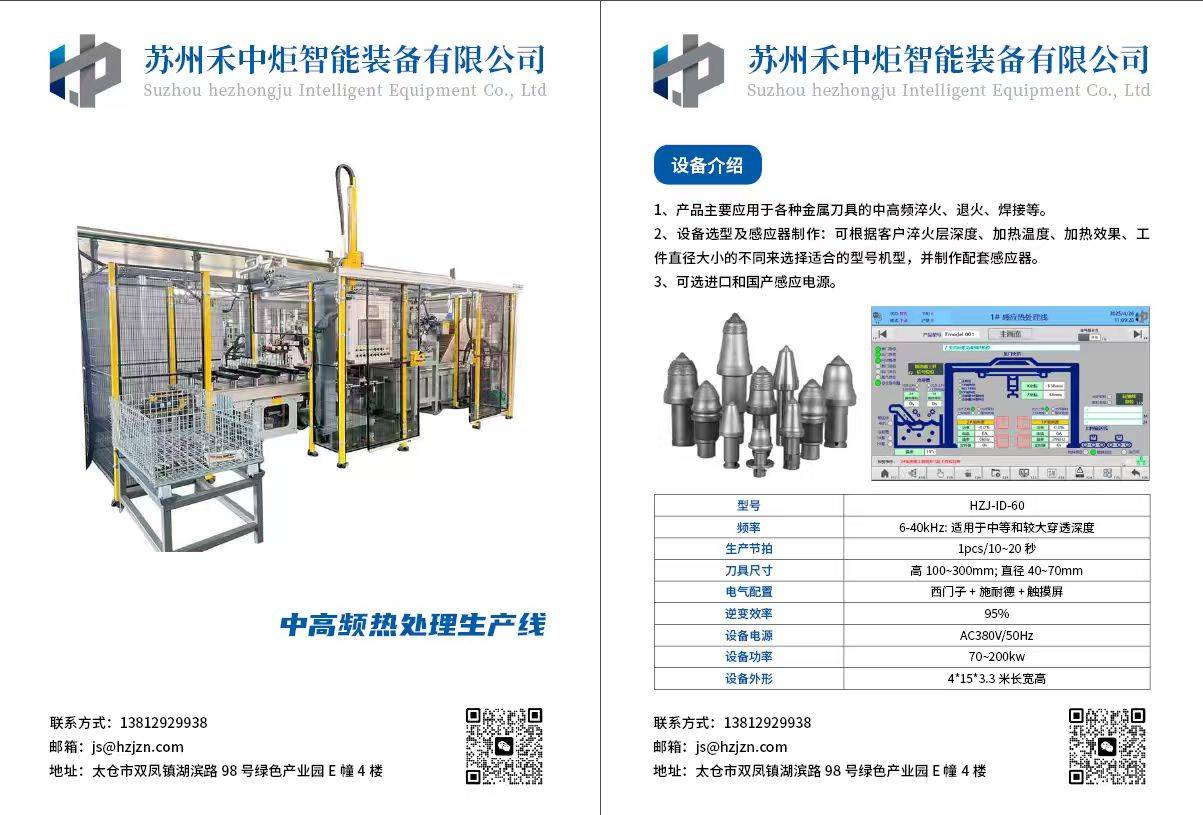
Excavator Bucket Teeth Heat Treatment Production Line
Suzhou Hezhongju Intelligent Equipment Co., Ltd.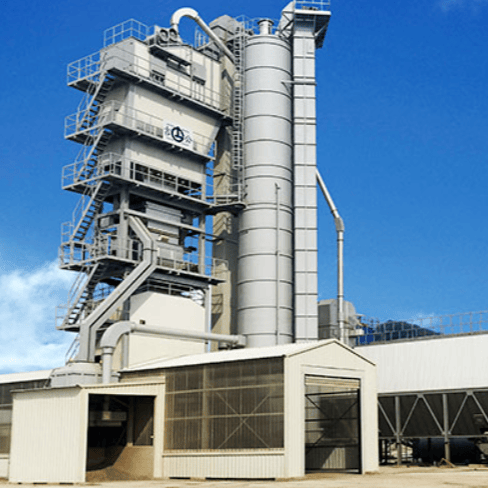
LBH4000 Batch Environmental Protection Asphalt Mixing Plant | Asphalt Batching Plant | Asphalt Mixing Plant
Jilin Province Road Construction Machinery Co., Ltd.
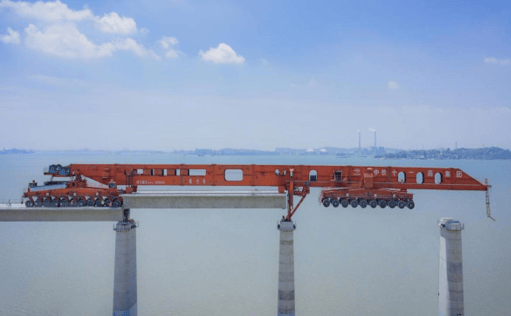
High-Speed Railway Lifting, Transporting, and Erecting Equipment: Integrated Transport and Erection Machine
Hanjiang Heavy Industry Co., Ltd. of China Railway 11th Bureau Group