Kenya's Private Sector and Government Join Forces to Drive Affordable Housing Program
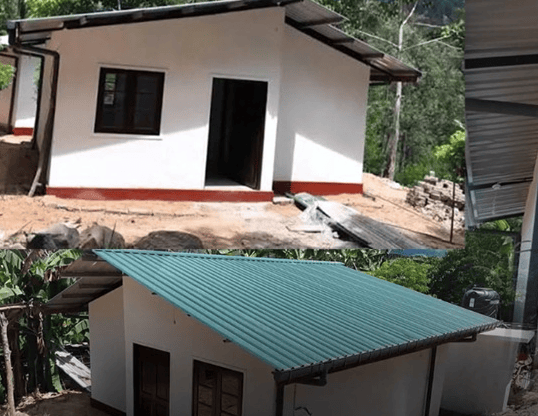
Faced with an annual shortfall requiring the construction of 260,000 new housing units, the Kenyan government is focusing on uniting the strength of the private sector to accelerate the delivery of affordable housing projects. This week, the Kenya Property Developers Association (KPDA) held a forum in Nairobi, bringing together government officials, financiers, and real estate developers to discuss ways to streamline processes from project initiation to housing delivery, aiming to achieve the goal of completing 200,000 affordable housing units annually.

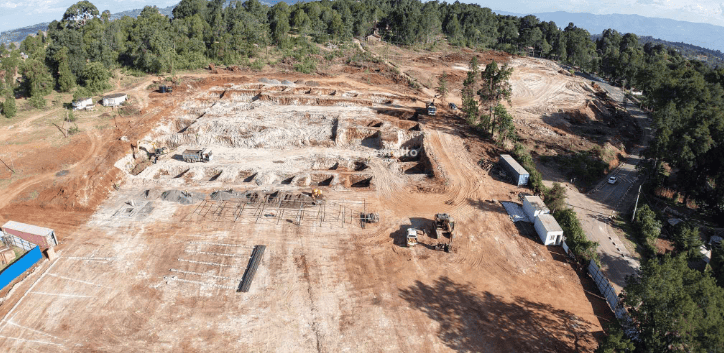
Speaking at the meeting on behalf of Principal Secretary Charles Hinga, Cassius Kusinyia, Director of Estate Management at the State Department for Housing and Urban Development, noted that there are currently 262,913 affordable housing units under construction nationwide, with 8,367 units already completed. He emphasized that the government is actively relying on private sector participation to scale up construction and listed tax incentives such as VAT exemptions, which have supported the development of 13,622 housing units. "The program is transitioning from a framework to physical assets, turning the entire country into a huge construction site," said Kusinyia. He also mentioned that the Affordable Housing Act, 2024, is the current guiding document for the implementation of affordable housing across the country.
John Kimani, a member of the Affordable Housing Board, revealed that a standardized framework for developer participation is being developed. The Kenya Property Developers Association and the Kenya National Chamber of Commerce and Industry will join as institutional partners, allowing private developers to build housing, which will then be purchased by the Board and sold to eligible Kenyan homebuyers. Data shared at the forum shows that since 2022, the affordable housing program has created over 525,000 jobs and channeled over 110 billion Kenyan shillings to MSMEs and Jua Kali suppliers.
Ken Lusa, Chairman of the Kenya Property Developers Association, stated that the association aims to serve as a bridge between private developers and the government. He said, "The private sector is ready. The government has also clarified its priorities. The question is whether we can build the bridge between the two sides so that both can achieve their respective goals." Participating developers also shared experiences of employing innovative construction technologies such as aluminum formwork in their projects and building green-certified homes to enhance construction efficiency and sustainability.
Currently, the formal market in Kenya provides less than 60,000 housing units annually, with a cumulative housing deficit exceeding 2 million units. This forum highlights the crucial role of deepening public-private partnership models and mobilizing private sector resources in bridging the huge supply-demand gap and achieving the national affordable housing construction goals.
Related Products

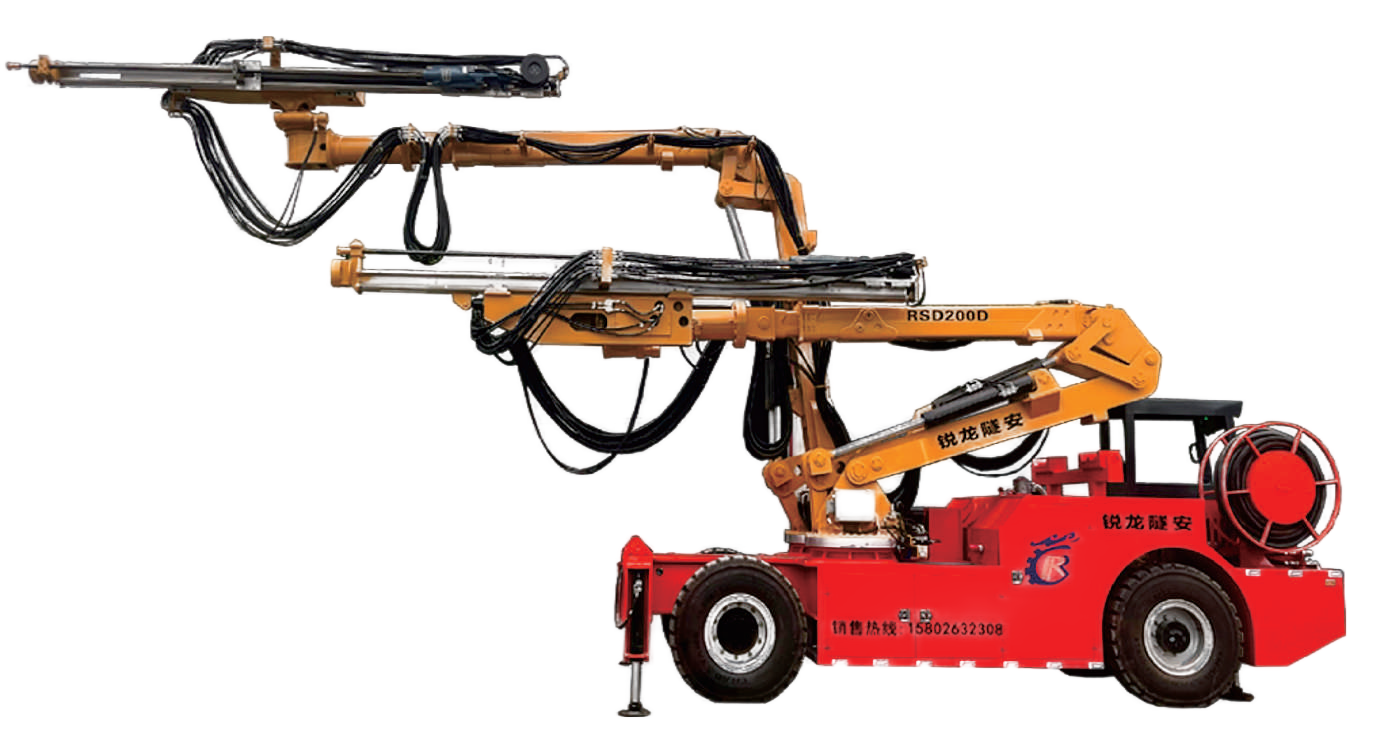
Dual-curved Arm Rock Drilling Trolley RSD200D
Chengdu Ruilong Machinery Manufacturing Co., Ltd.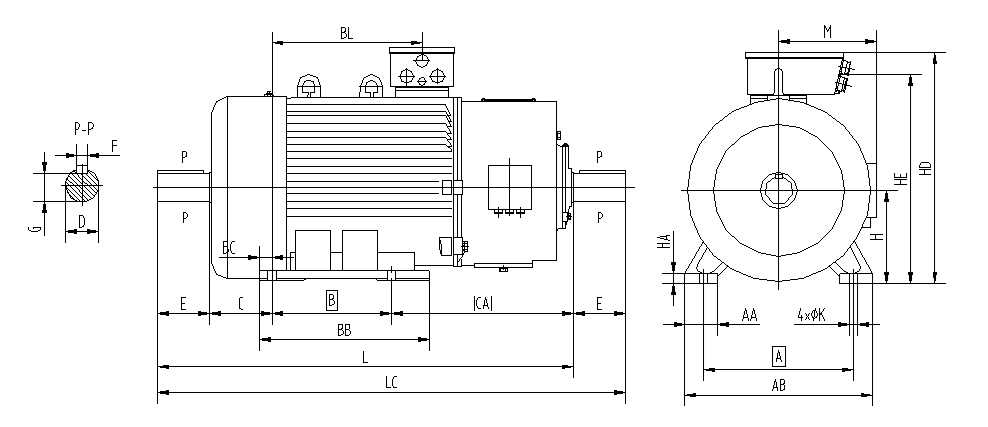
YZR (450-560) Series Wound Rotor Three-Phase Asynchronous Motors for Crane and Metallurgical Applications
Jiamusi Electric Machine Co., Ltd.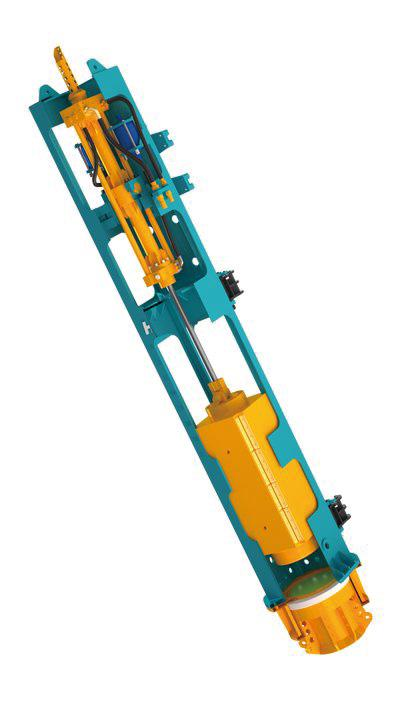
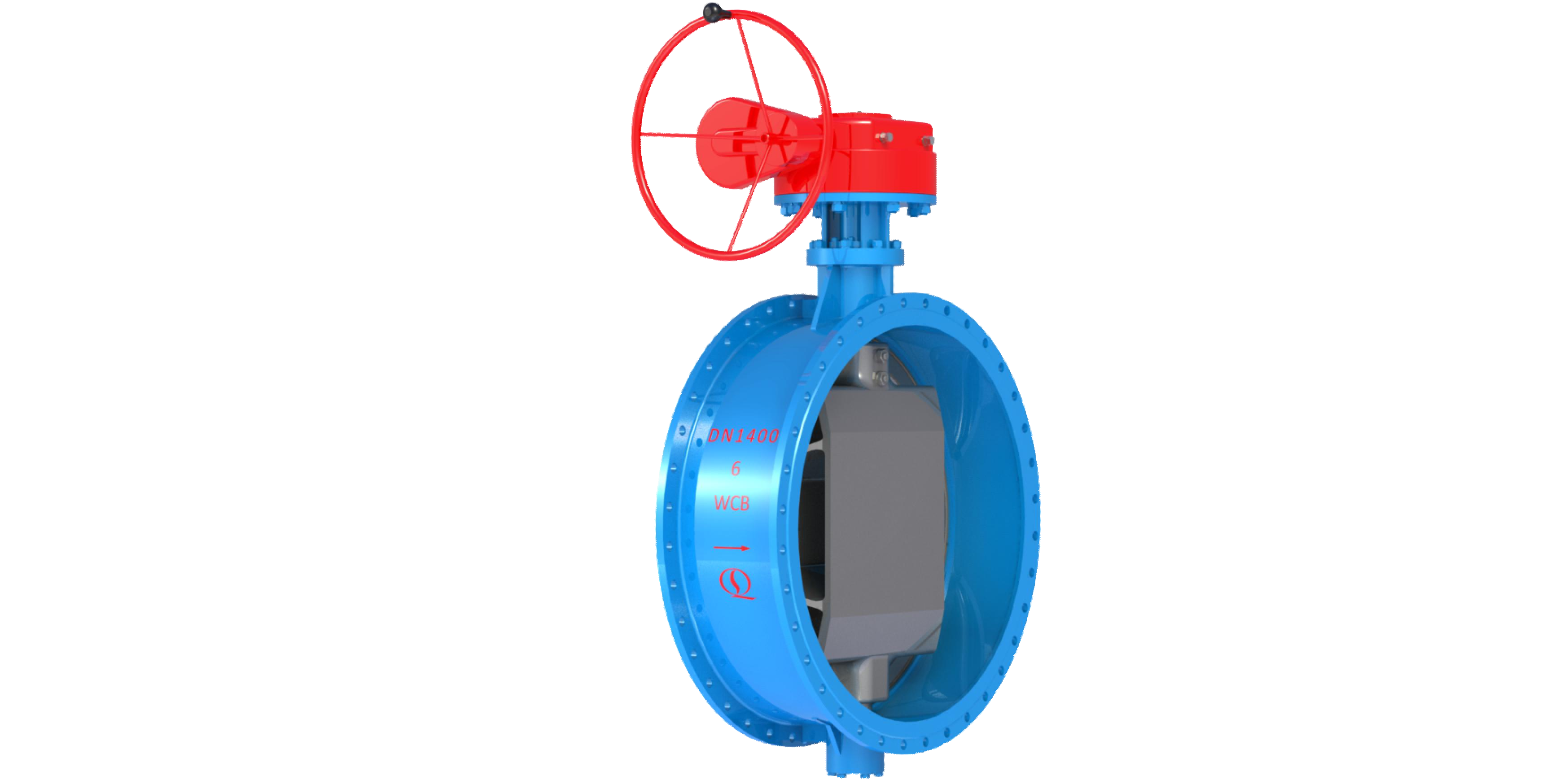
Bidirectional Metal Hard Sealed Seawater Butterfly Valve
Henan Quanshun Flow Control Science & Technology Co., Ltd.
YHTank8400N Solvent-Free Liquid Epoxy Coating
JIANGSU YUNHU NEW MATERIAL TECHNOLOGY CO., LTD.
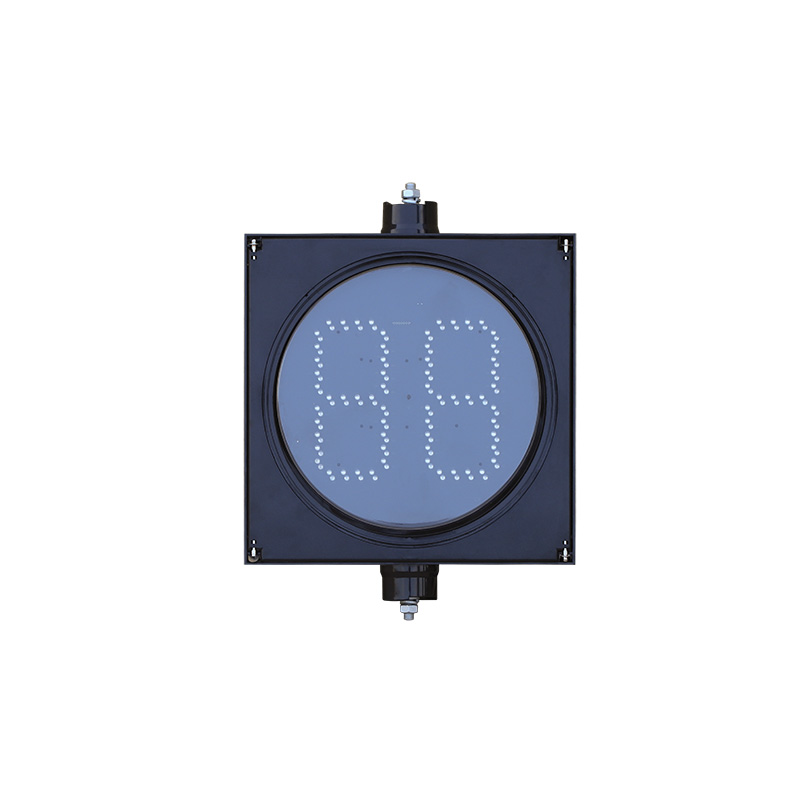
300mm Segment Type Countdown Traffic Light (Core Type)
Yangzhou FAMA Intelligent Equipment Co., Ltd.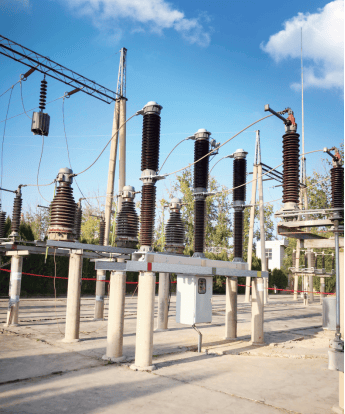
145kV Porcelain Column Type Sulfur Hexafluoride Circuit Breaker
TBEA ZONFA Shanghai High Voltage Switchgear Co., Ltd.