Wedoany.com Report on Feb 28th, The French startup TerraStab has developed a novel hydro-stabilization technology aimed at addressing building cracks caused by clay shrinkage and swelling (RGA). This system uses sensors and algorithms to prevent cracks by controlledly re-moistening the soil, offering a more sustainable alternative to traditional micropile reinforcement.
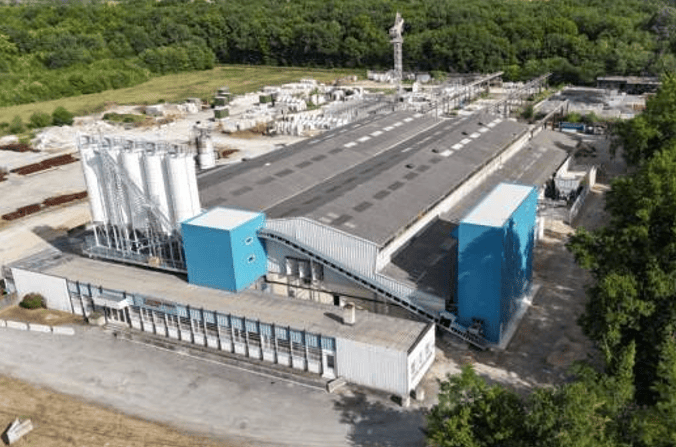
Clayey soils shrink and swell when dry and wet, leading to uneven settlement and damage to foundations. This phenomenon affects approximately 12.1 million houses in France, accounting for 61% of single-family homes in high-risk areas. Traditional methods like concrete micropiles are costly and have high carbon emissions, whereas hydro-stabilization directly addresses soil moisture variations, reducing the intensity of shrinkage and swelling to prevent cracks.
"Beyond cracks, the consequences of RGA also include social and economic aspects: heavy engineering works, lengthy procedures, relocation, and loss of real estate value," emphasizes Philippe Isselin, co-founder of TerraStab. The system integrates humidity probes, remote algorithms, and automated humidification modules, with an installation cost of around €5,000 to €10,000, making it more economical compared to micropiles costing tens of thousands of euros. In the context of frequent climate disasters, this preventive approach holds strategic significance.
Hydro-stabilization also offers environmental benefits. Micropile reinforcement uses large amounts of concrete, the production of which accounts for 7% to 8% of global CO₂ emissions. By stabilizing the soil and avoiding heavy engineering works, it can significantly reduce carbon footprint and material consumption, aligning with the trends of decarbonizing the construction industry and extending building lifespans.
Since the ELAN law came into effect in 2018, land sales in RGA-exposed areas in France require preliminary geotechnical studies. TerraStab's method combines diagnosis and active stabilization, supporting a shift from research to dynamic risk management and helping the real estate sector adapt to climate change.
As a mission-driven company, TerraStab is committed to enhancing building climate resilience and promoting accessible preventive solutions. Initial installations have already begun in France, with an eye on international markets such as the United States, where over 60 million houses are located in clayey areas, and Italy and Spain, each with nearly a million exposed buildings.
The operation of the hydro-stabilization system includes: solar-powered humidity sensors installed in foundation areas, data transmission to algorithms for analyzing moisture variations, automatic triggering of humidification cycles, and controlled water injection via irrigation wells. All operations are traceable, providing monitoring records for relevant stakeholders.